Trust Density: How One Piece of Content Shapes Willingness to Inquire
AI Brand Growth System, Article 44 | Giving customers more grounds for judgment in every section. Original illustrations retain Chinese labels.

Trust density Whether a customer wants to inquire after reading an article often depends less on its length or the popularity of its viewpoint than on how many cues help the customer assess you. The higher the trust density, the easier it is for a reader to move from 'I agree' to 'I would like to talk further.' |
01 | Understanding alone does not lead customers to inquire
When many companies write content, they assume that a customer will inquire once they understand it. So articles become longer, arguments denser, and examples more numerous. The result may look professional while still leaving readers with no reason to act. The real issue is not that customers failed to understand. They have not found enough reasons to trust you.
Between reading and making an inquiry lies a very practical assessment. Customers ask: Does this person truly understand my problem? Is this method only a concept, or can it be put to work? Is there evidence from a similar situation? If I inquire now, will someone push me into a sale? Is this worth my time? If the content does not answer these unspoken questions, readers may nod without taking another step.
This matters especially in business services, brand consulting, practical AI adoption, and managed operations. The cost of taking action is substantial. A customer is not buying a small tool; they are deciding whether to share a business problem, the state of their team, and their budget plans with you. The higher the trust threshold, the less you can expect an article that merely 'sounds right' to bring inquiries on its own.
An article's ability to support conversion therefore depends on trust density, not simply the volume of information. Information volume answers 'How much do you know?' Trust density answers 'Why can I believe you?' The former may show readers that you can express an idea. The latter may make them willing to share a real problem.
This is why the AI Brand Growth System emphasizes content assets. Content is not something used up when it is posted each day. It is infrastructure that helps customers understand, compare, verify, and develop trust before a purchase. An article with high trust density does some of the explanatory work for sales in advance.
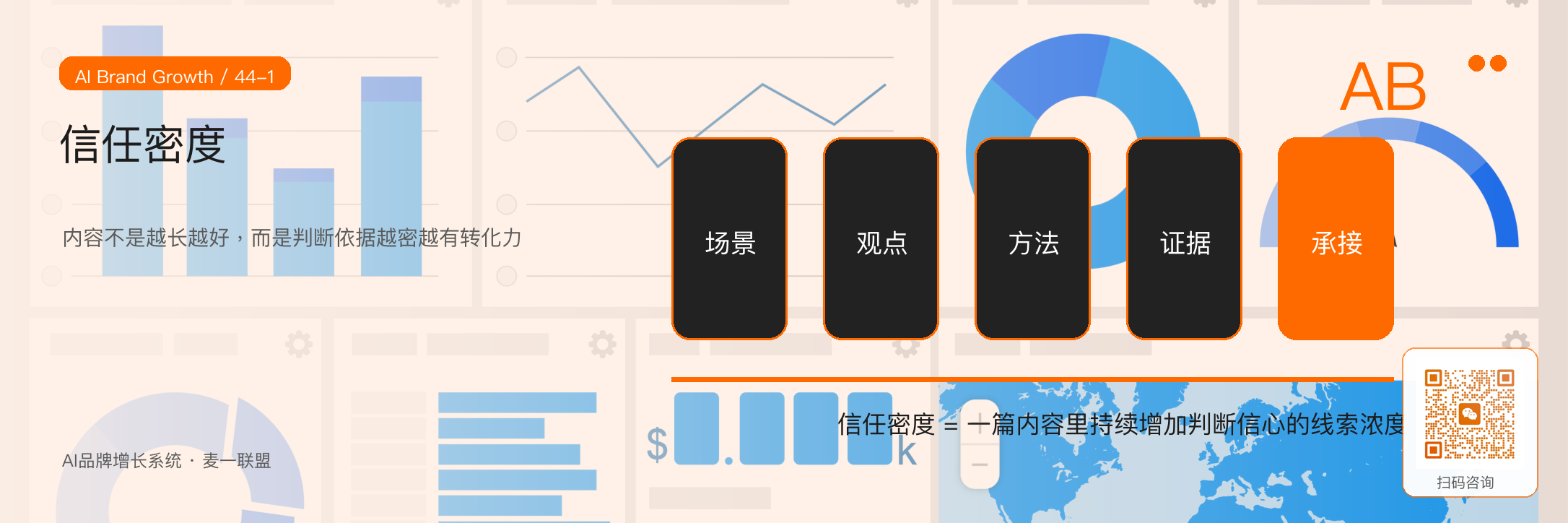
Figure 1: Trust density affects whether content can move a reader from reading toward an inquiry.
02 | What is trust density?
Trust density is the concentration of useful cues in a piece of content that steadily increase a customer's confidence in making a judgment. It does not mean filling every line or stacking memorable slogans. It means that each important section gives the reader another basis for assessment: you understand their situation, can explain the problem, have a path for action, can show evidence, and know what the next step should be.
Content with low trust density usually offers conclusions without situations, opinions without grounds, method names without operational detail, and success stories without limits or failures. It may read smoothly, yet a reader can hardly tell whether it suits their needs. They may finish thinking 'That makes sense,' but not 'I should talk to this team.'
Content with high trust density does the opposite. It describes the customer's present problem accurately, explains the structure behind it, breaks down a possible path, sets out actions that can be checked, and offers a low-pressure next step. The reader is not pushed by emotion. After receiving enough material to judge, they may naturally become more willing to inquire.
In other words, trust density is not a measure of literary style; it is an early indicator in the path toward a sale. Whenever a company writes a WeChat article, makes a short video, or hosts a livestream, it should ask whether this content makes it easier for target customers to believe the company can address their real problem.
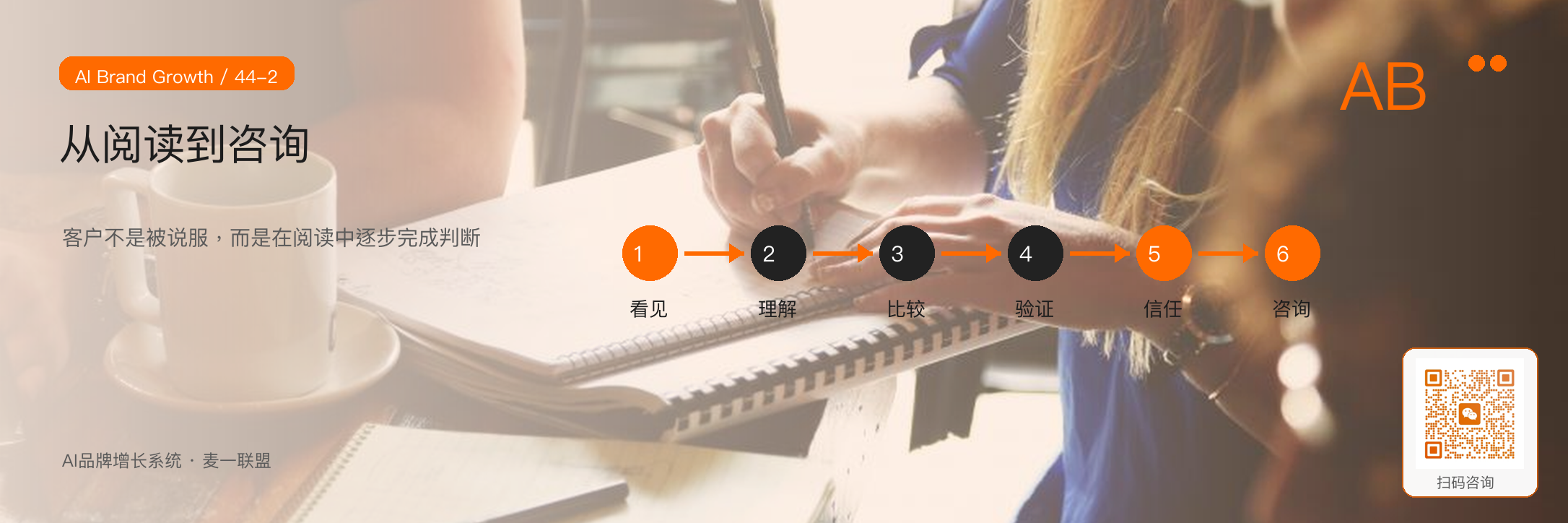
Figure 2: Between first seeing content and making an inquiry, customers need a continuing basis for judgment.
03 | Seven trust touchpoints in one piece of content
First, recognize the situation. The opening should show target customers that you are addressing the specific circumstances they are living through, rather than speaking in generalities. Instead of saying 'Growth is hard,' describe a business that gets exposure and inquiries but is repeatedly told its price is too high, while sales keeps explaining without moving the deal forward. The more specific the situation, the more likely the reader is to pause.
Second, restate the problem. Translate pain points that customers cannot clearly name into a structured problem. Many owners can only say 'Conversion is poor,' 'Traffic is expensive,' or 'Our content does not work.' The underlying issue may be unclear positioning, trust that has not been built in advance, a broken handoff to sales, or insufficient case evidence. An accurate restatement helps readers feel understood.
Here is a simple test. If your title and opening could fit any industry without change, your recognition of the situation is too weak. If a reader can say after the opening, 'That is exactly what we have been dealing with,' the article has entered the customer's decision context. Trust often begins with accurate recognition, not a polished viewpoint.
Third, explain the underlying logic. An article should do more than offer tips; it should explain why the problem occurs. Few inquiries do not necessarily mean the writing is poor: the content may lack criteria for judgment. A customer who does not send a private message is not necessarily uninterested: they may not yet feel safe taking the next step. Logic helps a reader move from emotional agreement to reasoned assessment.
The fourth through seventh touchpoints are a path for action, evidence examples, limits of applicability, and an entry point for action. The path shows what to do. Evidence shows the idea is more than speculation. Limits show you are not making an exaggerated promise. The entry point shows how to start a light consultation. Connected together, these seven touchpoints give an article a chance to support an inquiry.
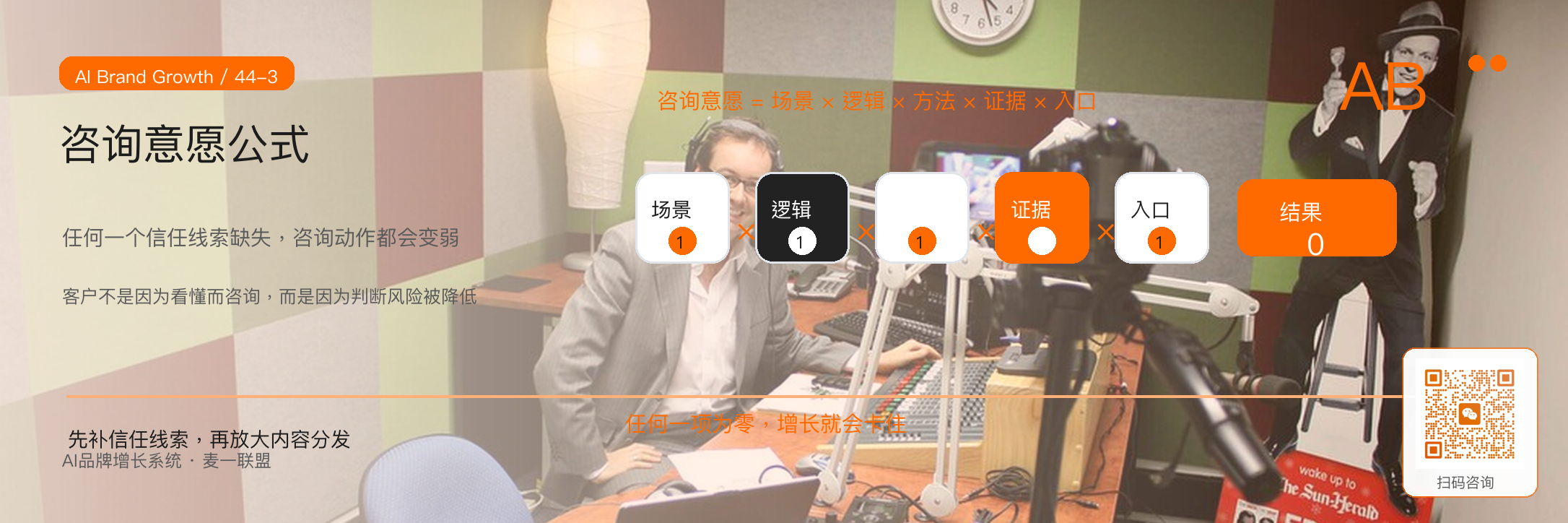
Figure 3: Willingness to inquire is multiplicative; a missing critical cue can weaken the path to conversion.
04 | Why low-density content struggles to convert
Content often fails to convert because trust cues are too sparse, not because it is badly written. An article may open with industry trends, explain a few concepts, and end with 'Contact us,' without helping the customer reach any of the important judgments along the way. A reader may think you have a point of view while remaining unsure whether you can help.
The most common mistake in low-density content is to mistake expression for trust. Lines such as 'Brands must upgrade in the AI era,' 'Businesses need systematic growth,' and 'Content should become an asset' are not inherently wrong. Without a concrete situation, an operational path, and criteria for judgment, however, they are merely correct-sounding slogans. Customers do not inquire because a slogan is correct. They inquire when their problem is described accurately, the path is clear, and the perceived risk is lower.
The second mistake is to mistake excitement for trust. A provocative headline, a sharp viewpoint, and many comments do not show that target customers trust you. The higher the project value and decision cost, the less likely a customer is to be won over immediately by emotional content. They need to see whether you consistently explain problems with the same method over time, and whether you can turn complex issues into actions they can take.
The third mistake is to mistake technical language for trust. Too much jargon may push customers further away. Real expertise means explaining a complex issue in language they understand and helping them see where they are stuck now. Trust is not about appearing impressive; it is about helping a customer think, 'You can indeed help me avoid unnecessary detours.'
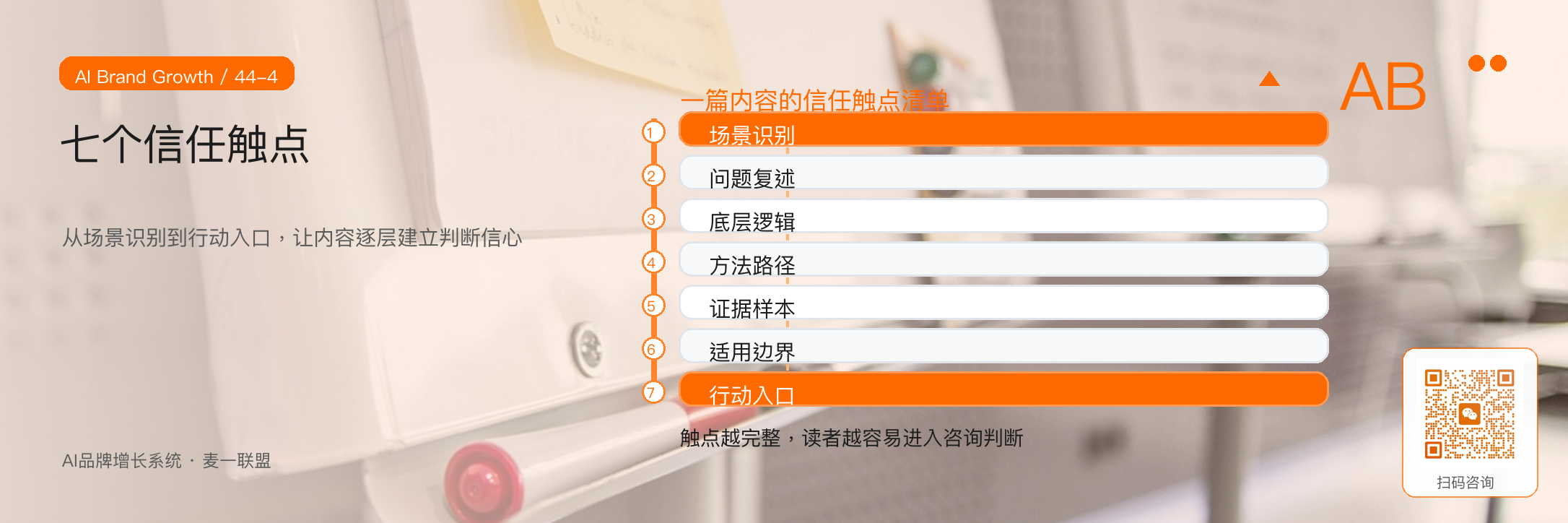
Figure 4: Content with high trust density covers seven touchpoints, from a specific situation to an entry point for action.
05 | A writing checklist for high-density content
The first tool is a customer question. Before thinking of a headline, write down the real question the article will answer. Ideally it comes from a sales conversation, a customer message, a diagnosis record, or a livestream question. 'Why does my content get read but bring no inquiries?' is closer to a customer's situation than 'How do I improve content conversion rates?'
The second tool is a three-part diagnosis: the visible symptom, the mistaken assumption, and the break in the system. Start with what the customer sees, identify the common misunderstanding, and then locate the system-level break. This allows the customer to follow a self-diagnosis rather than merely hear an opinion.
The third tool is an action the reader can take. Every article should offer at least one set of checks the reader can perform immediately: Does it describe a specific situation? Does it give criteria for judgment? Does it show case evidence? Is there a low-pressure route to ask a question? The more concrete the action, the more credible your advice becomes.
The fourth tool is granularity of evidence. Do not just say, 'Many customers face this.' Describe what kind of customer was involved, where they got stuck, what action was taken, and what changed afterward. Even when a case is anonymous, retain enough business detail for a reader to assess it. The point of detail is not to boast, but to let readers judge whether the situation resembles their own.
The fifth tool is a gentle next step. Do not end every article with a hard sales pitch. Design a next step that fits the article's subject. After an article on trust density, for example, invite readers to assess which trust touchpoints their own content lacks. The more natural the handoff, the less intrusive the invitation to inquire feels.
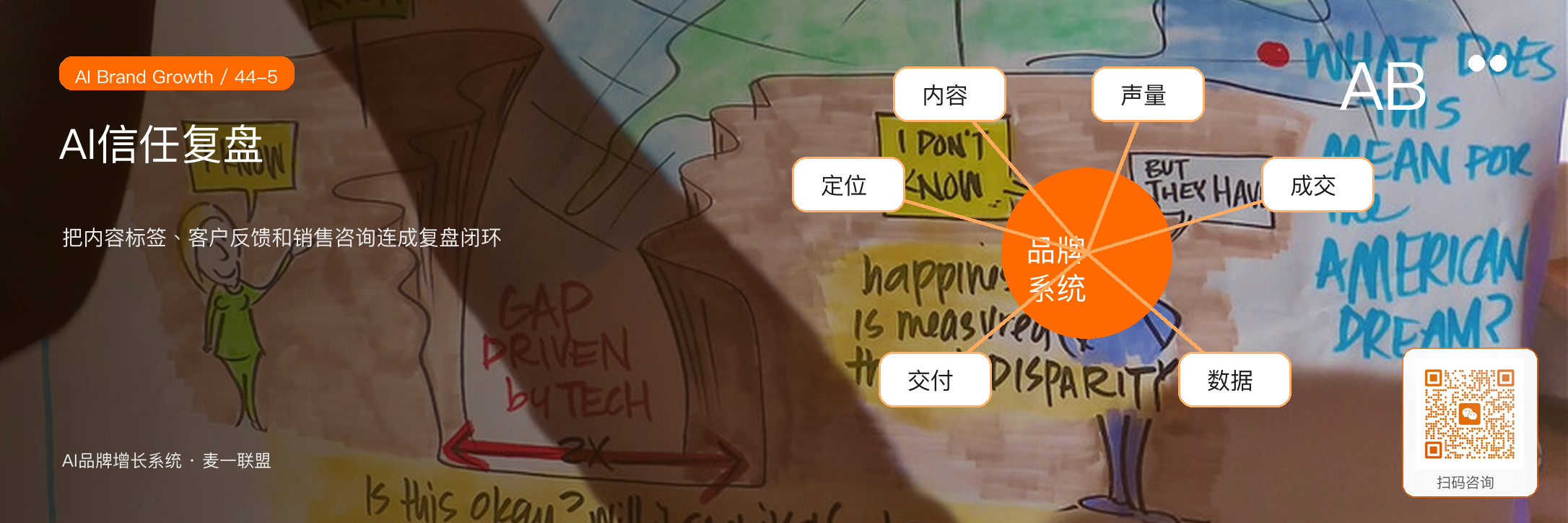
Figure 5: AI can connect content tags, customer feedback, and sales signals in a review system.
06 | Use AI to make trust density reviewable
AI's greatest value here is not mass-producing articles. It is helping a team check whether its content contains enough trust cues. AI can tag an article against the seven touchpoints: Does it recognize a situation, restate a problem, explain the underlying logic, offer a path for action, show evidence, state where the method applies, and provide an entry point for action?
This can become a light internal process. Before publishing each article, have AI score it against the seven touchpoints, then ask a salesperson or owner to add language from real customer conversations. AI identifies gaps in structure; people contribute judgments from the field. This helps avoid vague content without leaving an article entirely dependent on one person's inspiration.
Next, connect content performance with sales feedback. Which articles brought high-quality inquiries? Which drew many readers but few inquiries? Which paragraphs do customers often quote? Which questions recur in private messages? If these signals remain scattered across platforms and sales chats, the team cannot tell where trust density comes from.
When using AI for review, look beyond platform metrics to signals of trust. Do saves come from target customers? Do private messages contain specific problems? Do inquiries include a budget and a real situation? Does a particular article make it easier for sales to explain the service's value? AI can summarize this feedback into suggestions for topics, wording, examples, and entry points.
Once trust density can be recorded, compared, and reviewed, a content team need not rely on intuition alone. Each publication can become a sample in the brand's knowledge base: which problems are more likely to prompt an inquiry, which evidence reduces hesitation, and which entry points help customers take a first step.
07 | From one article to a system that prepares consultations
One article with high trust density offers one better opportunity for a customer to take the next step. When a series of articles steadily raises trust density, it can form a system that prepares customers for consultation. On the first encounter, a customer may remember only a viewpoint. On the second, they begin to understand your framework. On the third, they see you consistently answer the same class of problems. Only later might they bring you a real problem.
A WeChat official account is therefore more than a publishing channel; it can hold a brand's trust assets. Each article should have a clear job. One identifies a problem; another explains the logic; another breaks down a method; another presents a case; another lowers the threshold for making an inquiry. Together, they can help a customer move from unfamiliarity to recognition, from recognition to judgment, and from judgment to an inquiry.
For the AI Brand Growth System, trust density connects the content-production process with the sales handoff. Without trust density, content may do little beyond creating exposure. With it, content can contribute to growth infrastructure. The task is not to publish more articles every day. It is to make each one give customers another reason to consider choosing you.

Figure 6: Build trust-focused content assets over 90 days so a WeChat account can help prepare customers for consultation.
Consultation on building the system If people read, save, and like your content but few are willing to inquire, the issue may be less about posting frequency than about insufficient trust density. The AI Brand Growth System can help you work across four areas: a library of customer questions, a checklist of content touchpoints, sales feedback, and AI-assisted review. Together, these can form a brand content system designed to make customers more willing to start a conversation over time. |