Why Is Growth Getting Harder Even as Businesses Work Harder?
AI Brand Growth System, Article 1 | Effort has not stopped working; the old growth system has. Original illustrations retain Chinese text.

The starting point The AI Brand Growth System is not about making a little more content. It is about helping a business build growth infrastructure through which customers can consistently understand, trust, remember and choose it. |
01 | The problem is not a lack of effort. The old growth system is failing.
In recent years, many business owners have felt a very real exhaustion: they have spent on advertising, built social accounts, kept publishing content and run plenty of campaigns, yet growth remains unstable. There are inquiries today and no leads tomorrow. One breakout piece of content sustains this month, but next month they are back at the starting line. Everyone is working harder, yet the results increasingly feel like running in place.
The problem is not necessarily a team that lacks diligence or a poor product. A deeper reason is that the old growth system is losing its effectiveness. Businesses used to believe in traffic first, conversion next and repeat purchases after that. Exposure, channels and advertising seemed to create a route to a sale. Now, however, customers take longer paths to a decision, information noise has increased, and they begin searching, comparing, checking and ruling out options before they ever contact you.
Previously, a business might grow by taking advantage of one emerging channel. Today, a channel advantage is quickly copied, the momentum of a breakout post soon fades, and leads from a single campaign do not naturally become long-term customers. What leaves a business on the defensive is not simply an ineffective channel. It is the absence of a continuously operating system that connects channels, content, brand, sales and delivery.
The starting principle of the AI Brand Growth System is therefore neither to publish more content nor to use more tools. It is that businesses need to rebuild a system through which customers can consistently understand, trust, remember and choose them.

Figure 1: Growth shifts from buying traffic to building trust first
02 | The central variable in growth has shifted from traffic to trust
Traffic still matters, of course, but it no longer automatically means growth. The questions now are: after customers see you, will they stop to pay attention? Once they stop, can they understand you? Once they understand, do they believe you can solve their problem? Once they believe, is the next action clear enough?
Without a deliberately designed connection between these steps, traffic becomes a one-time expenditure of attention. Accounts show activity, but no lasting direct customer relationships develop. Content gets read, but gives sales teams little to discuss. Customers are interested, but cannot find a clear way to inquire. Projects close, but the experience never becomes a documented case. Many businesses are not short of activity; they are short of connections between activities.
This explains an observation many owners make: given the same lead, some companies close a sale naturally while others must explain themselves repeatedly. Faced with the same customer need, some brands immediately seem dependable, while others still feel unfamiliar after a lengthy introduction. The difference is not only sales skill. It also depends on whether, before contacting the business, customers have seen enough evidence, viewpoints, cases and consistent communication.
Real brand growth should allow trust to develop earlier. Customers start forming judgments when they encounter your posts, find you in search, see a case, read your perspective, see you in their WeChat Moments feed or hear a friend mention you. A sale does not begin only at the last moment. It starts with the first piece of content, the first image and the first encounter.
03 | What is the AI Brand Growth System?
The AI Brand Growth System is not an AI toolkit, a managed-account package or simply an upgrade to a logo, visual identity or corporate film. It is a business operating system built around the customer's path to a choice. Starting with the company's value proposition and centering on customer needs and decisions, it coordinates AI, content, brand, channels, data and standard operating procedures toward an ongoing sequence: being seen, trusted, remembered, chosen and bought from.
In short, the AI Brand Growth System means using a system to build trust, and trust to support sales.
This system includes at least eight layers of capability. Strategic positioning answers who you are. Customer insight answers why customers need you. Brand knowledge turns experience, cases, products and sales language into organizational memory that can be retrieved. Content production supports the ongoing creation of trust. Channel distribution helps the right people encounter you repeatedly. Accumulated trust turns cases, reputation and methods into evidence. Sales conversion helps customers understand how to buy and why the offer is worth it. Data feedback lets each piece of content, inquiry and delivery inform the next cycle of growth. These eight layers are not intended to make things complicated. They turn experience scattered across an owner's memory, sales conversations, project files and customer chats into growth assets that a team can use, customers can see, AI can retrieve and the market can repeatedly test.
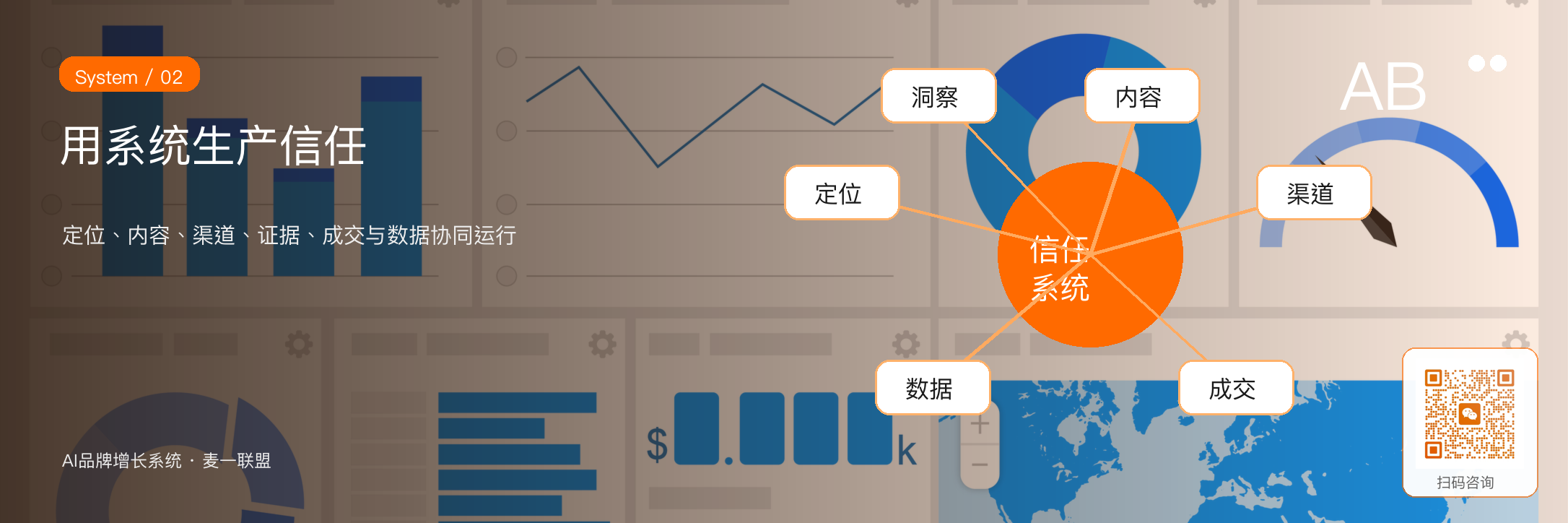
Figure 2: The AI Brand Growth System is a business operating system, not a stack of tools
04 | Customers learn before the sales conversation, rather than simply being persuaded in it
Many businesses have placed too much weight on the sales conversation and too little on building trust before it. As a result, when a customer arrives, the sales team must explain everything from scratch: who we are, what we can do, why we work this way, which projects we have delivered, why the price is set this way and how risk is controlled.
Customers in the AI era are increasingly unwilling to listen to an explanation that starts from zero. They first look for consistent publishing, genuine understanding of their industry, a clear method, credible cases, an understandable product structure and a sustained presence. In other words, customers do not begin choosing you at the moment they meet you. Much of their preliminary judgment has already been formed.
This can actually benefit a business. Once you have explained customers' main concerns, demonstrated your method, documented your cases and clarified the boundaries of your service in advance, the sales conversation becomes less about pushing and more about mutual confirmation: does this approach suit your problem, which part needs attention most urgently, and can we get the system working together?
That is the value of a content system. Content is not activity for its own sake, a daily posting obligation or a matter of finding something to publish today. It is trust infrastructure that precedes a customer's decision. It helps customers name a problem, understand its causes, see an approach, assess capability and reduce risk.
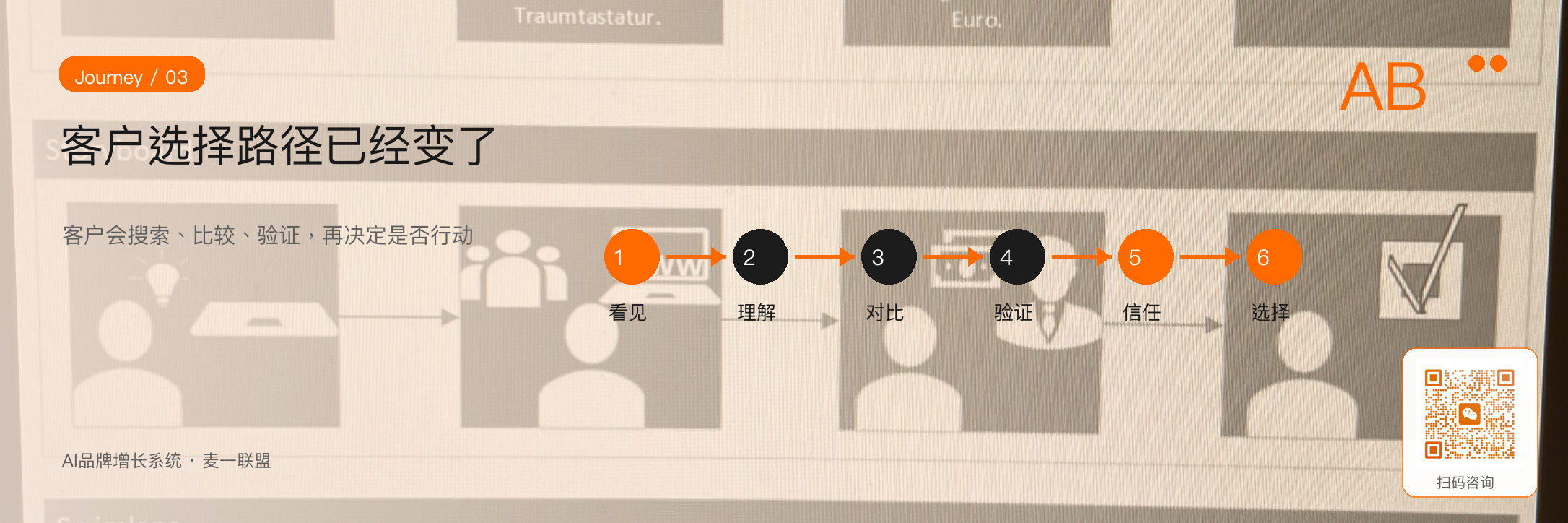
Figure 3: The customer decision journey moves from a linear funnel to repeated verification
05 | AI is a productivity foundation for the growth system, not just a copywriting tool
Many businesses still use AI mainly to write an article, revise some copy or create a few images. These uses have value, but they do not capture the full value of the AI Brand Growth System.
AI begins to become part of brand growth when a business develops its own brand knowledge base, or brand brain. Brand positioning, products and services, customer profiles, industry knowledge, project cases, sales objections, delivery processes and lessons from reviews are organized into that knowledge base. AI then connects this knowledge to topic planning, content, sales, projects, customer success and data reviews. Capabilities that once depended on a few individuals' experience can gradually become system capabilities that can be retrieved, reused and improved.
Without a brand knowledge base, AI can only use generic information to produce generic content. With one, it can create content closer to the business by working with your customers, products, cases and way of communicating. The former pursues efficiency; the latter builds capability. A defensible advantage does not come from a particular prompt, but from experience, judgment and evidence accumulated over time.
In other words, AI should amplify human judgment, not replace it. It should not replace a brand's real experience, but help organize, express, distribute and reuse that experience more quickly. Without a knowledge base and processes, AI merely helps a business produce noise faster. With them, AI may help it build trust assets faster.

Figure 4: Traffic, content, brand visibility and conversion form a growth flywheel
06 | Why MAIYI ALLIANCE is pursuing this work
Through its work in branding, design, content, brand visibility, direct customer relationships and project delivery, MAIYI ALLIANCE has increasingly observed that what businesses lack is not one isolated service. It is a system connecting brand communication, content production, channel distribution, sales follow-through, AI-enabled efficiency and ongoing review.
The AI Brand Growth System is therefore not merely a new label. It is a project direction formed by reorganizing MAIYI ALLIANCE's service experience, AI capabilities, content assets and brand-growth methods. The original article sets out a planned, gradual expansion into a broader offering: brand-growth thinking for the AI era, MAIYI ALLIANCE and its founder's personal brand, a short-video content matrix, livestream programs, corporate training, AI products and tools, and managed brand operations.
In that plan, the public WeChat account is intended to provide the system's intellectual foundation by explaining the theory, breaking down methods and documenting cases. Short videos and livestreams are intended to provide frequent reach and explanation. Internal training would help teams bring the methods into their organizations. Product tools would make diagnosis, topic planning, knowledge bases, content production and sales assistance easier to use. Managed operations would help businesses put these capabilities into a working rhythm and pursue results.
Although these proposed activities look different, they share one underlying aim: helping businesses develop the capacity to be chosen consistently. Theory builds understanding; a personal brand gives trust a recognizable human presence; short videos and livestreams improve the efficiency of reach and explanation; training helps organizations learn the methods; product tools lower the barrier to use; and managed operations help put the system into practice.
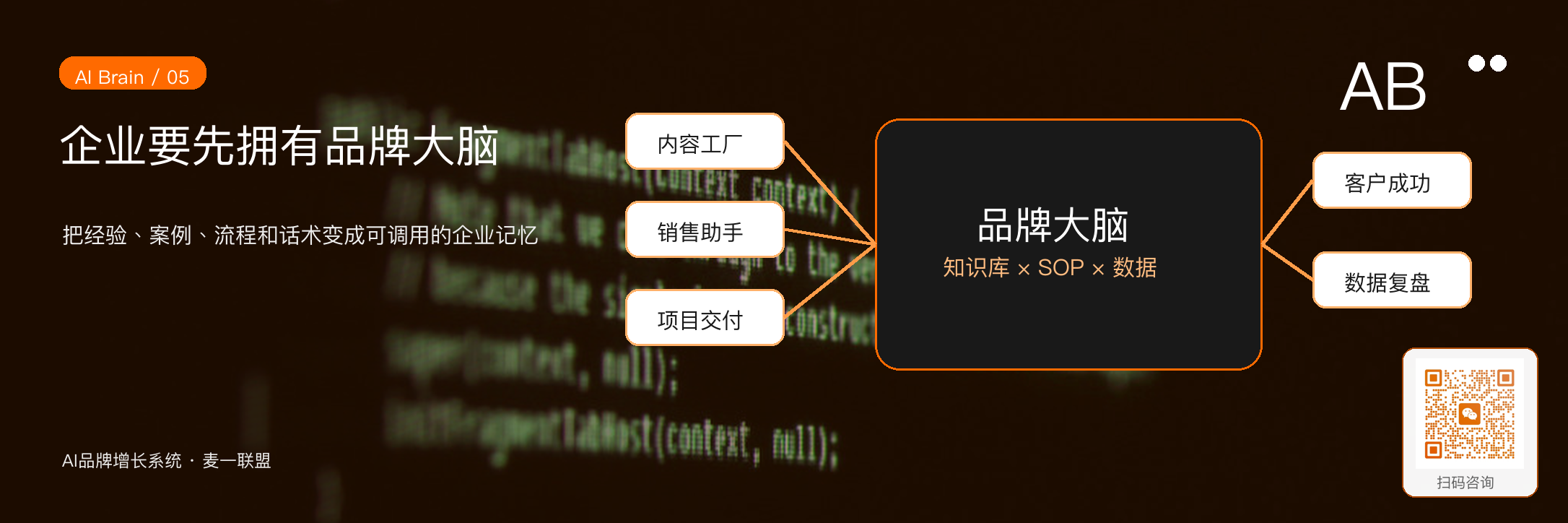
Figure 5: A business's brand knowledge base helps AI understand its operations
07 | First, identify where your brand growth system is getting stuck
When growth is unstable, the problem is usually not one isolated failure but a break in an important connection. Positioning may be unclear, leaving customers unsure which problem you solve. Content may lack evidence even when it is published frequently. Brand communication may have no consistent central message, so repeated exposure does not lead to recall. Product communication may leave interested customers unsure how to buy. Or AI may remain a collection of tools without becoming part of real business processes.
Starting an AI Brand Growth System therefore does not mean immediately opening accounts, piling up content or buying tools. It begins with diagnosis: who are your customers? What problems hurt them most? For which needs do you want them to think of you first? Which cases and methods can you substantiate? Does your current content help customers trust you in advance? Are your inquiry entry points, product structure and path to purchase clear and usable?
Diagnosis is not about finding fault. It is about finding the most valuable part to improve first. Some businesses should begin by revising their brand communication; others by building a library of customer questions, explaining their cases thoroughly, improving sales follow-through or establishing an AI knowledge base. With the right sequence, investments can build on one another. With the wrong sequence, more activity can simply exhaust the team.
From the starting point described in this original article, MAIYI ALLIANCE intends to keep explaining, developing and putting the AI Brand Growth System into practice through its public WeChat account, short videos, livestreams and product tools. This first article is only an opening. The underlying goal is to help more businesses move from anxiety about traffic to systematic growth, and from one-off sales to the cumulative value of trust.

Figure 6: The planned development of MAIYI ALLIANCE's AI Brand Growth System
A next step toward an inquiry To identify where your own brand growth system is getting stuck, you can begin with an AI Brand Growth Diagnosis: examine positioning, content, brand visibility and the path to purchase, as well as whether AI has genuinely become part of business processes. |