Why Is Advertising ROI Falling? The Market Has Changed, Not Just Your Media Choices
AI Brand Growth System, Article 2 | From buying traffic to building trust before contact. Original illustrations retain Chinese text.

Core assessment Falling advertising ROI appears as higher media costs and faster creative fatigue. Underneath lie longer customer decision journeys, delayed trust building and incomplete follow-through. Businesses need to ask not only how to target more precisely, but also: after customers see us, why would they continue to trust us? |
01 | Before blaming the media buyer, recognize falling ROI as a system signal
Many business owners share the same frustration: budgets have not shrunk, teams are working harder, creative is refreshed more often and ad accounts are monitored more closely, yet advertising ROI keeps becoming less predictable. A successful creative used to run for a long time; now it can fade in three days. Increasing the budget once helped scale volume; now costs rise as soon as volume increases. Customers once entered an owned channel and gave you time to talk; now they may compare you with a dozen competitors before joining it.
On the surface, lower advertising ROI reflects more expensive auctions, faster creative fatigue and fluctuating lead quality. At a deeper level, the era has changed. Businesses still treat advertising as the starting point of a sale, while customers already treat it as the starting point of an evaluation. Advertising no longer does all the persuading itself; it brings customers into a longer verification journey.
Focusing only on the ad account creates an exhausting cycle: change the creative today, adjust the audience tomorrow, lower the selling price the day after, and eventually offer deeper discounts to secure sales. In the short term, this looks like campaign optimization. Over time, it can draw down brand trust. The question that deserves attention is not simply why an ad failed to perform, but why customers did not become more willing to choose you after seeing it.
In other words, falling ROI is not merely bad news. It is more like a warning light for the whole system. It reminds businesses that growth once achieved through one channel, one creative or one sales action now needs a fuller combination of brand communication, content reach, accumulated evidence and sales follow-through. Understanding this change earlier helps businesses move beyond campaign anxiety earlier.

Figure 1: The roots of falling advertising ROI lie in a changing growth model, not just one campaign action
02 | The old advertising advantage rested on three things being inexpensive
Many industries once scaled quickly through advertising because three things were inexpensive: attention, when customers had not yet been educated by an abundance of content; comparison, when customers had fewer options to examine; and trust, when a sufficiently direct ad could persuade customers to give a salesperson a chance to explain.
All three advantages are fading. Attention is increasingly fragmented, and customers see too many promises every day. Comparison is easier: they can search, save, share, ask friends or ask AI at any moment. Trust is more costly to earn. Customers want more than your claims; they want to see whether you consistently express the same logic, have case evidence and professional judgment, and communicate through a recognizable human voice.
That is why the same budget that once bought conversions may now buy only clicks. Advertising has not lost its value; its place in the process has changed. It is no longer the single decisive sales action. It is the first button in a customer's trust-evaluation journey. If that first button is misaligned, working harder on the rest only makes the result more tangled.
Many owners believe they need stronger campaign techniques, but what is truly scarce is a set of reasons to choose the brand that customers can verify repeatedly. Why should they stop? Why should they trust you? Why should they leave contact details? Why should they accept your price? If these questions have not been answered systematically before the ad, answering them afterward becomes a lonely struggle for sales.

Figure 2: Growth built on inexpensive traffic is shifting toward competition in trust and follow-through
03 | What has really become more expensive is customer trust, not traffic
When businesses say traffic is expensive, it is often more accurate to say that customer trust has become expensive. Traffic itself is exposure and reach. What determines the real cost is the distance between customers seeing you and trusting you. The shorter that distance, the easier conversion becomes. The longer it is, the harder sales must work, the harder prices are to defend, and the easier it is for customers to choose a cheaper alternative.
Today's customers do not instantly trust a business after seeing one ad. They read the comments, open the profile, search the brand name, examine cases, compare how founders communicate, and observe whether the business consistently stands for the same things. Many judgments are made before formal contact, and many customers leave at points the business has not even noticed.
The AI Brand Growth System calls this change trust before contact. Customers do not begin evaluating you only when a sales conversation starts. They have already assigned an initial score before making formal contact. The higher that score, the more naturally an inquiry can begin. The lower it is, the more explanation, discounts and sales effort are needed to compensate.
Businesses should therefore treat account profiles, founder communication, case collections, customer reviews, industry perspectives, product explanations and service processes as part of advertising ROI. These may not look like ads, yet they help determine whether advertising works. More rational customers will not buy on a slogan alone. More cautious customers need to encounter the same credible answer across several touchpoints.
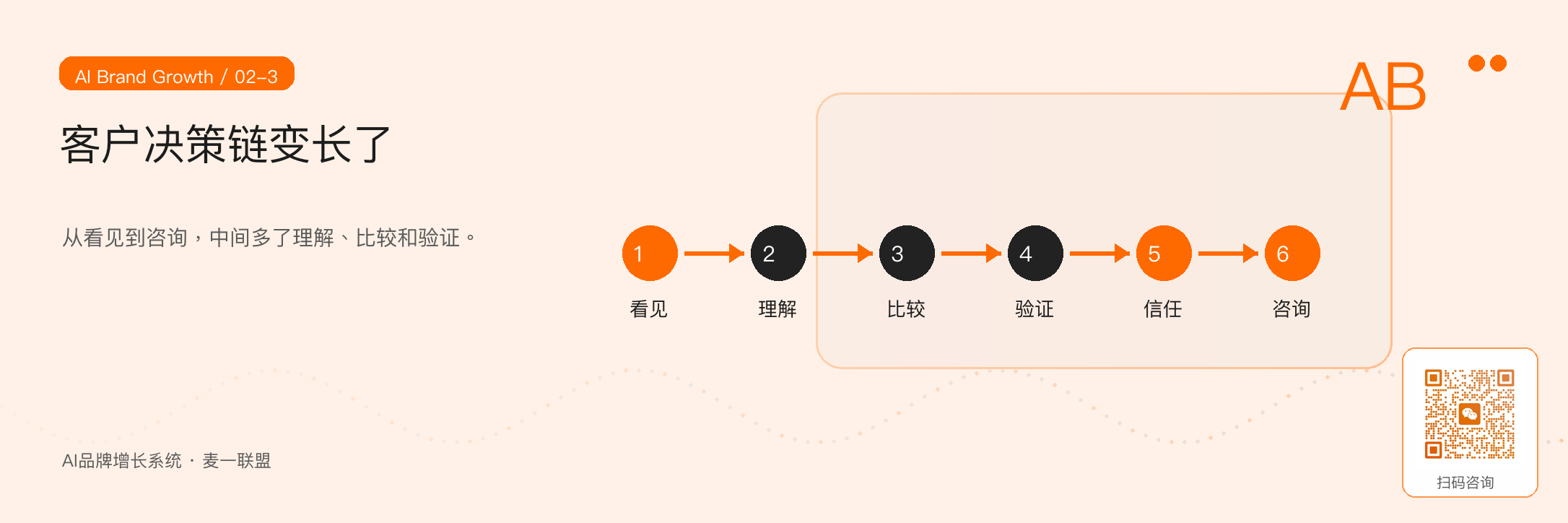
Figure 3: Between seeing an ad and making an inquiry, customers go through a longer verification journey
04 | Why some brands become stronger with the same advertising budget
Given the same RMB 100,000 advertising spend, some businesses turn it into customers, cases, content and repeat purchases, while others receive only a batch of cold leads. The difference is not just the media buyer or the creative. It lies in the foundation of the brand's growth system. With a strong foundation, every exposure feeds into content, owned channels, sales and review. With a weak one, each exposure stops at a click, an inquiry or a quote.
A strong foundation shows up in four ways: customers can immediately understand who you are; see that you understand their problem; find enough evidence to trust you; and receive consistent follow-through once a conversation begins. A break in any of these four links dilutes ROI. Advertising brings customers to the door. The order inside determines whether they want to sit down.
This also explains why some businesses become stronger as they advertise. Advertising is not an isolated action; it continually generates data about which problems resonate, which audiences are a closer fit, which content builds trust and which cases help advance a sale. Every campaign feeds the system. By contrast, businesses with weak systems can become more dependent on platforms and discounts the longer they advertise.
More importantly, businesses with strong foundations turn campaign results into lasting assets. A customer problem associated with high conversion can become a content series; a typical question can become a sales FAQ; and a genuine completed sale can become evidence for the next creative. Advertising then becomes more than a one-off expense: it adds to the brand's accumulated basis for trust.
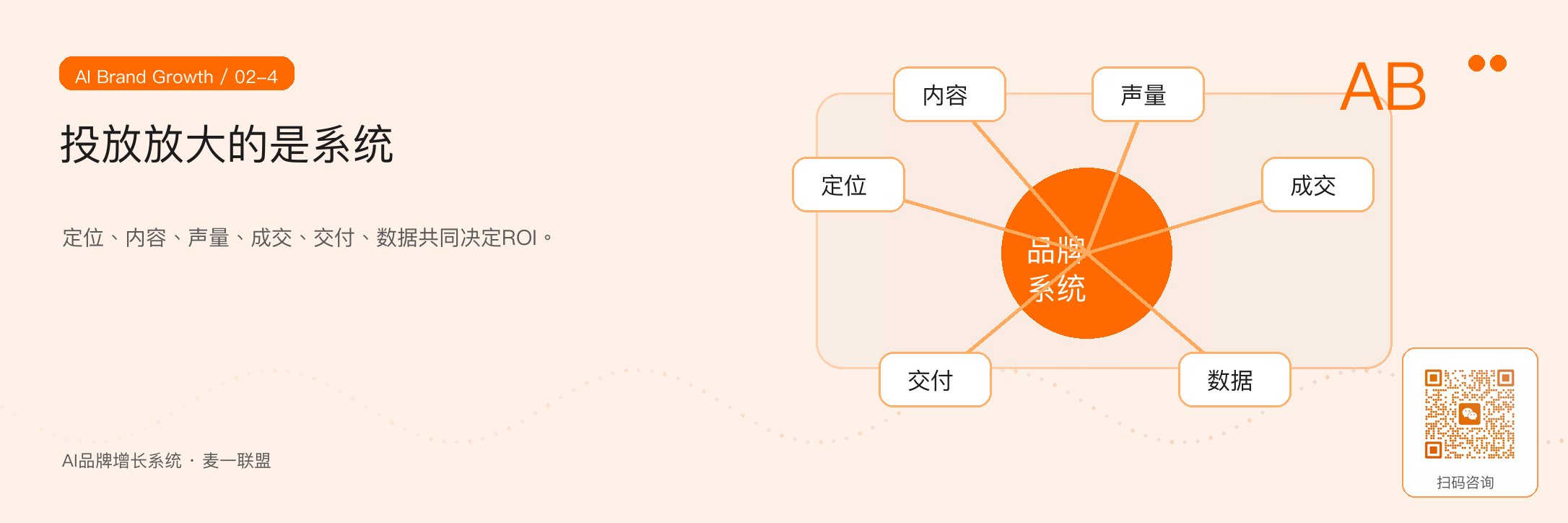
Figure 4: Advertising amplifies the brand growth system's own ability to follow through
05 | AI can change ROI, but its role is not just to write more ad variants
When businesses discuss AI-assisted advertising, their first thought is often to produce more scripts, images or edited videos. That can improve output, but treating AI only as a creative-production machine also means producing low-quality content faster. More content can make customer judgment harder; more scattered messaging makes the brand harder to remember.
AI should first help complete the system: organize customer questions, clarify brand perspectives, structure case evidence, build a content-topic library, retain sales FAQs, review campaign data and develop a brand knowledge base that improves over time. AI output becomes a growth asset only when the business knows whom it is addressing, what it needs to say, what evidence supports it and where it wants to take the customer next.
In other words, AI is not there to make your advertising shout louder. It helps explain the reasons customers should choose you more clearly, consistently and repeatably. Once those reasons become part of a system, creative can become more focused, sales conversations more consistent, and owned-channel content more purposeful.
For owners, the most valuable step is not chasing every new tool. It is first giving AI access to the business's accumulated experience: why past customers bought, why lost customers left, why existing customers returned, what sales is asked most often, and which aspects of the product are most easily misunderstood. AI becomes part of business operations when that knowledge is organized into a usable brand knowledge base.

Figure 5: AI should first help build a brand knowledge base, then amplify creative and content production
06 | A pre-campaign diagnosis starts with four questions
In MAIYI ALLIANCE's AI Brand Growth Diagnosis, we generally do not begin by asking how much you plan to spend. Budget matters, but what matters more is whether it will be wasted once it enters the system. Four questions come first: can customers understand your value within ten seconds of seeing you? Can they find sufficiently credible content and cases when they want to check your claims? Can sales follow a consistent line of reasoning when customers inquire? And after each campaign, can the data improve content and product communication?
These questions correspond to positioning, content, sales follow-through and review. Unclear positioning buys attention from poorly matched audiences. Insufficient content leaves customers watching from the sidelines. Weak sales follow-through uses up leads in unproductive conversations. Without review, each new campaign starts from zero. Many ROI problems are not caused by a poorly configured setting in the ad account, but by these four foundations failing to connect.
The purpose of a pre-campaign diagnosis is therefore not to slow a business down, but to reduce ineffective acceleration. Filling gaps in trust assets, content journeys and sales follow-through before increasing traffic gives the budget a better basis for more predictable growth.
If the answers to all four questions are unclear, we do not recommend immediately increasing the budget. First spend one to two weeks reviewing the system: rewrite the core value proposition, cover frequently asked questions, organize three representative customer cases, and align sales responses. Then test the feedback with a small budget. This may look slower, but it lays the groundwork for later expansion.
07 | Before asking how much to spend, ask whether the system can handle the response
Growth competition today is no longer just about who buys traffic more effectively. It is about who turns traffic into trust assets. Advertising still matters, but it needs to sit within a more complete system: clear positioning at the start, sustained content in the middle, credible cases and sales follow-through afterward, and AI supporting ongoing review and improvement underneath.
Businesses that continue to view ROI through the old logic become increasingly anxious: every platform looks like an opportunity, every decline like a crisis, and every increase in volume like luck. Once a business begins building an AI Brand Growth System, advertising becomes more than spending money to buy results. It becomes a continuing process of testing customer perceptions, improving brand communication and accumulating trust assets.
So, starting today, do not ask only how much to spend. First ask: is our brand clear enough? Is our content credible enough? Is the customer journey smooth enough? Is sales follow-through consistent enough? Is AI already part of review and production? With answers to these questions, advertising ROI can depend less on temporary platform advantages and more on the business's own system capabilities.
A more dependable basis for growth does not come from one creative going viral or one platform suddenly providing favorable conditions. It comes from infrastructure that continually learns, communicates and supports customer trust. That is the problem the AI Brand Growth System aims to address: helping each exposure add to understanding, each conversation retain experience, and each campaign move the business closer to being chosen repeatedly.
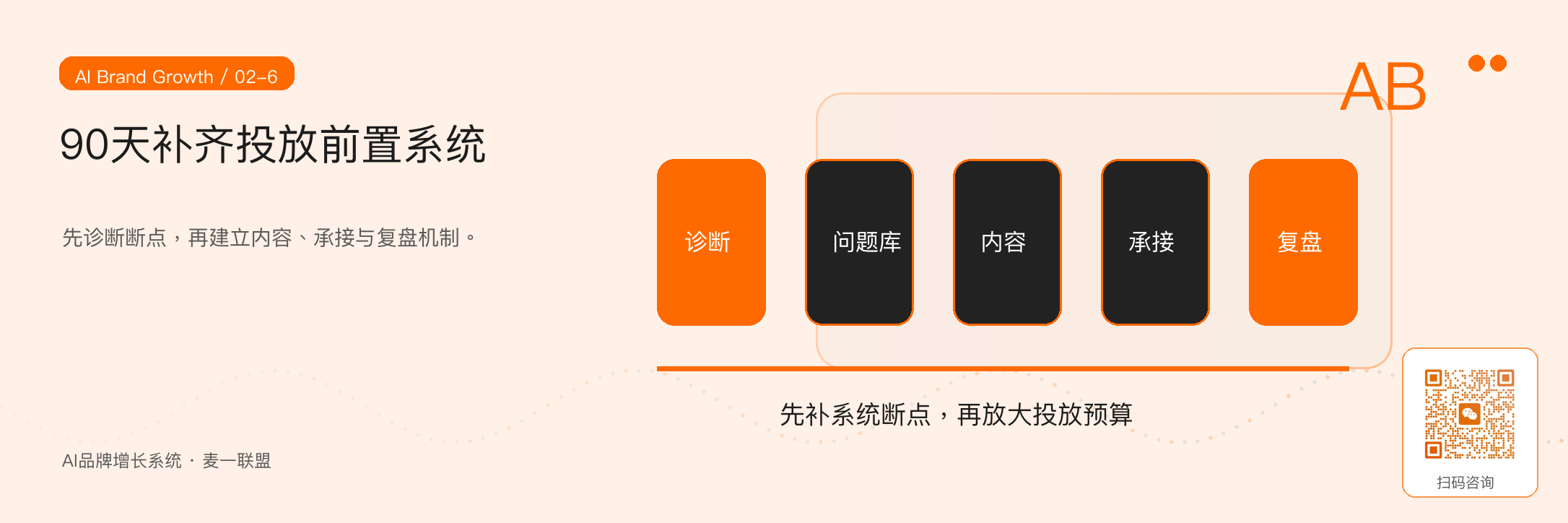
Figure 6: Pre-campaign diagnosis aims to put the budget into a functioning system before scaling it
AI Brand Growth Diagnosis If you are also facing falling advertising ROI, rising customer-acquisition costs or a disconnect between content and campaigns, you can begin with an AI Brand Growth Diagnosis. Identify gaps in positioning, content, follow-through and review before deciding how to scale the next campaign. Meaningful growth is not about spending faster, but about helping each exposure contribute to customer trust. |