Traffic but No Orders? The Missing Ability to Be Chosen Consistently
AI Brand Growth System, Article Four | From Gaining Attention to Making the Customer's Choice Easier. Original illustrations retain Chinese text.

Core assessment Many businesses do not lack traffic entirely. Instead, they struggle to serve people once they arrive: customers see them but do not understand them; understand them but do not trust them enough; or become interested but take no further action. What is truly scarce is not a single moment of exposure, but a systematic ability to keep helping customers understand, trust and choose you. |
01 | Define the Problem First: Traffic Does Not Necessarily Bring Orders
Many business owners attribute growth problems simply to a lack of traffic. Yet in our diagnostic work, we often encounter another situation: accounts receive exposure, ads receive clicks, people view WeChat Moments posts, and events generate inquiries, but sales remain inconsistent. On the surface, the business is active, reaches people and gets leads, yet it still gets stuck at conversion.
This shows that growth is no longer simply a traffic problem. Traffic determines whether customers can see you; a sale depends on whether they are willing to choose you. There is a long path between the two: do customers understand you, believe you, consider you more suitable than the alternatives, feel willing to accept the risks of working together, and know how to begin?
Without systematic design of that path, even substantial traffic becomes a one-time expense. Customers see you today and forget you tomorrow; click through today and compare someone else tomorrow; express interest today but hesitate when it is time to pay. The issue may not be poor targeting. Your brand may simply lack a reason to choose you that feels sufficiently clear, credible and low-risk to the customer.
Article 4 therefore addresses something more fundamental than obtaining a little more traffic: why do customers still not choose a business they have already noticed? When businesses focus only on traffic sources, they keep looking for new platforms, ad buyers and tactics. When they examine the decision journey, they begin to see that the real gaps lie in communication, content, evidence and support for the next step.

Figure 1: Traffic without orders often indicates that the growth challenge has shifted from acquisition to supporting customers after arrival
02 | Customers Often Have a Need Even When They Do Not Place an Order
Businesses easily misread customer silence. Not placing an order does not necessarily mean having no need; not replying does not necessarily mean lacking interest; and not paying immediately does not necessarily mean the price is too high. Often, the customer has simply not finished evaluating the choice.
Customers may have many questions at once: what problem does this company actually solve? How is it different from competitors? Are there real examples of its work? Is its delivery process reliable? Could paying now lead to a bad experience? What happens if the results are unclear? The owner speaks convincingly, but can the team implement the work? Without answers in advance, customers may decide to keep waiting.
This is why salespeople often perceive customers as unresponsive. In reality, customers may lack complete information, sufficient trust or reassurance about risk. Before buying, what they most need is not another reminder, but help reducing the effort and uncertainty involved in choosing.
The AI Brand Growth System describes this as an excessively high cost of choosing. The less customers understand, the harder the choice; the less evidence they have, the greater the perceived risk; and the less they know about getting started, the more resistance they feel toward action. A sale is not about forcing customers into a decision, but helping them naturally feel that choosing you is clearer, more credible and safer.
This also explains why more intense sales activity can make customers more defensive. They need less uncertainty, not more promises. The more clearly you explain the problem and your methods, show relevant cases, and simplify the collaboration process, the easier it is for customers to make you a priority option.
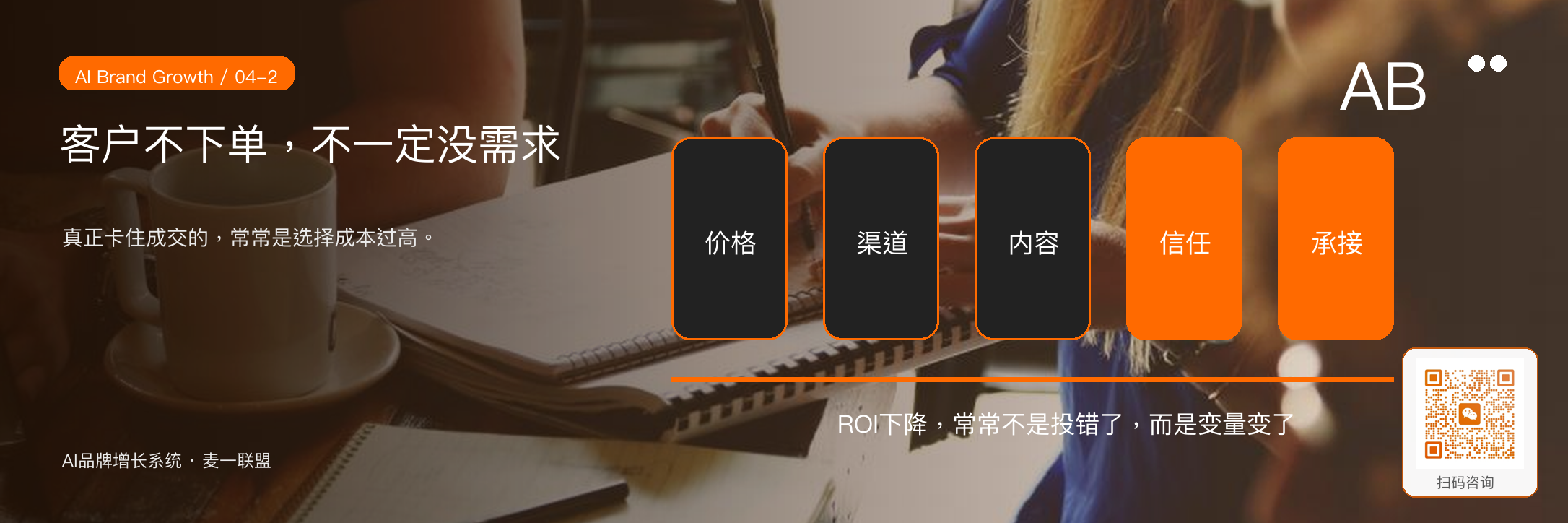
Figure 2: A customer who does not order may still have a need; the cost of choosing may simply remain too high
03 | Traffic Brings Attention; the Brand Provides Reasons to Choose
Traffic matters, but its limits are clear. It can bring customers to you without automatically helping them understand you. It can create an initial encounter without automatically establishing trust. It can bring opportunities for inquiries without automatically reducing the risk customers perceive.
What makes customers choose you is a complete set of brand reasons. This is not a slogan or a poster. It is built from clear positioning, consistent content, real cases, professional methods, understandable delivery and coherent communication. Only after encountering the same answer repeatedly across different touchpoints do customers gradually conclude that this company is worth talking to.
This is precisely where many businesses struggle. They devote substantial resources to acquisition without building the trust needed afterward. Their ads sound compelling, but their profile page cannot support the message. They publish plenty of content, but the central proposition varies. Salespeople work hard, but each explains a different priority. There are some cases, but they have not been organized into evidence customers can understand.
Traffic then flows in like water and flows straight out again. The business thinks it needs more water, when it actually needs a system that can retain it. That system is not a single page or sales script. It means that every encounter with the business gives customers a clearer basis for judgment, fuller evidence and a smoother next step.
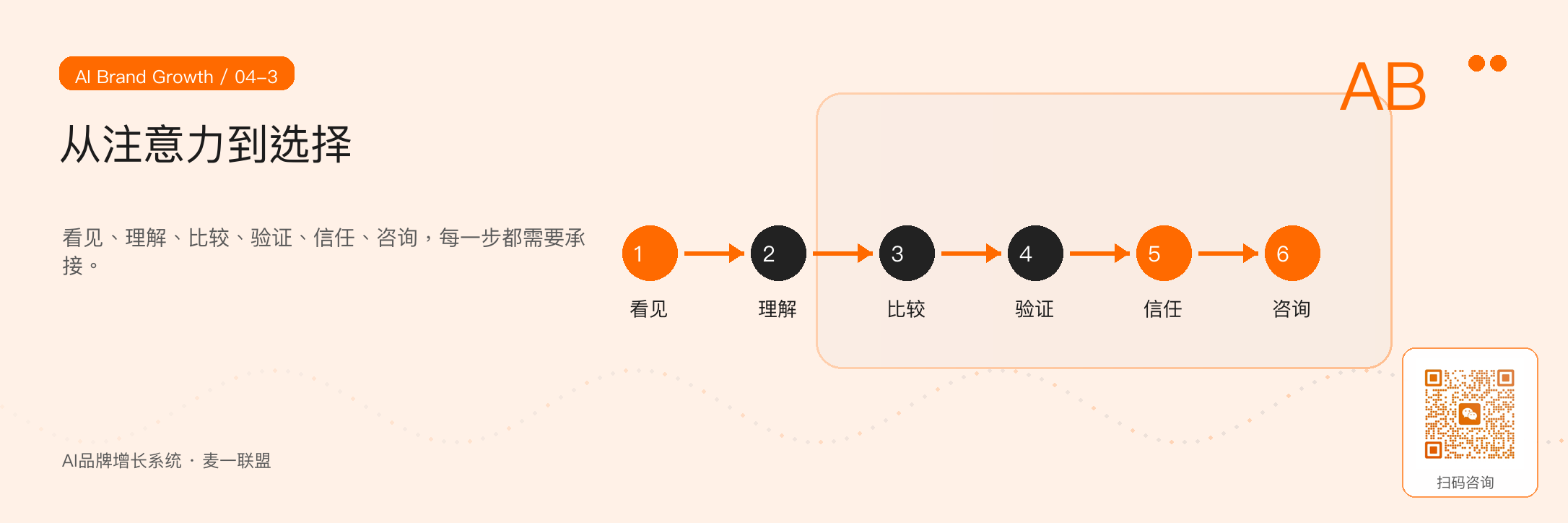
Figure 3: Moving from attention to a sale requires a continuous sequence of understanding, comparison, verification and trust
04 | What Do Customers Evaluate Before Choosing a Company?
Before choosing a company, customers usually evaluate five things. First, do you understand their real problem? Second, do you have a method for solving it? Third, do you have verifiable results? Fourth, are you trustworthy? Fifth, is working with you sufficiently convenient, controllable and low-risk?
These five judgments require a complete set of content and evidence, not an isolated sales line. Through articles, short videos, cases, WeChat Moments, the website, sales materials, customer reviews and the founder's communication, customers gradually assemble an overall view of you. Every touchpoint can either strengthen or weaken that view.
If your content only introduces products, customers may struggle to tell whether you understand them. If your communication offers opinions without cases, they may struggle to assess your ability to execute. If cases show outcomes without the process, customers may not know whether the approach could work in their own situation. If the inquiry route is unclear, even interested customers may not take the next step.
Businesses therefore need to design customer evaluation as a journey. Customers do not buy merely because they see you. Each gain in understanding or trust, and each reduction in concern, can improve the likelihood of being chosen. Many details of brand growth ultimately return to one question: are you consistently helping customers make a more confident judgment?
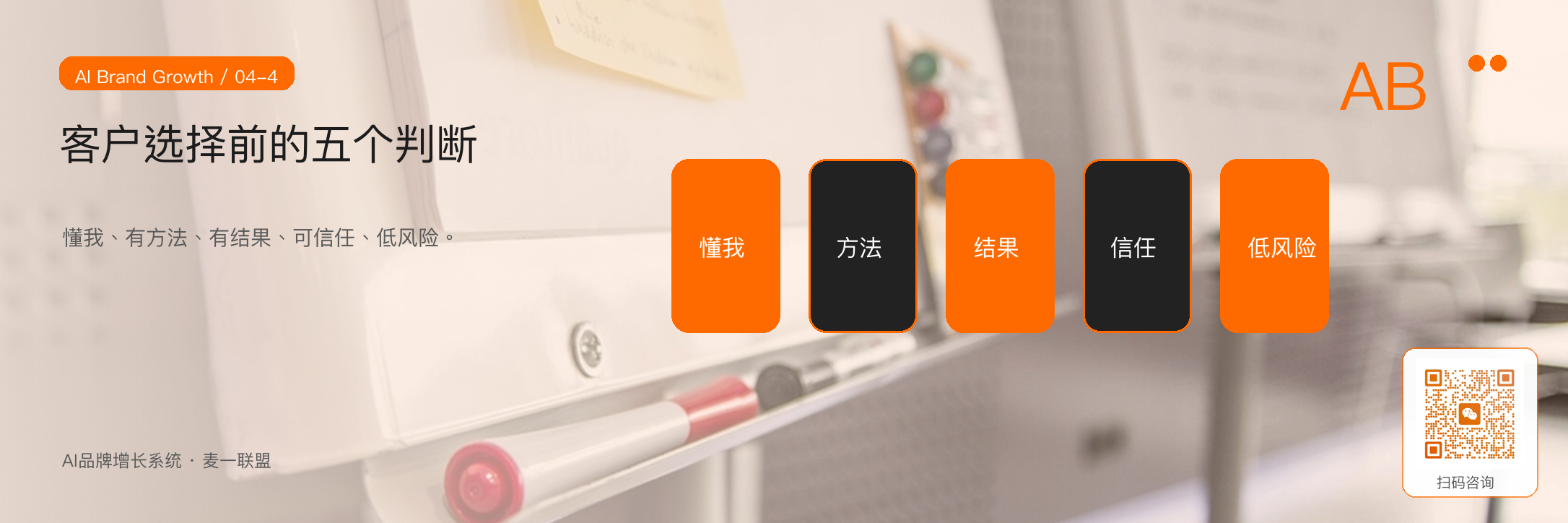
Figure 4: Customers typically make five key judgments before choosing a company
05 | AI Can Help Organize the Reasons to Choose You
AI's value here goes beyond helping businesses write more content. It can help organize their reasons to be chosen into a system. Much important experience has traditionally remained scattered across the owner's knowledge, sales conversations, project reviews and customer feedback. It is valuable, but has not been organized into brand assets that can support trust over time.
AI can help create a customer question library: what do customers ask most often, worry about most, misunderstand most easily, and find most obstructive to a purchase? It can also help build a case library: what problem did each case solve, what approach was used, why did the customer choose you, and how were the results verified? AI can then turn this material into articles, short-video scripts, sales Q&A, owned-channel materials and diagnostic forms.
Once these assets are organized, businesses no longer have to rely solely on salespeople's improvisation or the owner's repeated explanations. Content can educate customers before an inquiry; salespeople can draw on consistent evidence during conversations; and experience from completed projects can inform the next round of content and advertising.
This is what the AI Brand Growth System is intended to address: turning a company's expertise, cases, methods and reputation from scattered experience into growth infrastructure that can be reused, improved and continually applied to reducing the cost of customer choice. Content does not end when it is published, sales communication does not end when the conversation stops, and a project does not end with delivery. Each can inform the next customer's decision.
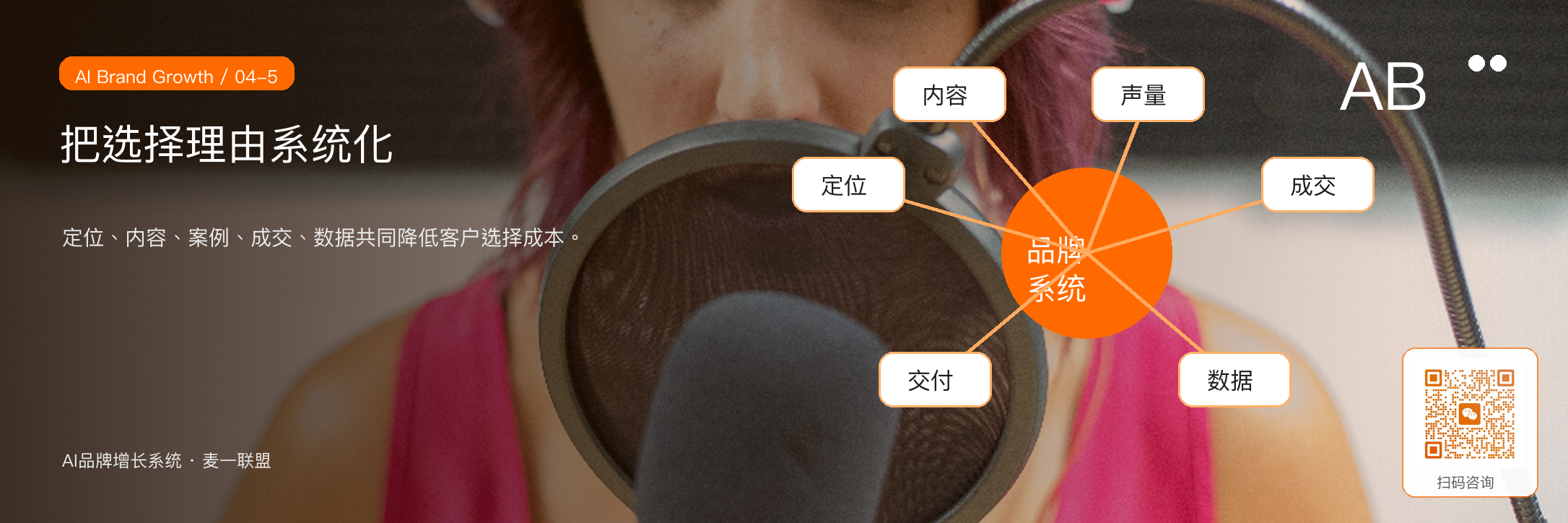
Figure 5: The AI Brand Growth System organizes a company's reasons to be chosen into reusable assets
06 | MAIYI ALLIANCE First Examines Three Gaps: Understanding, Trust and Action
In MAIYI ALLIANCE's AI brand growth diagnosis, when a business says it has traffic but no orders, we usually examine three gaps first. The understanding gap: can customers quickly grasp who you are, whom you serve and what problem you solve? The trust gap: can customers find enough content, cases, reviews and methods to verify your claims? The action gap: once interested, can they easily make an inquiry, obtain materials or book a diagnosis?
An understanding gap makes attention superficial: customers see you but do not know how you relate to them. A trust gap leaves inquiries hesitant: customers are interested but do not feel ready to proceed. An action gap loses opportunities: customers want to learn more, but unclear entry points, complicated processes or insufficient information lead them to give up.
These three gaps often reflect a disconnected brand system rather than a problem with one role. Positioning, content, cases, sales, owned channels and the AI knowledge base are not coordinated. Acquisition communicates one message and the follow-up experience another, forcing customers to work out the meaning again at every step.
Meaningful improvement is not just changing one ad or replacing a poster. It requires identifying the key judgments customers make from discovery to inquiry and from inquiry to purchase, then supplying the necessary content, evidence and action routes at each point. The better these points are designed in advance, the less salespeople need to improvise solutions and the less likely customers are to drop out at critical moments.
07 | Start Turning Traffic into a Greater Likelihood of Being Chosen
If a business already has some traffic but still lacks consistent orders, the first priority is not necessarily to increase the budget. Instead, check whether that traffic is helping customers understand the business, whether understanding is building trust, and whether trust is leading to clear action. If not, adding more traffic merely magnifies the gaps.
Start with a simple self-check. Put together the pages, content, cases and inquiry routes customers encounter first, and ask seven questions: can customers immediately understand you? Can they see whom you suit? Can they find real evidence? Can they understand your method? Do they know how to begin? Do they feel less exposed to risk? Will they remember you after leaving?
If those seven answers are unclear, the missing capability is not traffic, but the ability to be chosen consistently. That ability combines clear positioning, a content system, evidence that supports trust, support for the purchase journey, and AI-assisted review.
Future growth is not simply about capturing attention briefly, but about turning each moment of attention into a greater likelihood of being chosen. Every time customers see you, they understand you a little better. Every encounter adds a little trust. Every comparison makes it easier to consider you a priority option. Such brands can continue to be chosen in the AI era. Traffic fluctuates and platforms change, but the ability to be chosen consistently can become a business's most dependable growth asset.
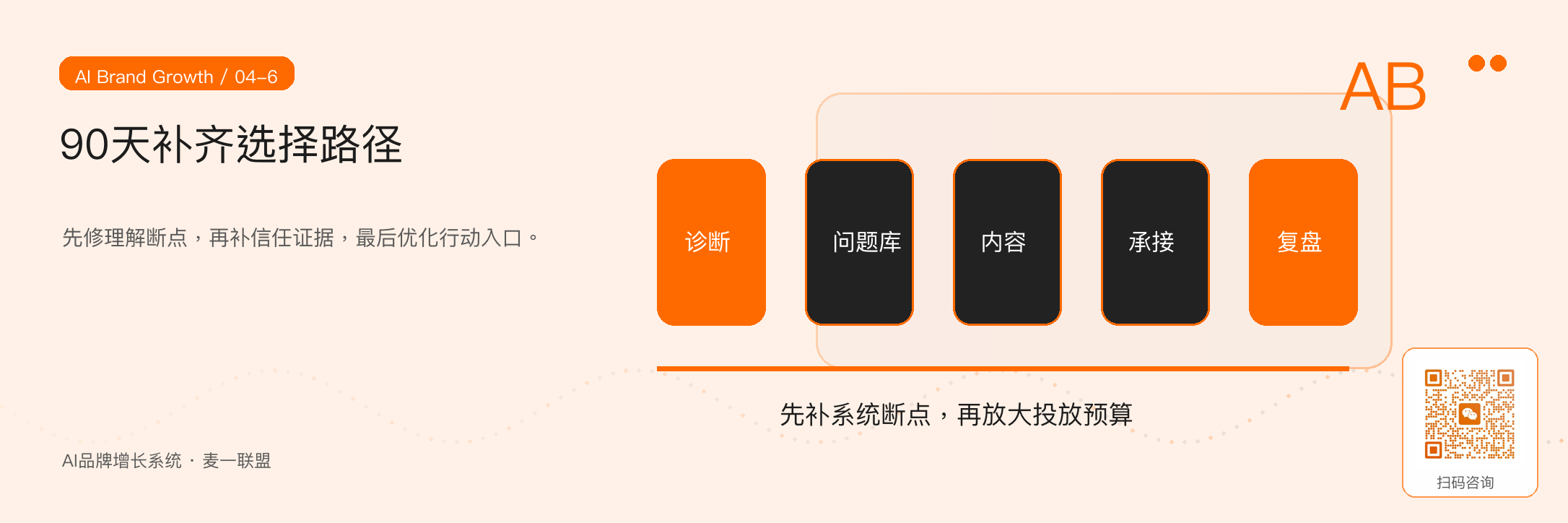
Figure 6: A 90-day decision-journey improvement plan addressing gaps in understanding, trust and action step by step
AI Brand Growth Diagnosis If your business receives exposure and inquiries but still lacks consistent sales, begin with an AI brand growth diagnosis. Identify the gaps in understanding, trust and action before deciding how content, advertising, owned channels and sales should work together. Growth is not only about reaching more people, but also about making it easier for the right people to choose you. |