Trust Comes Earlier: Customers Judge You Before Meeting You
AI Brand Growth System, Article Five | Buying Decisions Begin Long Before the Sales Conversation. Original illustrations retain Chinese text.

Core assessment Customers do not begin evaluating you only when they make an inquiry. They have already made an initial trust assessment while viewing content, searching for the brand, reading cases, observing WeChat Moments and comparing competitors. Businesses therefore need more than closing scripts: they need to build trust before a salesperson enters the conversation. |
01 | Customers Start Evaluating You Before They Inquire
Many businesses assume that an inquiry is the beginning of a sale. Teams consequently devote substantial effort to sales scripts, proposals and closing tactics, believing that more persuasive salespeople will make customers more likely to buy. Today's reality is different: before contacting you, customers have often already seen a great deal of your material and quietly formed an initial judgment.
They may have read your WeChat articles, encountered your short videos, visited your profile, searched for your brand, reviewed your cases or even asked friends or AI to compare you with competitors. By the time they inquire, they are not starting from a blank slate. They bring existing impressions, expectations and doubts into the conversation.
The difficulty of a sales conversation is therefore often established before the conversation begins. It comes from everything the customer has already seen: whether your message is clear, your content professional, your cases credible, your founder's judgment sound and your service process reassuring. A stronger foundation of trust makes the later sale easier; a weaker foundation makes selling harder.
This is what it means for trust to come earlier. Customers are not persuaded solely by an improvised sales pitch. They are gradually informed, qualified and influenced by content, evidence and touchpoints they encounter beforehand. The sooner a business recognizes this, the less pressure it places on the final conversation, and the more carefully it manages each moment of evaluation before a customer meets sales.
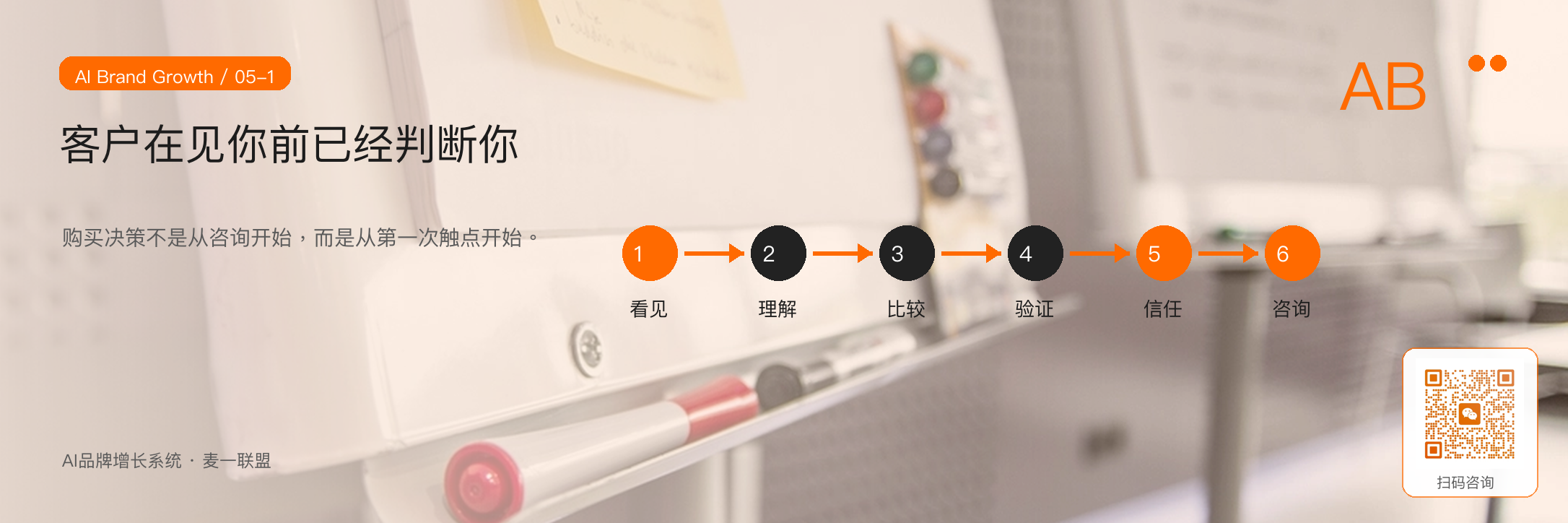
Figure 1: Building trust earlier recognizes that customers assess a brand before making a formal inquiry
02 | Selling Feels Harder Because Evaluation Happens Earlier
Many sales teams find customers harder to engage today. Customers are more cautious, compare more options, ask more detailed questions and more easily fall silent. Previously, they might listen to an introduction first. Now they often arrive with questions: how are you different? Why should I trust you? Do you have a case like mine? How are outcomes verified? What happens if the fit is wrong?
This is not simply customers becoming demanding. They have more tools for making judgments. Search, short videos, WeChat articles, Xiaohongshu, recommendations from friends and AI Q&A enable them to learn in advance. With more information available, customers are less willing to hand the entire decision over to a salesperson. They observe you first, then decide whether to offer an opportunity for a deeper conversation.
The pressure to convert is consequently moving earlier, from the sales conversation to brand touchpoints. Sales still matters, but it needs a stronger starting point of trust. If customers already understand, recognize and trust you before inquiring, sales can help them complete a decision. If nothing has been established beforehand, sales must explain, demonstrate credibility and reduce perceived risk from scratch.
Businesses can no longer treat conversion simply as a technique used at the final step. It is a system that begins with the first piece of content, exposure or search. Mature growth does not wait until customers arrive to explain the business. It continuously informs them beforehand, so they already know who you are, why you are credible and whether you suit their needs.
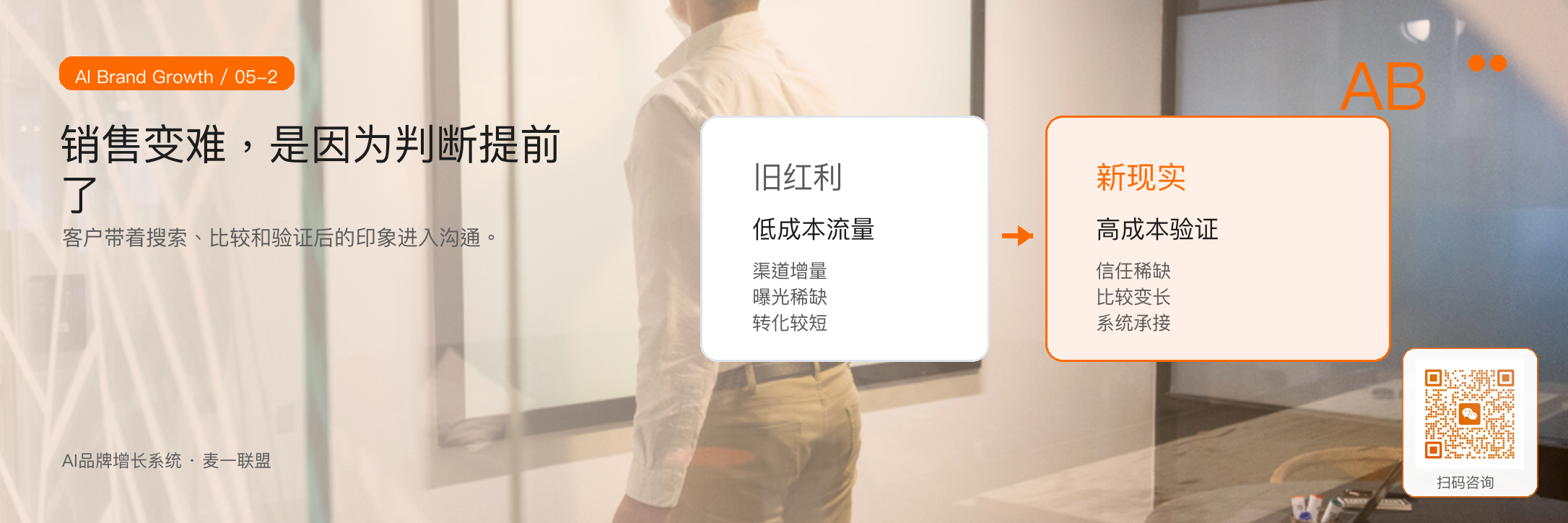
Figure 2: Selling often becomes harder because customers have already begun making judgments
03 | Earlier Trust Is Built Across Five Key Touchpoints
Before meeting you, customers typically pass through five key touchpoints. The first is content: how you describe problems, explain methods and express your understanding of the industry. The second is your profile or home page: who you are, whom you serve, what problem you solve, and whether customers can grasp it within ten seconds.
The third is search: customers look up the brand, founder, products and relevant keywords to see whether there is a consistent information presence. The fourth is cases: they look for real customers, real processes and real outcomes, rather than attractive slogans alone. The fifth is human communication: they observe the founder, team, WeChat Moments and everyday content to see whether real people and consistent judgment stand behind the brand.
Together, these five touchpoints shape the customer's initial level of trust. With high initial trust, customers enter the conversation more willing to listen. With low initial trust, they bring defensiveness, doubts and a focus on price comparison. The same sales effort can therefore lead to very different results.
This also explains why some businesses have relatively high acquisition costs yet better sales efficiency. Before arriving, customers have already been warmed up, informed and helped to assess fit across several touchpoints. Sales receives not wholly cold leads, but prospects already partly informed by content and evidence.
From a management perspective, building trust earlier is not a cosmetic branding project. It is work on sales efficiency. It directly affects the rate of qualified inquiries, conversation length, acceptance of quotes, the sales cycle and the likelihood of repeat purchases. The earlier customers establish trust, the less the later sales process needs to rely on low prices and persistent reminders.
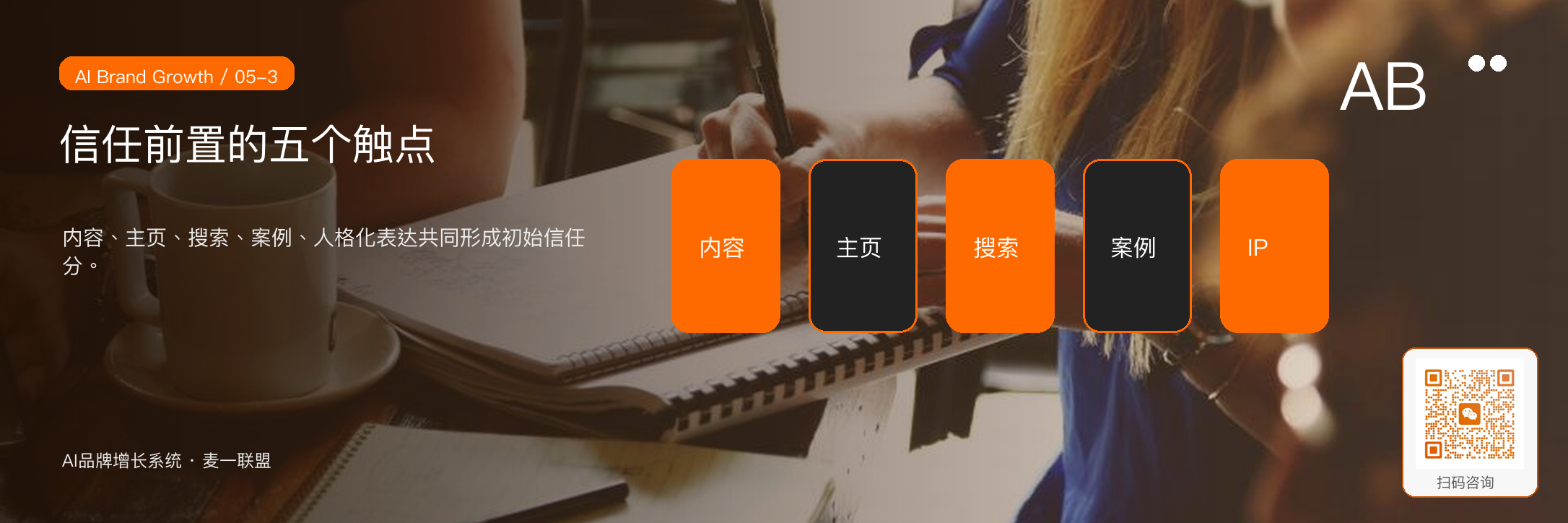
Figure 3: Content, the home page, search, cases and human communication together shape initial trust
04 | Common Trust Gaps Arise Before Sales, Not During It
It is unfair to blame every conversion problem on sales. By the time a salesperson receives an inquiry, earlier touchpoints have already influenced the customer's trust. If customers cannot understand the home page, find cases or follow inconsistent content and brand claims, even a diligent salesperson must first repair those earlier gaps.
There are four common trust gaps. First, lack of understanding: customers cannot tell what problem you solve. Second, lack of evidence: they understand the value but cannot find cases, reviews or proof of the process. Third, inconsistent communication: ads, articles and salespeople tell different stories, leaving customers unsure which to believe. Fourth, unclear entry points: customers are interested but do not know whether to inquire, obtain materials, book a diagnosis or buy directly.
Each gap can make customers stop. They may never explain why; they simply leave and continue comparing alternatives. The business sees fewer leads, low conversion or unresponsive customers, while the underlying issue is a failure to build trust continuously.
Improving early trust therefore means more than posting a few extra WeChat Moments updates or making a script more provocative. It requires mapping each judgment between a customer's first encounter and first inquiry, and supporting every step with clear content and credible evidence.
This is especially important for high-value services, B2B partnerships, consulting and training, brand services and AI implementation projects, where customers face greater decision risk. They may want to buy but cannot do so lightly. Helping them understand the problem and approach, and verify capability in advance, reduces the risk they perceive in working with you.
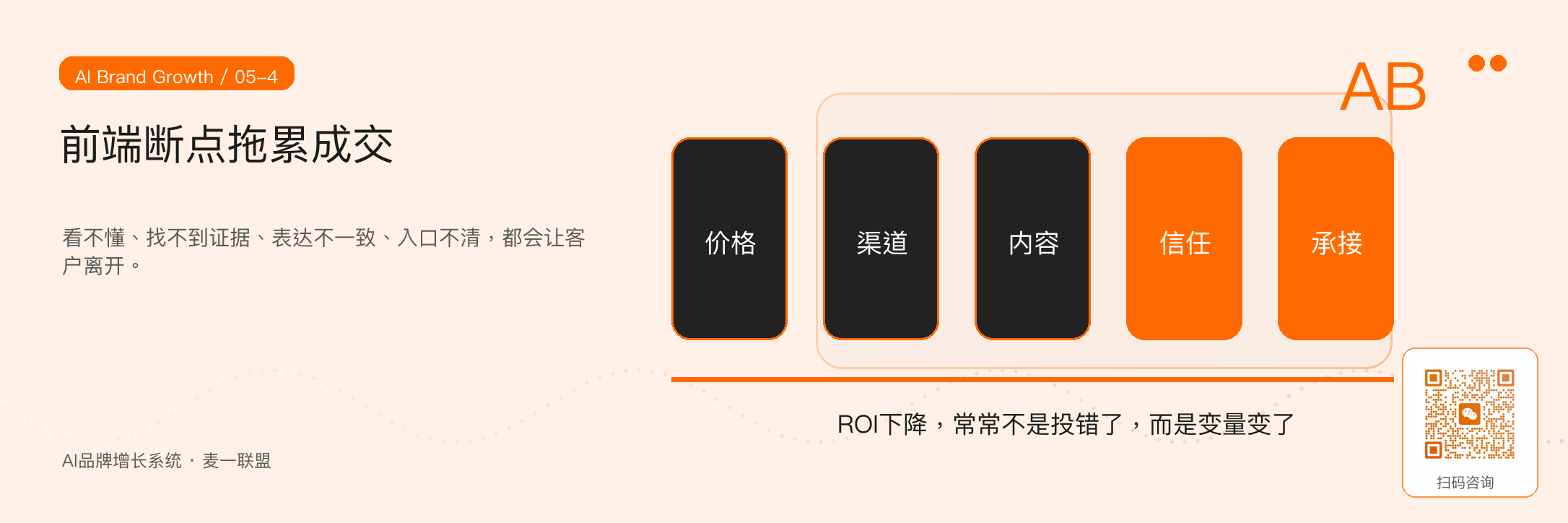
Figure 4: Trust gaps often occur before a sales conversation rather than within it
05 | AI Can Help Put Trust Assets in Place Earlier
AI's role in building trust earlier goes beyond writing copy, making posters or editing video. More importantly, it can help organize scattered business experience into a set of assets that supports the ongoing development of trust.
For example, AI can organize past inquiries into a customer question library, sales objections into content topics, project reviews into case structures, delivery processes into service explanations, and the founder's views into a library of brand propositions. The business can then build trust consistently around the questions customers care about most, instead of relying on momentary inspiration for content.
AI can also help adapt material for multiple touchpoints. One case can become an in-depth WeChat article, a short-video script, a set of WeChat Moments materials, a sales document and an owned-channel Q&A. Across different platforms, customers then encounter varied expressions of the same credible reasoning rather than unrelated fragments.
A mature AI content factory does not merely produce more noise. It places trust-supporting evidence where customers will encounter it. Before meeting sales, customers have already seen the problem explained, the method described, case evidence and a route to action. Sales no longer has to start from zero.
This is also a major difference between AI-assisted and traditional content production. Traditional workflows often depend on people finding topics, inspiration shaping drafts and editors scheduling publication. An AI content factory can produce continuously around the customer's decision journey: explain what worries customers, provide supporting evidence for what they question, and offer a clearer diagnostic entry point when they do not know how to begin.
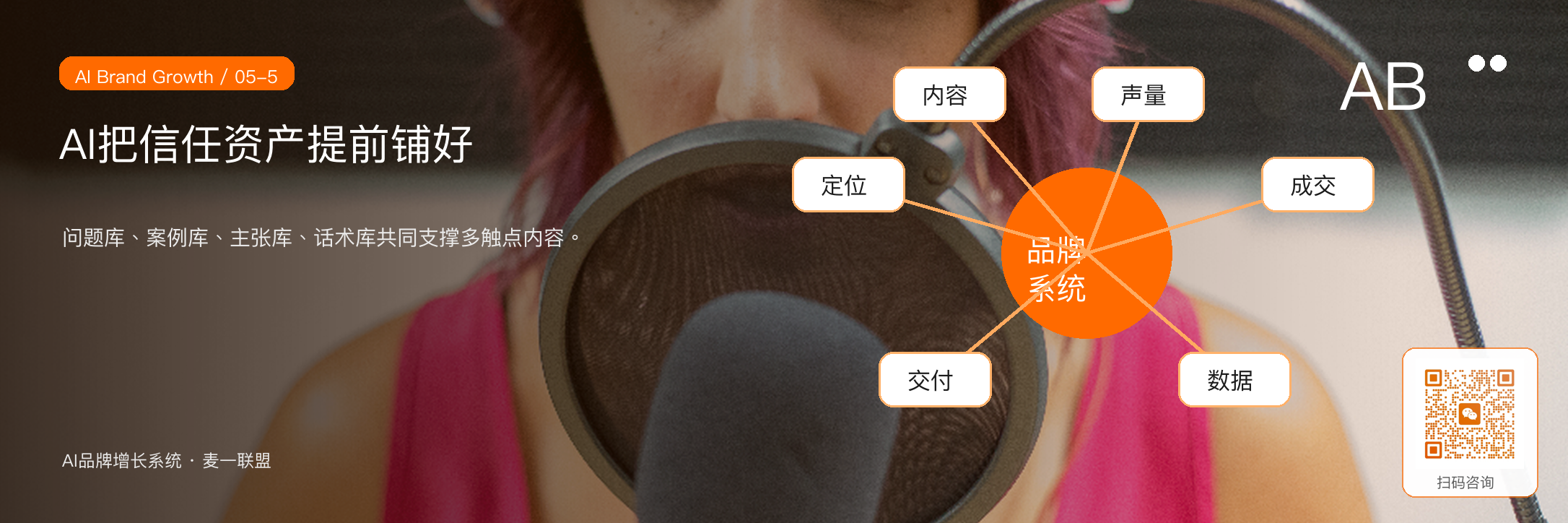
Figure 5: The AI Brand Growth System can organize business experience into reusable assets that support trust
06 | MAIYI ALLIANCE's Three Components for Building Trust Earlier
Within MAIYI ALLIANCE's AI Brand Growth System, we generally use three components to build trust earlier: a customer question library, a trust evidence library and an inquiry follow-up path. All three are necessary.
The customer question library addresses whether you understand the customer. Businesses need to organize the questions customers ask most, worry about most, misunderstand most easily and consider most important to a purchase, then turn them into content series. The trust evidence library addresses why customers should believe you. Cases, customer feedback, methods, service processes, delivery boundaries and interim results need to become evidence that can be shown and reused.
The inquiry follow-up path answers what happens next. Once interested, customers should see clear routes to materials, diagnosis and inquiry, together with a clear communication process. Customers should not have to guess, and salespeople should not have to improvise the explanation every time. The clearer the path, the easier the first step becomes.
Once these three components are established, an important shift occurs in how the business approaches growth. Content becomes more than communication, cases more than displays of work, and sales more than explanation. They begin working together toward one purpose: establishing trust before a customer formally meets you.
This is the system-level value MAIYI ALLIANCE emphasizes. A single piece of content may earn attention and a single case may persuade, but a dependable ability to build trust requires the customer question library, trust evidence library and inquiry follow-up path to keep working together.
07 | Start Putting Trust Before the Sale
If customers seem more cautious, inquiries less engaged and silence after a quote more common, do not rush to replace the sales script. First ask whether customers can make a basic assessment through public touchpoints before contacting you.
Can they understand who you are and what problem you solve? Can they find real cases and clear methods? Can they see consistent professional communication over time? Do they know how to begin? If those answers are unclear, the sales conversation must carry too much trust-building work that should have happened earlier.
Consider a 90-day plan to rebuild the early-trust system: use the first 30 days to organize customer questions and common objections; the next 30 to assemble cases, methods, processes and reviews into an evidence library; and the final 30 to place these assets across WeChat official accounts, Channels, Moments, sales materials and inquiry entry points. Use AI to keep reviewing which content best supports inquiries.
Brand growth in the AI era is not about waiting for customers to arrive and then trying hard to persuade them. It is about helping them repeatedly see, understand, verify and trust you beforehand. Strong brands are often not those with the most eloquent salespeople, but those whose customers already have a clear judgment before meeting sales: this company is worth a conversation.
As that judgment becomes more consistent, the business no longer starts every sale from scratch. Each piece of content, case, review of experience and customer evaluation becomes a trust asset for the next purchase decision. The earlier trust is built, the less growth depends on luck.
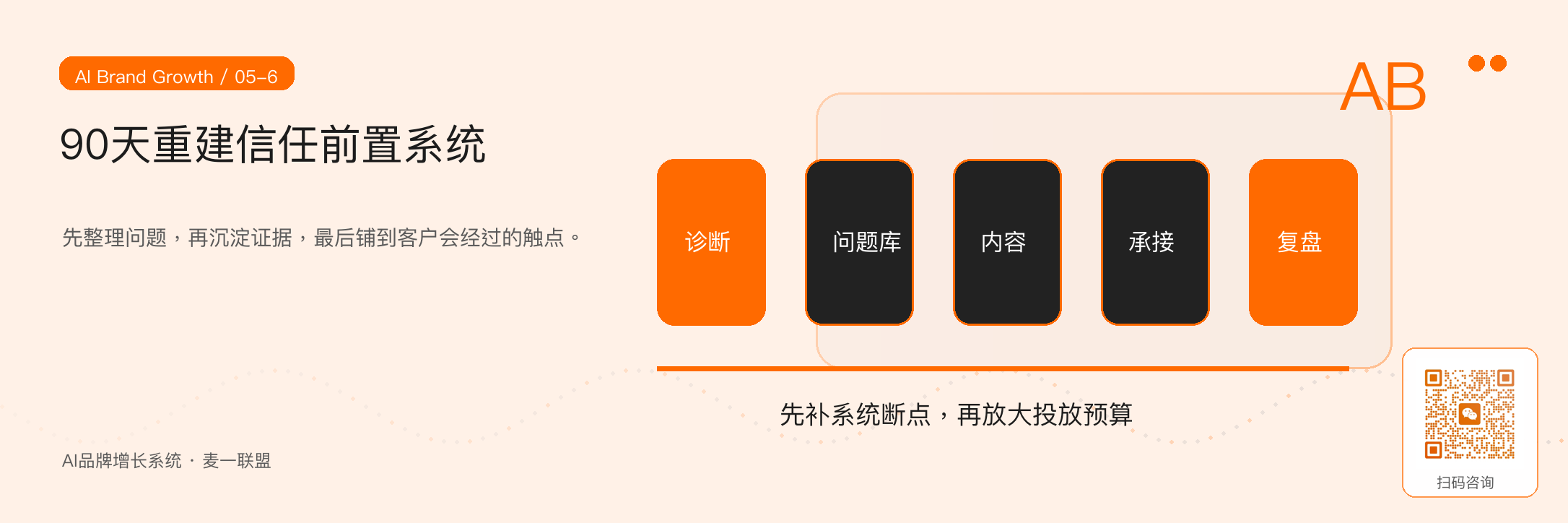
Figure 6: A 90-day early-trust development plan covering question libraries, evidence libraries, touchpoint distribution and data review
AI Brand Growth Diagnosis If your sales team is finding the work harder and customers are becoming more cautious, start with an AI brand growth diagnosis. Identify the touchpoints customers encounter before meeting you, where trust is not being established, and which content and evidence need to be provided earlier. Building trust earlier can make the later sale more natural. |