Why Is Turning Traffic into Conversions Harder? The Logic of Growth Has Changed
AI Brand Growth System, Article Six | From traffic-to-conversion to trust-to-purchase. Original illustrations retain Chinese text.

Core assessment Many businesses once believed that traffic would produce conversions, and enough leads would produce sales. Today, however, traffic is only the starting point; trust is the central mechanism. The effective growth model has evolved from traffic-driven conversion to trust-driven purchasing. |
01 | Recognize the change: the old model is not wrong, but no longer enough
The growth formula used to be simple for many businesses: buy traffic, optimize conversions and pursue sales. Owners watched impressions, clicks, contact submissions and conversion rates, while teams continually refined advertising accounts, landing pages and sales follow-up. This model worked when traffic opportunities were plentiful, competition was less intense and customer choices were less complicated.
Today, that model is under increasing strain. You can buy traffic, but customers may not keep reading; you can acquire leads, but customers may not want a conversation; salespeople can follow up, but customers may not trust them. A path that once seemed smooth now has many breaks along the way.
The problem is not that traffic has no value or that conversion does not matter. The old model simply assumes too short a decision journey. It expects customers who see you to proceed through exposure, clicking, inquiry and purchase. In reality, customers leave to search, compare competitors, ask friends, examine cases, consult AI and repeatedly assess whether you deserve their trust.
As the decision journey lengthens, businesses cannot optimize only the final conversion button. They need to rebuild the trust-building path that precedes it. That is the fundamental shift from traffic-to-conversion to trust-to-purchase.
This change is especially important for small and medium-sized businesses. They can easily project growth anxiety onto external factors: is the platform failing, is the ad buyer ineffective, or is the creative weak? External factors matter, but without an internal system that continually helps customers understand and trust the business, breaks in that system will waste incoming traffic.
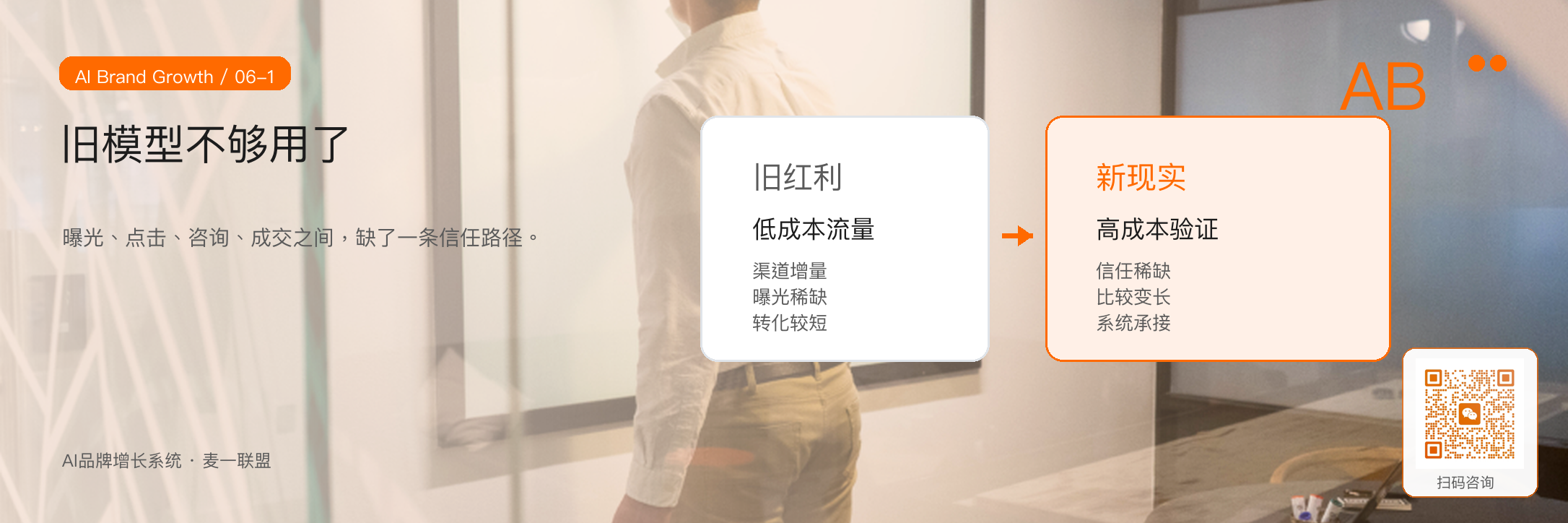
Figure 1: The old growth model still has value, but underestimates the trust-building path in customer decisions
02 | The traffic-to-conversion model rests on three old assumptions
The traffic-to-conversion model contains three implicit assumptions. First, customer attention is relatively scarce, so being seen means half the battle is won. Second, comparison is costly for customers, so clearly explaining the selling points should encourage a conversation. Third, establishing trust is relatively easy, so a salesperson's explanation should persuade customers to give the business a chance.
All three assumptions have changed. Attention is no longer merely scarce; it is extremely fragmented. Comparison is no longer difficult; it can be done instantly. Trust is no longer inexpensive to establish; it must accumulate through content, cases, reviews, methods and communication with a human voice. Customers still have needs, but they are reluctant to trust readily.
This puts the old advertising logic in an awkward position: advertising brings customers in, but they do not stay; content gets seen, but is not understood; salespeople receive leads, but the customers lack sufficient trust. Every stage appears busy, yet the activity does not produce consistent sales.
The old model's main weakness is not customer acquisition itself. It underestimates the trust-building required between acquisition and purchase. It treats customers as objects moving linearly down a funnel, rather than real decision-makers who repeatedly evaluate, actively compare and continually verify.
Businesses operating on those old assumptions keep pursuing lower acquisition costs, more leads and stronger sales incentives, while overlooking why customers are unwilling to extend their trust. The result is a busier front end and a more exhausted back end, with sales increasingly patching gaps across the entire brand system.

Figure 2: Changes in attention, comparison costs and trust thresholds are reshaping the logic of growth
03 | Today's customers make their own judgments instead of simply being pushed along
Today's customer increasingly behaves like an active researcher. Seeing you in a feed does not immediately create trust; clicking through does not immediately lead to an inquiry; making an inquiry does not necessarily mean paying immediately. Customers move between touchpoints: reading articles, watching short videos, visiting homepages, searching brands, reviewing cases, asking friends and AI, and comparing prices and service boundaries.
Customers are therefore not simply descending a funnel designed by a business. They are seeking answers along their own evaluation paths. They assess whether you understand them, have a method, can show real results, deserve trust and offer a manageable collaboration risk. An unanswered question at any stage may cause them to stop.
Many businesses assume they lose customers during sales conversations, when those customers actually left at an earlier touchpoint. An unclear homepage sends them away; missing cases send them away; inconsistent messaging sends them away; an unclear inquiry route does the same. The business sees a lack of conversion; the customer experiences a lack of reasons to keep trusting.
A new growth model must therefore respect customers' independent judgment. Instead of focusing only on pushing them toward a purchase, businesses need a trust-building path that encourages customers to learn more, develop trust gradually and take the next step willingly.
This is also why content, cases, search, owned customer channels and the founder's personal brand are becoming more important. They may not look like sales activities, but they continually inform customer judgments. A customer who does not inquire today may still have been influenced; someone who does not pay today may be waiting for more evidence.
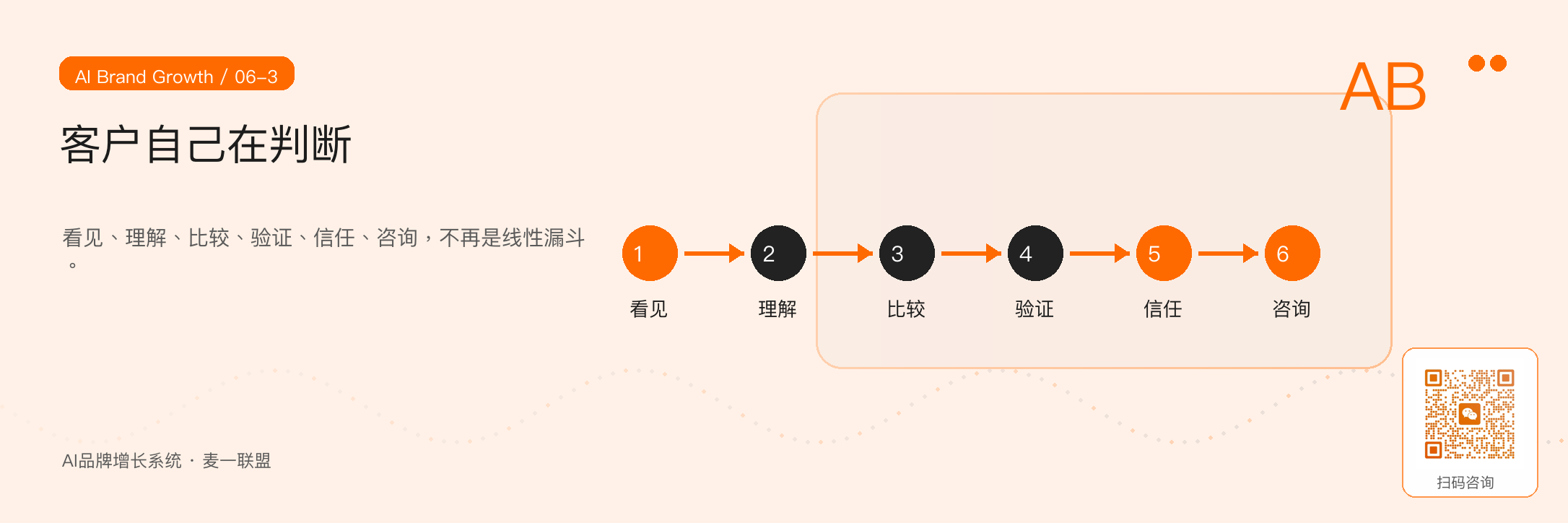
Figure 3: Today's customers actively search, compare and verify instead of converting linearly through a funnel
04 | The trust-to-purchase model: reduce the burden of choosing before pursuing a sale
The trust-to-purchase model first gives customers reasons to trust, then reasons to act. It does not reject traffic; it places traffic within a more complete system. Traffic helps customers see you, content helps them understand you, cases help them verify your claims, inquiry support helps them take a first step, and delivery gives them reasons to buy again and recommend you.
In this model, a sale is not the result of last-minute persuasion but of all the trust assets that came before it working together. Earlier understanding eases the sales effort; earlier evidence makes pricing easier to defend; earlier clarity about how to begin makes conversion more natural.
This helps explain why similar traffic can yield very different results for different businesses. With a weak system, salespeople must handle incoming traffic through sheer effort. With a stronger system, customers enter a complete path covering content, cases, owned channels, diagnosis, sales, delivery and review. The former relies on improvisation; the latter relies on systematic support.
Real growth is not about pushing customers into a purchase. It is about continually reducing the psychological burden of choosing you. The clearer, more credible and less risky you appear, the less a sale needs to depend on pressure or discounts.
The trust-to-purchase model is therefore not inherently slow. It appears to add content, cases and inquiry support, but actually reduces the downstream costs of repeated explanations, repeated price comparisons and repeated customer losses. A stronger foundation of trust makes later purchase decisions more dependable.
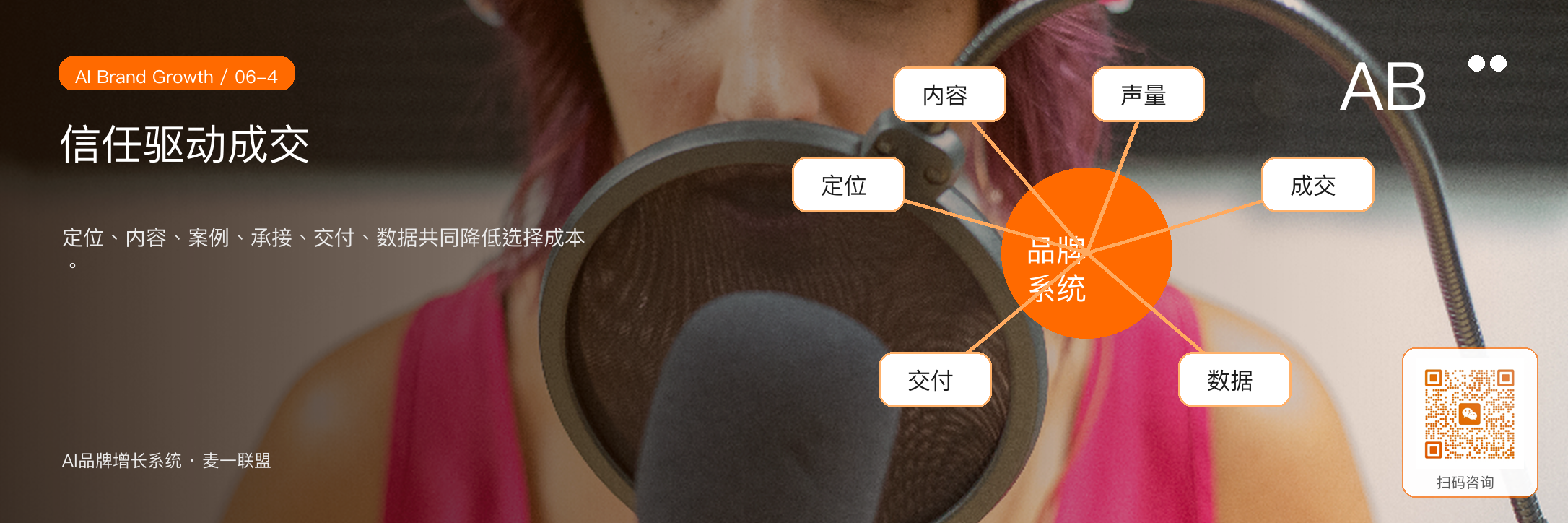
Figure 4: The trust-to-purchase model places traffic within a system of positioning, content, cases, inquiry support and review
05 | Moving from the old model to the new requires four upgrades
The first upgrade is from buying traffic to cultivating meaningful attention. Not every impression is valuable. Valuable attention comes from target customers who stop, keep reading and want to take another step. It comes from naming their problems, positioning clearly and communicating effectively on the first screen, not just from platform distribution.
The second upgrade is from producing content to building trust assets. Content is not there merely to generate activity. It helps customers understand, evaluate and develop trust before an inquiry. Every article, short video and case should answer a question in the customer's decision process.
The third upgrade is from sales pressure to diagnostic support. Customers choose after a diagnosis clarifies their problems, explains a solution path and helps them assess collaboration risks, not because they are pressured into an order. The more salespeople act as advisers, the more willing customers are to talk; the more they act as pushy sellers, the more defensive customers become.
The fourth upgrade is from a single sale to compounding value across the system. A sale is not the endpoint. Delivery processes, customer feedback, project reviews, repeat purchases and referrals should feed back into brand content and trust evidence. The better a business learns from its work, the easier its next round of acquisition and sales becomes.
These four upgrades point toward the same result: growth depends less on one person, one channel or one viral hit, and more on a system's ability to keep building trust. Only then does a business truly move from isolated acquisition efforts to brand growth.
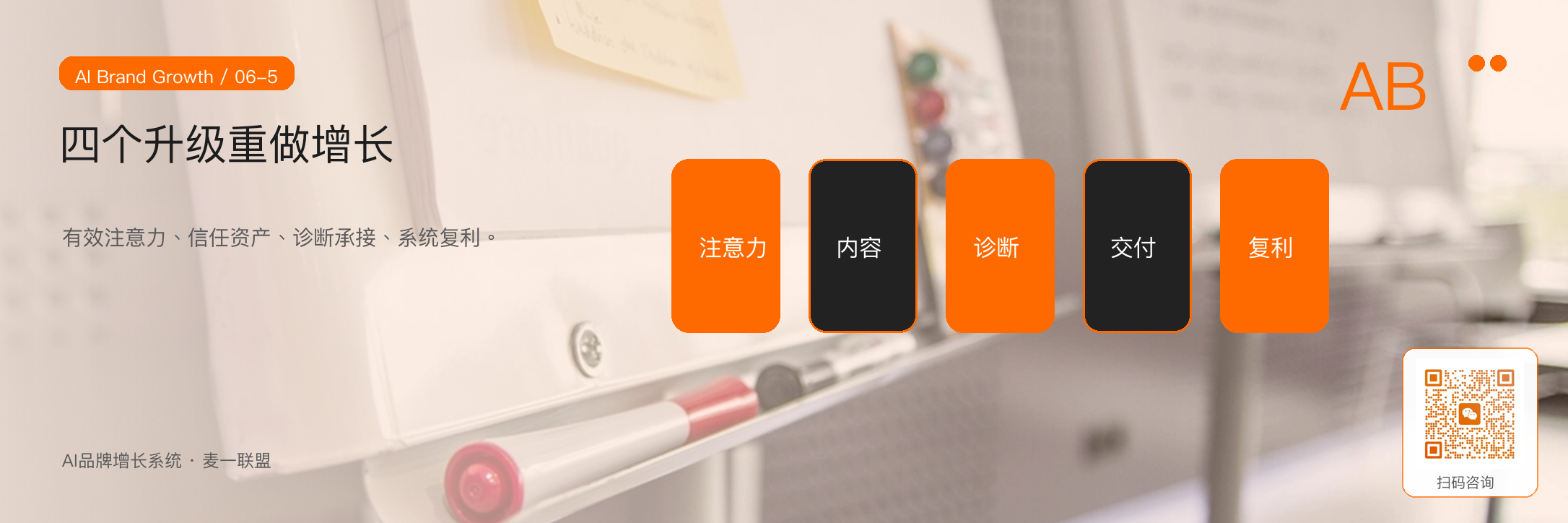
Figure 5: Moving from the old growth model to the new requires at least four key upgrades
06 | AI's value is in making the trust-to-purchase model work in practice
Many businesses still use AI within the old model: to write more advertising copy, create more posters and edit more short videos. This increases production capacity, but if the underlying logic remains traffic-to-conversion, the business may simply create noise faster.
Within the trust-to-purchase model, AI's value is in organizing customer questions, brand viewpoints, case evidence, sales questions and answers, delivery processes and data reviews into a reusable brand knowledge system. This 'brand brain' is not just a copy library. It is an operating hub that continually reduces the burden customers face when choosing.
AI can help identify customers' most frequent questions and build a question library, organize project reviews into a case library, turn sales objections into content topics, capture a founder's judgments as brand propositions, and align cross-platform content, owned-channel messages, sales materials and diagnostic forms around one coherent approach.
Once AI becomes part of this system, the business no longer has to rely on people inventing content on demand, salespeople improvising explanations or owners repeatedly putting out fires. Trust assets can be produced continuously, customer paths can be improved continuously, and advertising and content data can feed the next round of growth.
This is why MAIYI ALLIANCE works on the AI Brand Growth System. AI is not simply there to publish more content for a business. It helps turn experience into assets, standardize communication and make trust-building paths repeatable. Otherwise, even advanced tools merely make the old model run faster.
07 | Start rebuilding growth around trust today
If traffic is expensive, content struggles to convert, salespeople are increasingly tired and customers increasingly cautious, pause and ask: is my growth model still stuck at traffic-to-conversion? If the answer is yes, it is time to start rebuilding the trust-building path.
First, map the entire journey from a customer seeing you to choosing you: where they see you, understand you, compare you, verify your claims, develop trust and make an inquiry. Second, identify what each stage lacks: positioning, content, cases, an entry point or sales support.
Third, use a 90-day plan to build a minimum trust-to-purchase system. In the first 30 days, organize a customer-question library and brand propositions. In the middle 30 days, fill gaps in case evidence, explanations of methods and inquiry entry points. In the final 30 days, place these assets across WeChat Official Accounts, WeChat Channels, Moments, sales materials and owned-channel follow-up, and use AI to continually review which content actually encourages inquiries.
Future growth is not about who can buy more traffic, but who can turn each encounter into accumulated trust. Traffic fluctuates and platforms change, but the ability to build trust continuously and keep being chosen by customers can become a business's most stable growth infrastructure.
Viewed this way, a brand is not an abstraction. It is the reason customers put you on their shortlist when making a choice. The AI Brand Growth System addresses how to make that reason visible, understandable, verifiable and repeatedly reinforced.
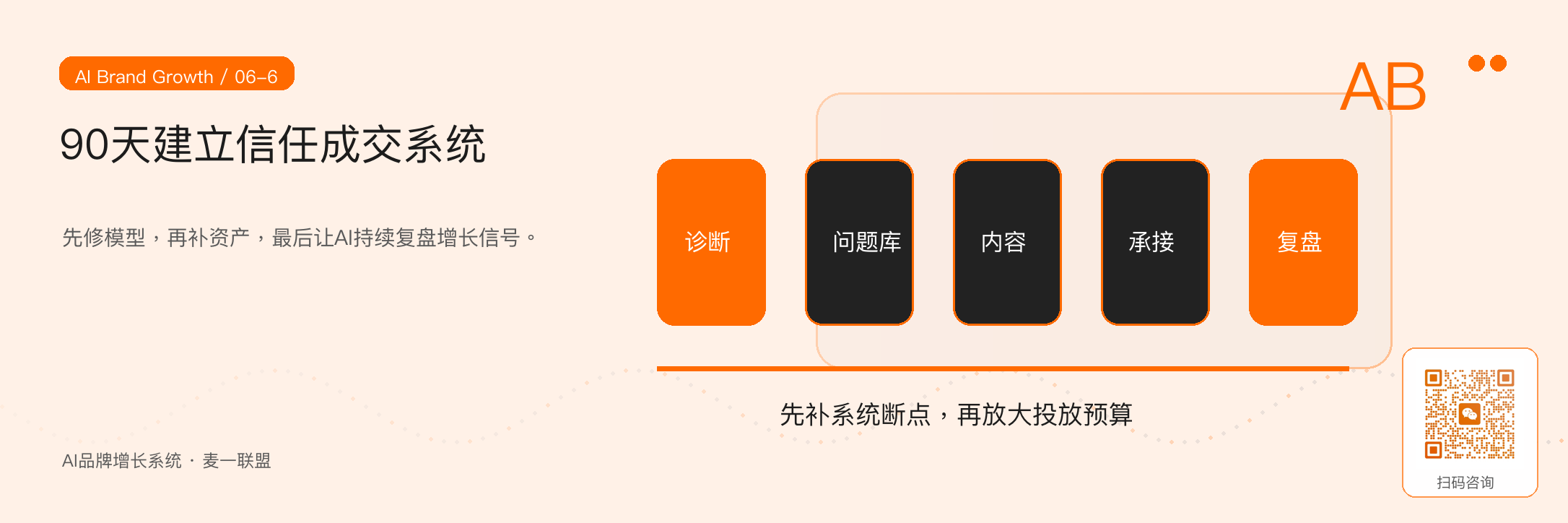
Figure 6: A 90-day plan for a trust-to-purchase system: question library, evidence library, touchpoint deployment and data review
AI Brand Growth Diagnosis If your business still pursues growth through the old traffic-to-conversion logic, begin with an AI brand growth diagnosis. Identify breaks in trust along the customer decision journey, fill gaps in content, cases, inquiry support and review, then use AI to keep extending the value of these assets. |