Why Is the Traditional Marketing Funnel No Longer Enough?
AI Brand Growth System, Article Seven | From linear conversion to a trust-building system. Original illustrations retain Chinese text.

Core assessment The traditional marketing funnel has not stopped working altogether, but it no longer sufficiently explains today's customer decisions. Customers do not move linearly from exposure to clicks, inquiries and purchases. They repeatedly verify information through content, search, cases, competitor comparisons, AI answers and owned-channel touchpoints. Growth must evolve from pushing customers through a funnel to building a trust system around their evaluation paths. |
01 | The traditional funnel's problem is not its age, but its linearity
Many businesses still picture a classic funnel when thinking about growth: first generate exposure, then clicks, then leads, then let sales convert them. The model is simple, clear and easy to measure, so for a long time it genuinely helped businesses manage advertising and sales.
Today's problem is that the funnel assumes too smooth a customer journey. It presumes customers will follow the path a business designs, and that enough traffic at the top will eventually yield sales at the bottom. Teams therefore focus on how many people drop out at each layer, rather than why customers would want to continue.
Real customers do not decide that way. After seeing you, they may leave and search your brand name; examine cases before returning to your homepage; follow your WeChat Official Account and encounter a short video days later; or send your content to a friend or an AI assistant for help assessing your credibility.
The traditional funnel's greatest weakness is therefore not its inability to show data, but its compression of customer decisions into a straight line. It can manage a process, but does not adequately explain trust. The real obstacle is not the number at each funnel layer. It is that customers lack sufficiently clear, consistent and credible reasons to choose the business across multiple touchpoints.
This explains why many owners study their dashboards yet still do not know what to change. The data shows low click-through, contact-submission and purchase rates, but not when doubt arose or which evidence was missing. Looking only at a funnel encourages businesses to treat growth as traffic engineering. Seeing the trust-building path helps them focus on making customer choice easier.
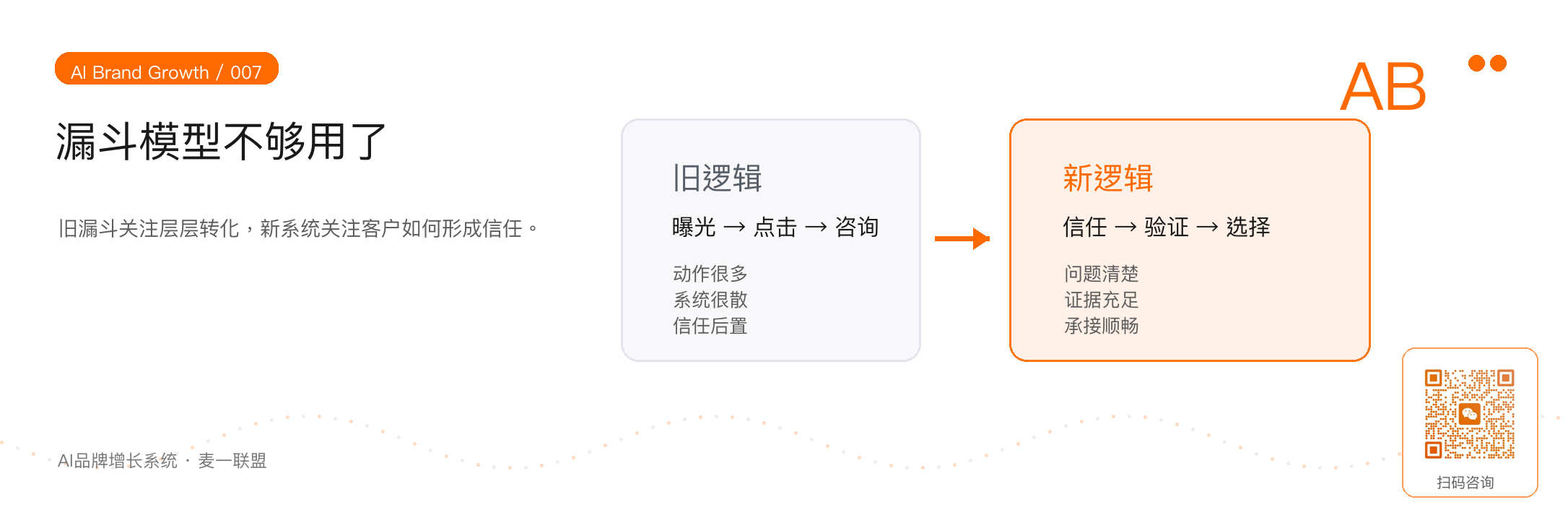
Figure 1: A traditional funnel shows where people drop out, but cannot explain why they do not trust the business
02 | Today's customers are in a verification network, not simply a funnel
Customers once had limited information sources, so appearing in key channels gave businesses a chance to attract attention. Today, customers have abundant sources: short videos, WeChat Official Accounts, Xiaohongshu, search, recommendations from friends, industry communities and AI answers can all inform their judgments.
This turns the decision path from a funnel into a verification network. Customers do not necessarily inquire as soon as they see an ad, or begin learning about you only after an inquiry. Before formally contacting you, they may already have used many fragments of information to complete an initial screening.
Customers assess whether you consistently address the same problem, whether your cases are real, whether the founder communicates consistently, whether service boundaries are clear and how you actually differ from competitors. Any touchpoint that is confusing, unsettling or unconvincing may cause them to stop.
The business sees fewer leads, lower conversion and silent customers. Customers experience a lack of reasons to continue trusting. What we call increasingly difficult growth is fundamentally a shift toward greater customer judgment, while businesses are still chasing more traffic inside an old funnel.
This is particularly true for high-value services, B2B projects, consulting and training, outsourced brand operations and AI implementation. Customers rarely purchase on the strength of a single exposure. They are buying not a standardized product, but a working relationship, a solution and a commitment to an outcome. The greater the decision risk, the more repeated verification is needed; the more complex that verification, the less sufficient the funnel model becomes.
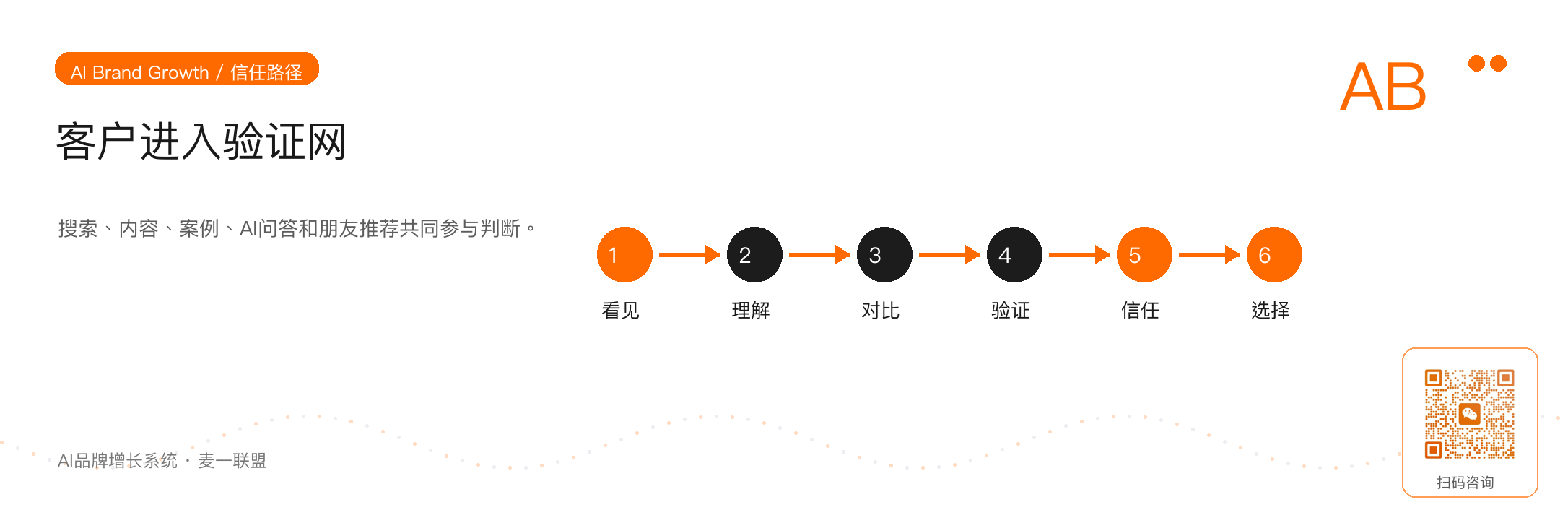
Figure 2: Today's customers verify information repeatedly across touchpoints instead of moving down a straight path
03 | The funnel is still useful, but cannot remain the only map for growth
We are not rejecting the marketing funnel. It remains useful for observing conversion efficiency, from impressions to clicks, clicks to contact submissions, and contact submissions to sales. Each layer can help identify problems. But the funnel shows where people leave more readily than why they leave.
For example, a low click-through rate may reflect weak creative or a problem that does not resonate with customers. A low contact-submission rate may reflect an unclear page or missing trust evidence. A low purchase rate may reflect weak sales skills or earlier content that failed to inform customers adequately.
Looking only at funnel numbers makes it easy to oversimplify complex problems: replace weak creative, change the sales pitch, or switch channels when leads are poor. This creates plenty of short-term activity without building more dependable long-term growth capabilities.
A better approach is to use the funnel as a data dashboard and the customer's trust-building path as the map for growth. The funnel shows where progress slows; the trust-building path shows which information, evidence and support customers need before they are willing to continue.
This does not mean abandoning metrics. It means reconnecting them with real decision contexts. Keep measuring impressions, clicks, contact submissions and purchases, but also ask: what did customers see before clicking? What did they trust before leaving their details? What was still missing before an inquiry? What was their biggest concern before buying? These questions reveal the business decisions behind the funnel numbers.
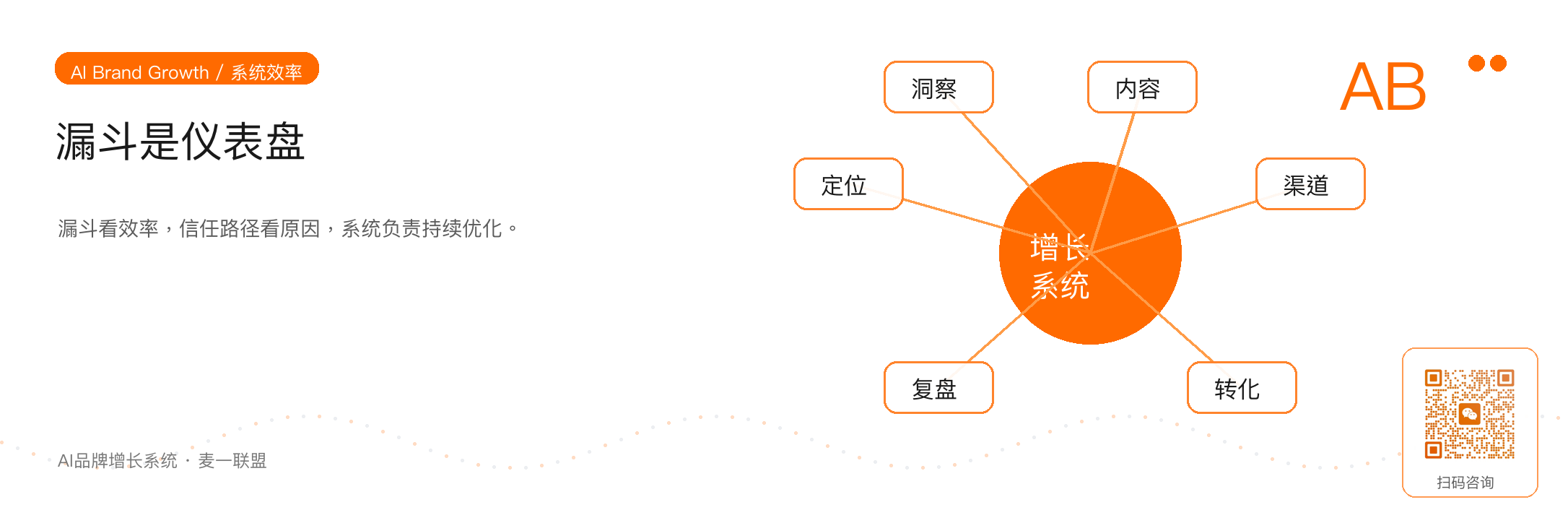
Figure 3: Use the funnel as a data dashboard and the trust-building path as the map for growth
04 | Many conversion problems begin with a break in trust midway through the journey
Businesses often assume conversion problems arise at the bottom of the funnel, during sales conversations, quotations and closing. Yet customers frequently never reach the bottom: they have already slipped away halfway through.
A customer may find an article's argument reasonable but see no supporting case; visit a homepage with service descriptions so broad that the intended customer is unclear; watch several short videos with inconsistent messages; or be ready to inquire without knowing whether to request materials, book a diagnosis or send a direct message.
These are not the most obvious data points in a traditional funnel, but they are real breaks in trust. Customers do not make a point of saying, 'I did not trust you.' They close the page, unfollow and keep comparing alternatives. The business sees fewer conversions; underneath, trust was not sustained through the middle of the journey.
This is why businesses can become more exhausted the harder they optimize the bottom of the funnel. Sales scripts grow more complicated, discounts deepen and follow-ups become more frequent, yet customers remain hesitant. Sales is compensating for earlier gaps in brand communication, content evidence and trust-building.
If the front end does not explain the problem and the middle does not provide evidence, even a strong back end can only make repairs. Efficient growth does not put every burden on sales. It helps customers understand and recognize the business, and become willing to evaluate it further, before they speak with a salesperson.
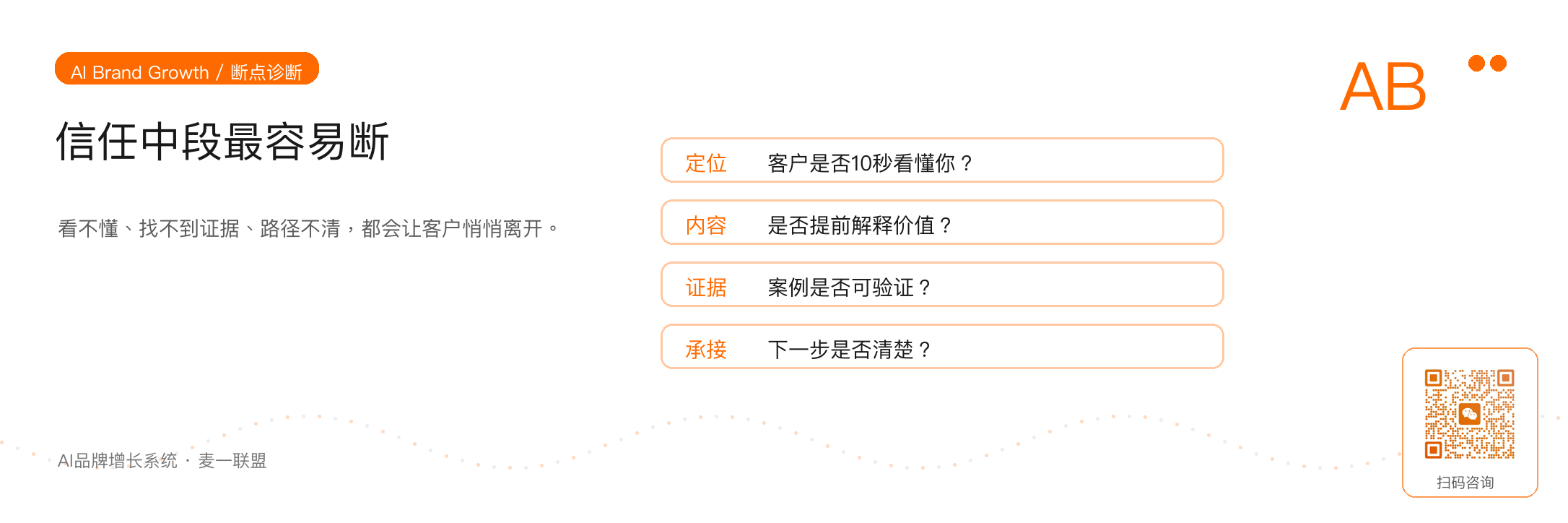
Figure 4: Many sales problems originate in the middle of the trust-building journey, not at the bottom of the funnel
05 | A new model for the AI era: a trust-building path plus systematic review
In the AI era, businesses need not a bigger funnel, but a smarter trust-building system. It should answer four questions: where do customers see you, understand you, verify your claims and take the next step?
The content system explains problems so customers feel understood. The case system reduces perceived risk by showing real processes and results. Owned channels and the homepage support customer interest and clarify the next step. The AI knowledge base and review system turn each inquiry, sale and lost opportunity into material for the next round of improvements.
In this model, traffic is no longer simply used up once. It becomes an entry point for continually testing customer understanding. What customers click, where they pause, which questions they ask and where they hesitate can all inform improvements to brand communication, content topics, case structure and sales messaging.
This is the difference between the AI Brand Growth System and the traditional funnel. The traditional funnel focuses more on whether customers move downward. The AI Brand Growth System focuses more on whether a business can continually build trust, support evaluation, accumulate assets and make the next growth cycle more efficient than the last.
AI's real value is not merely writing more copy or creating more posters. It is organizing experience scattered across the owner's mind, sales conversations, customer cases and project reviews into reusable knowledge assets. When these assets enter content, sales and delivery processes, the business no longer has to rely on improvisation for growth.
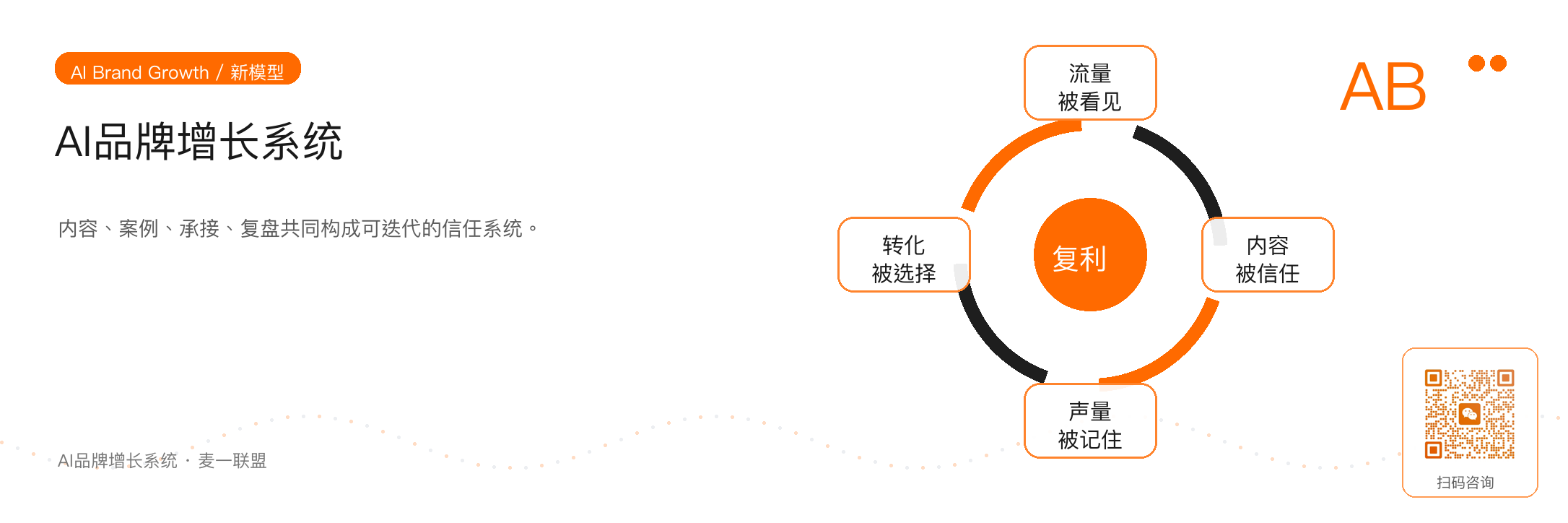
Figure 5: The new growth model for the AI era combines a trust-building path with systematic review
06 | To turn a funnel into a system, first rebuild six things
First, rebuild how you communicate positioning. On their first encounter, customers need to quickly understand whom you serve, which problems you solve and why you differ from others. If they cannot understand that, a finely engineered funnel will not help.
Second, rebuild problem-focused content. Businesses should not speak only about their products. They should continually name the specific difficulties customers face. Customers first need to feel that you have recognized their situation before they want to learn how you can solve it.
Third, rebuild case evidence. A case should not merely display a result. It should explain the background, problem, process, method and change. The higher the value of a service, the more customers need a verifiable process rather than a polished slogan.
Fourth, rebuild the follow-through path. Every touchpoint should offer a clear next step: keep reading, request materials, book a diagnosis, enter an owned customer channel or inquire about working together. When interested customers do not know what to do next, their interest quickly cools.
Fifth, rebuild AI-assisted review. Organize customer inquiries, sales objections, content feedback, reasons for purchases and reasons for lost opportunities in a knowledge base. Let AI help the team identify recurring questions, refine communication and generate content. Sixth, rebuild organizational coordination so brand, content, sales and delivery teams work around the same customer trust-building path instead of separately.
These six steps are best pursued in order. First help customers understand, then help them feel their problems have been recognized. First show evidence, then design the next step. First capture feedback, then use AI to increase production efficiency. Reversing the order can leave a business with abundant content but no central theme, many tools but no system, and plenty of activity but no compounding value.
07 | Begin with a system check beyond the funnel
If exposure is plentiful, content is being published and salespeople are following up, but growth remains unstable, do not rush to replace the platform, ad buyer or sales team. First conduct a system check that looks beyond the funnel.
Ask six questions. Can customers understand your core value at a glance? Can they see in your content that you understand their specific problems? Can they find sufficiently credible cases and evidence? Is there a clear path from first seeing you to making an inquiry? Is sales repeatedly explaining basic issues? Is each advertising campaign and inquiry being turned into material for the next round of content and sales messaging?
If these six questions cannot be answered clearly, the business does not need a bigger funnel so much as a more complete brand growth system. The funnel helps you see losses; the system helps you reduce them.
Future competition for growth is not about who pushes people through a funnel most effectively. It is about who builds trust around customer evaluation paths. Customers need willingness to trust before they inquire, willingness to understand before they compare, and continued willingness to hear from you before you become a first choice when a real need arises.
For business owners, the priority is not to overturn every previous method immediately. It is to place the old funnel inside a larger system. Keep looking at data, but not only data; keep advertising, but do more than advertising; keep pursuing conversions, but build trust first. The AI Brand Growth System aims to help businesses move from repeatedly chasing individual results to maintaining the ability to be chosen by customers.
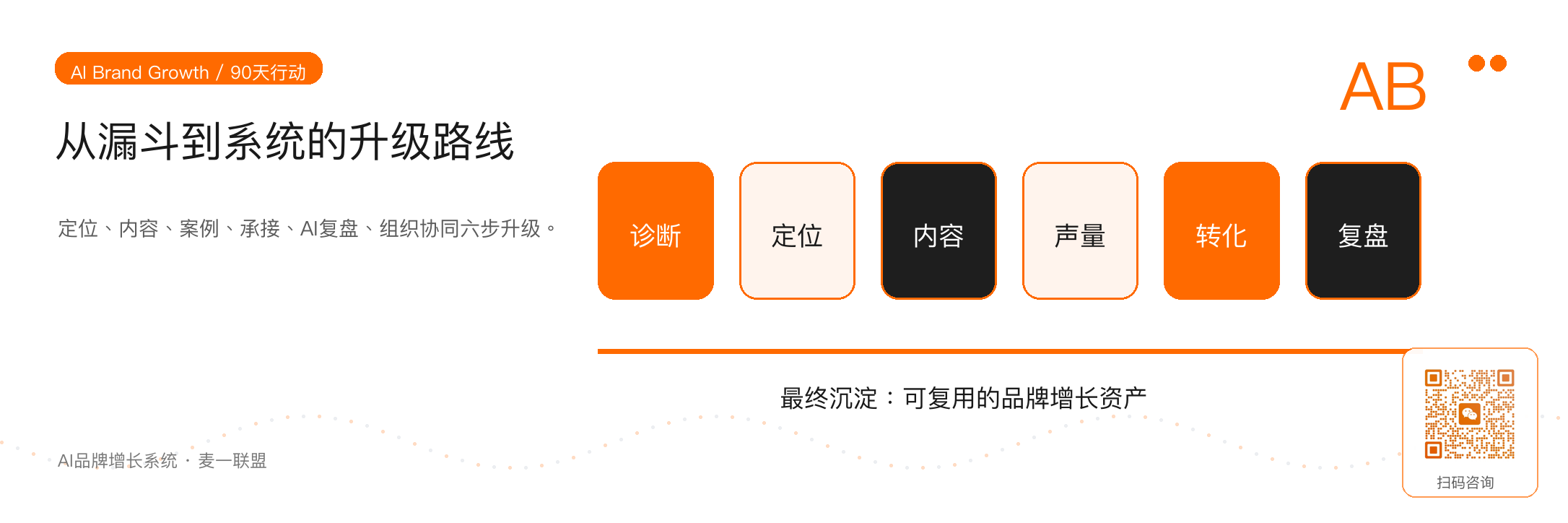
Figure 6: Complete the trust-building system before scaling traffic efficiency
A next step toward an inquiry If your growth efforts are still stuck in the old funnel of watching exposure, chasing leads and pushing for sales, start with an AI brand growth diagnosis. Together, we can examine where customers do not understand you, where they do not trust you, where the next step is unclear, and how your brand, content, sales and AI capabilities can be reconnected into a growth system. |