Future Competition Is About How Efficiently You Build Trust, Not Just Traffic
AI Brand Growth System, Article 8 | The Real Competitive Moat Is Building Trust Faster and More Consistently. Original illustrations retain Chinese text.

Core assessment The gap between businesses will depend not only on who buys traffic more effectively, but on who can turn every exposure, piece of content, case study and conversation into customer understanding, trust and choice more efficiently. Traffic is the entry point; the efficiency of building trust is a fundamental capability behind growth. |
01 | Traffic Still Matters, but It No Longer Determines Everything
When many businesses discuss growth, their first thought is still traffic. No customers means more exposure; no inquiries means more advertising; no conversions means changing platforms, creative assets or media buyers. This approach is understandable: for a long time, traffic was the most visible lever for growth.
What has changed is that traffic increasingly resembles an admission ticket rather than a decisive advantage. A business can buy exposure or earn attention through content, but whether customers keep reading, trust it, make an inquiry or ultimately choose it is no longer determined by a single encounter.
Many business owners encounter an uncomfortable situation: traffic has not disappeared, content is still being published, and the team is working harder, yet customers are more cautious, compare more options and take more persuading. On the surface, traffic has become more expensive; underneath, customers have raised their threshold for trust.
Future competition does not mean businesses no longer need traffic. It means they cannot rely on traffic alone. The real difference is whether a business can turn every touchpoint behind that traffic into an asset that builds trust. Being seen is only the beginning; customers becoming willing to trust you is where growth begins to take shape.
This is also a business lever that small and medium-sized companies often overlook. Traffic spending that leaves behind no content, case studies, customer-question library, sales messaging or review data is simply a one-off expense. But when every encounter helps the business understand customers, explain itself and demonstrate its value more effectively, traffic can gradually become a brand asset.
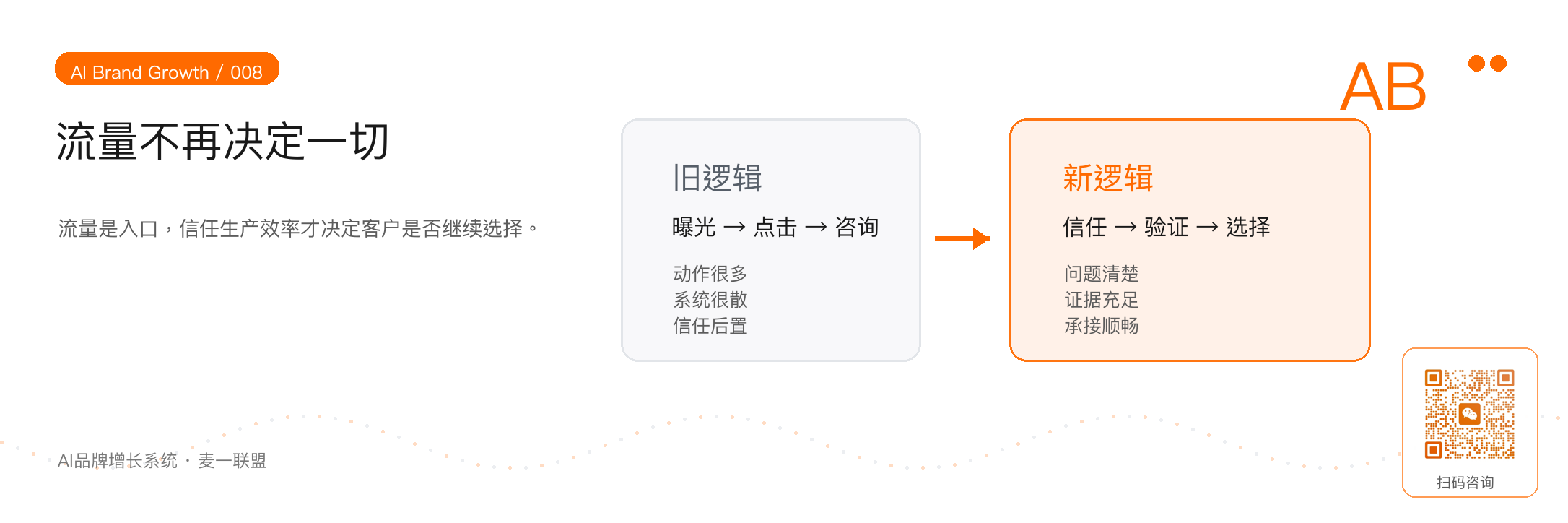
Figure 1: Future competition shifts from traffic acquisition to the efficiency of building trust
02 | The Old Competition Fought for Attention; the New One Competes on Building Trust
In the previous growth era, businesses focused on attention efficiency: whoever reached more people and acquired leads at lower cost had a better chance of winning. But with abundant platform content, rapidly proliferating AI content and competitors all producing short videos and buying ads, attention itself is becoming less of a scarce resource.
Customers encounter many brands, viewpoints and promises every day. What is truly scarce is not information, but credible information; not the quantity of content, but a content system that helps customers understand, evaluate and reduce risk more quickly.
This is the efficiency of building trust. With the same exposure, can you help customers understand you sooner? With the same article, can you clarify their problem? With the same case study, can you make the result more credible? With the same inquiry, can you reduce their hesitation?
In an efficient business, every piece of content deepens customer understanding, every case study reduces perceived cooperation risk, and every sales conversation informs the next round of communication. Less efficient businesses also publish content, advertise and follow up with customers, but after each activity ends, experience is not retained and trust does not accumulate. The next effort starts from zero again.
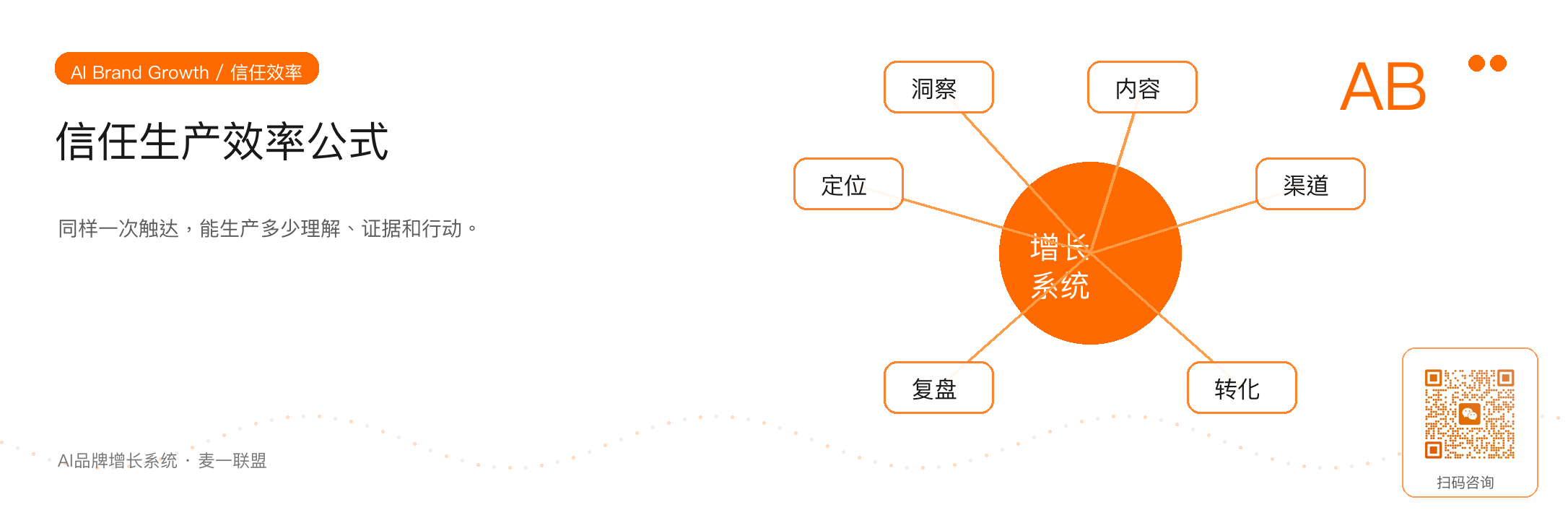
Figure 2: The efficiency of building trust determines whether traffic becomes an asset
03 | A Typical Comparison: Why Similar Content Efforts Can Produce Very Different Results
Consider a common illustrative comparison. Company A and Company B both produce content and understand that customers need education. Company A follows trending topics every day: industry trends today, the founder's thinking tomorrow, team life the next day, then a reposted customer review. There appears to be plenty of content, but readers still cannot tell whom the company serves, what problems it solves or what methods it uses.
Company B may not produce more content, but every piece centers on customer decisions: why growth slows, why paid traffic fails to convert, why case studies struggle to establish trust, and why sales conversations become exhausting. Each article answers a real question, each case demonstrates a capability, and each touchpoint points to a clear next step.
A year later in this comparison, both companies appear to have invested in content, but the results are very different. Company A has a pile of publishing records; Company B has a collection of trust-building assets. Customers searching for Company B can find a coherent sequence of viewpoints, cases, methods and service pathways. When they inquire, sales does not have to explain everything from scratch because earlier content has already provided substantial education.
More importantly, Company B's content keeps reducing the cost of later conversations. New customers have already read several articles and understand its basic methods. In its owned community and direct-contact channels, they can see more cases and learn how cooperation might proceed. By the time they inquire, their questions are more focused and the conversation more productive. Company A also gains some exposure, but each inquiry starts over: sales must introduce the business, demonstrate its capability and rebuild a sense of security.
That is the difference in how efficiently trust is built. It is not about who works harder, but whose effort can compound. Content does not finish its job when it is published; it should continue helping customers evaluate their choices. Content that helps them decide is an asset. Content that does not is merely noise.
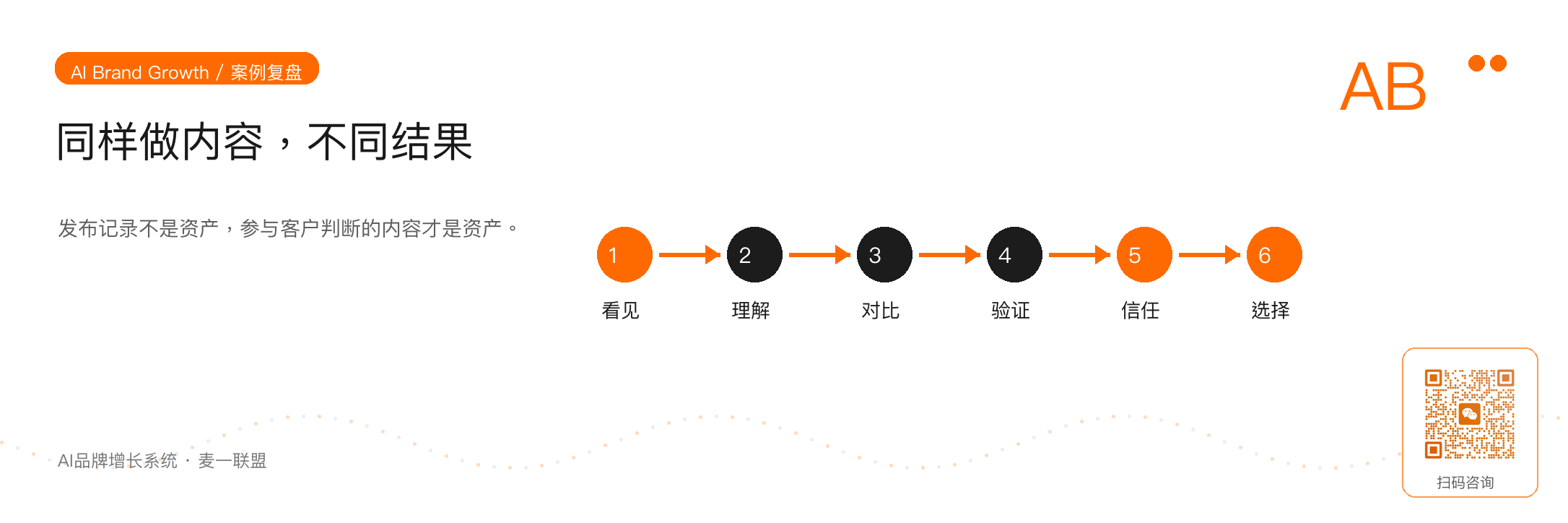
Figure 3: Whether content follows the customer's decision journey shapes the eventual conversion gap
04 | Efficient Trust Building Depends on Four Systems
The first is a messaging system. On first encountering you, can customers quickly understand who you are, whom you serve, what problems you solve and why you deserve their trust? Clearer messaging reduces the effort of understanding; confused messaging makes traffic more likely to disappear at the first step.
The second is a content system. Content should not merely follow trends or discuss what the business wants to say. It should continuously explain the real questions customers face. What are they confused about, worried about, misunderstanding or comparing? Those are the questions content should keep answering.
The third is an evidence system. Customers will not trust you simply because your explanation sounds right. They also need cases, process details, customer feedback, methodological frameworks and clear delivery boundaries. More complete evidence makes it easier to turn abstract value into assessable confidence in working together.
The fourth is a follow-through system. Once customers are interested, do they know what to do next? When they inquire, can sales respond using a consistent logic? After a conversation ends, can content and cases continue to inform them? These factors determine whether trust can progress from content toward a purchase.
Many businesses have only one or two of these elements, which is why growth feels unstable. Clear messaging with thin content helps customers understand but not trust enough. Plenty of content without evidence looks professional but does not give customers the confidence to act. Evidence with confused follow-through creates interest without a clear next step. Efficient trust building requires these systems to work together.
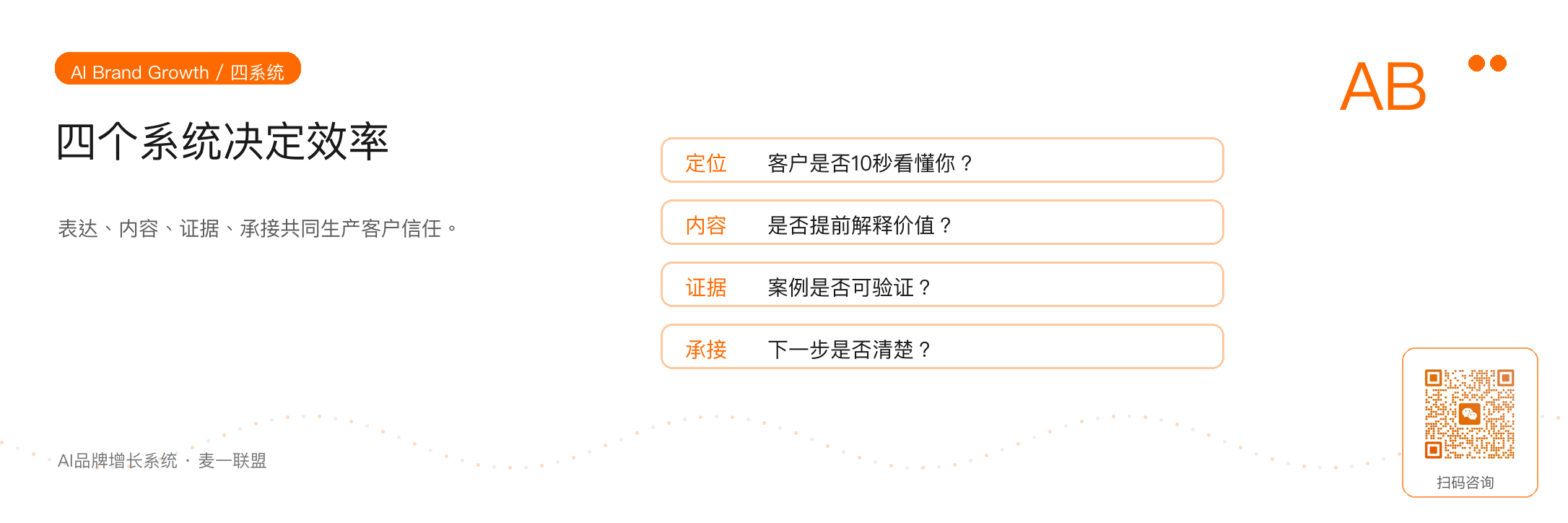
Figure 4: Efficient trust building comes from coordinated systems, not isolated activities
05 | AI Can Turn Trust Building from Ad Hoc Craftwork into a Repeatable System
AI changes not only the speed of content production but also how trust-building assets are organized. In many businesses, experience has been scattered across the founder's memory, sales conversations, customer cases and project reviews. Every time the team writes content, prepares a proposal or talks to a customer, it has to organize that experience again.
With an AI capability layer, a business can organize this experience into a brand knowledge base. Frequently asked customer questions, common sales objections, successful case-study structures, service-process explanations, industry viewpoints, product-value messaging, reasons for winning business and reasons for losing it can all be retained, retrieved and reused.
This means the business no longer needs to rely on last-minute inspiration to build trust. It can produce content consistently around the customer decision journey. One customer question can become a WeChat official-account article, short-video script, sales Q&A, owned-community discussion or case review. One project case can be developed into a problem insight, explanation of the method, process record, evidence of results and reasons to purchase again.
AI is not there to create more noise for a business. It can help turn each genuine experience into trust-building assets across multiple touchpoints. Without a system, AI can accelerate a flood of content. With a system, it can make trust building more efficient, consistent and repeatable.
For the AI Brand Growth System that MAIYI ALLIANCE is developing, AI's role is not simply that of a writing assistant. It is intended to coordinate the business's growth knowledge, connecting brand positioning, customer questions, content topics, visual expression, sales follow-through and review data. Each output should draw on a shared capability rather than remain an isolated activity.
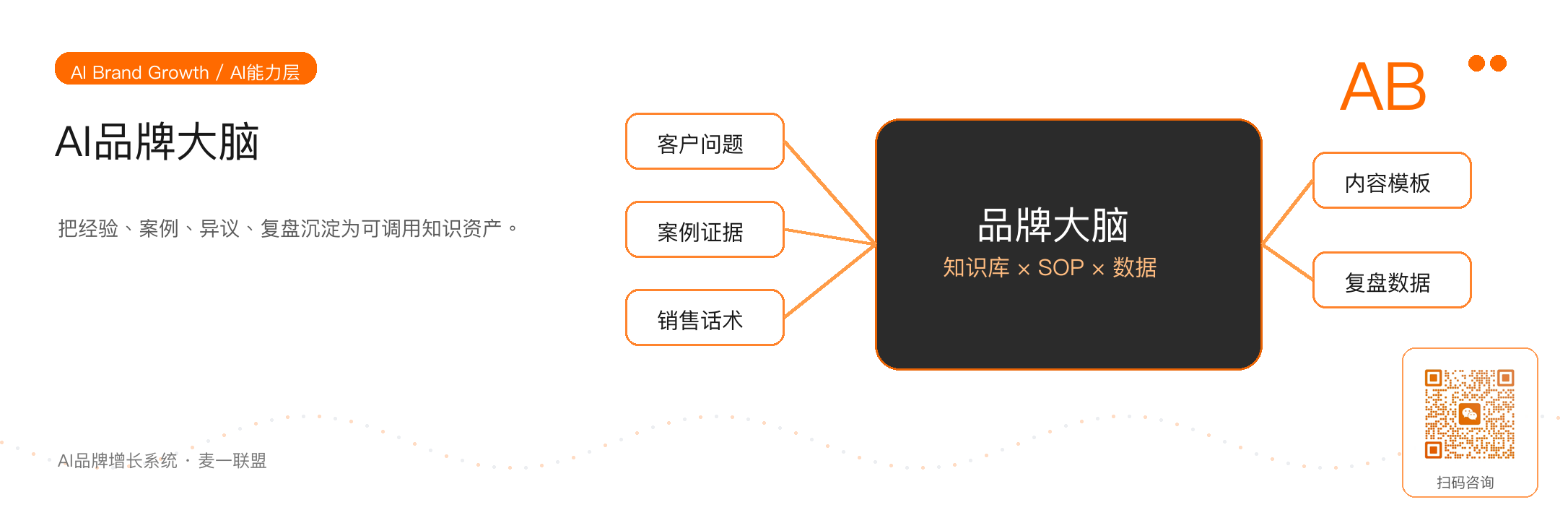
Figure 5: AI can turn ad hoc trust-building work into a repeatable system
06 | The Efficiency of Building Trust Ultimately Shows Up in the Cost of Winning Business
Trust may seem intangible, but it eventually appears in concrete operating measures. The earlier customers understand you, the less time sales spends explaining basics. The earlier they trust you, the less likely they are to press repeatedly for a lower quote. The earlier they see evidence, the easier it may be to shorten the sales cycle.
Businesses that build trust efficiently tend to receive better-informed inquiries. Customers are not merely asking casually; they already understand something and want to confirm details. Sales does not persuade from zero but helps customers decide on the basis of that existing understanding. Progress toward a purchase follows the trust already established rather than depending on forceful selling.
By contrast, a business that builds trust inefficiently can incur high downstream costs even after acquiring leads. Sales must repeatedly explain who the business is, demonstrate what it can do and address doubts, often ending up in price comparisons anyway. What looks like a difficult sales job is, underneath, a failure to build enough trust earlier in the journey.
Many businesses assume that closing deals is difficult because customers have small budgets. Yet customers may not be unwilling to spend; they may be unsure whether spending is safe. More efficient trust building helps them see greater certainty sooner. When trust building is inefficient, customers are more likely to lower their risk through bargaining, delay and repeated comparisons.
Efficient trust building is therefore not a cosmetic exercise for the brand department. It concerns sales efficiency, the efficiency of winning business and the use of budget. It shapes whether the same traffic spending becomes customers, cases and repeat purchases, or a collection of cold leads and unproductive conversations.
07 | Start Building Your Trust-Building Workflow Today
A business seeking to build trust more efficiently can begin with a simple workflow: collect questions, clarify viewpoints, produce content, substantiate it with cases, follow up through owned channels, review sales conversations and retain the knowledge with AI. No step needs to be complicated, but the feedback loop must remain active.
First, collect the twenty questions customers ask most often. Second, turn the business's judgments about those questions into consistent viewpoints. Third, develop those viewpoints into articles, short videos, WeChat Moments posts, sales messaging and diagnostic worksheets. Fourth, support them with real cases and process evidence. Fifth, feed customer responses back into the knowledge base to inform the next round of content.
Once this workflow is operating, the business can move from occasional content publishing to continuous trust building. The team no longer has to wonder every day what to post; it keeps filling gaps in the customer decision journey. Sales no longer works alone, because content and cases prepare the way. The owner stops looking only at traffic and begins managing brand assets that can compound.
In future competition, traffic will continue to change, platforms will change, and tools will keep evolving. But before choosing a brand, customers will still ask three questions: Do I understand it? Do I trust it? Am I willing to take the next step? Businesses that answer those questions more efficiently have greater control over the consistency of their growth.
From this perspective, an AI Brand Growth System is not about adding a few tools or publishing a few more pieces of content. It is infrastructure that helps a business keep answering customer questions, demonstrating its value and retaining the experience of winning business. Traffic brings customers into contact with you; the efficiency of building trust shapes whether they continue moving closer.
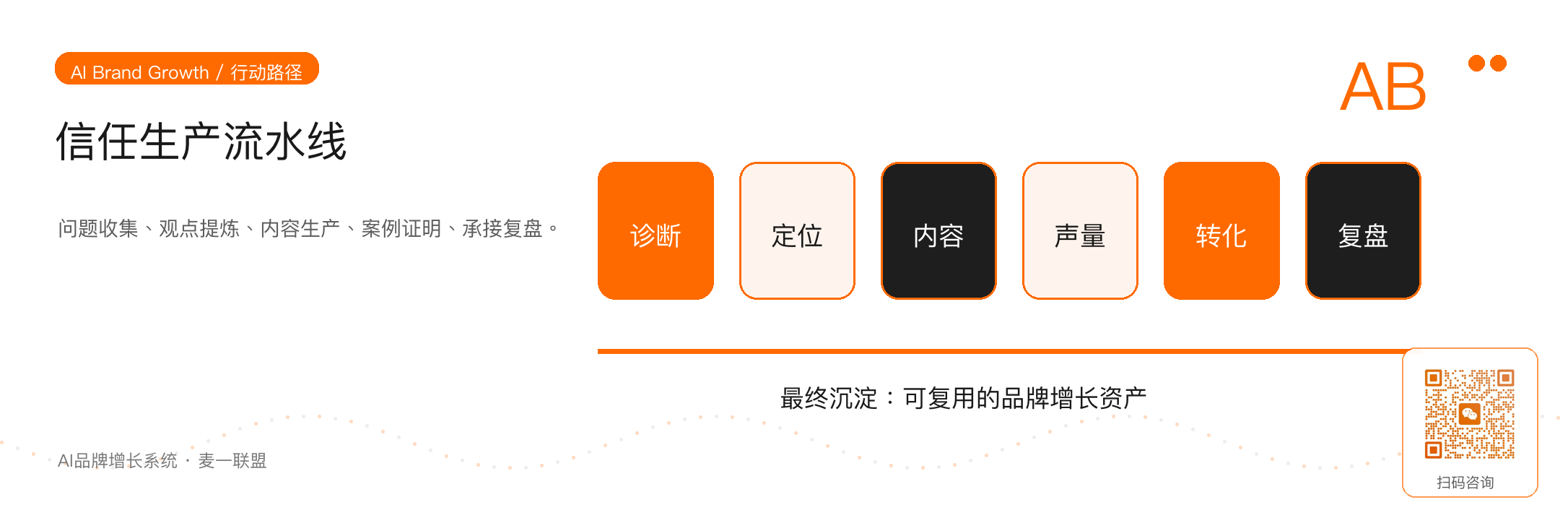
Figure 6: Build a trust-building workflow that connects content, sales and AI through feedback
A next step toward an inquiry If you recognize that your business needs more than traffic and lacks a consistent system for building trust, you can begin with an AI Brand Growth Diagnosis. Together, we will review your messaging, content, evidence, follow-through and AI knowledge base to identify where customers struggle to understand, believe or act. |