Why Does Knowing Branding Not Mean Having a Brand System?
AI Brand Growth System, Article 10 | A brand is not a collection of activities, but a growth mechanism for being chosen consistently

Core assessment Knowing how to do branding usually means being able to create logos, visual identities, posters, videos, WeChat articles and communications. Having a brand system means aligning those activities with one customer decision journey, consistently building understanding, trust, inquiries, sales and repeat purchases. In the AI era, a brand needs to be more than attractive, memorable and shareable: it needs to become reusable growth infrastructure for the business. Original illustrations retain Chinese text. |
01 | More branding activities do not mean a stronger brand system
Many businesses do take branding seriously. Their owners are willing to invest in a visual identity, commission a corporate video, update the website, run a WeChat official account, hire poster designers and maintain a presence on short-video platforms. On the surface, they are already doing plenty of branding.
Yet a long list of activities does not make a strong system. A logo may not tell customers what problem you solve. A corporate video may not convince them you can deliver. A few short videos may not explain how you differ from competitors. Even after joining your direct-contact community, they may still not know what to do next.
The real difference is not whether branding activities exist, but whether they serve a shared growth objective. When a brand consists only of disconnected visuals, content, events and materials, the owner can feel busy and the team exhausted while customers remain unmoved.
Knowing branding therefore addresses individual points of expression; having a brand system addresses being chosen consistently. The former resembles a communications project, while the latter is fundamentally a growth project. Businesses need to move from a pile of branding activities to a system that helps customers understand, trust, act and return.

Figure 1: Knowing branding is an ability to execute activities; having a brand system is an ability to support growth
02 | Why many brands look professional but fail to support growth
Some businesses have decent visuals, an attractive website, regularly published content and even a sophisticated-sounding slogan. Yet customers still do not inquire, salespeople still have to explain everything repeatedly, and closing a deal still requires the owner's personal involvement.
The reason is usually not that the brand is insufficiently attractive, but that it does not participate in the customer's decision. Before choosing a business, customers assess five things: whether they understand it, whether it understands them, whether it has the ability to deliver, whether they know how to start working together, and whether the risk is manageable.
If branding only makes a business look like a brand without answering those decision questions, it is unlikely to translate into growth. Customers see an image but lack grounds for judgment; they perceive packaging but lack verifiable evidence of capability.
After a branding project, a business may briefly feel transformed, only to return to familiar problems: salespeople still do not know what to say, the content team still does not know what to publish, customers still ask only about price, and the owner still has to explain everything personally. This suggests that branding has not entered the business workflow or become a capability the team can use repeatedly.
This matters especially for high-value services, B2B projects, brand consulting, AI implementation and outsourced operations. Customers are buying not a standard product but a working relationship and a commitment to outcomes. A brand system must help them reduce the risk of choosing a provider, not merely create a favorable impression.

Figure 2: A brand must participate in customer decisions to support growth meaningfully
03 | Branding expertise often stops at five isolated activities
The first is visual identity. Many businesses equate branding with logos, colors, fonts, layouts and collateral. Visual consistency matters, but it establishes recognition; it does not automatically establish trust.
The second is the slogan. A slogan can aid recall, but without clear positioning, customer problems and evidence of capability behind it, a louder slogan can sound increasingly hollow. The third is content. Publishing more does not mean the content helps customers decide. Without a coherent direction, content is merely a stream of updates.
The fourth is distribution. Advertising, publishing, livestreaming and distribution across multiple accounts can create exposure, but without a clear next step afterward, potential customers are lost. The fifth is sales material. Much of it simply describes what a business has, rather than building trust by addressing customer concerns step by step.
None of these five activities is wrong; the problem is their lack of connection. Visuals do not support positioning, content does not support trust, distribution does not lead to a customer response, sales materials do not inform content, and customer cases do not become assets for the next round of branding. The business appears to be branding constantly, while each activity consumes resources in isolation.
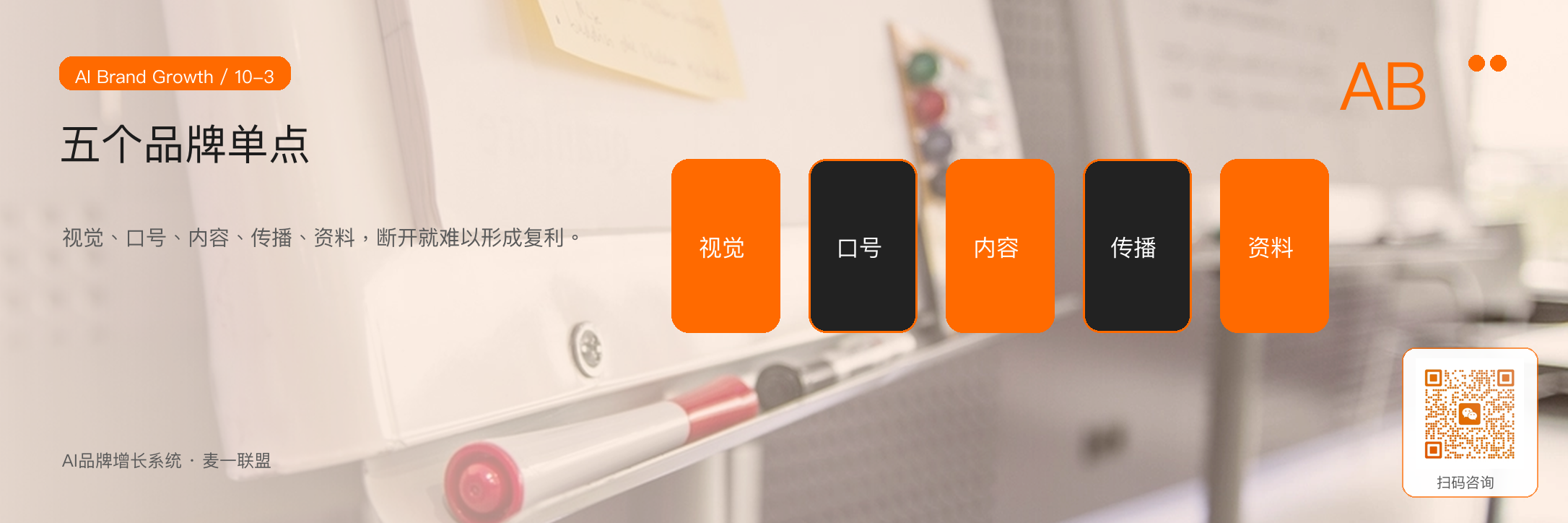
Figure 3: Five disconnected branding activities struggle to create lasting system assets
04 | A brand system needs at least six connected layers of capability
The first layer is positioning. Customers need to quickly understand whom you serve, what problem you solve and why you are different. Positioning is not an internal strategy document; it is the starting point that helps a customer understand whether to choose you at first contact.
The second layer is expression. The website, WeChat account, short videos, sales conversations, proposal presentations and direct-channel content should communicate the same value logic. Consistency reduces the effort needed to understand you; fragmented expression repeatedly interrupts trust.
The third layer is content. Content should consistently explain customers' real difficulties, rather than alternate between trends, opinions and team updates without direction. The fourth layer is evidence. Cases, processes, customer feedback, methodological frameworks, delivery procedures and measured results all help customers assess risk.
These four layers answer why customers should trust you. Unclear positioning leaves them unsure whether you are a fit. Unstable messaging creates inconsistency. Content without a clear direction gives them activity but little substance. Insufficient evidence makes your value seem like a promise rather than something they can rely on.
The fifth layer is the response journey. There should be a clear path between noticing you and making an inquiry: further reading, requesting materials, booking a diagnostic, joining a direct-contact channel and discussing a project. The sixth layer is review. What customers asked, why they hesitated, why they bought and why they left should all feed back into the brand knowledge base to improve the next round of communication.
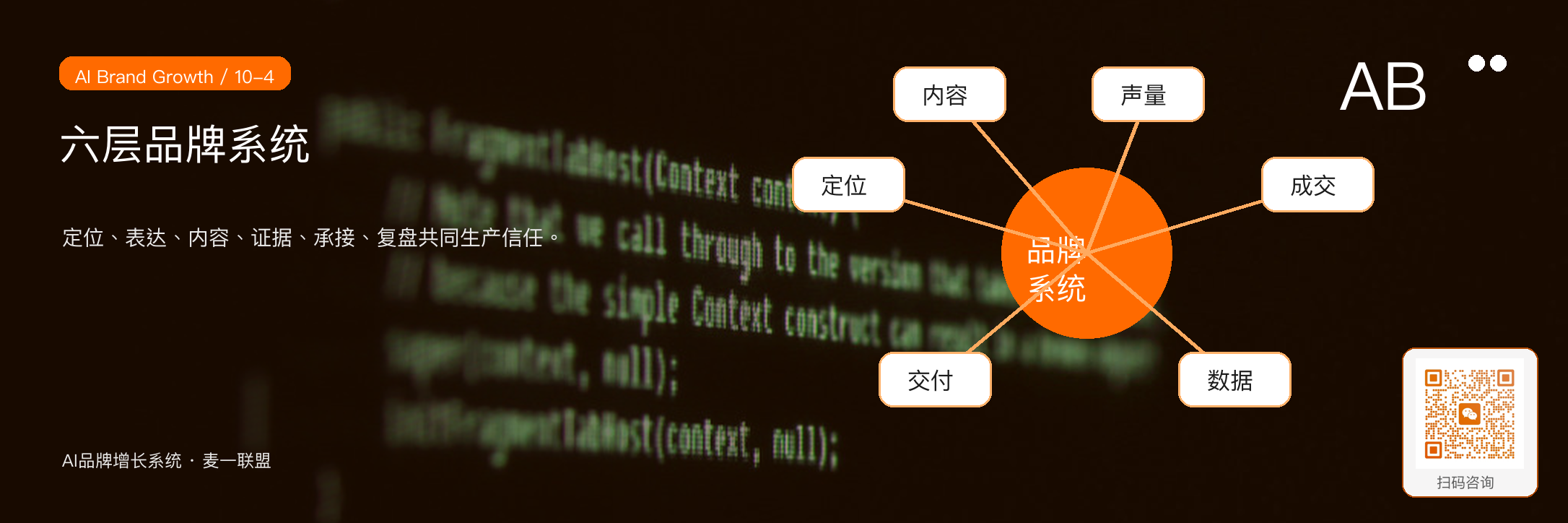
Figure 4: A brand system connects positioning, expression, content, evidence, response journeys and review
05 | The core of a brand system is making trust repeatable
In a business with a genuine brand system, trust does not depend solely on the owner's personal charisma or a salesperson's improvisation. Content, cases, processes and tools can support it consistently.
Before meeting a salesperson, customers may already have understood the problem through articles, encountered the business's perspective through short videos, seen results through cases and learned the service boundaries through direct-channel content. The salesperson then helps them decide on a foundation of trust, rather than persuading them from scratch.
That is the value of a brand system. It stops the business from placing all the pressure to close a deal on the final step, and instead builds understanding and trust at each brand touchpoint. Greater clarity early on makes later work easier. More systematic content supports sales. Stronger evidence makes quotations less vulnerable to comparison on price alone.
Without a brand system, every inquiry feels like another introduction from the beginning. With one, each inquiry can build on existing understanding. The former depends on people continually filling in the gaps; the latter relies on a system that prepares the ground over time.
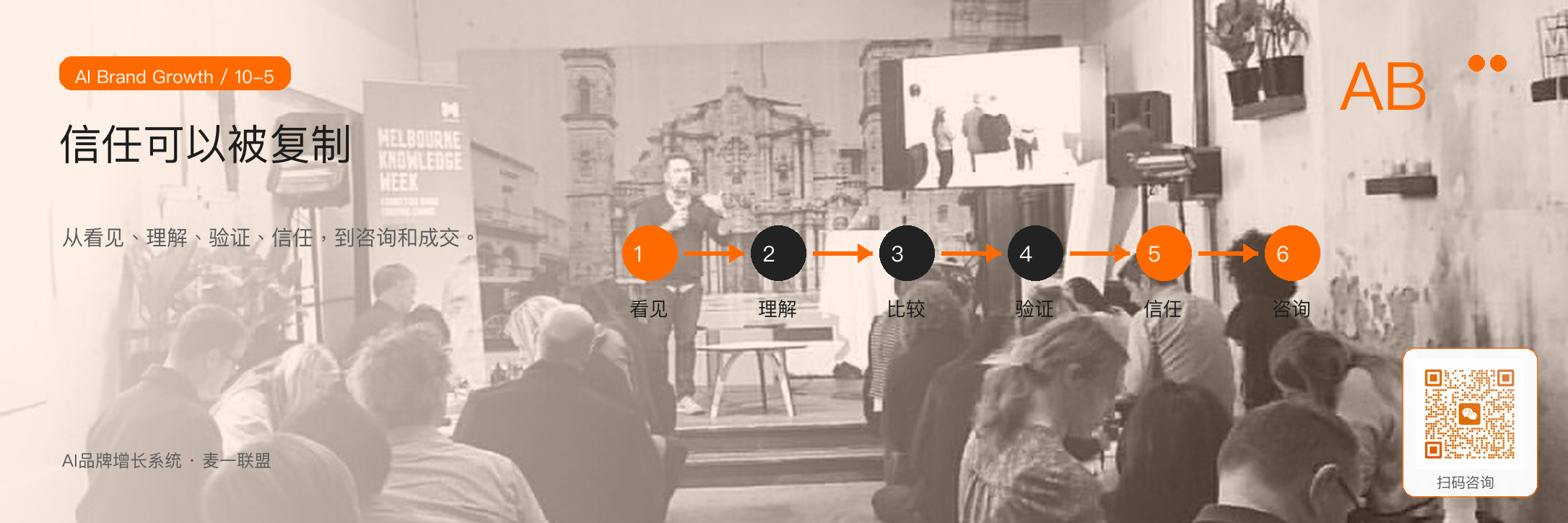
Figure 5: A business with a brand system can build trust ahead of time at every touchpoint
06 | AI can turn stored assets into capabilities the business can use
AI's real contribution to branding is not merely writing copy, drawing posters or editing video. It can make brand assets usable as business capabilities. In the past, positioning, cases, customer questions, sales objections and delivery experience were often scattered across files and people's memories.
An AI brand brain can organize these assets into a knowledge base. Frequently asked customer questions can become articles, short-video scripts and sales Q&A. Project delivery experience can become case reviews and service explanations. Sales objections can, in turn, improve content topics and conversation guides.
This means a brand system can become more than a static visual-identity manual: it can become growth infrastructure that keeps learning. Each piece of content, sales conversation, customer response and project review can enter the system, helping make the next explanation clearer, the next customer handoff smoother and the next purchase decision better supported by evidence.
This is particularly important for small and medium-sized businesses. Branding capability has often been concentrated in the owner, founder or a few key salespeople. When people change roles, become busy or take on more projects, the message can drift. An AI knowledge base makes that implicit experience explicit, so the team does not have to understand the brand from scratch each time.
Without a brand system, AI can help a business produce more fragmented content faster. With one, AI can help it create trust-building assets more consistently. Tools do not automatically deliver growth. What AI can amplify is the brand logic, customer insight and delivery evidence the business has already accumulated.
07 | Start turning branding activities into a brand system
First, diagnose the brand system. Ask not just whether the logo looks good or whether there is enough content, but whether customers can understand you, trust you and know how to contact you next. Examine each of the six layers: positioning, expression, content, evidence, response journeys and review.
Second, rebuild the customer decision journey. What should customers see when they first encounter you? What should they read once interested? Which cases should they see when comparing options? Which entry point should they use when ready to inquire? The clearer this path, the more readily branding can support growth.
Third, organize brand assets into an AI knowledge base. Turn white papers, cases, sales Q&A, customer objections, service processes, delivery procedures and review data into reusable material, giving content, sales and delivery teams the same knowledge foundation.
The purpose is not to turn the business into a content machine, but to reduce repeated explanations. Questions customers have asked should be answered in advance by future content. Recurring sales objections should be addressed with cases and evidence. Methods repeatedly shown to work during delivery should become part of the brand's methodology.
Fourth, use a 90-day plan to establish a small feedback loop. Align the messaging, produce core content, fill gaps in case evidence, design the inquiry journey and then review customer feedback. Branding does not end with a visual-identity package. It is about helping customers understand, trust and choose the business with increasing clarity. Knowing branding is a starting point; having a brand system is a foundation for future competition.
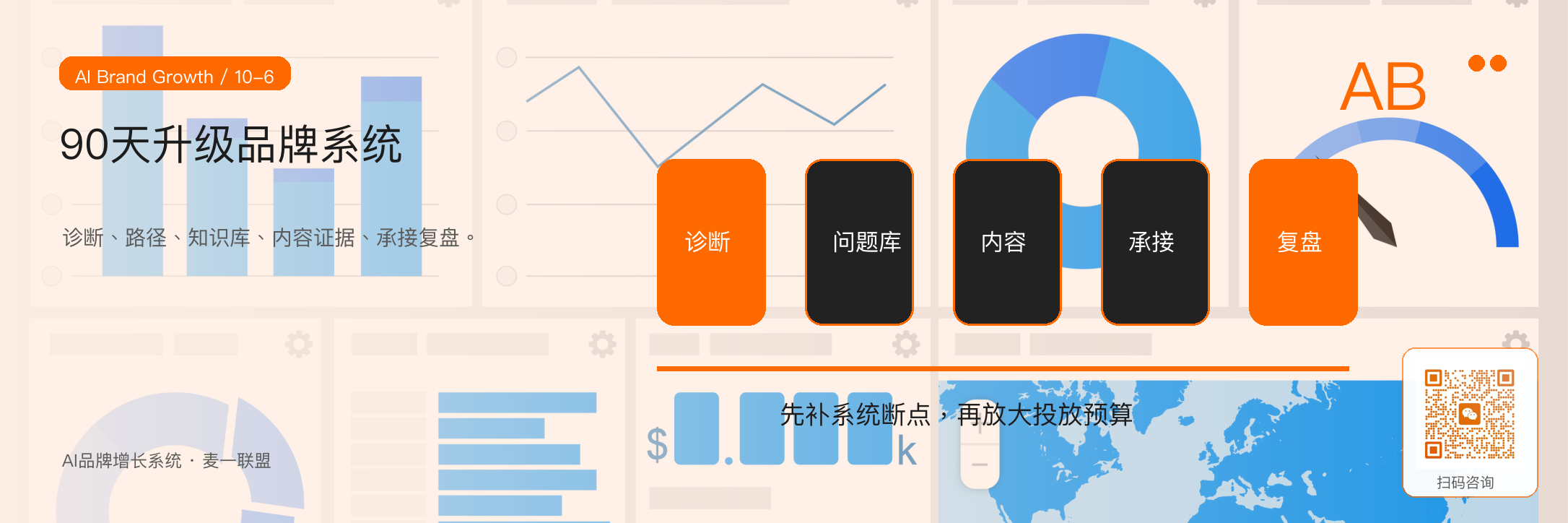
Figure 6: A 90-day plan for turning branding activities into a reusable, evolving brand system
AI Brand Growth Diagnosis Start with an AI brand growth diagnostic to identify the critical gaps preventing branding activities from translating into growth outcomes. |