AI Is Changing the Structure of Growth, Not Just the Tools
AI Brand Growth System, Article 11 | The real change is not having more tools, but restructuring how a business grows

Core assessment Many businesses understand AI as a tool upgrade for writing copy, creating images and editing video faster. Yet AI's deeper effect is not an isolated efficiency gain, but a restructuring of growth. Connecting customer insight, content assets, sales response, delivery experience and review data into a system is what enables businesses to benefit from growth opportunities in the AI era. Original illustrations retain Chinese text. |
01 | The biggest misconception: treating AI as merely a faster tool
When AI emerged, many businesses first looked for tools. Which model should write articles? Which software should create posters? Which plugin should edit video? Which agent should handle customer support? The tool list grew, and owners and teams became busier.
These tools have value. They can improve efficiency, reduce costs and speed up work that previously required several people. But treating AI only as an efficiency tool can create a new problem: more content but less coherent messaging; faster asset production without greater trust; more automation without a greater willingness to buy.
It is like putting faster machines on a poorly designed production line. Faster machines raise output, but without standards for inputs, processes, quality control and shipment, they merely produce disorder faster. AI is similar. It does not automatically determine who your customers are, what value you provide, where the evidence is or how to guide the next customer step.
The real problem is not that AI is too weak, but that the business lacks a growth structure capable of using it. Without clear positioning, AI produces vague content faster. Without a customer question library, it repeats generic opinions faster. Without a coherent sales response process, generating more conversation scripts is unlikely to help close deals.
The first misconception to overcome is therefore this: AI is not simply accelerating an old growth model. It is pushing businesses to rebuild their growth structure. Tools are the surface; structure is the foundation.

Figure 1: AI is not simply speeding up activities; it is restructuring growth
02 | A tool revolution improves task efficiency; a structural revolution changes how growth works
A tool revolution asks whether a particular task can be completed faster. An article that once took half a day might now take half an hour. An image that once required a designer might begin with an AI draft. Customer Q&A that once took considerable effort to organize can now be summarized automatically.
A structural revolution asks not about individual activities, but how they connect. Can the finished article enter a content library? Can organized customer questions inform new topics? Can accumulated sales objections become case material and conversation guides? Can reviewed delivery experience provide evidence for the next round of customer acquisition?
Looking only at tools, a business asks which AI is easiest to use. Looking at structure, it asks where customer questions are retained, where content comes from, how sales can use it, how delivery experience informs the brand, and whether each growth activity makes the next one more efficient.
These questions operate at different levels. One addresses local efficiency; the other addresses compounding benefits across the system. AI's deeper impact on business is not making everyone do a little more, but allowing scattered experience, content, data and processes to be reorganized into usable growth capabilities.
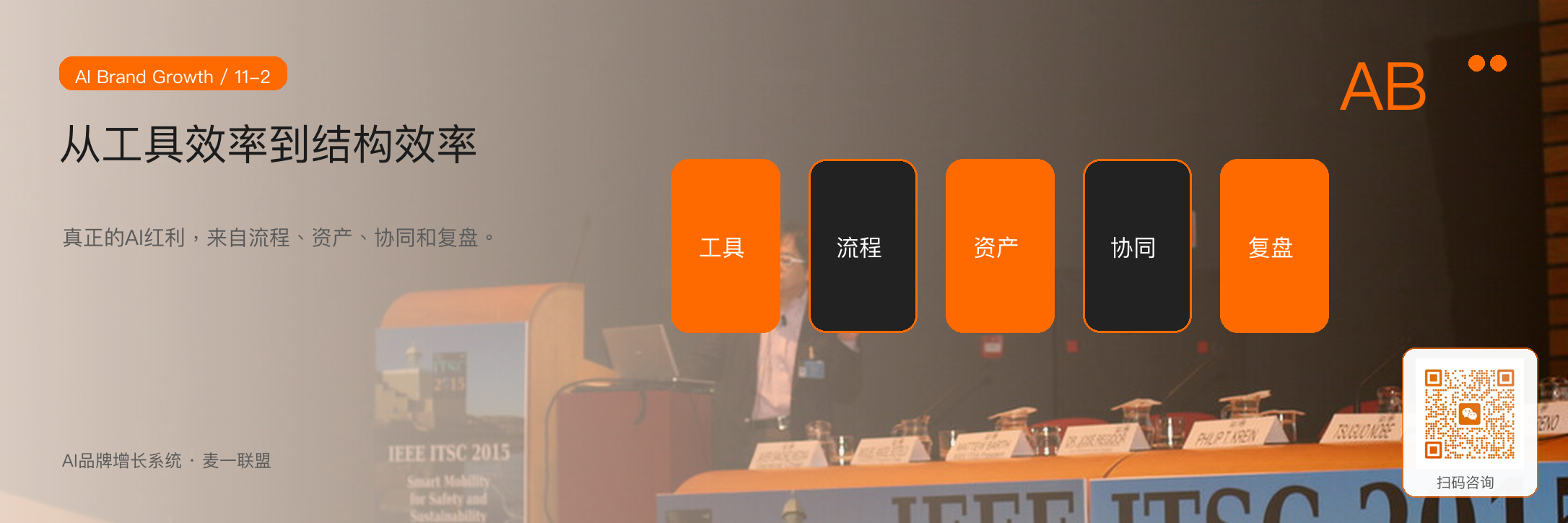
Figure 2: From tool efficiency to structural efficiency, the basis of business competition is changing
03 | Three shifts are reshaping the structure of growth
The first is from channel-driven to trust-driven growth. Businesses once focused on where to advertise, how to acquire customers and how to get more leads. Channels still matter, but customers do not choose you simply because they see you. They search, compare, verify and ask AI and friends.
The second is from publishing content to building content assets. Content once ended at publication, with views and plays as the main measures. Valuable content now continues to answer customer questions, reduce the burden of sales communication and help customers decide. It is not a single exposure, but an asset that supports trust.
The third is from individual experience to systematized knowledge. Growth once depended heavily on the owner's experience, salespeople's instincts, marketers' inspiration and project managers' memories. AI can now help organize that experience into a knowledge base that teams use across content, sales, delivery and review.
The central question is therefore no longer simply whether an individual can write, speak or sell. It is whether the business can turn individual abilities into organizational capabilities. Can a viewpoint be expressed consistently? Can a case be reused in multiple settings? Can a customer objection inform the next round of content? These connections determine whether growth efforts can compound.
These three shifts suggest that growth in the AI era is no longer just about finding traffic and converting customers. The emerging structure is to understand customer problems, produce trust-building content, accumulate evidence of capability, design a response journey, and keep reviewing it with data and AI. Growth increasingly resembles infrastructure rather than a series of temporary activities.
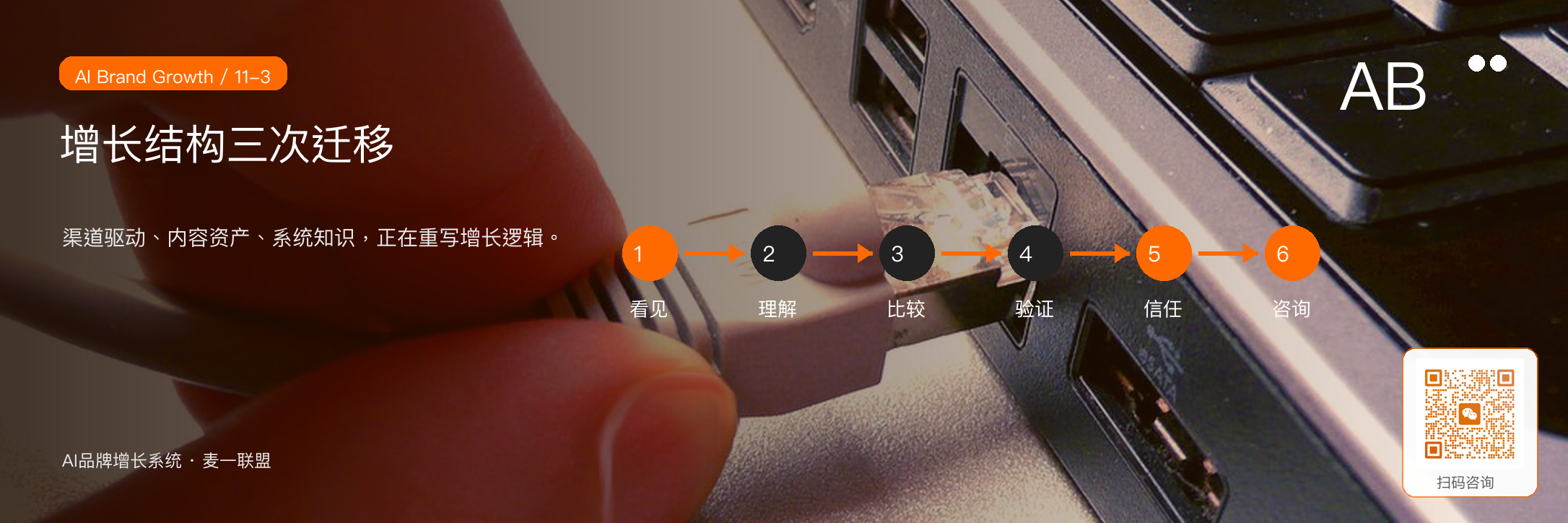
Figure 3: Growth is moving from channel dependence toward trust-building assets and systematized knowledge
04 | AI will reshape four key growth processes
The first is customer insight. Customer questions were once scattered across sales chats, presales meetings, comment sections, direct-channel inquiries and project reviews, with little systematic organization. AI can help turn those fragments into a frequently asked question library, identifying what customers truly care about, worry about and misunderstand.
The second is content production. Content need not rely on last-minute inspiration; it can be developed consistently from customer questions, brand positioning, case evidence and service methods. One customer question can become a WeChat article, a short-video script, a direct-channel discussion topic, sales Q&A and a diagnostic form.
The third is the sales response process. AI can organize content assets, case evidence, service processes and common objections into material salespeople can use. They can then guide customers through a consistent trust-building journey rather than explain everything from scratch.
The fourth is learning through review. Every inquiry, sale, lost opportunity and delivery response can feed back into the knowledge base, updating customer questions, content topics, sales guides and case structures. Instead of treating each activity as a one-off, the business can make the system better informed each time.
Connecting these four processes changes how growth is pursued. Previously, marketing published content, sales chased customers and delivery completed projects, each working separately. Now, when a customer problem enters the system, content, sales and delivery can work together around that same problem. Growth depends less on an isolated burst and more on coordination across the system.
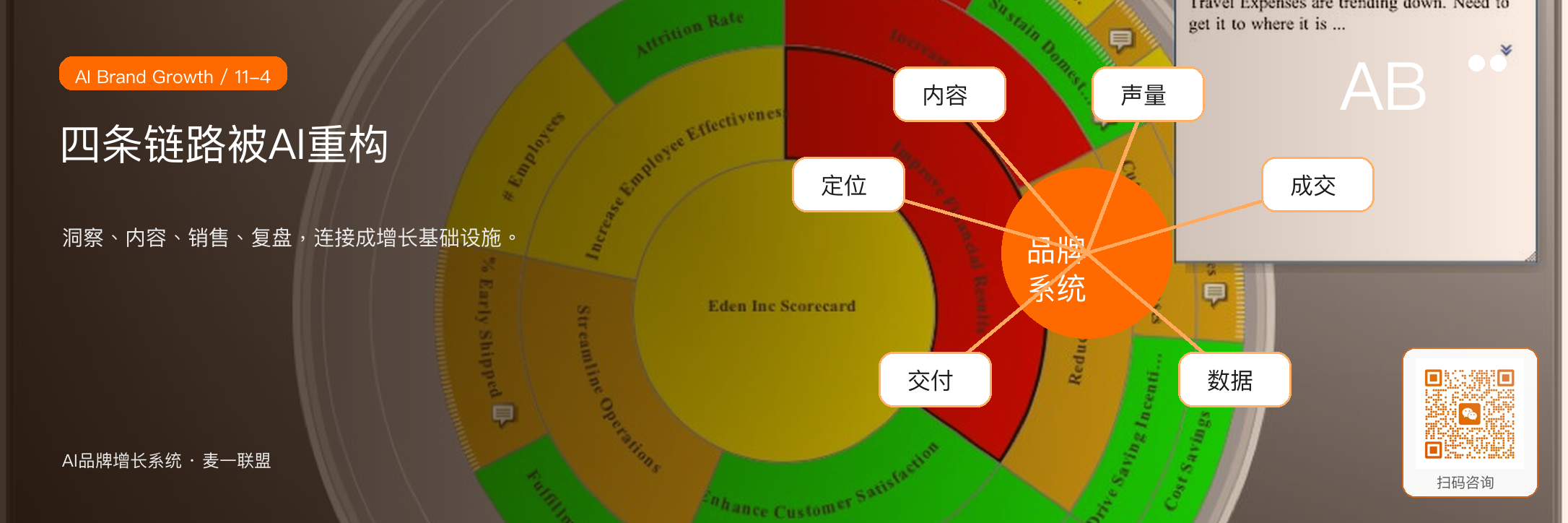
Figure 4: AI will reshape customer insight, content production, sales response and learning through review
05 | Without structure, AI amplifies the existing disorder
After adopting AI, many businesses briefly feel more efficient, only to discover that the underlying problems remain. They publish more articles, but customers still do not understand them. They have more short-video scripts, but the account still lacks direction. They have more sales scripts, but customers still do not trust them.
The reason is straightforward: AI amplifies the existing structure. Clear positioning lets it amplify clarity. Substantial cases let it amplify evidence. A coherent content system lets it reinforce that direction. Conversely, vague positioning, fragmented content, insufficient evidence and broken customer handoffs can also be reproduced faster and in greater quantities.
That is why more AI tools make sound underlying methods more important. Without brand positioning, even a polished prompt is only packaging. Without a customer question library, fast-generated content may miss real needs. Without a review process, additional automation may fail to create lasting assets.
AI does not let businesses bypass the fundamentals; it makes their importance more visible. Businesses need to ask whom they serve, what problems they solve, why they should be trusted, how customers should act and how experience should be retained. If these questions remain unclear, more powerful AI can produce more disorder.

Figure 5: Without a clear structure, AI can amplify existing disorder faster
06 | With structure, AI can become a brand brain and growth operating system
With a clear business structure, AI has a different role. It can become more than a writing, image-editing or customer-service assistant: it can serve as a brand brain and growth operating system.
The brand brain retains positioning, value propositions, customer questions, case evidence, service processes, sales objections and delivery experience. When writing articles, producing short videos, preparing proposals, answering customers or reviewing projects, the team can draw from the same knowledge foundation.
The growth operating system connects activities. Customer questions become content topics. Content reaches customers and generates inquiry feedback. Sales conversations build an objection library. Sales and delivery produce cases, which inform the next round of content and selling. Each step becomes an iteration of the growth system rather than an isolated activity.
Businesses should therefore not rush to compare which model is smarter. First ask whether the system is clear enough: is there a shared brand language, a stable customer question library, a reusable case structure, a standard sales response procedure, and a process for putting review data into the knowledge base?
This is the problem the AI Brand Growth System seeks to address. Branding should do more than manage image, content more than publish, sales more than persuade, and delivery more than complete projects. They should work together along the same customer trust journey.
07 | A 90-day plan to move AI from tool use into the growth structure
In the first 30 days, diagnose the structure. Before buying more tools, examine whether positioning, content, cases, sales, delivery and review are connected. Find the critical gaps where customers fail to understand, trust or act.
In the second 30 days, build the brand knowledge base. Organize white papers, cases, customer Q&A, sales objections, service processes, delivery procedures and review data into foundational material AI can use. A knowledge base is not merely a document warehouse; it is a foundation for the business's growth capabilities.
In the third 30 days, establish a small feedback loop. Choose one core customer problem and develop it into articles, short videos, sales Q&A, case evidence and an inquiry journey. Then return customer feedback to the knowledge base. Make the process work for one problem before applying it to others.
Once this loop is working, the business's use of AI changes. Instead of simply asking AI to write an article, it asks for content grounded in its brand system, customer problems and case evidence, with a clear next step, a review process and lasting value as an asset. AI changes the structure of growth, not just the tools. Restructure first, then amplify efficiency: that is how businesses can begin to benefit from growth opportunities in the AI era.
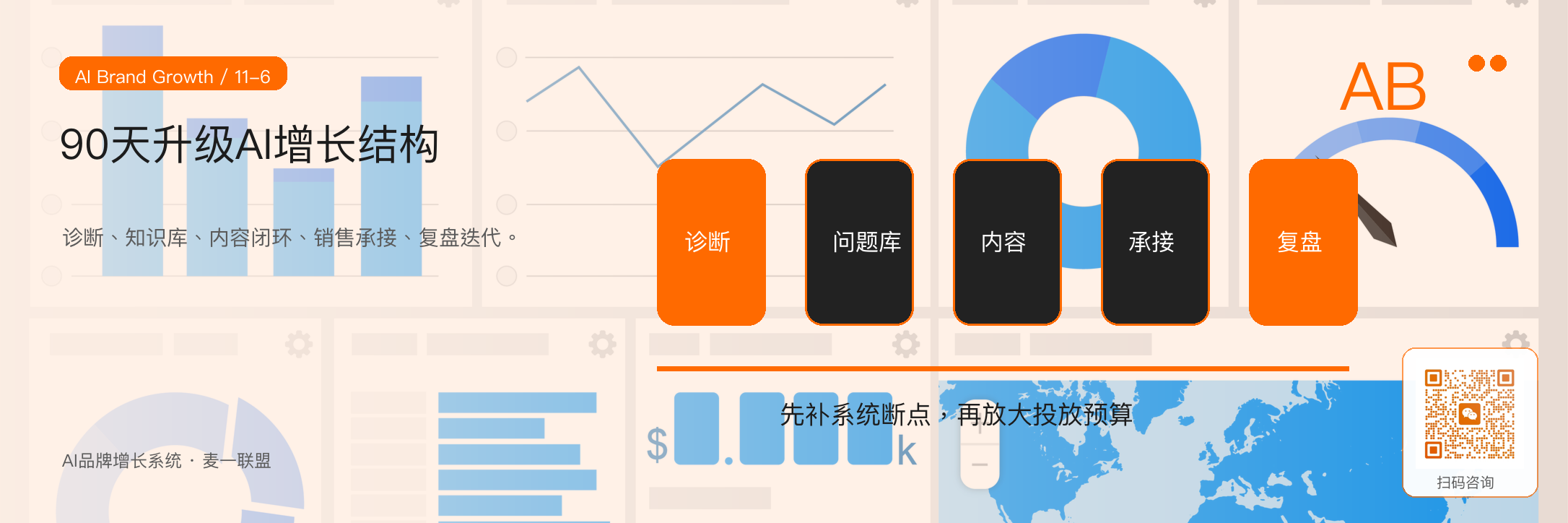
Figure 6: A 90-day plan for moving AI from tool use into a reusable growth structure
AI Brand Growth Diagnosis Start with an AI brand growth diagnostic to identify gaps in your growth structure, then decide which AI tools should improve its efficiency. |