System-Based vs. Single-Capability Companies: A Dividing Line for the Next Decade
AI Brand Growth System, Article 12 | The real difference is not a stronger individual activity, but a whole system that works together

Core assessment Over the next decade, the dividing line in business competition will not be who is best at buying traffic, shooting videos or producing designs, but who can connect positioning, content, visibility, trust, lead handling, delivery and review into a system. Single-capability companies rely on bursts of strength in individual areas; system-based companies build compounding benefits through structural efficiency. In the AI era, individual capabilities will become cheaper while integrated systems become more valuable. Original illustrations retain Chinese text. |
01 | Understand the dividing line: not company size, but system strength
When many business owners hear 'system-based company,' they assume it means something only large companies can afford: more departments, processes, tools and budget. They think smaller businesses should focus on survival and immediate tasks such as traffic, sales and delivery.
But the real change today is that system capability is no longer a luxury for large companies. It is a foundation for stable growth in smaller businesses. A company need not be large, but its growth activities must connect. A team need not have many people, but positioning, content, sales and delivery cannot each operate in isolation.
Single-capability companies work hard too. They advertise, publish content, shoot short videos, livestream, improve their websites, run events and train salespeople. But these activities lack a shared logic: solve one issue today, and another appears tomorrow.
More troublingly, a single-capability company struggles to locate the real problem. Fewer inquiries look like a traffic problem; slower deals look like a sales problem; customer distrust looks like a shortage of case studies; and low repeat business looks like a delivery problem. Each diagnosis may contain some truth, but without a system-wide view, the business keeps circling through isolated repairs.
A system-based company need not be the strongest in every area. It makes each area serve the same customer journey toward trust. Traffic creates visibility; content builds understanding; cases support belief; direct customer channels handle interest; delivery creates evidence; and review makes the next cycle more efficient. This is where the future dividing line lies.

Figure 1: Structural efficiency is the core difference between system-based and single-capability companies
02 | Typical symptoms of a single-capability company: many activities, unstable results
The defining feature of a single-capability company is that every part appears busy, yet overall results remain unstable. The content team chases trends, sales pursues customers, the advertising team pursues leads, the delivery team works on projects, and the owner moves from one problem to another.
The problem is not a lack of effort, but effort that does not compound. Today's video does not become a reusable brand perspective. This month's completed sale does not become case evidence. Recurring customer objections encountered by sales do not become topics for the next round of content.
As a result, every month feels like starting over. Changing platforms, creative assets, sales scripts or campaigns may produce short-term fluctuations, but does not build repeatable growth capability over time. The busier the owner becomes, the weaker the system remains; the more exhausted the team, the less certain growth becomes.
Another clear feature is that experience stays with individuals rather than entering the system. When a salesperson leaves, customer communication immediately suffers. When an operations specialist leaves, the content direction breaks down. When the owner gets busy, nobody can clearly explain the brand. The company appears to have talent, but lacks repeatable organizational capability.
Single-capability companies easily place their hopes in 'the next method.' They assume growth will improve once they find someone better at advertising, filming, writing or selling. Yet the real break is often not an individual's weakness, but the absence of a complete, deliberately connected path across activities.
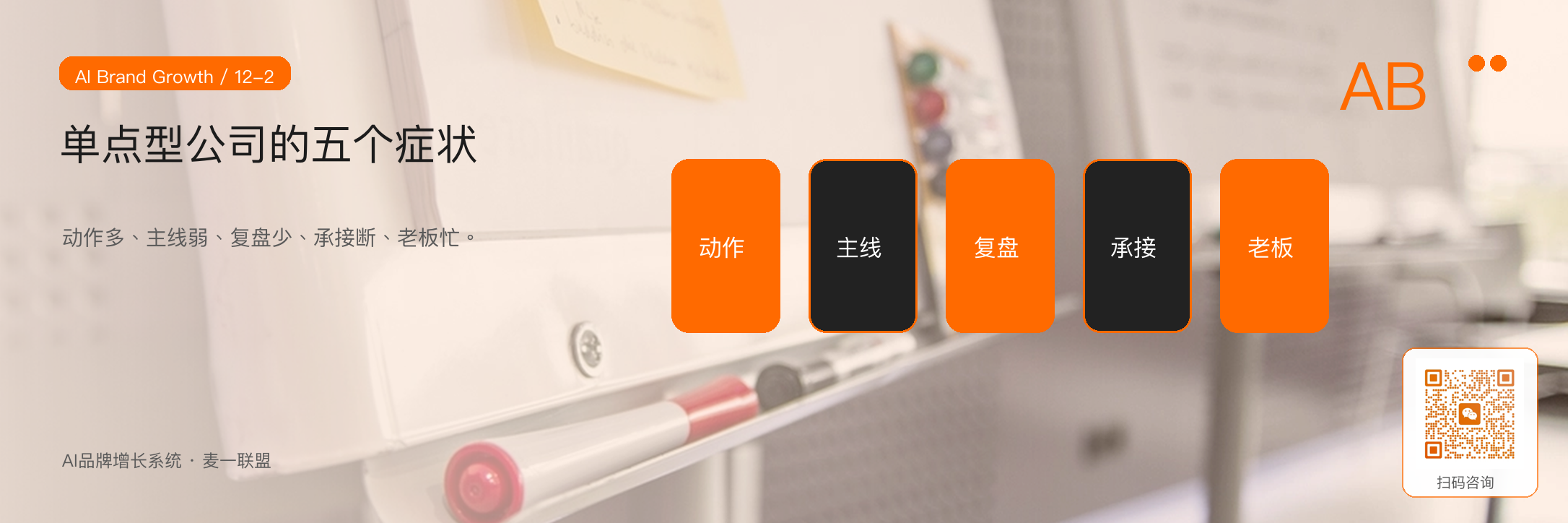
Figure 2: Single-capability companies carry out many activities but struggle to make growth efforts compound
03 | The essence of a system-based company: activities that connect and support one another
A system-based company is not defined by complicated processes, but by connected critical activities. From a customer's first encounter to an actual inquiry and purchase, each step provides clear information, credible evidence and an explicit next step.
It first defines whom it serves, which problem it solves and why it is different. Content then continually explains customer difficulties, cases demonstrate capability, direct customer channels and sales handle interest, and delivery outcomes inform the next round of content and sales.
Its most important capability is turning one activity into assets that can be reused. A consultation can document customer questions; a sale can become a case; delivery can capture a method; a lost opportunity can become a risk reminder; and a review can update the knowledge base.
This also distinguishes a system-based company from an ordinary execution team. An execution team completes tasks; a system-based company builds capability. The former asks whether the task is finished. The latter also asks whether it can make future content more accurate, sales more consistent, delivery clearer and customer trust easier to establish.
In this way, the business does not depend on ever more overtime to pursue results. Each operating activity becomes part of the growth system. Today's content supports tomorrow's sales; today's sales feedback informs tomorrow's topics; and today's delivery cases help the next customer develop confidence sooner.
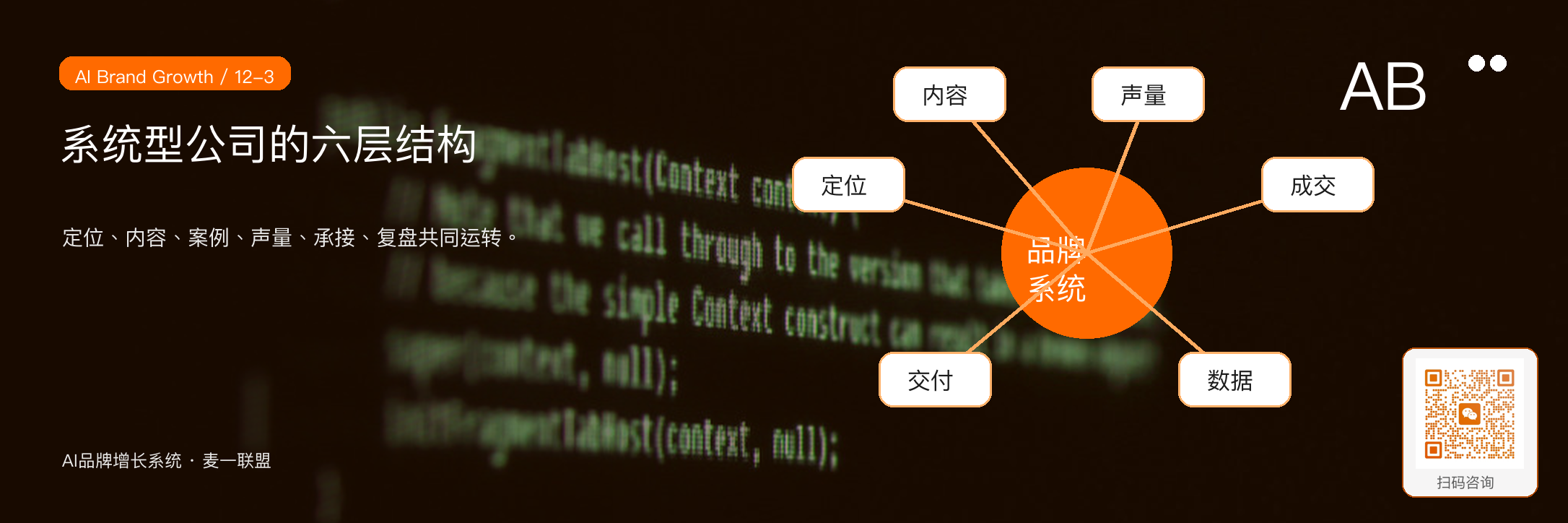
Figure 3: System-based companies connect positioning, content, cases, visibility, lead handling and review
04 | The core difference: looking at internal activities or the customer journey
Single-capability companies start with internal activities: how many pieces to publish today, how much to spend, how many short videos to shoot, how many customers sales should follow up with, and how many livestreams to run. Schedules are full, but how customers actually make judgments is often not carefully considered.
System-based companies start with the customer journey: why would a customer notice us? Can they understand us at first contact? Can they find evidence as they learn more? Do they know what to do when ready to inquire? What is their biggest concern before buying?
These two perspectives lead to very different growth outcomes. A focus on internal activities encourages quantity; a focus on the customer journey encourages understanding, trust and action. The former looks busy; the latter makes purchasing easier.
For example, when running a WeChat Official Account, a single-capability company asks what to post today. A system-based company asks which customer question the article answers, whether it reduces the explanations sales must repeat, and whether it connects cases, diagnosis and direct customer follow-up. Likewise, with short videos, the former pursues views while the latter pursues customer understanding.
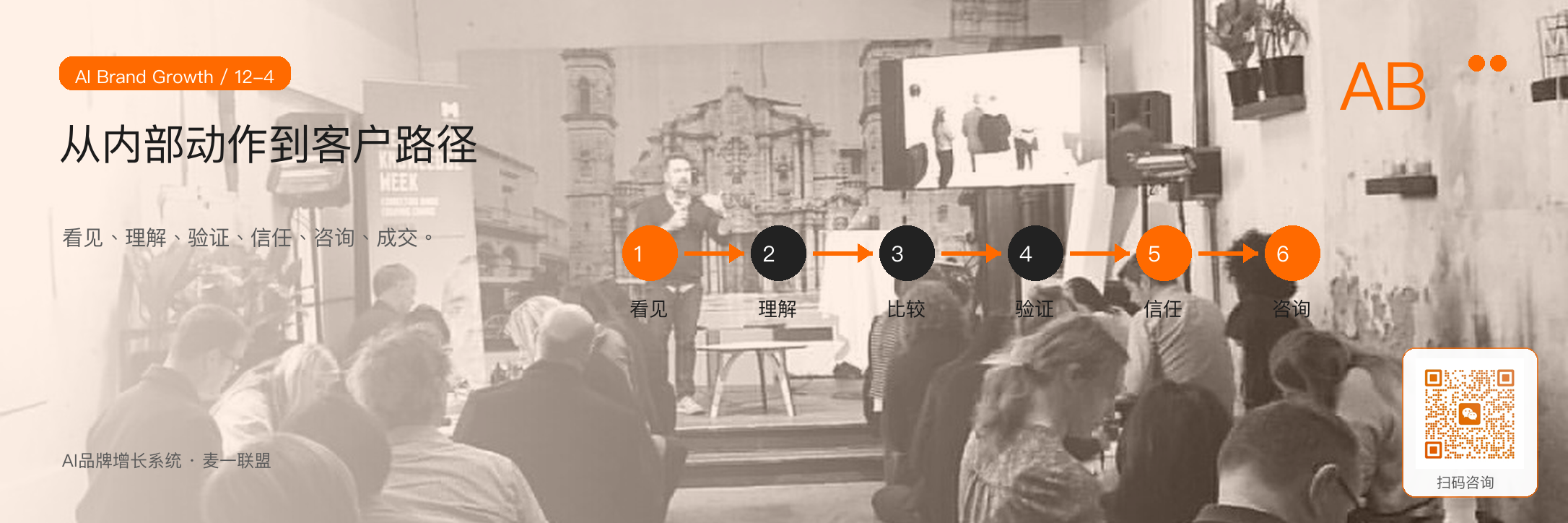
Figure 4: Move from an internal-activity perspective to a customer decision-journey perspective
05 | In the AI era, individual capabilities become less differentiating while system capability is amplified
AI will make many individual capabilities cheaper. Writing copy, making images, editing videos, organizing information, drafting sales scripts and preparing initial proposals will become faster, even though these tasks previously required considerable specialist time.
This is not a bad thing, but it also means that an individual capability alone becomes less defensible as a competitive advantage. You can use AI to write content, and so can competitors. You can use it to create assets, and so can they. You can use it to generate sales scripts, while customers can use it to compare you with alternatives.
What AI can truly amplify is system capability. Clear positioning gives it a clear message to extend. A solid customer-question library helps it produce useful content consistently. Complete case evidence helps it adapt material for multiple touchpoints. Clear sales and follow-up processes help the team draw on those resources more consistently.
Conversely, without a system, AI can magnify a single-capability company's problems: more content without a central direction, faster asset production without trust, richer scripts without evidence, and more automation with a more confused customer journey. Stronger tools require stronger structure to guide them.
Competition in the AI era is therefore not a contest in tool usage, but in system structure. Without a system, AI helps companies produce fragments faster. With a system, it helps them build reusable assets faster. Single-capability companies become busier, while system-based companies gain more compounding benefits.
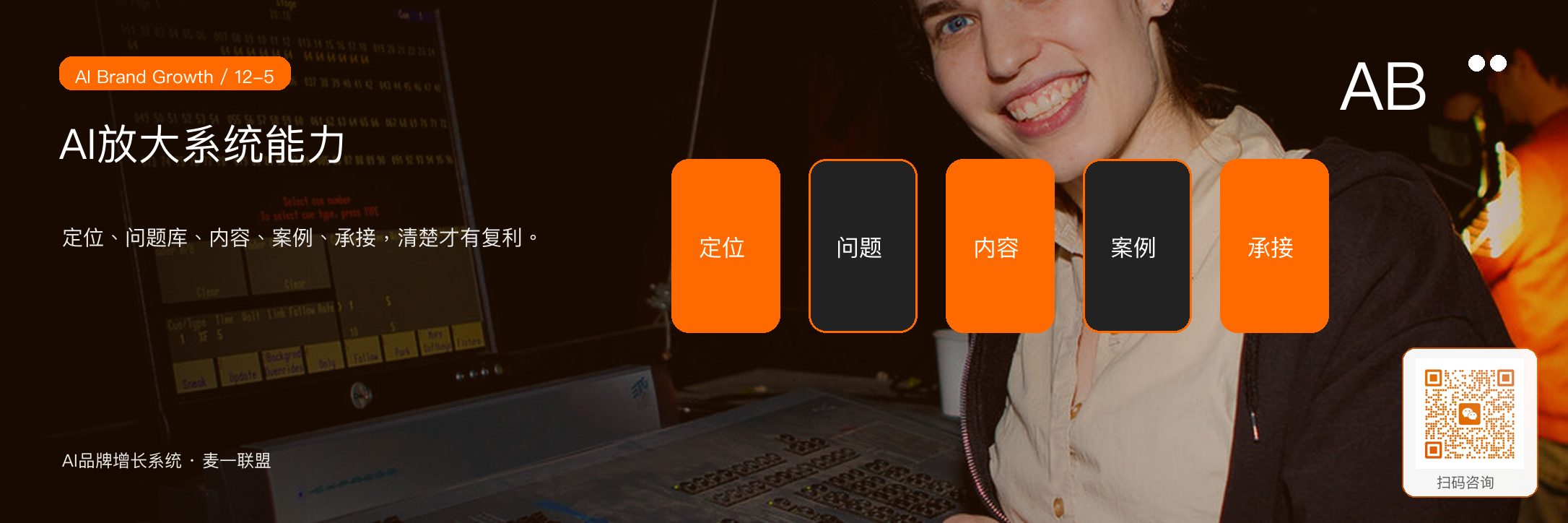
Figure 5: AI reduces differences in individual capabilities but amplifies system capability
06 | Six questions to assess whether your company is system-based
First, within ten seconds of seeing your business, can customers understand whom you serve, which problem you solve and why you differ from others? If not, the positioning and communication system is not yet established.
Second, is content consistently built around real customer questions rather than arbitrary trends? Third, do your cases explain context, problems, process, methods and changes, instead of presenting only a one-line result?
Fourth, once a customer becomes interested, is there a clear next step: further reading, requesting materials, booking a diagnosis, joining a direct customer channel or discussing cooperation? Fifth, can salespeople use shared materials and cases, rather than each relying on personal experience?
Sixth, does every consultation, sale, lost opportunity and delivery feed into a review that informs subsequent content, sales scripts and service improvements? If most of these six questions cannot be answered clearly, the business remains at the single-capability stage. The sign of a system-based company is not the number of activities, but a working feedback loop between them.
07 | A 90-day plan to develop isolated activities into a growth system
In the first 30 days, diagnose the system. Examine positioning, content, cases, visibility, lead handling, delivery and review together to locate the most important breaks. Do not begin by increasing budgets or rushing to change tools. First identify where customers fail to understand, believe or act.
In the second 30 days, complete the core assets. First unify brand communication, then organize the customer-question library, produce a set of core articles and short videos, develop three to five cases whose processes can be clearly explained, and create explicit entry points for consultations and diagnosis.
In the third 30 days, run a small feedback loop. Select one clear customer problem, reach customers through content, provide evidence through cases, handle interest in direct channels, test understanding through sales conversations, and update the knowledge base through review. Make one problem's path work before extending it to more business situations.
At this stage, do not try to complete every system at once. Build a small working example that can demonstrate the system's value. Once one customer problem can move from content to sales, from sales to delivery, and from delivery back to cases and review, the business has begun to develop the outline of systematic growth.
As this feedback loop takes shape, the company moves from isolated capabilities toward a system. Instead of merely asking 'What should we do today?', it asks how an activity fits into the system, helps customers understand and trust sooner, and makes the next growth cycle more efficient. The article's outlook for the next decade is that system-based companies will become more stable while single-capability companies face greater strain. This is the transition the AI Brand Growth System aims to help businesses make.
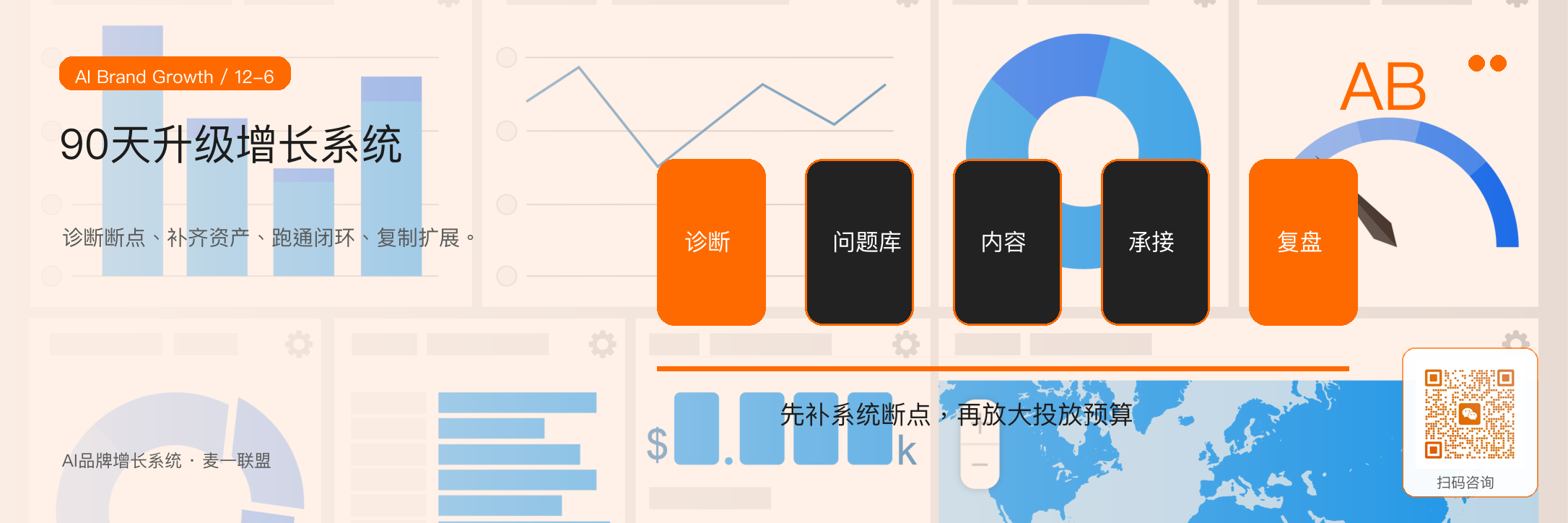
Figure 6: A 90-day plan to develop isolated activities into a reusable growth system
AI Brand Growth Diagnosis Start with an AI brand growth diagnosis to identify breaks between individual activities, then connect positioning, content, cases, lead handling and review into a growth system. |