What Do Customers Assess Before Choosing a Business?
AI Brand Growth System, Article 13 | Customers assess risk internally before they are persuaded by you

Core assessment Before choosing a business, customers are not primarily judging how impressive its pitch sounds. They assess five things: whether they understand the business, feel it understands them, believe it can deliver, know how cooperation begins, and consider the risk manageable. When growth becomes difficult, expensive traffic and low conversion are the visible symptoms; underneath, the customer decision journey often has not been systematically designed. Original illustrations retain Chinese text. |
01 | Change perspective: customers are assessing risk, not simply listening to your introduction
Many businesses introduce themselves by emphasizing 'what we have': years of experience, service offerings, team composition, successful cases, and capabilities in design, advertising, short videos, livestreaming, direct customer channels and AI tools. The more they say, the more they assume customers should be impressed.
Customers' actual thinking is often different. They are not sitting there admiring each item on a capability list. They are quickly asking themselves: do I understand this company? Does it understand my problem? Has it done similar work? Will cooperation be difficult? What risk will I bear if I choose wrongly?
In other words, the customer's core task before buying is reducing risk, not being persuaded. Choosing a business is fundamentally a search for a more manageable answer amid complex information. A company that helps customers understand, believe and feel reassured earlier is more likely to enter their shortlist.
This explains why many businesses have plenty of content and cases, and hardworking salespeople, yet conversions remain inconsistent. Customers may have a need but be stuck at an important decision point. You may think they are hesitating over price when they have not understood which problem you solve. You may think they are comparing proposals when they simply have not seen enough evidence.
Therefore, reviewing why customers did not choose you should not stop at 'Did sales follow up closely enough?' Ask which layer of judgment was left unsupported during their encounters with you. Did they fail to understand or to believe? Did they feel misunderstood, or not know how to begin?
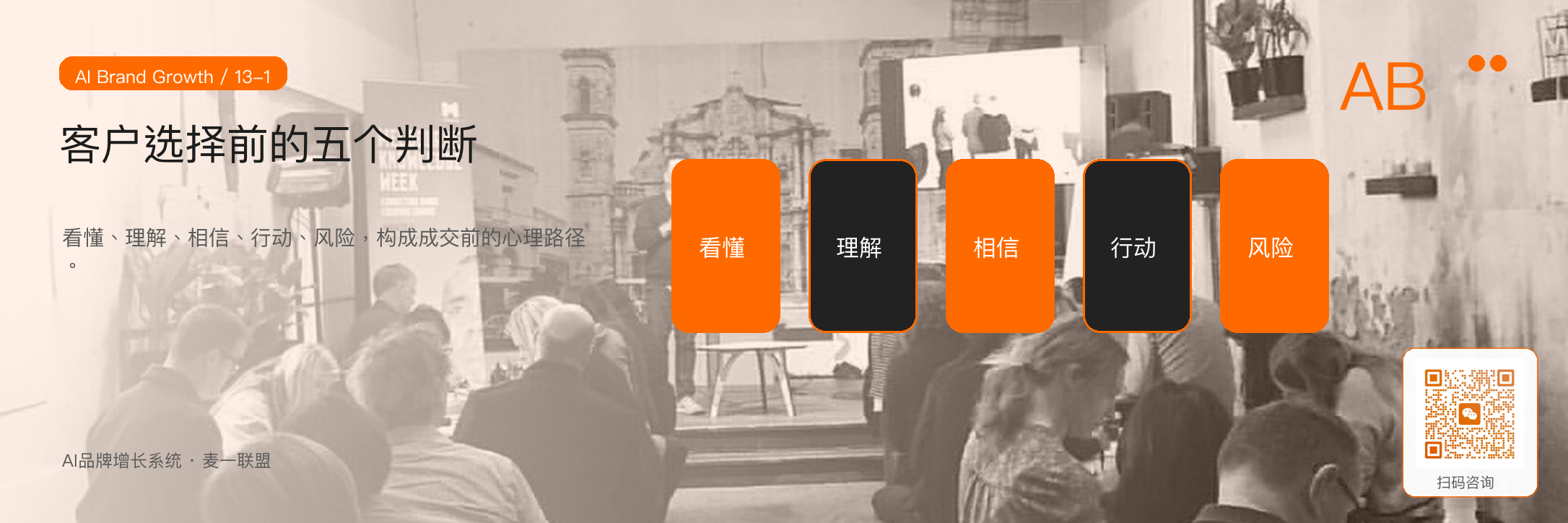
Figure 1: Customers assess five layers of risk before choosing a business
02 | First judgment: do I understand you?
The customer's first judgment is simple: can I quickly understand who you are, whom you serve, which problem you solve and how you differ from others? If that test is not met, subsequent trust, inquiries and purchases are all much harder to achieve.
This is precisely where many businesses struggle. The WeChat Official Account publishes industry insights, short videos feature the owner's views, the website presents a company profile, and WeChat Moments shares project updates. Each touchpoint says something, but customers cannot assemble a clear picture. They see plenty, yet do not know whom you are best equipped to help or with what problem.
When positioning is expressed vaguely, customers tend to classify a business as an ordinary supplier. That means substitutability, price comparison and a decision that can be postponed. Later claims about professionalism, cases or service attitude still struggle to distinguish it from similar suppliers.
The first problem the AI Brand Growth System aims to address is customer understanding. Rather than making the business sound more complicated, it clarifies its intended customers, core problem, method and distinctive value. Clarity is the first step in building trust before a sales conversation.

Figure 2: Before a purchase, the key is helping customers reduce decision risk, not merely persuading them
03 | Second judgment: do you really understand my problem?
Once customers understand what you do, they move to a second judgment: do you understand their problem? 'Understanding' here is not the statement 'We understand customer needs.' It is the ability to accurately describe their current difficulties, tensions and genuine concerns.
For example, a business owner seeking brand growth services may say they want content, better conversion or a redesigned brand identity. A deeper issue may be rising advertising costs, a team unsure what to say, excessive explanation required from sales, inconsistent repeat business, or an owner who has become the driving force behind every growth activity.
If content only lists services, customers see a service seller. If it articulates their difficulties, misconceptions and breaks in their system, they may feel the business genuinely understands them. Trust begins when customers feel understood.
This is why WeChat articles, short-video scripts, livestream topics and sales scripts should not be written independently. They should all draw from the same customer-question library. The more consistently, accurately and deeply a company explains customer problems, the more likely customers are to consider it worth exploring further.
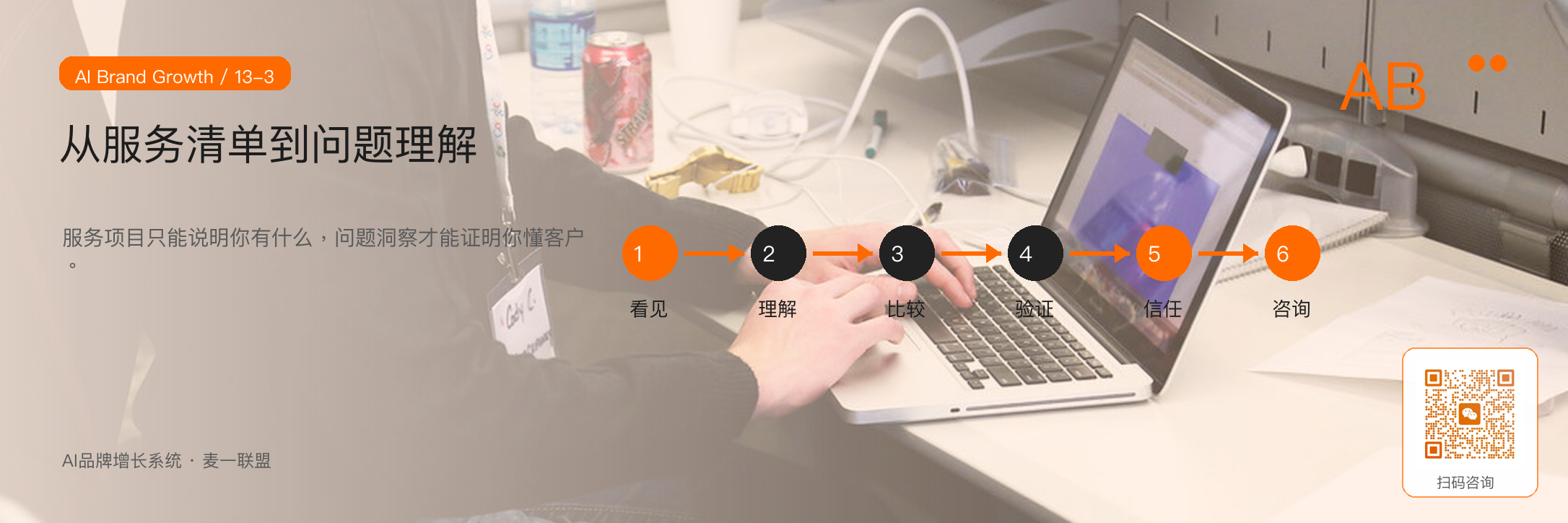
Figure 3: Moving from service lists to customer problems makes a brand easier to understand
04 | Third judgment: why should I believe you can deliver?
Feeling understood does not mean customers immediately believe you can solve their problem. The third judgment concerns evidence: what proves that you can do the work? At this point, many businesses instinctively present cases, client lists, awards and screenshots.
But customers need more than 'you have done it.' They need to understand how it was accomplished. An effective case should explain at least four things: the customer's original problem, the critical break you identified, the method used to address it, and the changes that followed.
I have seen many company case studies with attractive pages and striking results, yet customers still finish reading without understanding their relevance. These cases show achievements without process, results without methods, and prominent customer names without explaining how the problem was solved.
Cases that genuinely build trust can be reviewed, adapted and compared. Customers can recognize their own situation while seeing your judgment, systematic method and execution path. A case then becomes evidence that prepares the ground for sales, rather than a display item.
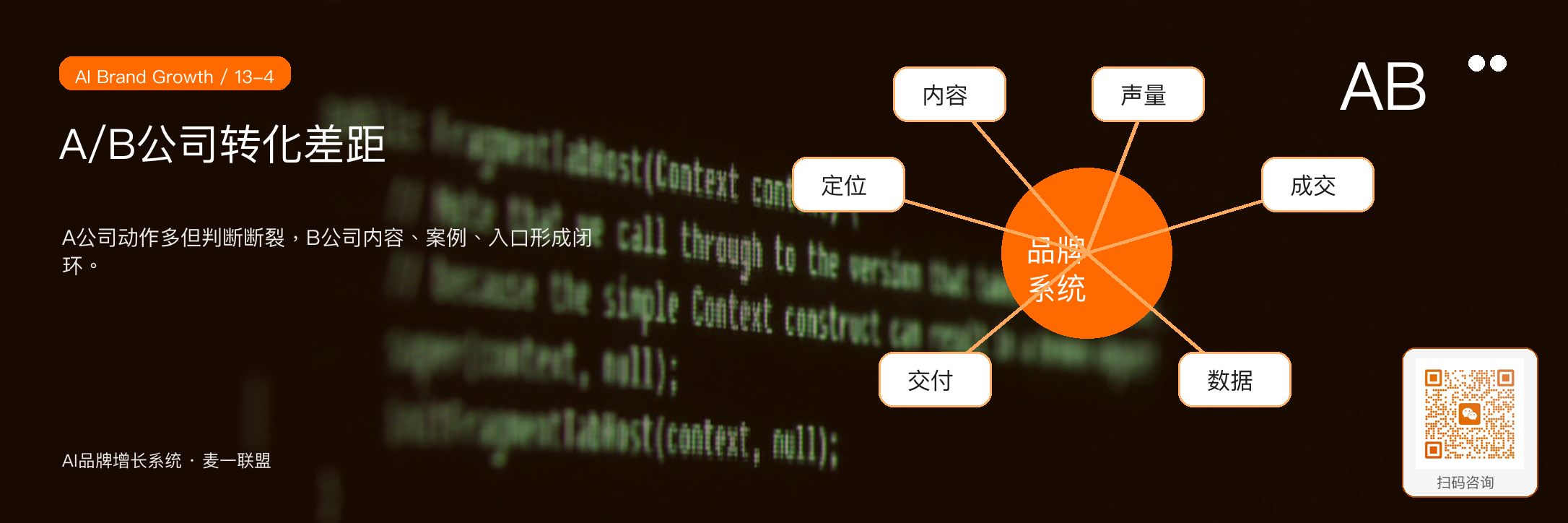
Figure 4: The difference between Company A and Company B is how smoothly customers can make their judgments
05 | An illustrative case: Company A does more, while Company B makes customer judgments easier
Both companies offer business brand growth services. Company A works diligently: its WeChat Official Account publishes three times a week, its Channels account updates regularly, its Moments feed posts projects daily, and sales follows up proactively. Yet after making an inquiry, customers still ask basic questions: what do you mainly do? How are you different from an advertising agency? Are we a suitable fit? How does cooperation work? How long might it take to see changes?
This indicates that Company A's abundant content has not done the work of supporting customer judgments. Content has not clarified positioning, cases have not helped verify capability, direct customer channels have not supported the next action, and sales must explain everything from scratch repeatedly. Slow sales conversion is the visible problem; underneath, brand trust has not been established earlier.
Company B takes a different approach. It first identifies the five judgments customers make before choosing: clarity, understanding, belief, action and risk. It then assigns content assets to each: an overview article explaining positioning, a series addressing common customer difficulties, three case reviews demonstrating methods, a diagnostic form supporting inquiries, and a delivery-process explanation reducing concerns about cooperation.
Company B does not necessarily publish more, but its customer journey is smoother. Before inquiring, customers already know whom it serves, how it differs from ordinary outsourced account management, which similar problems it has addressed, and that diagnosis can be the first step. Sales no longer persuades from zero, but clarifies needs on top of existing understanding. The difference between the companies is not effort, but whether the customer decision journey has been designed.
This kind of review is especially important for smaller businesses. They may not have large budgets for repeated trial and error, but clearer communication, stronger cases and smoother follow-up can reduce uncertainty earlier. Often, improved growth efficiency comes not from more leads, but from helping each lead complete the judgments needed to decide.
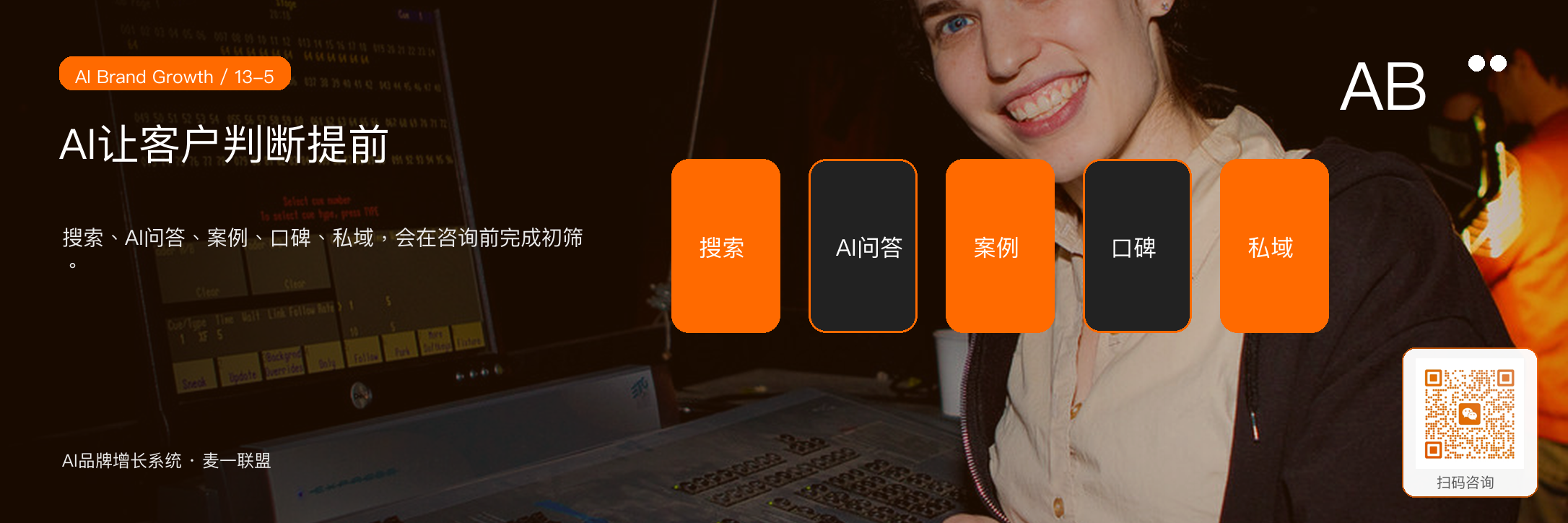
Figure 5: In the AI era, customers can search, compare and screen options earlier, before making an inquiry
06 | In the AI era, customer judgments happen earlier, faster and more analytically
Previously, customers might need several conversations with sales to gradually understand a company. Today, they may first search for it, read its WeChat Official Account, browse Channels videos, look at clues on Moments, or use AI to summarize its services, compare competitors and prepare a question list.
This means judgments can happen earlier. Often, before making an inquiry, customers have already formed an assessment: is the message clear, the content professional, the case evidence credible, the next step accessible, and the company as a whole worthy of trust?
AI also makes comparison easier. Customers who previously avoided comparing ten companies can now use AI to identify differences quickly. Those who struggled with specialist proposals can use it to turn complex wording into decision points. Businesses that merely pile up concepts, services and sales language become easier to see through.
Brand growth in the AI era is therefore not about producing more content, but making the information needed for customer judgments more complete, clearer and more verifiable. The brand brain, content factory, case library, sales materials and delivery procedures should all serve one purpose: helping customers reach lower-risk judgments sooner.
07 | Rework your brand growth system with a customer decision checklist
To assess the health of your brand growth system, begin with five self-check questions. First, within ten seconds of seeing your business, can customers say whom you serve, which problem you solve and why you are different? Second, does your content consistently address their real difficulties, rather than only introduce your business?
Third, do your cases explain the problem, judgment, method and changes, rather than simply display results? Fourth, once interested, do customers have a clear next step, such as requesting materials, booking a diagnosis, joining a direct customer channel or viewing a case collection? Fifth, have you explained and reduced the risks customers worry about most before cooperation?
These five questions correspond to the five judgments before choosing. Clarity addresses the risk of misunderstanding; feeling understood addresses needs-related risk; belief addresses capability risk; action addresses uncertainty about the path forward; and manageable risk addresses decision risk. A break at any layer can make customers slower, more hesitant or silent.
The next step is not immediately increasing advertising spend or continuing to pile up content. It is rebuilding the growth infrastructure around these five judgments: unify positioning, build the customer-question library, explain case reviews clearly, establish clear inquiry entry points, and turn recurring concerns from sales and delivery into content assets.
This may look like content optimization, but it is fundamentally an improvement to the operating system. Once the customer decision journey is clear, content teams know what to write, sales knows what to explain, delivery knows what to document, and the owner can see where growth is getting stuck.
When these assets connect, the customer's choice no longer depends solely on one sales conversation. Judgments develop through every encounter with the business: seeing it, reading about it, hearing about it and interacting with it. A good brand growth system does not decide for customers. It gives them sufficient reasons, before choosing, to believe that this is a more dependable option.
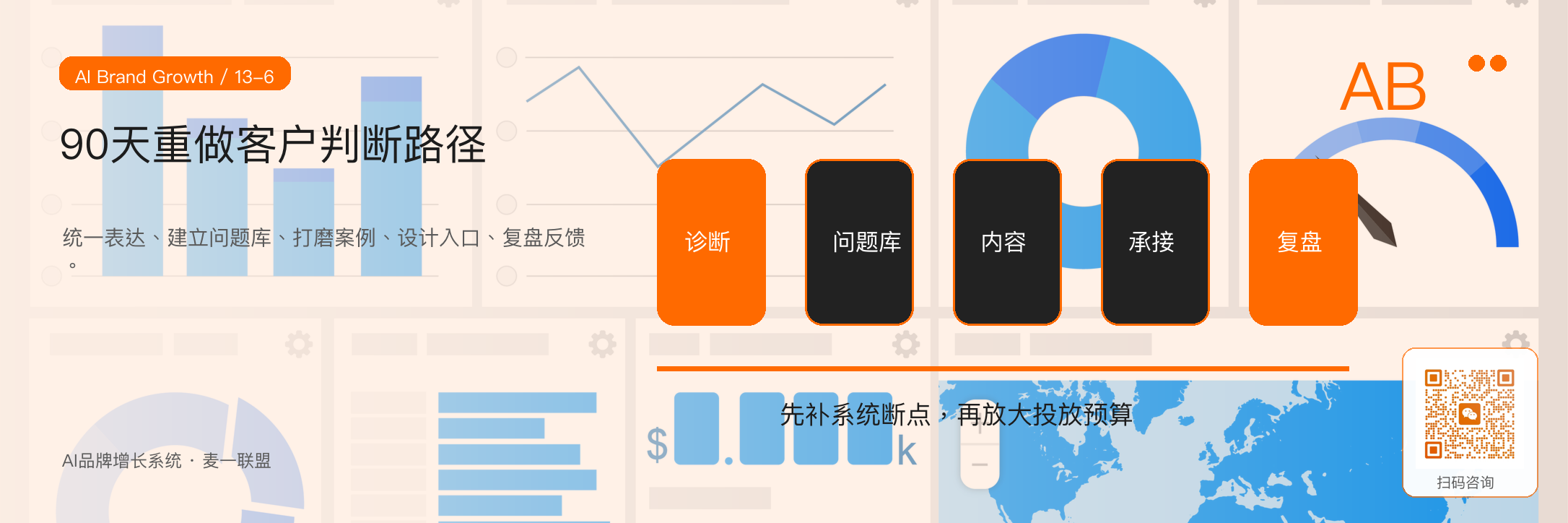
Figure 6: A 90-day plan to rebuild the customer decision journey as reusable growth infrastructure
AI Brand Growth Diagnosis Start with an AI brand growth diagnosis to locate breaks in the five customer judgments: clarity, understanding, belief, action and risk. Then connect content, cases, sales and delivery into a brand growth system that makes the business easier to choose. |