A Brand Is Not a Logo or Slogan: Defining Brands in the AI Era
AI Brand Growth System, Article 15 | A real brand gives customers reasons to choose and gives the business a system for earning trust

Core assessment When many businesses discuss branding, they think of changing a logo, writing a slogan, upgrading visual identity or producing a corporate video. These matter, but they are outward expressions of a brand, not the brand itself. In the AI era, the meaning of a brand is changing: it is not who you say you are, but whether customers have enough reason to keep choosing you before contact, after understanding you and while comparing alternatives. Original illustrations retain Chinese text. |
01 | Start by correcting a misconception: a brand is not an attractive appearance
When businesses work on their brand, their first instinct is often to hire a design firm to revise the logo, choose a more sophisticated palette, write a stronger slogan and produce a more polished corporate video. Owners feel the company finally looks like a brand, and teams feel its public presentation has improved.
Do these activities have value? Yes. Good visual design can improve recognition, a good slogan can aid communication, and good materials can make a better first impression. But stopping there leaves the brand at the surface.
The real issue is that a more attractive logo does not necessarily earn trust, and a catchier slogan does not immediately win an order. Customers care about whom you serve, which problems you solve, why you are credible, why they should contact you now and whether the risks of working together are manageable.
Without systematic answers to these questions, even a beautiful brand is only packaging. The business believes it has built a brand, but customers still do not know why to choose it.
This explains why conversion often changes little after a brand upgrade. The appearance becomes more sophisticated, but the customer's assessment process stays the same. Materials become more consistent, but the content lacks a clearer central direction. The slogan reads better, but the effort required to explain the offer does not fall. What needs upgrading is not just visual identity, but how customers understand and trust the business.

Figure 1: Logos and slogans express a brand; they are not the brand itself
02 | Logos and slogans are outputs of brand expression, not the brand itself
A logo is a recognition symbol, a slogan a verbal hook and a visual identity a visual system. All belong to the expression layer of a brand. This layer matters, but it should emerge from deeper decisions: which problem the business wants to be known for, whom it serves, what value it provides and what trust it seeks to establish.
Without these underlying decisions, logo development becomes a debate about taste, and a slogan can become an empty statement. Phrases such as 'Making growth simpler,' 'Your most trusted business partner' or 'Redefining industry services' may sound reasonable, but do little to help customers understand actual capabilities.
Branding should not begin with an attractive phrase that the business must then fit. It should first clarify customer problems, business capabilities, delivery processes and distinctive value, then express those decisions through visuals, language and content.
When working on a brand, ask not only whether the design looks good, but whether its expression helps customers understand the business faster, reduces the effort required in sales explanations and supports subsequent content, cases and inquiries.
A new logo without reconstructed messaging is only a new appearance. A new slogan without a foundation of customer problems and cases is only another line of copy. Effective brand expression must work in actual business settings: salespeople can use it, content teams can develop it, customers can understand it and delivery can substantiate it.
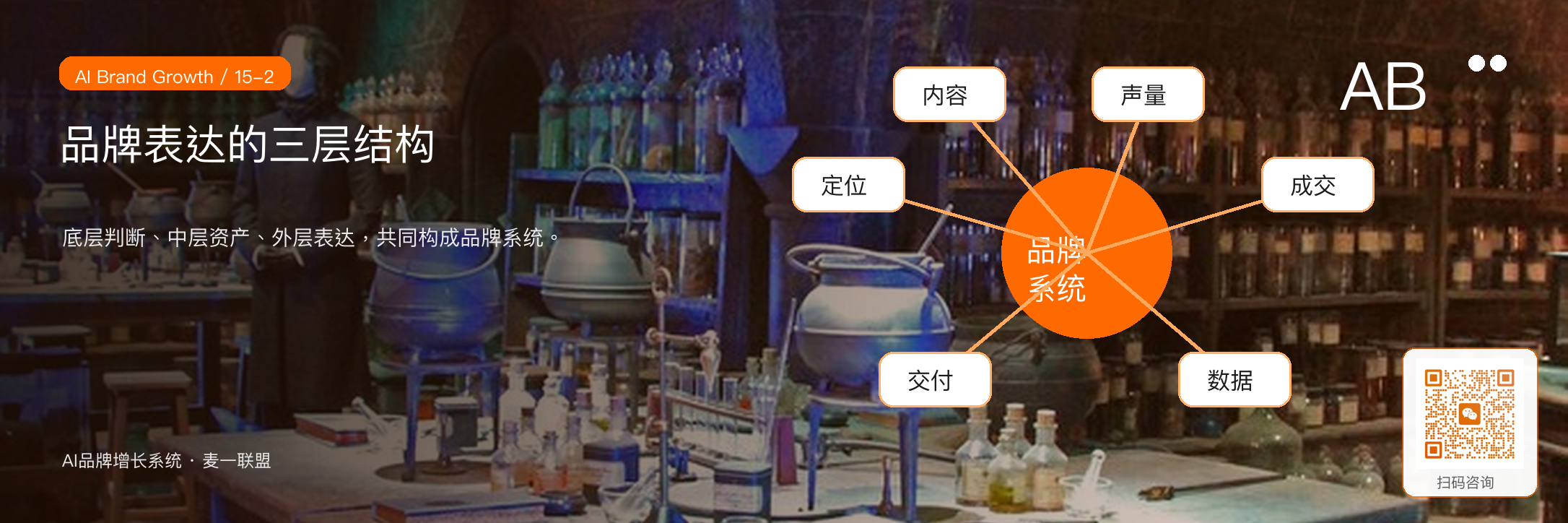
Figure 2: A brand needs a system connecting underlying decisions, supporting assets and outward expression
03 | In the AI era, a brand is first a system that customers can understand
Many businesses used to view branding primarily as communication: get more people to know us, remember us and consider us professional. That logic still matters, but is no longer enough. Customers face too much information and too many options, while AI tools make comparison easier.
Before meeting a salesperson, a customer may already have made an initial assessment through Official Accounts, short videos, WeChat Moments, websites, cases and AI search. They consider more than appearance: do you explain things clearly, understand them, offer enough evidence and deserve a further inquiry?
A brand in the AI era is therefore first a system for understanding. Across different touchpoints, it should help customers repeatedly reach the same assessment: this company is clear about the problems it solves, its methods, its case evidence and how to begin working together.
A brand genuinely takes shape in customers' minds when each encounter makes you easier to understand, each further interaction gives them more confidence and each comparison makes your differences easier to see.
In other words, a brand is no longer merely a set of marketing materials. It is a consistent explanatory framework the business establishes in customers' minds. The easier it is to describe you in one sentence, the easier it becomes to recommend you and remember you when a need arises.
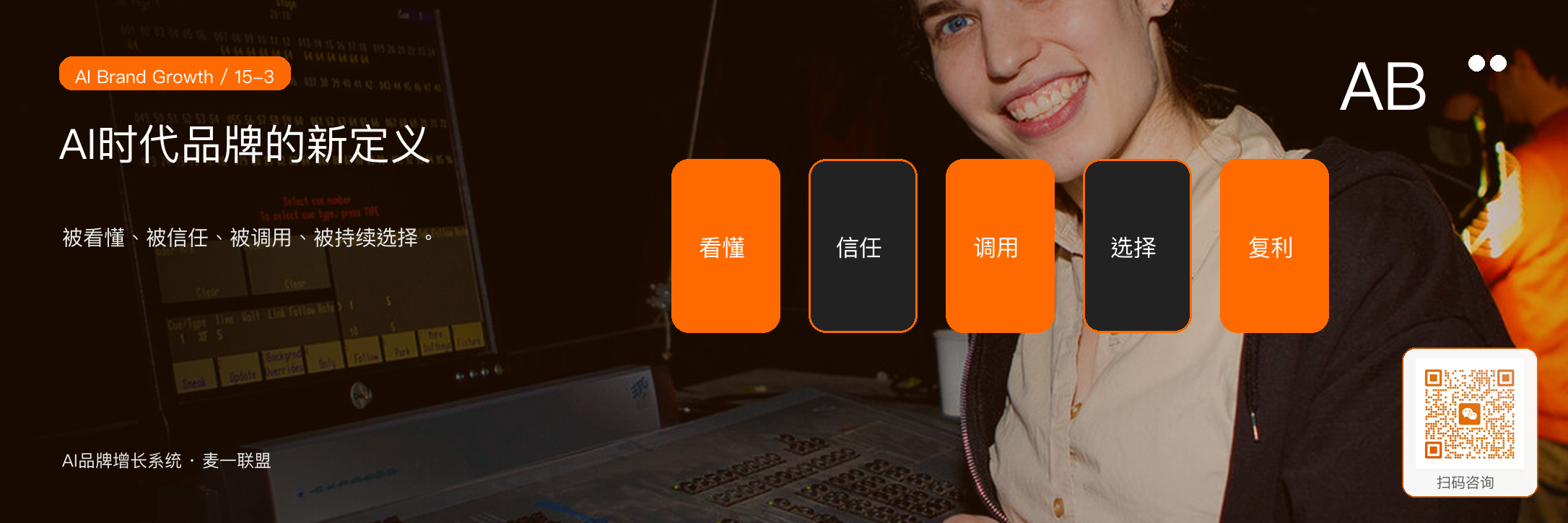
Figure 3: In the AI era, a brand should become a framework customers can understand and draw on
04 | The core function of a brand is to reduce the cost of choosing
Many owners equate branding with earning a price premium. That is not wrong, but the premium is an outcome rather than a cause. A brand begins by reducing the customer's cost of making a choice.
Choosing a business involves many costs: understanding, comparison, communication, trial and error, and decision risk. A clearer brand is easier to understand; a more credible brand requires less repeated verification; a more systematic brand makes the next action easier to identify.
This is why some businesses spend heavily on advertising yet convert customers slowly. Customers have seen them, but have not formed a clear assessment. Traffic brings people to the business; the brand explains why they should keep learning about it.
A brand is therefore not an image exercise displayed at the entrance. It is growth infrastructure that helps customers make a choice more efficiently. It gives content a clearer direction, makes sales work easier, strengthens cases and builds some trust before a formal inquiry.
Owners should judge a brand's contribution not by compliments about sophisticated design, but by whether customers ask fewer basic questions, salespeople explain value more easily, discussions become less dominated by low-price comparisons and existing customers are more willing to refer others.

Figure 4: A brand's core function is to reduce the cost of choosing a business
05 | To become trust assets, visual assets must extend into content, sales and delivery
When branding stays at the visual level, the business may look consistent while its growth activities remain disconnected. The Official Account lacks topics, short videos follow trends, salespeople improvise explanations and completed projects leave no reusable assets. Customers see an attractive exterior rather than a credible system.
Real brand assets must extend into content, sales and delivery. In content, this means repeatedly explaining the customer problems the brand wants to be known for. In sales, it means giving the team consistent viewpoints, cases and materials. In delivery, it means turning service results into new evidence.
Branding is not solely the design department's or marketing department's responsibility. It is part of the operating system of the business, connecting customer understanding, content production, sales and inquiry handling, project delivery and review feedback.
When a brand becomes an asset for earning trust, the business no longer has to explain itself from zero each time. Customers understand it through articles, verify it through cases, engage in private-domain channels, confirm their assessment through sales conversations and continue to trust it through delivery results.
The brand then becomes useful, not just attractive. Instead of a visual identity manual forgotten in a folder, it is a growth asset used every day in content, sales and delivery.
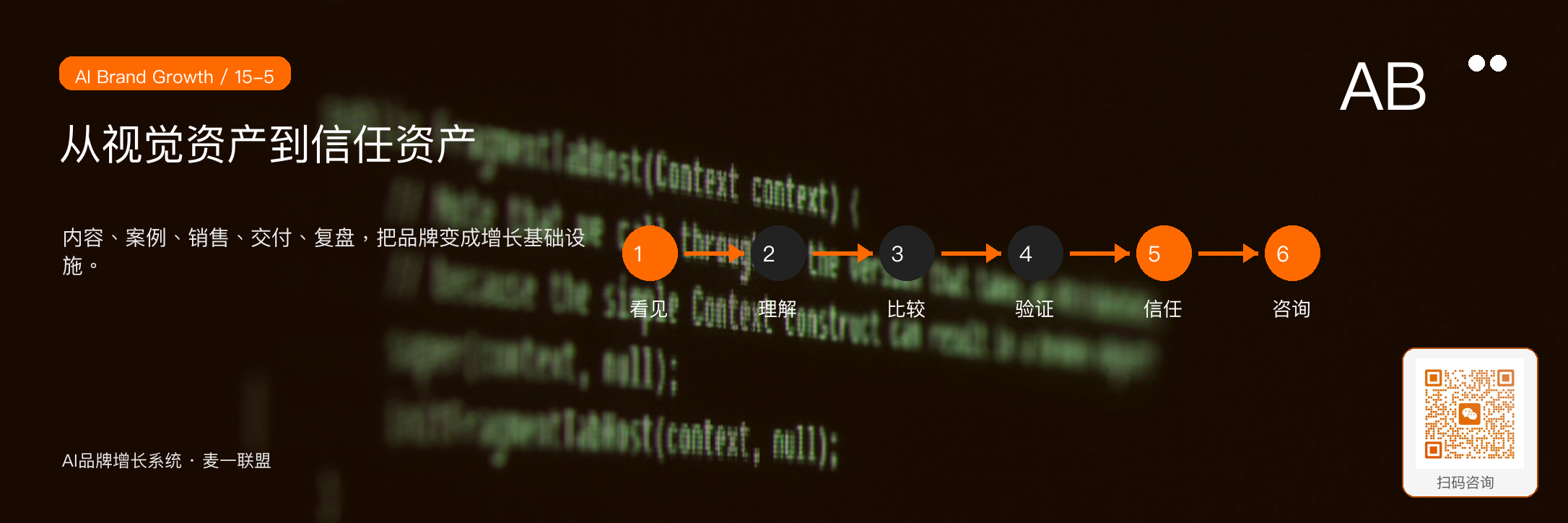
Figure 5: A brand becomes a trust asset when it is used in content, sales and delivery
06 | AI reshapes branding by amplifying the real system, not simply repackaging it
AI introduces a change in brand building. Much of the messaging that previously required repeated writing, explanation and organization can now be supported by a brand brain containing positioning, customer questions, core viewpoints, case evidence, sales objections and delivery SOPs.
With a brand brain, AI can help teams produce Official Account articles, short-video scripts, livestream outlines, sales materials, case reviews and customer diagnostic forms more quickly. The prerequisite is sufficiently clear underlying brand information.
Without clear positioning, AI generates more generic messaging. Without a customer-question library, it encourages pursuit of more commonplace trends. Without case evidence, the content it writes will struggle to build genuine trust.
AI does not create a brand out of nothing. It amplifies the understanding the business has already captured. Clear foundations support consistent output; confused foundations can turn into still more content noise.
07 | Redefining a brand starts with five questions
To redefine your brand in the AI era, begin with five questions. First, when customers encounter you for the first time, can they understand within ten seconds whom you serve, what problem you solve and how you differ from others?
Second, is your brand associated with a clearly defined customer problem, rather than a broad industry concept? Third, does your content consistently explain that problem, rather than alternate between unrelated trends and viewpoints?
Fourth, do your cases substantiate your methods and results, rather than merely display client names and attractive outputs? Fifth, do sales, private-domain channels, delivery and review repeatedly reinforce the same understanding of your brand?
These five questions are the starting point for moving from visual branding to system-based branding. The aim is not to reject logos and slogans, but to place them alongside content, cases, sales and delivery in one system that serves customers' choices.
For implementation, you can spend 30 days aligning positioning and messaging, another 30 organizing customer questions and case evidence, and another 30 connecting Official Accounts, short videos, sales materials and the diagnostic entry point into one path. Make the process work for one core customer problem before gradually extending it to other business situations.
In the AI era, the true meaning of a brand is not better self-packaging, but clearer customer understanding, more sustained trust and more consistent selection. Ultimately, a brand is not a label you attach to yourself. It is the reason customers are willing to put you on their shortlist when facing complex choices.
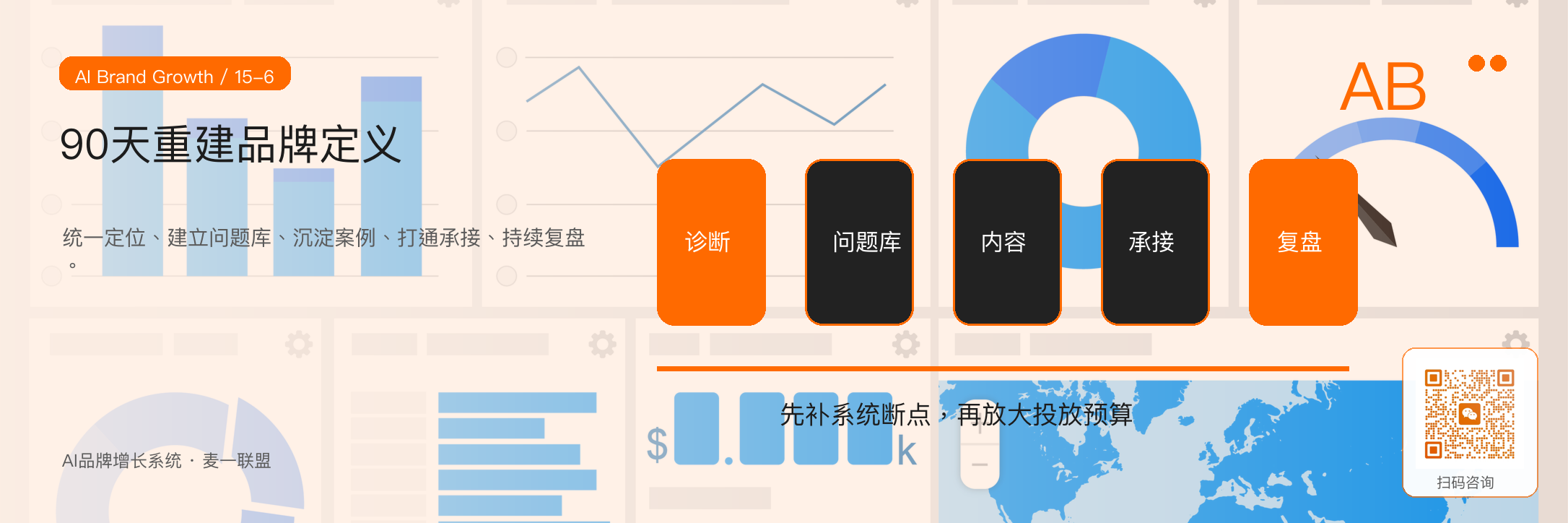
Figure 6: A 90-day plan to develop visual branding into a reusable brand growth system
AI Brand Growth Diagnosis Start with an AI brand growth diagnosis to assess whether your brand remains at the logo-and-slogan level. Then connect positioning, content, cases, sales and inquiry handling, delivery and review into a brand system that supports customers in continuing to choose you. |