Customers Are Educated in Advance, Not Simply Persuaded
AI Brand Growth System, Article 16 | A sale is built through the ongoing development of customer understanding, not just at the sales meeting

Core assessment Many businesses place their hopes for a sale on the salesperson's final push: stronger language, harder closing tactics or a larger discount, and the customer will buy. But in the AI era, customers are not suddenly persuaded at a sales meeting. As they encounter, understand, compare and verify a business, they are educated in advance, develop evaluation criteria and reduce the risks of their decision. Original illustrations retain Chinese text. |
01 | Rethink the sale: sales takes the next step, rather than starting with persuasion
When conversion becomes a problem, many owners first assume that their sales team is not strong enough. If a customer does not buy, the salesperson did not push hard enough; if the customer hesitates, the pitch is not sharp enough; if the customer compares options, the pricing strategy is not flexible enough. The business then trains its salespeople, refines its pitch, designs offers and intensifies follow-up.
These actions can certainly help, but they address the latter half of the buying process. The real break often occurs before the customer enters a sales conversation. Before making an inquiry, the customer has already formed an initial judgment through your WeChat articles, short videos, WeChat Moments posts, cases, website and comparisons with competitors.
If the customer has not understood your business or the problem, or gained confidence in your approach beforehand, sales has to explain everything from scratch. The harder sales works, the more it is compensating for missing trust earlier in the process. The less familiar the customer is with you, the more easily the conversation becomes a price negotiation.
This leads to an important judgment in the AI Brand Growth System: sales should not force unfamiliar customers to be persuaded. It should take the next step with people who have already been educated, gained a basic understanding and begun to trust the business. A sale is not an isolated moment, but an outcome built on a period of developing understanding.
What a business should really review is not whether the salesperson got the final sentence right. It is whether, before speaking with sales, the customer had already learned from the content, seen cases, understood the diagnostic reasoning and recognized why they needed this system.

Figure 1: A sale is prepared through customer understanding, not suddenly created at the sales meeting
02 | Why on-the-spot persuasion is becoming harder
In the past, salespeople had more room to persuade customers on the spot. Customers had less information, fewer choices and less knowledge of the industry's solutions. A business could potentially move them toward a purchase by explaining its capabilities, showing cases and presenting a price during the meeting.
Things are different now. Customers have many sources of information, are better able to compare options and go through longer decision processes. An owner preparing to buy brand growth services may already have read more than a dozen articles, watched dozens of short videos, asked friends and used AI to organize a list of questions.
This means customers arrive at a sales conversation with assumptions and questions of their own. They are not blank slates; they are assessing risk. An attempt to persuade them on the spot may make them more cautious: Are you simply trying to sell to me? What evidence supports what you say? Is there a safer choice?
On-the-spot persuasion is harder because customers no longer want to hand over their judgment entirely to a salesperson. They need to establish their own evaluation criteria before a formal conversation. If a business does not contribute to those criteria, it can only be compared against standards shaped by someone else.
This is also why selling becomes increasingly exhausting for many businesses. They have not explained in advance how customers should understand the problem or supplied evaluation criteria. At the sales meeting, they then have to compete to define the issue. When customers ask about price, the business explains value; when customers compare competitors, it improvises an account of its differences; when customers worry about risk, it searches for cases. Every step is reactive.

Figure 2: As customers become better at comparing options, on-the-spot persuasion becomes harder
03 | Educating customers in advance means building evaluation criteria, not lecturing them
Customer education here does not mean lecturing from a position of superiority or overwhelming customers with specialist knowledge. Effective education helps them see their own problems clearly, understand common misconceptions, recognize more suitable solutions and evaluate suppliers using appropriate criteria.
For example, an owner may believe that the business lacks traffic. Content can help them see that the real problem may not be too little traffic, but unclear positioning, content that fails to build trust, cases that do not demonstrate capability and sales conversations that start from zero. Once customers see the breaks in the system, their need can shift from buying traffic to building a growth system.
Or a customer may think that a brand is simply a logo and slogan. Articles, cases and diagnostic checklists can help explain that branding is really about why customers understand, trust and choose a business. Once customers change their evaluation criteria, they will no longer compare you solely on design fees and the cost of materials.
The point of advance education is to move customers from buying an isolated action to solving a system-level problem. When you have helped establish their evaluation criteria, a sales conversation no longer depends on forceful persuasion. It can build on their existing understanding to confirm needs, explain the route forward and reduce risk.

Figure 3: Advance education helps customers see problems, recognize misconceptions and establish criteria
04 | What customers need to understand: problems, misconceptions, criteria, a path and evidence
A complete customer education system needs to address at least five things. First, help customers see the real problem. Do not simply follow their stated surface-level needs; help them identify the structural breaks behind their growth challenges.
Second, help customers recognize common misconceptions: pursuing traffic alone, focusing only on visual design, relying solely on viral content or sales, or simply buying tools. Unless these misconceptions are addressed beforehand, customers will enter a collaboration with mistaken expectations.
Third, help customers establish evaluation criteria. What makes a brand growth plan complete? What makes a case credible? What distinguishes useful content from self-congratulation? What makes an AI application genuinely implementable? Once these criteria are established, customers can more readily recognize the differences in your expertise.
Fourth, help customers understand the path to a solution. They need to know that doing one thing today does not turn the business around tomorrow: diagnose first, fill gaps in assets, connect the operating cycle, then use AI to improve efficiency. Fifth, help customers put their confidence in evidence. Cases, data, processes, reviews and customer feedback should show that the method is not merely a concept, but can be implemented, verified and reused.
These five things are not explained once and then finished. They recur across articles, short videos, livestreams, cases, white papers, materials for direct customer channels and sales conversations. Each additional encounter fills another gap in the customer's understanding. The more complete that understanding becomes, the less the sale needs to be pushed.
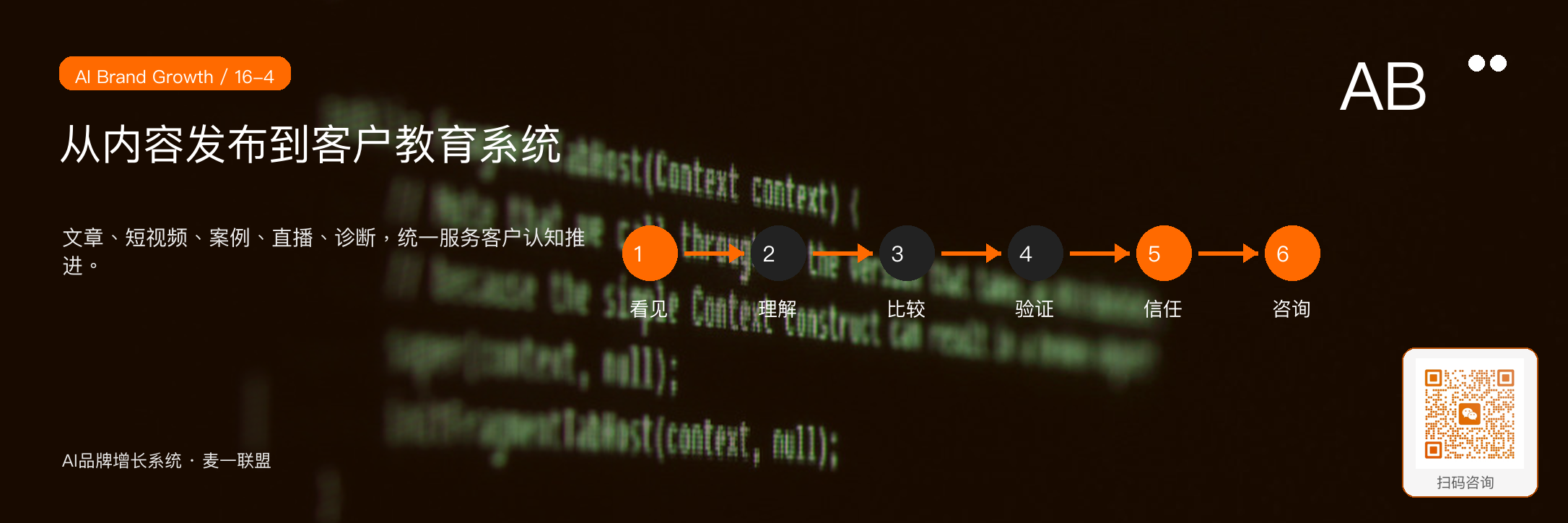
Figure 4: Content is part of a customer education system, not just a publishing task
05 | Content is an education system, not a publishing task
Many businesses still approach content as a set of publishing tasks: post a WeChat article today, shoot a short video tomorrow, follow a trending topic the next day, then review reads and views at the end of the month. The content team is busy, but customer understanding is not being developed systematically.
A real content system should take responsibility for educating customers. Each article should answer a key customer question; each short video should address a common misconception; each case should demonstrate a method; and each livestream should guide customers toward the next action.
Content then becomes more than communication material. It becomes preparation for sales, explaining in advance who you are, whom you serve, what problems you solve, why you are credible and how a collaboration begins. The more customers have read or watched, the less sales needs to explain from scratch.
If a business keeps producing fragmented content, customers can only develop fragmented understanding. If it consistently produces educational content, customers can gradually form a more stable judgment. The real value of content is not simply being seen, but helping customers understand the problem and the business better, and become more willing to make an inquiry.
The effectiveness of a piece of content should not be judged by reads alone. More important questions are whether it reduces the explanatory work required of sales, leads customers to ask better questions, prompts them to mention a particular case or method, and naturally guides them to a diagnosis, direct customer channel or inquiry point.
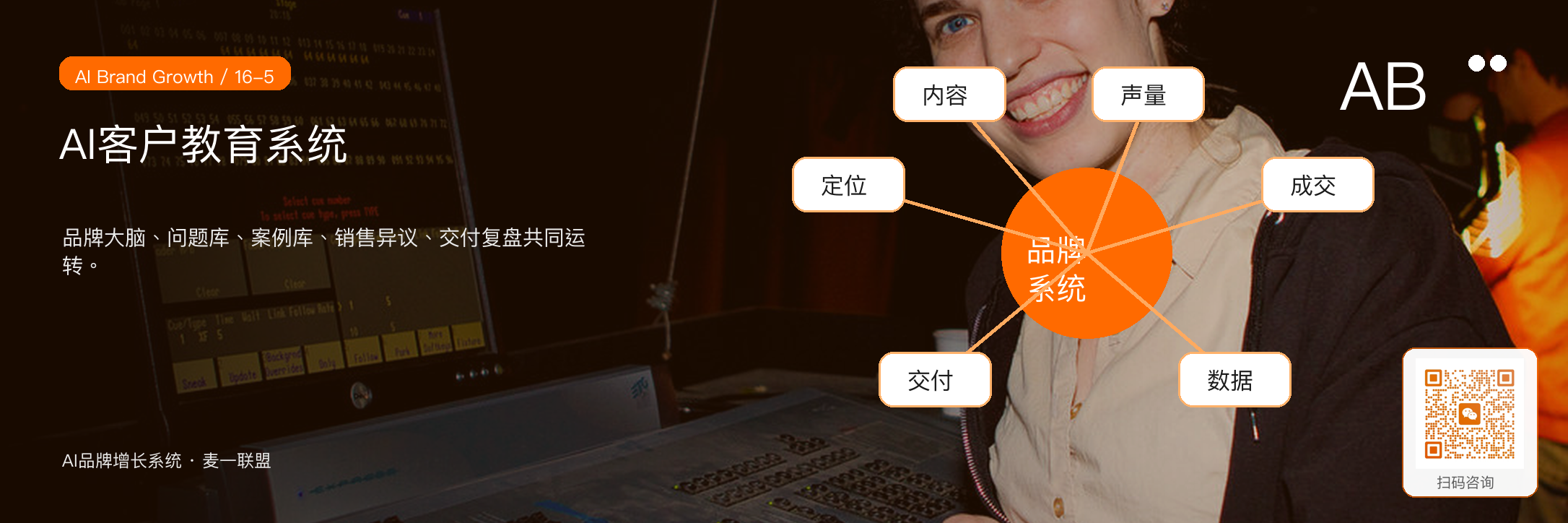
Figure 5: AI can organize customer questions, cases, sales objections and delivery reviews into a system
06 | Customer education can become systematic in the AI era
AI opens up new possibilities for customer education. In the past, customer questions, sales objections, case materials and delivery reviews were scattered across people's memories and files, making ongoing organization difficult. Businesses can now turn this information into a brand brain and a customer education knowledge base.
The brand brain should contain clear positioning, a customer question library, core viewpoints, methodological frameworks, case evidence, sales objections, delivery SOPs and review feedback. Using these assets, AI can continually generate WeChat articles, short-video scripts, livestream outlines, sales materials, diagnostic questionnaires and case reviews.
There is a prerequisite, however: AI can amplify an existing system, but it cannot establish sound judgment for you out of nothing. The clearer your customer questions, the better AI-generated content can educate customers. The more complete your cases, the more credible the evidence AI can extract. The more systematic your method, the better AI can help the team communicate consistently.
The AI era is therefore not simply about producing more content. It is about making customer education more systematic, sustained and repeatable. Rather than chasing a daily content volume, a business should make every piece of content contribute to the development of customer understanding.
07 | A 90-day plan for a complete customer education cycle
In the first 30 days, diagnose customer understanding. Collect the questions customers have asked most often, their most common misconceptions, the risks that cause the most hesitation and the value that is hardest to explain. Turn these into a customer question library. Do not choose content topics by instinct alone; find them in real sales and delivery situations.
In the second 30 days, build educational content assets. Write a set of WeChat articles around five to eight core questions, adapt them into short-video scripts, support them with three to five case reviews, and create a customer self-assessment or diagnostic checklist. Let customers encounter the same set of evaluation criteria through different touchpoints.
In the third 30 days, connect the follow-through cycle. Content educates, cases provide verification, direct customer channels handle the next step, sales confirms needs, delivery accumulates evidence, and reviews update the knowledge base. Start by completing the cycle for one core customer question, then extend it to more business situations.
Once this cycle is operating, the business is no longer simply waiting for customers to inquire and then relying on the salesperson's performance in the meeting. Customers have already been educated before making an inquiry: they understand the problem, know the evaluation criteria and have seen evidence. Sales needs to build on that understanding and explain the path to working together.
Future growth belongs not to the businesses that are best at persuading on the spot, but to those that are best at developing customer understanding in advance. Customers do not simply get persuaded; after sustained education, they form their own reasons for choosing you.
When a customer education system is in place, content, sales and delivery begin to reinforce one another. Content brings better-informed customers; sales feeds back new questions; delivery provides new evidence; and reviews update the next round of content. This is a more stable growth infrastructure for the AI era.
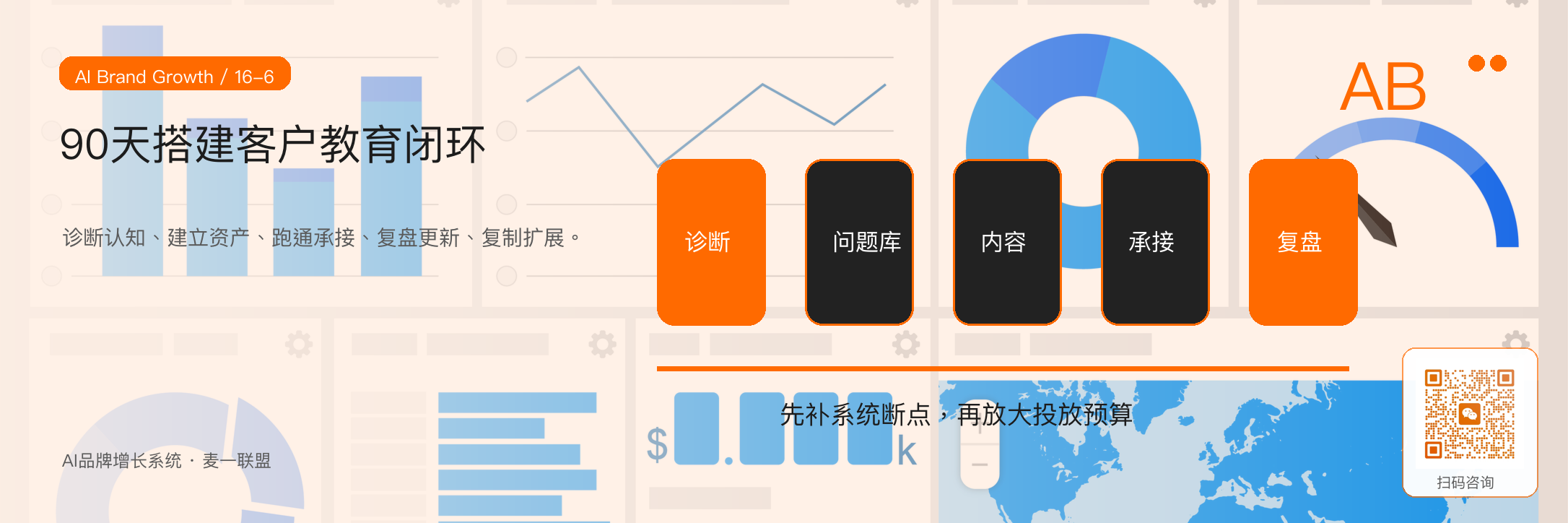
Figure 6: A 90-day plan to connect customer education with sales follow-through in a minimum operating cycle
AI Brand Growth Diagnosis Start with an AI Brand Growth Diagnosis to identify where customers have not been educated or helped to establish evaluation criteria before making an inquiry. Then connect content, cases, direct customer channels, sales and delivery into one customer education system. |