Why Must Brands Be Redefined in the AI Era?
AI Brand Growth System, Article 20 | A brand needs to move beyond visibility toward a growth system that customers and AI can consistently recognize, understand and recommend

Core assessment Many companies have traditionally understood branding as logos, slogans, packaging, advertising and exposure. That understanding is no longer sufficient in the AI era. Branding is moving from a communication concept toward growth infrastructure: helping customers understand you sooner, helping teams describe you consistently, and helping AI identify and cite you more accurately when answering questions. This discussion presents the author's framework, not a guarantee of growth or AI recommendations. Original illustrations retain Chinese text. |
01 | Why brands need to be redefined now
Many owners do care about branding, but their understanding of it still belongs to an earlier era. They commission visuals and promotional films, advertise, publish content and repeatedly emphasize branding in meetings. Yet in day-to-day operations, brand becomes a vague term: they cannot explain clearly how it affects sales or translates into team activities.
In the past, favorable traffic conditions could conceal this ambiguity. As long as platform traffic was inexpensive, advertising brought in leads and salespeople had enough prospects to approach, branding could seem like an optional extra. But as acquisition costs rise, customers become more cautious and channels fragment, branding can no longer remain an image-building exercise.
The AI era makes this issue more pronounced. Customers encounter you not only through WeChat Moments, public accounts and short videos, but also compare you through search, questions and answers, recommendation feeds, AI assistants and industry content. Without a clear brand definition, a company is difficult to recognize consistently across these touchpoints.
Redefining a brand today is therefore not about adopting a fashionable concept; it responds to a changed customer decision environment. A brand needs to develop beyond outward presentation into a system that supports customer choice, consistent team communication and assets AI can identify.

Figure 1: In the AI era, branding needs to evolve from a communication concept into growth infrastructure
02 | The old view: a brand is about being seen
A common misconception in traditional branding is to equate a brand with being seen. Companies consequently ask: Are we getting exposure, article views, video views or advertising reach? These metrics matter, but they only indicate that customers have encountered you. They do not establish understanding, much less willingness to choose you.
Being seen is only the first step. When choosing, customers also ask: What problem do you actually solve? How are you different? Why should I trust you? What risks would buying from you involve? Without answers, greater exposure can make a lack of substance in your communication more apparent.
Another older view treats a brand as attractive visuals. A more refined logo, polished pages and consistent posters can improve recognition. But without a corresponding brand proposition, customer problem definition, case evidence and sales follow-through, visuals remain at the surface.
The real question is not whether a company works on branding, but how far that work goes. If it stops at being seen, branding is a communication activity. When it supports understanding, trust, customers' ability to explain the brand and recommendations, it begins to contribute to growth.

Figure 2: The old view confines branding to exposure, visuals and slogans
03 | The new view: branding manages the effort of customer choice
In the AI era, branding should first address the effort customers expend in making a choice. Customers are not simply persuaded by a slogan; they are trying to reduce uncertainty amid large amounts of information. They need to know who you are, whom you suit, what you solve, how you solve it, what you have done, what the results were and how to start.
The clearer these answers, the easier the choice; the less clear they are, the more explanation salespeople must provide. Many companies struggle to close sales not because their products are inadequate, but because customers keep encountering questions: Are you professional? Are you right for me? Is there evidence for your claimed results? How do you actually differ from competitors?
The value of branding lies in answering those questions in advance. Instead of waiting to improvise explanations in a private sales conversation, it educates customers before they inquire through articles, videos, cases, livestreams, the official website, owned-channel materials and AI search results.
This is trust-building before the sales conversation. A strong brand does not leave all persuasion until a customer reaches sales. It helps the customer form an initial assessment beforehand: this company understands my problem, has methods, cases and a system, and is worth speaking with.
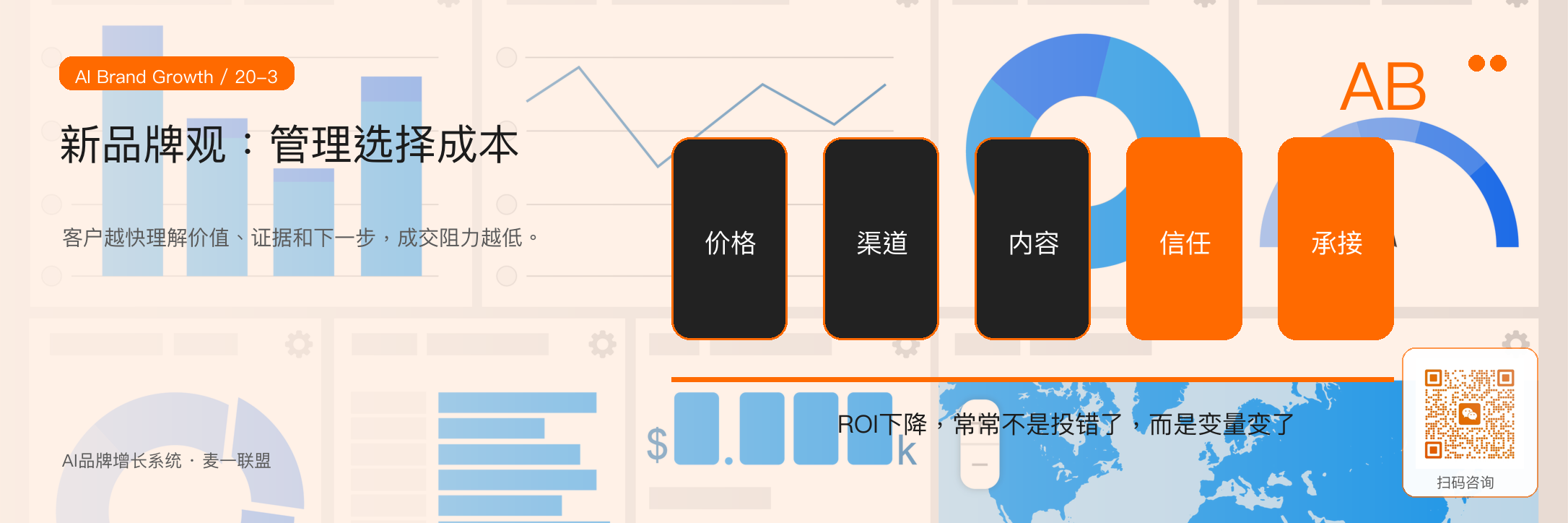
Figure 3: The new view of branding centers on reducing the effort of customer choice
04 | AI turns communication assets into reusable assets
Brand content has often been a one-off expression: a company writes an article, makes a video or prepares a set of materials, publishes it and considers the job done. Content flows away; teams seldom retrieve it, and salespeople may not even know which resources are available.
AI changes this logic. When a company consolidates customer questions, brand viewpoints, product structure, case evidence, sales objections and delivery SOPs in a knowledge base, its brand can become more than scattered content: it can become assets that the team and AI repeatedly use.
When a customer asks a question, AI can locate a relevant explanation in the question and case libraries. When sales encounters an objection, AI can draw on the objection library to draft a more accurate response. When operations needs a series of short videos, AI can adapt brand viewpoints for different platforms. When delivery finishes a project, AI can help organize it into a new case and review content.
At that point, branding is no longer only the communications department's concern; it becomes a common language across the company. Content, sales, delivery, customer service, training and management work from the same Brand Brain. Communication is less fragmented, aiming to give customers a consistent, clear and credible experience.
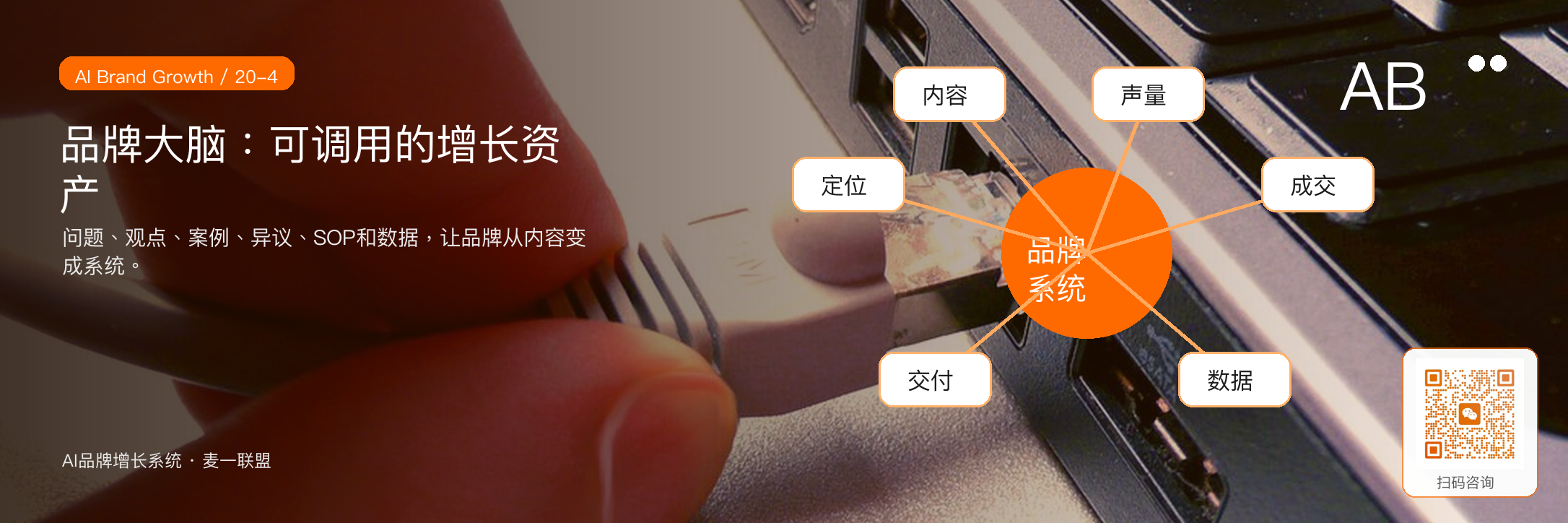
Figure 4: The Brand Brain lets content, sales and delivery draw on the same assets
05 | Redefining a brand requires five core answers
First: Whom do you serve? Go beyond broad labels such as small businesses, entrepreneurs or owners and describe their specific circumstances. Examples include rising acquisition costs, content that does not convert, high sales explanation costs, inconsistent brand communication or owners constantly intervening to resolve problems.
Second: What core problem do you solve? Customers are not buying a collection of service labels; they are buying a solution to a clearly defined problem. The AI Brand Growth System is concerned not only with writing content, design or advertising, but with helping companies establish a repeatable brand growth system.
Third: What is your methodology? Without one, a company must rely on cases and persuasive speaking to build trust. A methodology helps customers understand that the work is not improvised: it has a structure, a path and standards.
Fourth: What evidence do you have? Evidence is more than a customer list. It includes diagnostic reports, before-and-after comparisons, case reviews, process records, delivery templates, changes in data and customer feedback. More specific evidence can reduce the risk customers perceive.
Fifth: How does a customer begin? Much brand content creates interest without providing a next step. Redefining a brand means connecting awareness, trust and action so customers know they can start with a diagnosis, a consultation, a small product or an internal training session.

Figure 5: Redefining a brand requires answers to five business questions
06 | Branding is not a luxury reserved for large companies
Many small and medium-sized businesses avoid branding because they assume it is something large companies undertake only once they have ample budgets. The argument here is the reverse: smaller companies have a particular need for branding to reduce the work involved in explaining themselves and earning trust.
Large companies have recognition, channels and a track record. Even when their communication is unclear, customers may give them more time. Smaller companies lack that built-in advantage; unclear brand communication can quickly send customers elsewhere to compare alternatives.
Smaller businesses do not necessarily need a large initial branding budget. A more practical start is to explain their customers' problems, their solution path, their case evidence, their service boundaries and the next action clearly.
As this material accumulates, it can form a compact but useful set of brand assets. That does not mean overnight popularity. The aim is for each exposure to explain more, each inquiry to be better informed and each sale to depend less on the owner's persuasion in the moment.
07 | Rebuild the brand definition with the AI Brand Growth System
Redefining a brand is not about writing a more attractive slogan; it means building a growth system that can be used repeatedly. The first step is brand diagnosis: Who are the customers? What are their problems? What differentiates the company? What evidence exists? Where are the gaps in content and sales follow-through?
The second step is to build the Brand Brain. Consolidate customer questions, brand viewpoints, case evidence, product messaging, sales objections and delivery SOPs so AI has high-quality material to draw on and the team has a common language for execution.
The third step is to build the Content Factory. Public-account articles, short-video scripts, livestream topics, owned-channel content, sales materials and website content should no longer operate independently. They should be produced around the same brand proposition and customer questions.
The fourth step is to connect the path to conversion. After reading content, customers should have a clear next step: request materials, take an AI brand growth diagnosis, book a consultation, join internal training or enter an ongoing managed service.
The fifth step is to establish a review process. Branding does not end when a set of materials is finished. It should be updated through customer feedback, inquiry quality, sales issues, content data and delivery outcomes. The framework links ongoing review to greater brand clarity, and that clarity to more stable growth.
In the AI era, a brand therefore cannot be defined only as image, communication and exposure. It should be understood as growth infrastructure intended to help a company remain recognizable, understandable, trusted and chosen. In the author's view, redefining it earlier can improve a company's position in future customer decisions and AI recommendation environments; this is not a guaranteed discovery or recommendation outcome.
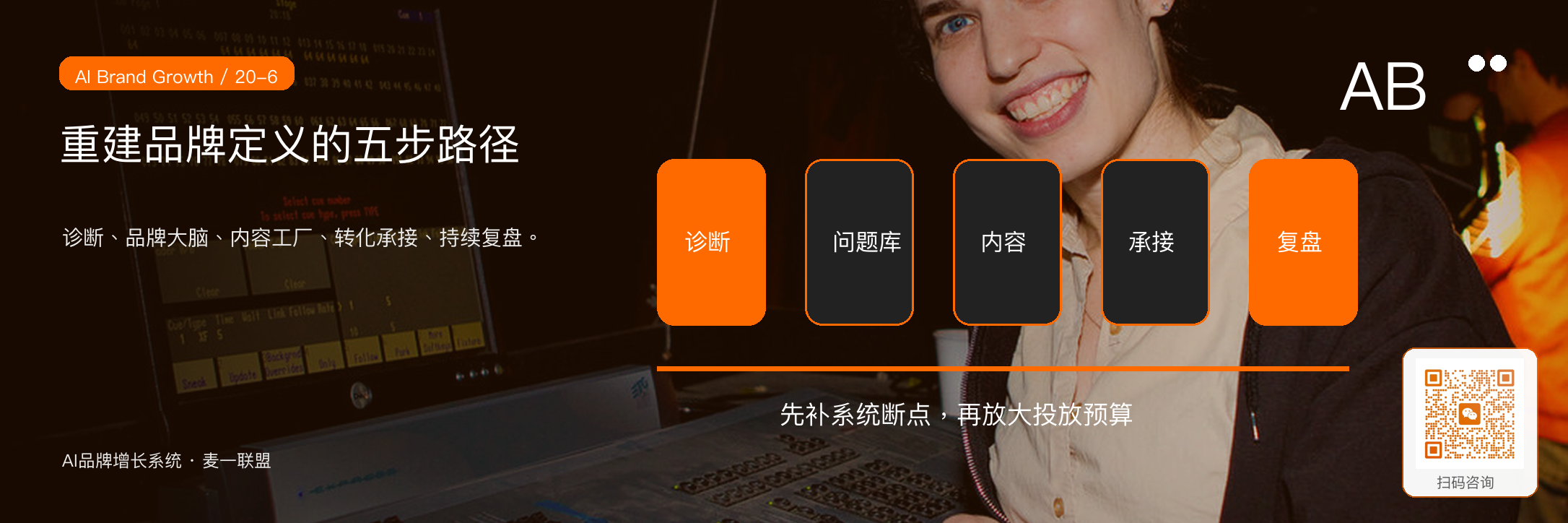
Figure 6: Five steps to rebuild a brand definition with the AI Brand Growth System
AI Brand Growth Diagnosis If your branding still consists mainly of a logo, slogans, posters and occasional exposure, consider starting with an AI brand growth diagnosis. Identify gaps in customer understanding, trust, content and conversion, then rebuild the brand as a growth system the team can execute, AI can draw on and customers can continue to choose. |