From Experience-Driven to System-Driven Growth: A Second Growth Curve
AI Brand Growth System, Article 19 | A company's real second growth curve is not simply a new business, but the transformation of individual experience into a repeatable growth system

Core assessment Many companies achieve their first stage of growth through the founder's experience, relationships, hard work and judgment in the moment. But as the business becomes more complex, the team expands, customers become more selective and channels become more fragmented, experience-driven growth reaches a ceiling. A company's second growth curve need not mean starting a new project; it can mean moving from experience-driven to system-driven growth. Original illustrations retain Chinese text. |
01 | The first growth curve: why experience-driven growth once worked
Many companies get started not with a complete system, but with the substantial experience of their founder and core team. The owner understands customers and what matters most to them, understands the product and where it delivers value, and understands when a sales conversation needs a case example or a commitment.
In the early stages, this experience is highly effective. There are relatively few customers, a small team and short communication chains. The owner's personal judgment can resolve many problems. Indeed, a company's first customers, first cases and initial reputation are often built through experience-driven work.
But experience-driven growth assumes that things are not yet too complex, there are not too many people and the owner can still manage it all. Once a company seeks to win more customers, serve more industries, operate more channels or establish more teams, that existing experience starts to fall short.
At this point, companies can fall into a misconception: if experience brought success in the past, continuing to accumulate experience should be enough for the future. Yet market conditions, the way customers compare options and team collaboration have changed, while content and sales touchpoints have multiplied. Without structure, experience increasingly resembles an individual's craft rather than an organizational capability.
This is not an argument against experience. Experience is one of a company's most valuable raw assets. The real danger is remaining at the experience-driven stage while believing that a repeatable growth system is already in place.
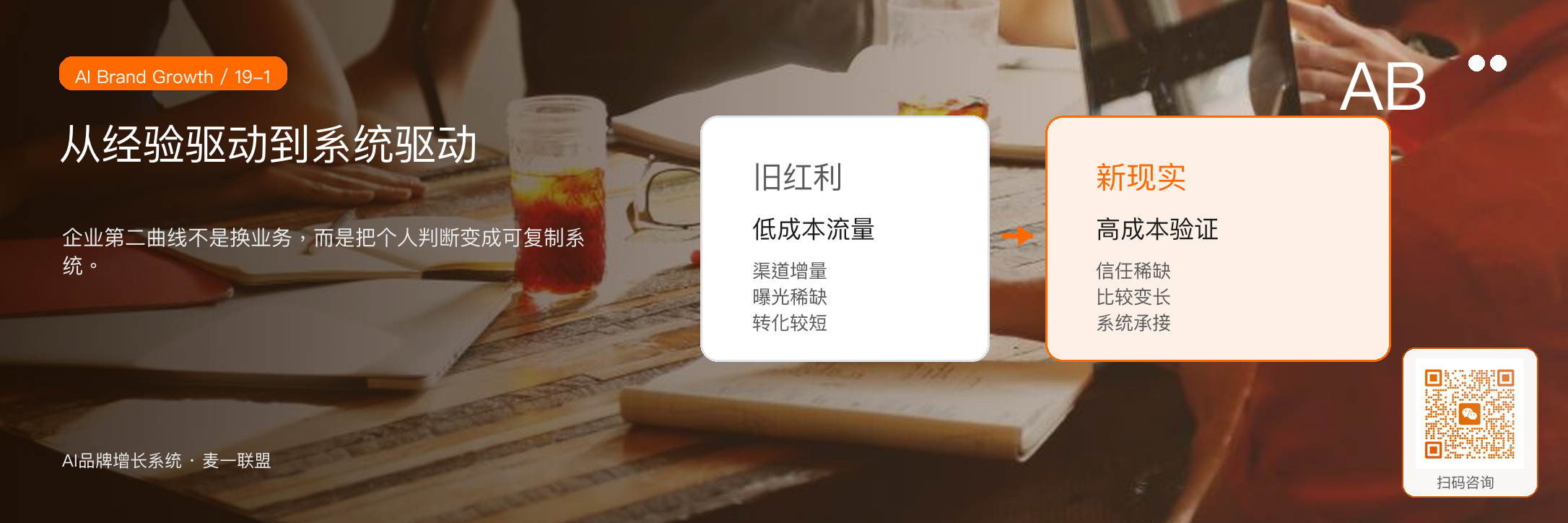
Figure 1: A company's second growth curve begins with the move from experience-driven to system-driven growth
02 | The ceiling of experience-driven growth: it cannot be replicated
The greatest strength of experience-driven growth is speed. The owner can draw on personal judgment to make an immediate decision. A sales manager who knows how to conduct the conversation can rescue a deal. A delivery lead who knows how to handle a customer's concerns can keep a project moving.
Its greatest weakness is also its dependence on individuals. Whether a customer buys depends on who handles the conversation; whether content has a clear viewpoint depends on who writes it; whether delivery is consistent depends on who oversees it; whether a review is useful depends on who attends.
This approach begins to lose consistency when the company expands. Newcomers cannot replicate experienced employees, ordinary salespeople cannot replicate the owner, content teams cannot replicate the founder's judgment, and delivery teams cannot replicate the experience of their key lead.
Eventually, the company finds itself in an awkward position: it has business but little stability, a team but little confidence in delegating, content that does not convert, and customers whose acquisition is hard to repeat. Growth stalls not because experience has become worthless, but because it has not been systematized.
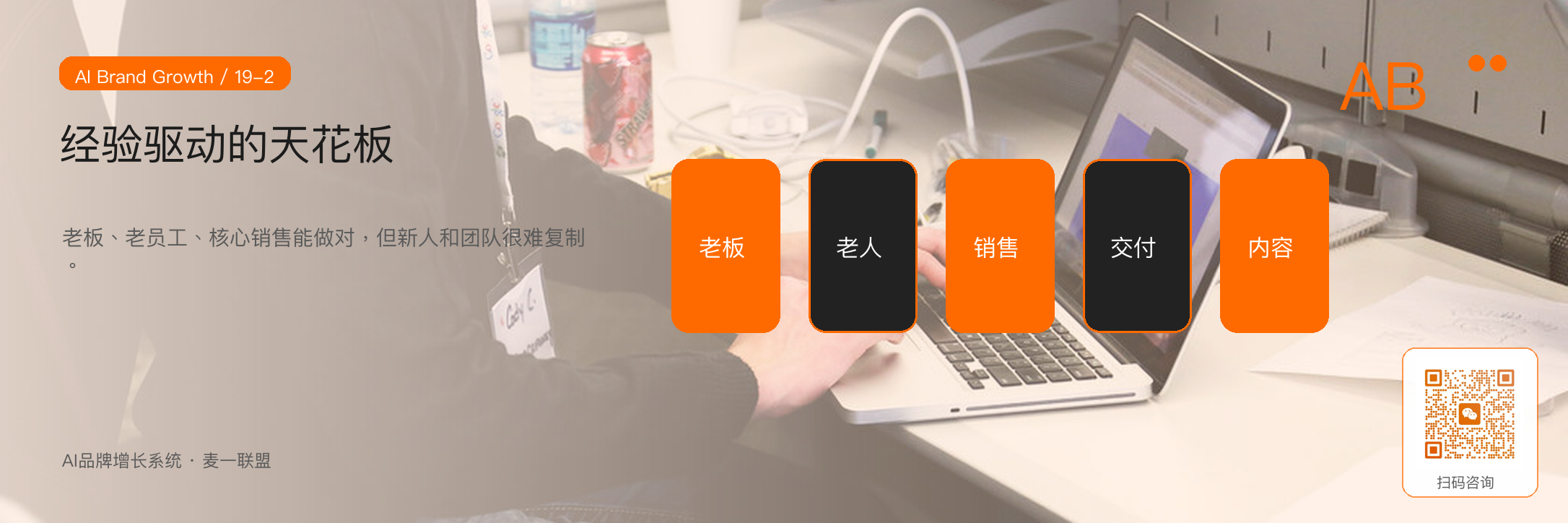
Figure 2: The ceiling of experience-driven growth is the team's difficulty in replicating key capabilities
03 | The second curve changes how growth works, not necessarily the business category
Talk of a second growth curve often brings to mind new businesses, products, channels or models. For most small and medium-sized companies, however, a more practical second curve is not to enter an entirely new arena immediately, but to upgrade the existing business from experience-driven to system-driven growth.
Experience-driven growth relies on the judgment of a few people. System-driven growth relies on reusable assets and processes. The former depends on individuals; the latter on established practices. One excels at solving problems in the moment; the other at repeating effective work consistently.
System-driven growth does not mean turning a company into a rigid set of procedures. It means documenting its most valuable experience so that more people can use the same decision criteria. Why customers hesitate, what content should teach them, how sales should follow up and how delivery should demonstrate value all need to move from people's heads into the system.
This is why a company's real second growth curve often begins not with a new product, but with a systematic review of what it already knows. First document the experience that is most effective at winning customers, building trust and delivering value in the existing business. Then use AI and the team to apply it across more touchpoints.
This shift creates the basis for a new level of growth efficiency. The team no longer needs to explain the same customer problem from scratch each time. Salespeople do not have to improvise every response to a recurring objection. A single delivery result can be reused in content as evidence that supports trust.
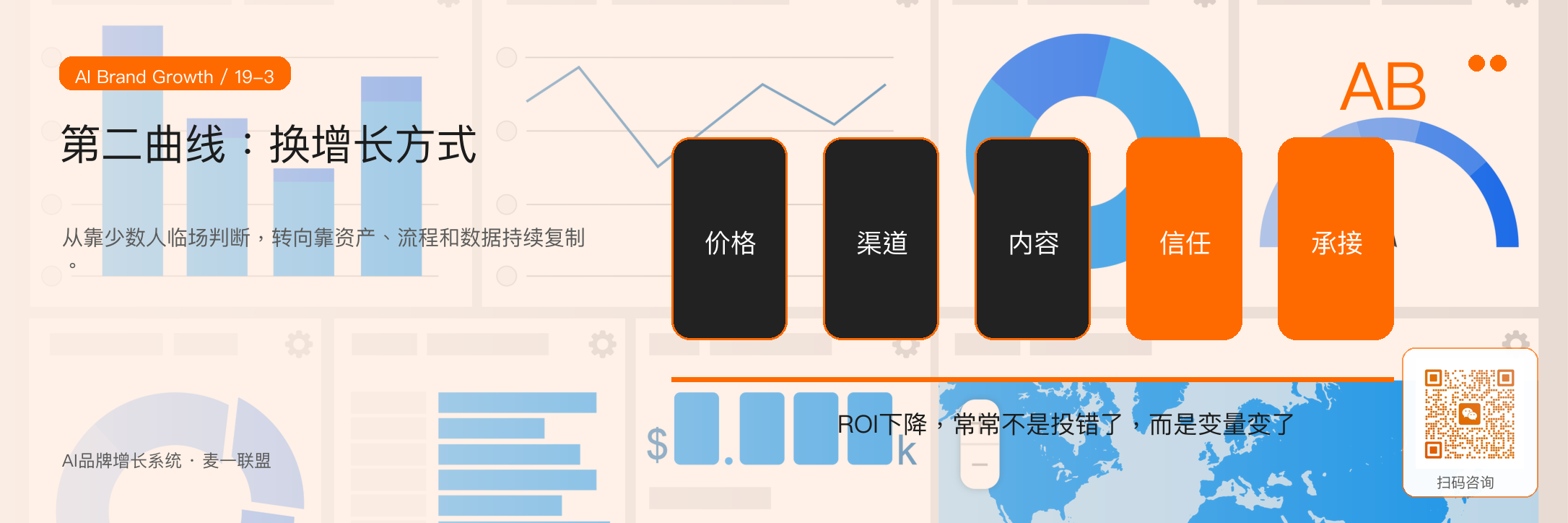
Figure 3: The second growth curve is not simply a change of category, but a change in how growth is achieved
04 | Toolkit 1: turn experience into six types of growth assets
The first asset is a customer question library. Record customers' most frequent questions, common misconceptions, the value that is hardest to explain and the risks that most often make them hesitate. Future content, sales conversations and assessments should all begin with real customer problems.
The second asset is a brand viewpoint library. A company should not have to invent an angle every time it creates content. It needs a set of core judgments to express repeatedly. Building trust before the sales conversation, competing through system efficiency, the Brand Brain, customer education and being chosen consistently can all become long-term communication assets.
The third asset is a case evidence library. Do not keep only customer names and project screenshots. Record the customer's starting point, key problem, solution approach, delivery actions, resulting changes and reusable methods. Cases are not material for showing off; they are evidence that helps customers reduce the risk of a decision.
These six asset types do not need to be extensive at the outset. What matters is putting them to work in everyday activity: content topics come from the customer question library, sales materials draw on the case library, livestream topics come from the viewpoint library, and delivery reviews feed back into SOPs and the data dashboard. Assets become a real system only when they are used repeatedly.
The fourth asset is a sales objection library. Concerns about price, effectiveness, comparisons with competitors or the team's ability to execute should all be documented with standard responses. The fifth asset is delivery SOPs, and the sixth is a data-based review dashboard. Without these six asset types, moving from experience-driven to system-driven growth is difficult.
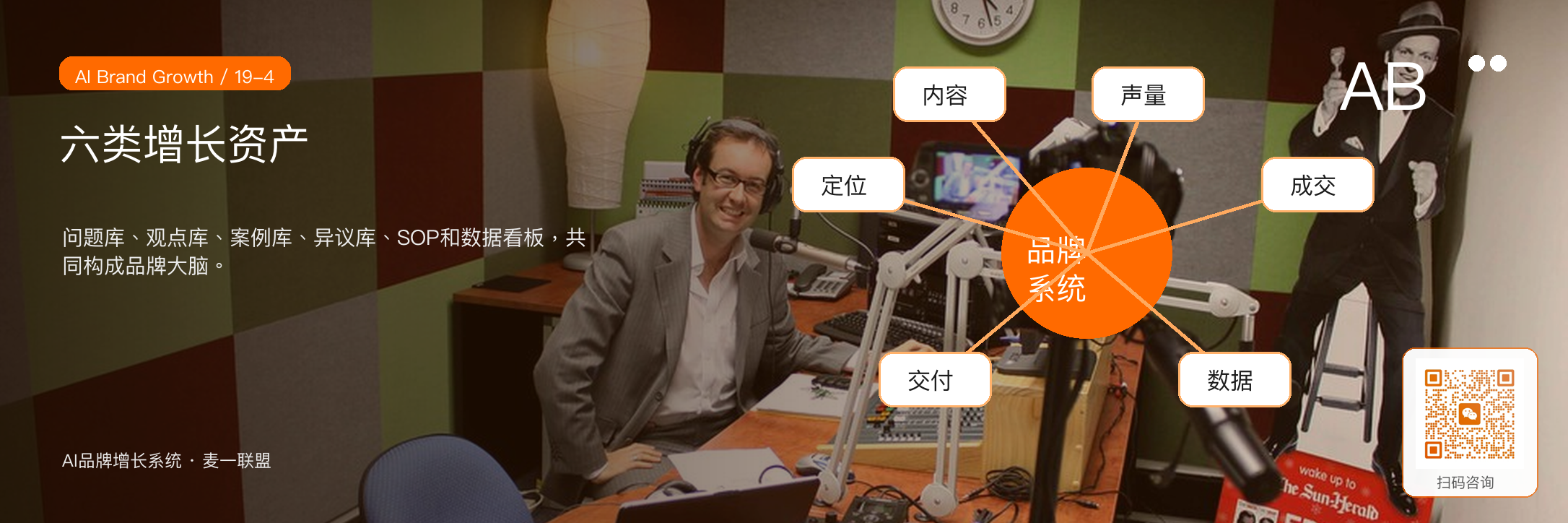
Figure 4: Six types of growth assets together form the company's Brand Brain
05 | Toolkit 2: integrate AI into the system, not just content generation
AI's greatest value is not helping a company write a few more articles. It is turning accumulated experience into growth infrastructure that can be used whenever needed. A customer question library can support WeChat Official Account topics, short-video scripts and livestream outlines. A case library can support sales materials, content for owned customer channels and review articles.
A brand viewpoint library can help the team communicate consistently. Previously, different writers, salespeople and accounts might use different brand language, making it difficult for customers to form a stable understanding. AI can now draw on a common viewpoint library to produce versions suited to different platforms.
A sales objection library can improve sales follow-up. Each new customer question can be added to the knowledge base, and AI can help organize a review of each won or lost deal. Over time, the team improves not just through greater familiarity gained from experience, but through a stronger system.
AI can also draw continually on delivery SOPs and review dashboards. Before a project begins, it can highlight risks based on past cases. During the project, it can help organize customer feedback. Afterward, it can organize delivery results into new cases, articles and sales evidence.
There is a key prerequisite: AI must be integrated into the system, not used as a substitute for it. Without a customer question library, AI can only produce generic content. Without a case library, its arguments lack substance. Without a review process, it cannot know what actually works.
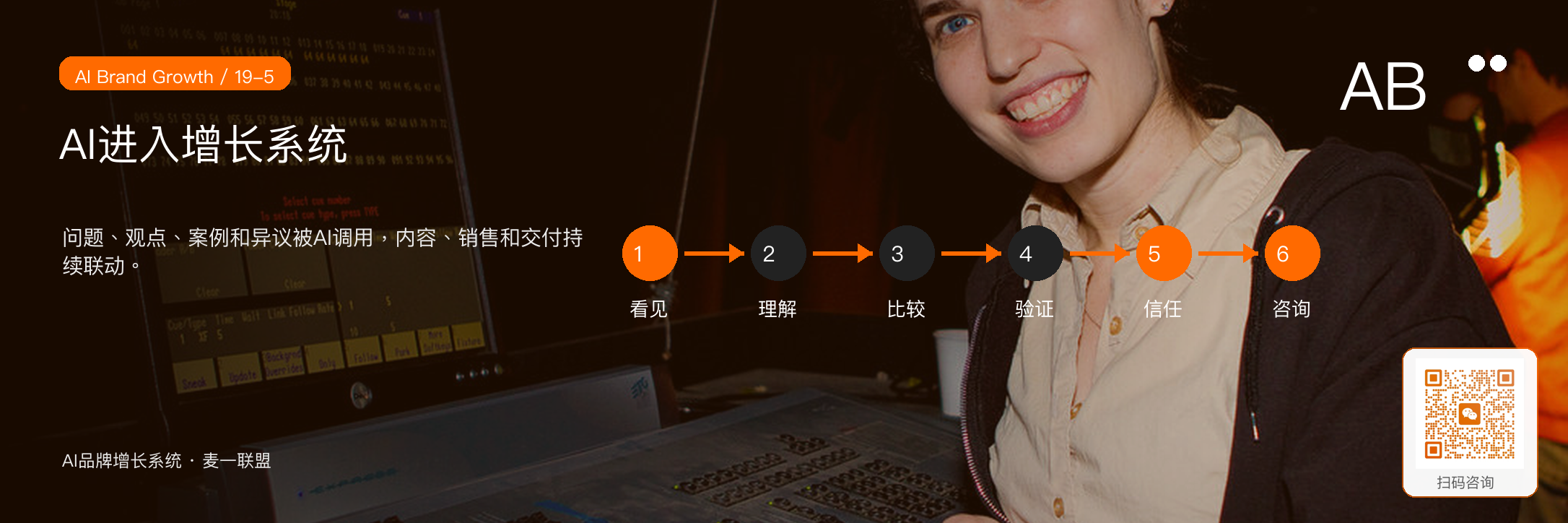
Figure 5: AI needs to be integrated into the growth system, not confined to content generation
06 | How to tell whether a company has become system-driven
The first sign is that the team no longer always asks what the owner would say, but first consults the system's decision criteria. What type of customer problem is this? Which case is relevant? Which viewpoint can help educate the customer? How should the conversation continue? The team can move forward using a common logic.
The second sign is that content, sales and delivery start to reinforce one another. Content brings in better-informed inquiries, sales feeds back new customer questions, delivery produces new cases, and reviews inform the next round of content. Growth becomes a connected cycle rather than a collection of isolated actions.
The third sign is that newcomers get up to speed noticeably faster. Instead of spending a long time learning by following experienced employees, they can use customer questions, viewpoints, cases and SOPs to understand how the company makes decisions.
The fourth sign is that the owner moves from handling emergencies to designing the system. The owner still supplies key judgments, but no longer spends each day filling gaps personally. The main work becomes developing the system, checking its assets, identifying breakdowns and designing the next structure for growth.
07 | A 90-day plan to build a company's second growth curve
In the first 30 days, take stock of experience. List the key situations that depend most on the owner, sales manager or delivery lead: assessing customers, choosing content topics, responding to sales objections, managing delivery expectations and documenting evidence in reviews.
In the second 30 days, build a minimum working version of the six asset types. Do not aim for perfection at the outset. Focus on one core product or priority service and organize 20 customer questions, 10 core viewpoints, 5 case reviews, 20 sales objections, 1 set of delivery SOPs and 1 review dashboard.
In the third 30 days, put a small connected cycle into practice. Use these assets to create a set of WeChat Official Account articles, a set of short-video scripts, a set of sales materials, an assessment questionnaire and a delivery review template. Have content, sales and delivery genuinely operate around the same system.
When testing this small cycle, do not look only at how much content was produced. Look at whether the system reduces costs: does sales spend less effort explaining? Are customer questions better informed? Do newcomers get up to speed faster? Can cases be used repeatedly? Does the owner spend less time resolving the same recurring problems?
The purpose of these 90 days is not to create more documents, but to establish repeatable growth infrastructure for the first time. Experience remains important, but it no longer belongs only to a few people. AI remains important, but it is no longer merely a production tool; it extends the capabilities of the system.
Moving from experience-driven to system-driven growth is a transition many companies need to make. Without it, they remain dependent on the owner, experienced staff and improvisation. Making that transition creates an opportunity for a more stable and repeatable second growth curve that AI can help extend.
The AI Brand Growth System is intended to help companies turn experience scattered across owners, sales, delivery and content teams into a Brand Brain, a Content Factory, sales follow-up, delivery SOPs and data-based reviews, shifting growth from individual capability to system capability.
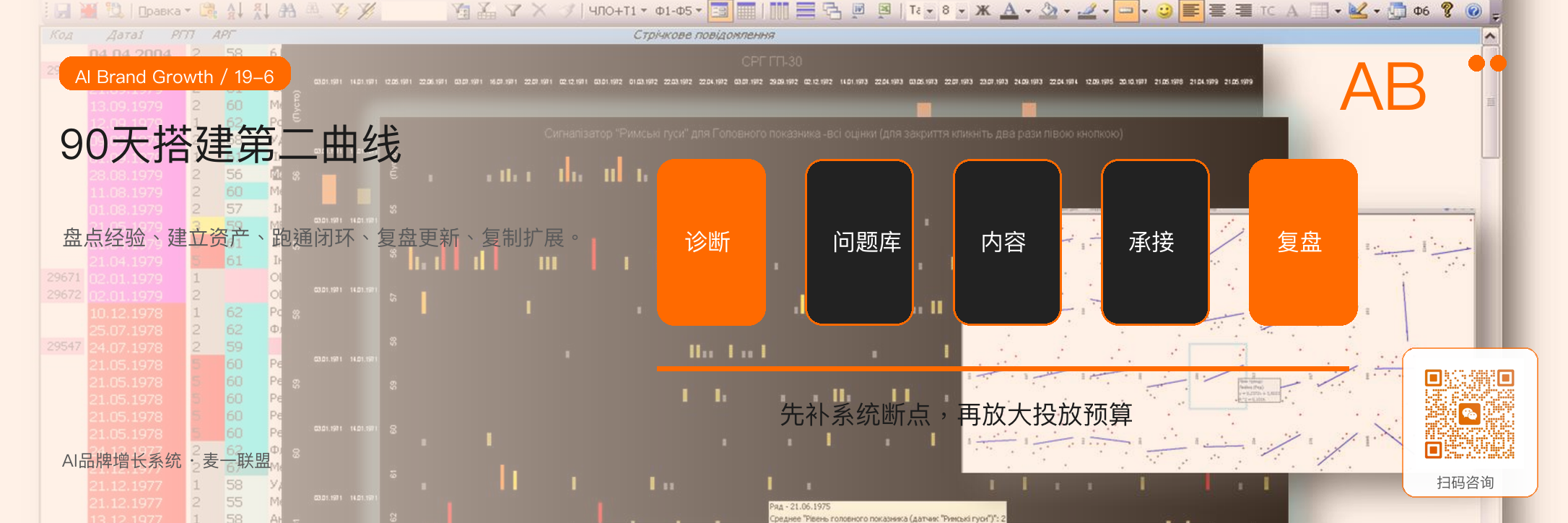
Figure 6: A 90-day plan to build a second growth curve by turning experience into a system
AI Brand Growth Diagnosis Start with an AI Brand Growth Assessment to identify where the company still depends on individual experience. Then organize customer questions, brand viewpoints, case evidence, sales objections, delivery SOPs and data-based reviews into a growth system whose capabilities AI can extend. |