Why Can a Busier Owner Mean a Less Stable Company?
AI Brand Growth System, Article 18 | The real problem is not a lack of effort from the owner, but the absence of a growth system that can operate independently

Core assessment Many companies appear to have a very hardworking owner when, in fact, they have yet to establish a system. The busier the owner is, the more likely it is that key decisions, customer understanding, sales conversations, delivery standards and lessons from reviews still reside in that person's head. If a company needs its owner to handle emergencies every day just to keep operating, it may look capable of execution while actually being very fragile. Original illustrations retain Chinese text. |
01 | A busier owner is often a warning about the system, not a positive sign
Many small and medium-sized businesses share a familiar scene: the owner decides whether to take on a customer, revises proposals, coaches sales conversations, rescues troubled projects and decides at the last minute which views the company's content should express.
Working from morning to night can give the owner a sense of control. The team also becomes accustomed to waiting for the owner's decision: if the owner says something can be done, it can; if the owner asks for a change, that is what gets changed. When the owner steps in, many problems can temporarily be contained.
Yet the more a company depends on its owner, the more vulnerable it becomes to instability. The owner's time, attention, energy and emotional capacity are all limited. Once the owner travels, falls ill or is occupied with a major customer, many things begin to slow down, become disorganized or drift off course.
A less obvious problem is that a more capable owner can encourage greater dependence within the team. Many employees are not unwilling to grow; over time, they have learned a rule: the owner will make the important decisions, take responsibility for the hardest problems and personally handle the most important customers. Eventually, the team takes responsibility for carrying out tasks but not for developing judgment.
A busier owner therefore does not necessarily mean a stronger company. Often, it means that a system has yet to take shape. A genuinely stable company is not one in which the owner manages everything, but one in which key judgments have become established practices that enable the team to act consistently using the same logic.

Figure 1: A busier owner often indicates that the company's key judgments have not yet been systematized
02 | A typical scenario: growth goes off course when the owner steps back
Some business owners say: when I stop watching, the content loses substance; salespeople make careless promises; projects fall short in delivery; customers start complaining. This sounds like a lack of team capability, but it looks more like a system that has not been established.
For example, when the owner speaks to a customer personally, the customer quickly understands the value because the owner knows what really matters to that customer and which case will help explain it. When a salesperson takes over, however, the conversation becomes a list of services, prices and discounts. The customer still does not know why they should choose this company.
Similarly, when the owner reviews content, its arguments are precise because the owner has industry knowledge and customer pain points in mind. When the content team writes on its own, the result can become generic because no customer question library, brand viewpoint library or case library has been built.
Another situation is even more common: when the owner is present, customers feel that the company understands them; when the owner is absent, they feel that the team is merely following a delivery process. This is not necessarily a poor attitude on the team's part. Rather, the owner's way of explaining problems, value, risks and outcomes to customers has not become a shared language within the team.
This is not simply a staffing problem. The owner's tacit experience has not been made explicit. The owner gets things right because they have a system for making judgments. The team struggles with consistency because it has been given tasks without the criteria needed to make decisions.
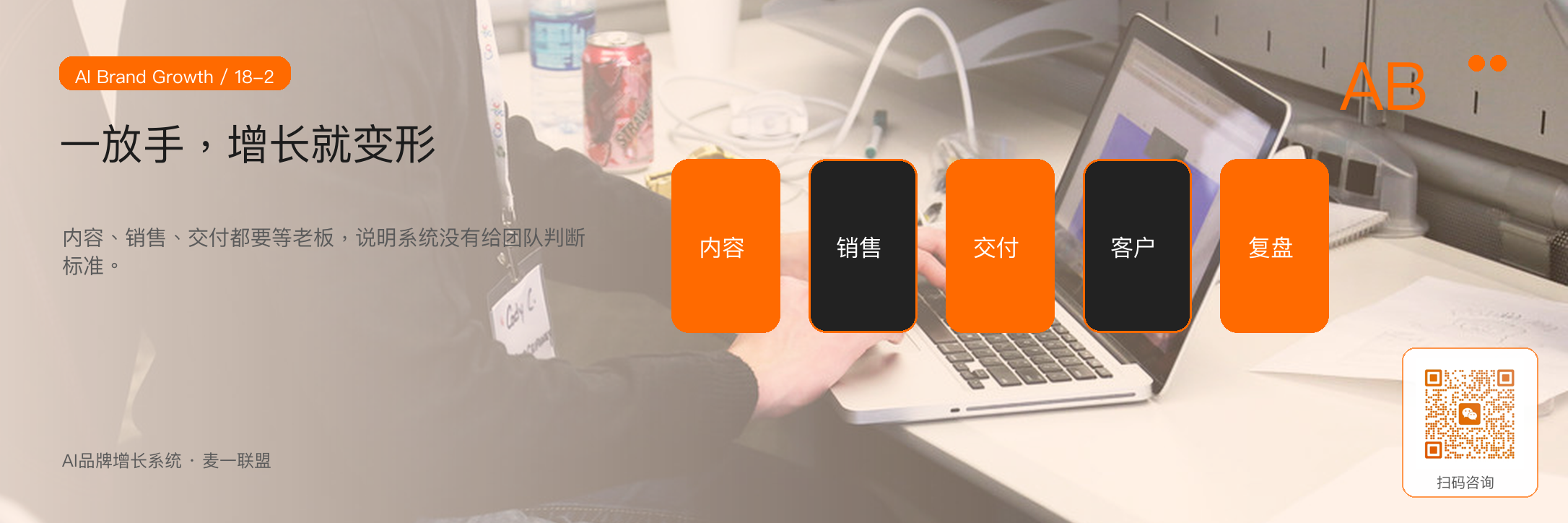
Figure 2: When growth goes off course as the owner steps back, the underlying issue is a lack of shared decision criteria
03 | The real gap: experience is stored in people rather than in a system
Many companies do not lack experience; they simply have not turned it into reusable assets. The owner knows why customers hesitate, the sales manager knows which explanations work, the delivery lead knows where problems are most likely to occur, and experienced employees know why customers actually buy.
If that experience exists only in people's heads, however, it becomes a major hidden risk for the company. When people are busy, their experience is hard to access. When they leave, it leaves with them. When newcomers arrive, trial and error starts all over again.
The essence of a growth system is to turn this tacit experience into assets the team can reuse: a customer question library, a brand viewpoint library, a case library, a sales objection library, delivery SOPs, a review process and a data dashboard.
Once experience becomes an asset, the way the team discusses problems changes. Instead of asking, 'What does the owner say?', people ask, 'What kind of customer problem is this? Which decision criteria apply? Which case provides evidence? How should we follow up?' At that point, the team is not imitating the owner; it is using a system shaped by the owner's judgment.
When experience is not documented, the owner is repeatedly pulled back into day-to-day execution. The team does not lack people to do the work; it lacks a shared 'brain' that helps them make decisions.
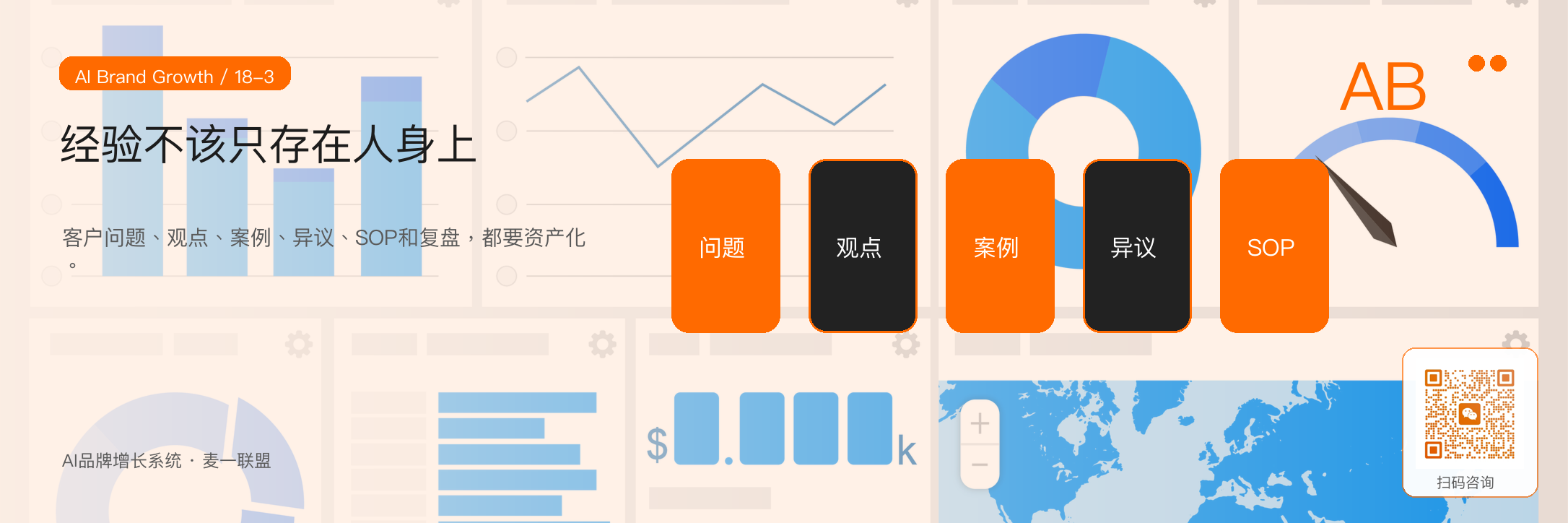
Figure 3: Company experience needs to move from individual minds into reusable assets
04 | Five gaps the owner typically fills on behalf of the system
The first gap is judgment about positioning. Who are the customers? Which projects should the company accept? Which requests should it decline? What value should it emphasize? Without clear rules, these decisions depend on the owner's judgment in the moment.
The second gap is a point of view for content. Many content teams can write, but do not know which views they should express consistently, which questions require repeated customer education or which cases demonstrate meaningful professional differences.
The third gap is trust in the sales process. When a customer hesitates, the owner steps in to explain cases, reasoning and commitments. This may help close a sale in the short term, but over time the sales team never learns how to continue the conversation with customers who have already been educated.
When this happens occasionally, it is the owner taking responsibility for key customers and projects. When it happens every day, it becomes an organizational habit. The team becomes better at passing difficult problems back to the owner than at turning those problems into reusable methods.
The fourth gap is delivery standards. What counts as a job well done? How should customer expectations be managed? How should lessons from reviews be retained? Without standards, every project becomes a fresh exercise in figuring things out. The fifth gap is data-based review. Which actions actually work, and where does the process break down? Many companies rely on the owner's intuition rather than data and a review process to answer these questions.
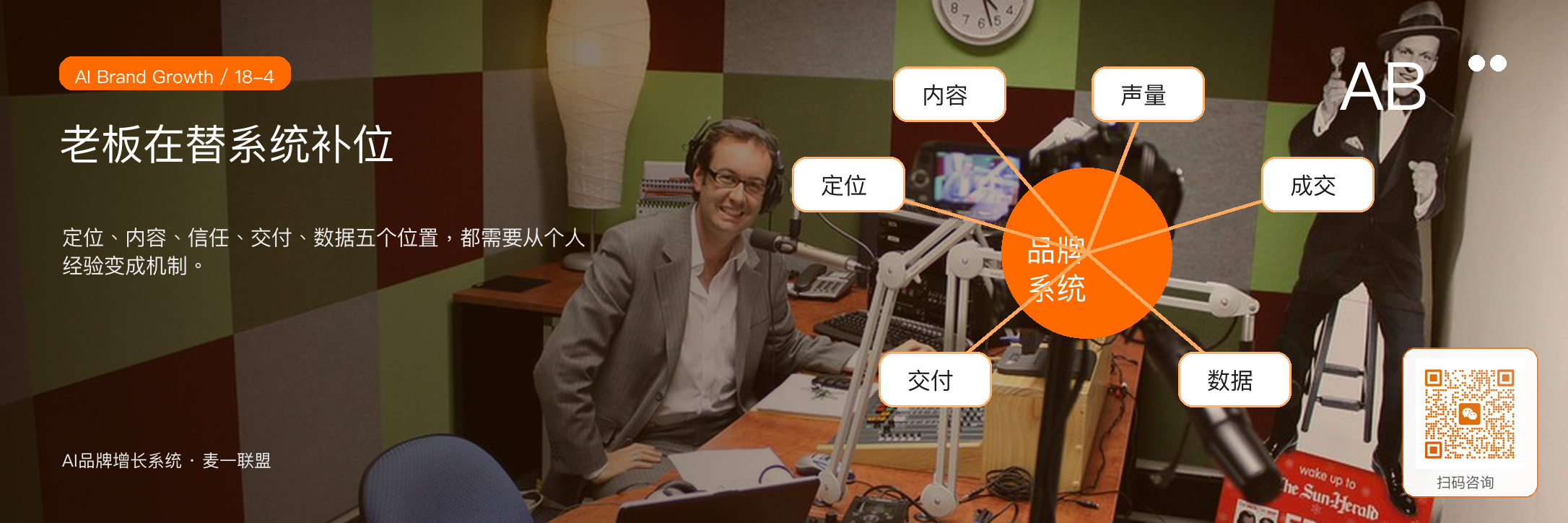
Figure 4: Owners often fill gaps in positioning, content, trust, delivery and data
05 | In the AI era, the owner's experience needs to become a Brand Brain
In the past, documenting an owner's experience was difficult because organizing it took too much effort. Customer conversations, sales objections, project reviews and content decisions were scattered across chat records, meeting notes and people's memories, making them difficult to structure consistently.
AI creates new possibilities for this work. A company can continually organize the owner's judgments, customers' real questions, frequent sales objections, key delivery milestones and evidence from case reviews into a Brand Brain.
A Brand Brain is not a nicely arranged folder. It is a knowledge system that helps the team depend less on the owner. The content team can draw topics and viewpoints from it, the sales team can retrieve responses to objections and case evidence, and the delivery team can use its SOPs and review templates.
For example, whenever the owner personally wins a customer, AI can help organize the customer's problem, key objections, persuasive evidence and final reasons for buying. Each delivery review can document expectations, risk points, actions taken and reusable cases. With repeated accumulation, the owner's experience becomes a shared team asset instead of remaining an individual capability.
But AI cannot make the owner's judgments for them. It can help organize, generate, reuse and extend experience, provided the company is willing to keep contributing, checking and updating that experience. The real value of AI emerges when the owner moves from personally handling every emergency to developing the system.
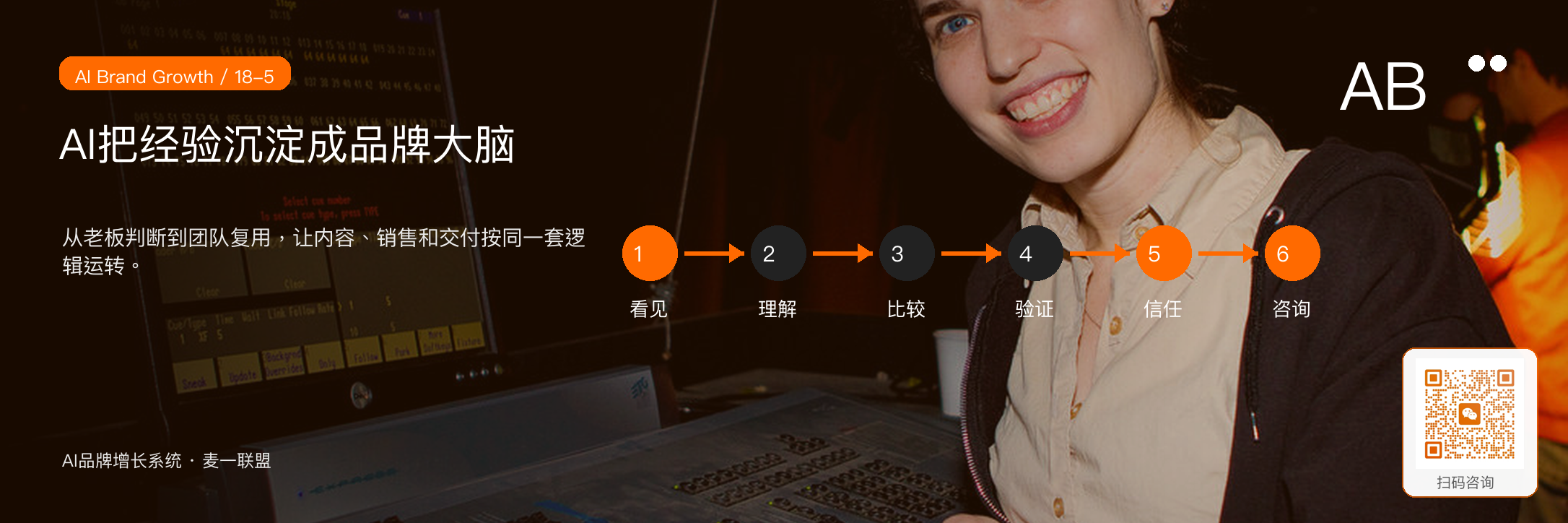
Figure 5: AI can help a company turn the owner's experience into a Brand Brain
06 | How to recognize an owner-dependent company
The first sign is that many things have to wait for the owner: whether to take on a customer, publish a piece of content, offer a price concession or resolve a delivery problem. That waiting itself reveals a gap in the system.
The second sign is that newcomers struggle to learn what experienced employees know. They have to watch, ask and guess, yet may still take a long time to understand the company's criteria for assessing customers, explaining value and handling objections.
The third sign is a noticeable decline in the customer experience when the owner is not involved. With the owner's personal participation, the company feels professional, reliable and purposeful. Without it, customers find the experience ordinary, disorganized and uncertain.
The fourth sign is that every review becomes an exercise in venting frustration. People discuss who performed poorly, who was careless and who failed to communicate, but rarely turn problems into processes, templates, cases and data. Emotions have been released, but the system has not become stronger.
The fifth sign is that the owner increasingly becomes the company's sole point of contact. Major customers, partners and internal teams all turn to the owner; even content, design, sales and delivery wait for the owner's approval. When all critical paths converge on one person, a bottleneck naturally forms.
07 | A 90-day plan to move the owner from handling emergencies to designing the system
In the first 30 days, take stock of the owner's experience. List the situations in which the owner most often makes the final decision: selecting customers, defining positioning, revising content, conducting sales conversations, rescuing delivery and reviewing results. For each situation, ask: what exactly informs the owner's judgment?
In the second 30 days, turn that experience into assets. Organize customer questions, viewpoints, cases, sales objections, delivery SOPs and review templates. Do not aim for perfection at the outset. Start by documenting what occurs most often and has the greatest effect on sales and delivery.
In the third 30 days, test a limited handover. Let the team operate independently using the new assets and processes within one business line, product or service. Instead of immediately stepping in to resolve problems, the owner observes where the team gets stuck and incorporates solutions into the system.
Start on a small scale. Do not expect a single change in company procedures to eliminate dependence on the owner completely. Choose one representative situation, such as handling sales objections, selecting WeChat Official Account topics or reviewing customer delivery. Establish an executable template so the team can first develop consistent judgment in one area.
The aim is not for the owner to stop managing the company altogether, but to move from being the center of execution to being the center of system design. The owner remains important, but in a different way: not by solving everyone's problems, but by enabling more people to solve problems using the same decision criteria.
A company's lasting stability comes not from an ever-busier owner, but from a stronger system. Greater demands on the owner can make the company less stable; the more effectively the owner turns experience into a system, the better the company is equipped for continued growth.
The AI Brand Growth System is intended to turn the growth judgments in the owner's head into a Brand Brain, content assets, sales follow-up, delivery SOPs and review practices. Instead of losing momentum whenever the owner is absent, the company can build more stable growth infrastructure through the owner's system design.
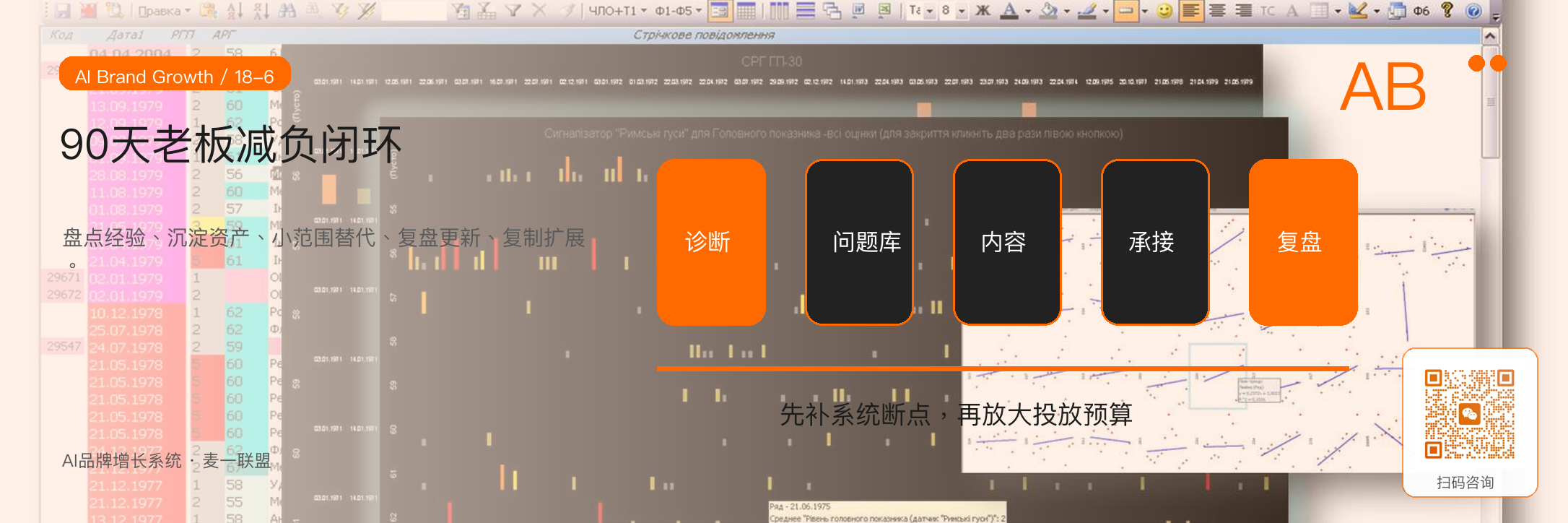
Figure 6: A 90-day plan for moving the owner from handling emergencies to designing the system
AI Brand Growth Diagnosis Start with an AI Brand Growth Assessment to identify where the company depends most on the owner's personal intervention. Then turn customer questions, brand viewpoints, sales objections, case reviews and delivery SOPs into a reusable growth system. |