Why Being Understood Matters More Than Looking Premium
AI Brand Growth System, Article 22 | The first task of brand communication is not to sound impressive, but to help customers understand, evaluate and act

Core assessment When companies work on their brands, their first instinct is often to look premium: more sophisticated visuals, language and concepts. Yet when customers choose, their first need is not to be dazzled, but to understand. Looking premium can improve a first impression; being understood can reduce the effort of choosing, build trust and support inquiries and sales. This discussion presents the author's framework, not a guarantee of growth or AI recommendations. Original illustrations retain Chinese text. |
01 | Why a premium appearance often fails to convert
When small and medium-sized companies upgrade their brands, they often move in one direction: more polished visuals, more abstract language, pages that resemble a large company's website and more imposing slogans. The owner may finally feel that the business looks like a brand. Customers, however, may leave thinking: It looks good, but I still do not know what problem you solve for me.
This is a root cause of brand content failing to convert. It mistakes aesthetics for understanding, style for trust and packaging for value. Customers may be attracted at first glance. But if they cannot understand on the second look, find evidence on the third or work out how to begin on the fourth, interest quickly fades.
In the AI era in particular, customers encounter information faster, have more alternatives to compare and have less patience. They will not spend a long time figuring out a company on its behalf. The more convoluted your language, the easier it is to leave; the more you speak only in concepts, the harder it is to judge whether you are suitable.
Brand communication should therefore return to a simple question: Can customers quickly understand who you are, what problem you solve, why you are credible and what to do next? When it can achieve this, a premium appearance has value. When it cannot, that appearance can become another communication burden.

Figure 1: Brand communication should prioritize understanding over a premium appearance
02 | Customers are reducing risk, not failing to appreciate aesthetics
Companies often misjudge customers, assuming they simply do not understand professional work, design or branding. That is often not the case. Customers can appreciate quality, but their real concern is purchase risk: Will paying produce a useful result? Are you right for me? Are the boundaries of your service clear?
As customers read brand content, they continually assess risk. They judge whether you understand their circumstances, have a solution path and case evidence, can explain a complex service and provide a clear next step.
If brand communication merely displays expertise, sophistication and ideas without answering these risk questions, customers remain on the sidelines. They may not dislike what they read, but will not actively inquire. They may think well of you without having a strong reason to choose you.
Being understood therefore does not lower a brand's standing; it improves decision-making efficiency. A mature brand does not deliberately complicate its language. It translates complex capabilities into terms customers can evaluate.
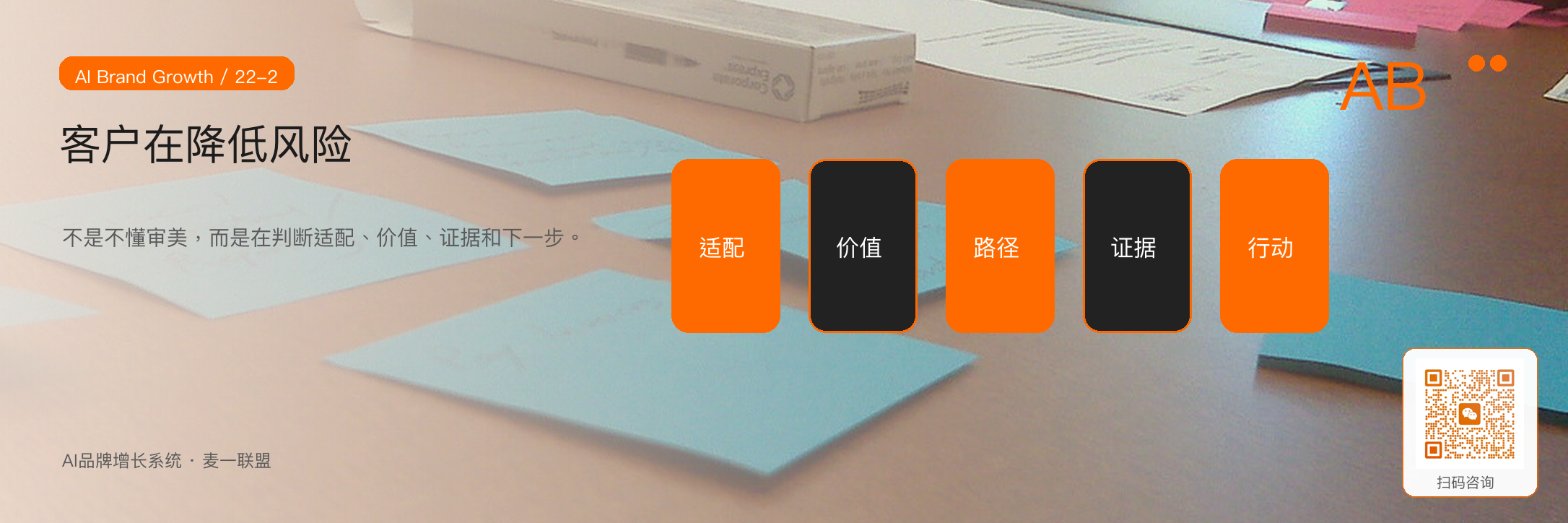
Figure 2: When customers read brand content, they are assessing and reducing the risk of choosing
03 | Being understood starts with explaining whom you serve
The first point customers need to understand is whom you serve. Many companies say they serve small businesses, entrepreneurs, brands or owners. These categories are so broad that customers struggle to tell whether you understand them.
A more effective approach is to describe the customer's circumstances. For example, you might serve companies facing rising acquisition costs, content that fails to convert, costly sales explanations, inconsistent brand communication or owners constantly stepping in to solve problems. This does more than identify an audience; it says: I understand what you are going through.
Understanding begins when customers recognize themselves in your description. At this point, they are not judging how impressive you are, but whether you understand their actual problems. Understanding the problem is a first step toward trust.
The AI Brand Growth System emphasizes a customer question library for this reason. Branding should start with customers' actual circumstances, not merely a company's introduction to itself. First help customers feel, 'You are describing me'; then help them consider, 'You may be able to help me.'
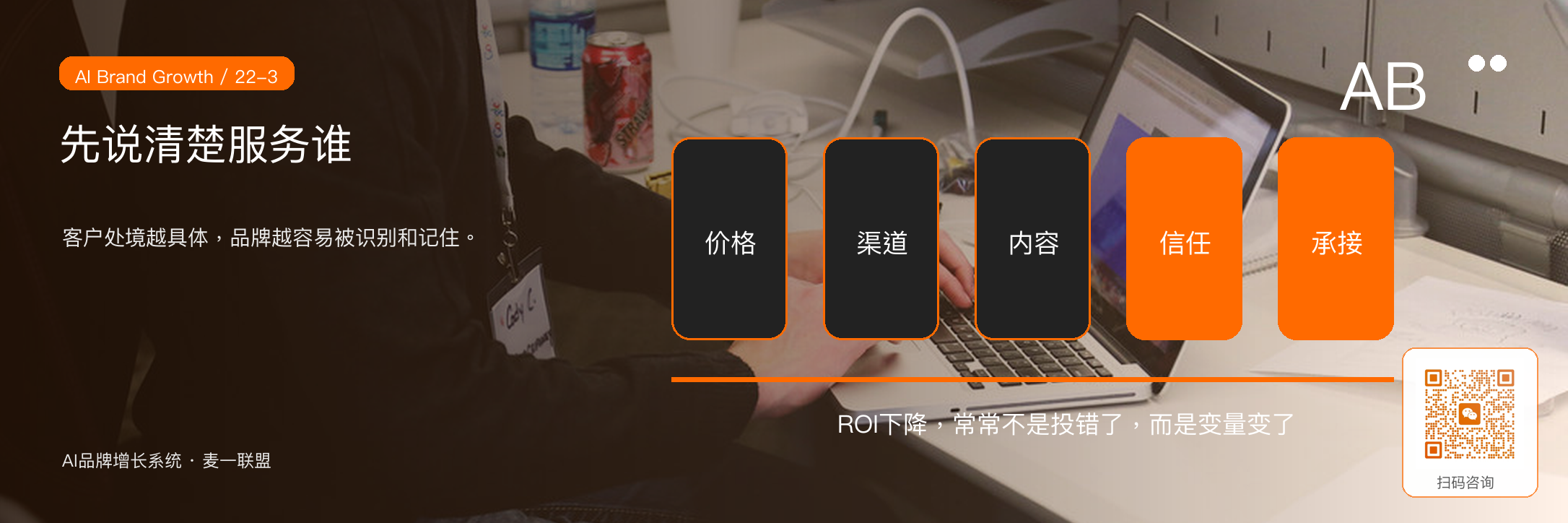
Figure 3: Explain whom you serve so customers can judge whether you understand them
04 | Being understood also requires explaining what you solve
The second point is the core problem. Companies often introduce themselves with a long list of services: design, content, advertising, short videos, livestreaming, owned-channel engagement, managed operations and training. More services do not necessarily create greater clarity; they may create more confusion.
Customers are not buying a service list, but a solution to a clearly defined problem. They may not be seeking 'WeChat public-account articles' so much as a way to address content that does not convert; not 'short-video scripts' so much as a way to communicate consistently; not 'brand design' so much as a way to address poor understanding, recall or trust.
Companies therefore need to translate service labels into customer problems. Explain not only what you do, but which obstacle it addresses. For example, the Content Factory is not about publishing more content, but continually reducing the effort customers need to understand. The Brand Brain is not simply a document repository, but a way for the team and AI to draw on the same judgments.
When a company connects its services to problems, customers can understand why they might need it. Otherwise, customers can only compare those services with competitors on price instead of assessing their value.

Figure 4: Translating service labels into customer problems makes a brand easier to explain
05 | Understanding requires a clear path and evidence
The third point is the solution path. Customers want to know not only that you can address a problem, but how. Without a path, a brand resembles a slogan. With one, customers can see a method, steps and standards rather than improvisation.
The path can be simple, but it must be clear. For example, begin with an AI Brand Growth Diagnosis to identify gaps in understanding, trust, content and conversion. Then build the Brand Brain, develop the Content Factory, connect sales follow-through and continually update the system through delivery reviews.
The fourth point is evidence for trust. Customers do not believe you simply because you describe yourself as professional. They assess cases, diagnostic reports, before-and-after comparisons, customer feedback, delivery templates, process records and changes in data.
Many brands offer too little of both path and evidence. Articles contain plenty of viewpoints, but customers cannot see how to apply them. Case images are plentiful, but starting conditions, actions and results are unclear. A brand that is understood needs to explain both 'How is it done?' and 'Why should I trust it?'
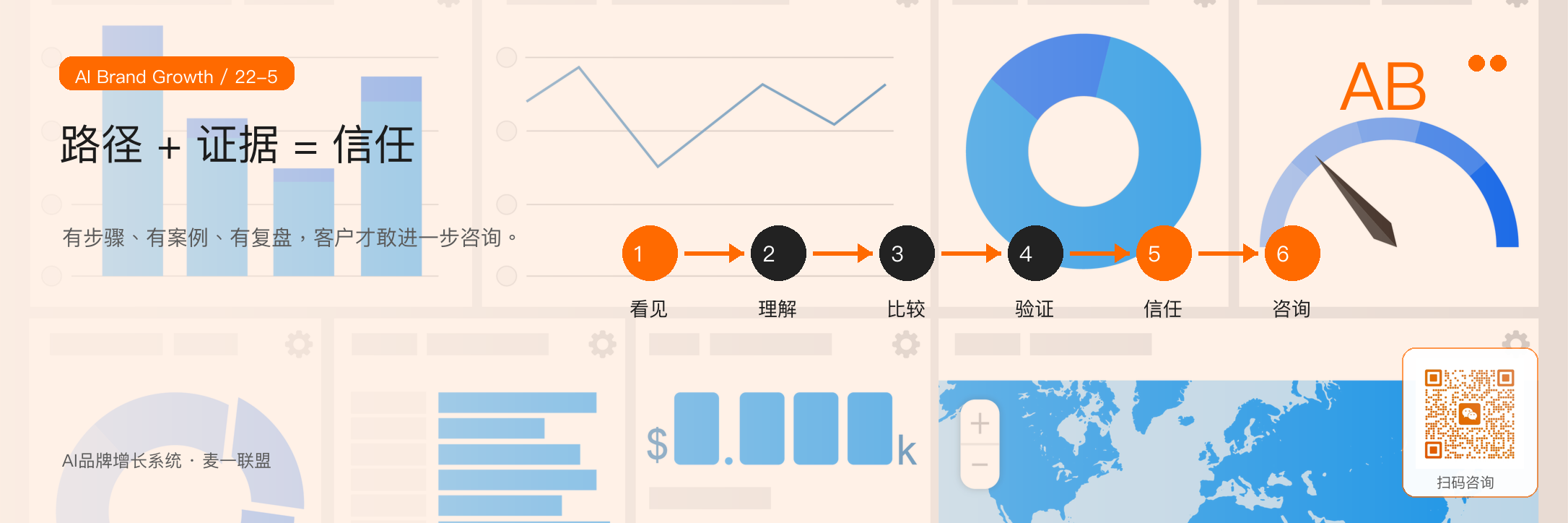
Figure 5: A clear path and evidence together influence whether customers extend their trust
06 | Being understandable to AI also matters increasingly
In the past, being understood mainly meant whether customers could follow your message. Now there is another layer: Can AI understand you? Customers use search, AI answers, intelligent recommendations and platform algorithms to obtain information. Inconsistent communication makes it difficult for AI to identify a company's positioning and value consistently.
AI's interpretation of a company draws on content assets that can be read, cited and categorized. Clearer information about whom you serve, which problems you address, your methodologies, case evidence and suitable situations can make it easier to place you in the appropriate context.
If a company's content merely piles up sophisticated terminology, AI may encounter polished language without identifying its core meaning. Without a customer question library, the problems being addressed may be unclear. Without a brand viewpoint library, its sustained positions may be unclear. Without a case evidence library, there may be no adequate basis for assessing credibility.
Being understood is therefore not only a matter of human communication; it also concerns brand assets in GEO and AI recommendation environments. The author's proposition is that greater clarity makes a brand easier for customers to understand and for AI to identify, cite and recommend. This is a framework for improving clarity, not a guarantee of citation or recommendation.
This is why companies need more than one attractive phrase: they need consistent communication. Stable customer definitions, problem descriptions, methodological frameworks and case structures can reinforce the same understanding for customers and help AI recognize the same brand across different content.
07 | Five actions to make brand communication easier to understand
First, put the customer's circumstances first. Instead of opening with how impressive the company is, describe the problems customers are experiencing. Seeing themselves in the first three sentences gives customers a reason to keep reading.
Second, translate service labels into problems and intended outcomes. Say less about what you can do and more about which costs the work is intended to reduce, which risks it addresses, which efficiencies it supports and which assets it builds.
Third, break the methodology into steps. However complex your service, give customers an understandable path: diagnose, build, produce, follow through and review. A clearer path can help customers feel more confident.
Fourth, explain the evidence fully. Cases should cover not only results but also the customer's starting point, key problems, actions taken, changes during the process and reusable lessons. Customers are not simply watching a success story; they are judging whether comparable results could be applicable to them.
Fifth, make the next action clear. After reading, customers should know what they can do next: take an AI Brand Growth Diagnosis, request materials, book a consultation, attend internal training or enter a managed brand service. Without a clear action entry, understanding is difficult to turn into growth.
These actions may look straightforward, but the author's argument is that they can directly affect the quality of growth. Earlier understanding can reduce sales explanation effort; easier evaluation can support better-informed inquiries; clearer paths and evidence can reduce reliance on the owner's persuasion in the moment. These are intended benefits, not guaranteed outcomes.
Good brand communication combines quality with comprehensibility: it looks professional while helping customers evaluate quickly. A premium appearance can be an outward advantage, but understanding is the foundation of the growth approach described here. The future challenge is not to sound more mysterious, but to explain complex value more clearly and make that clarity a repeatable capability that supports customer choice.
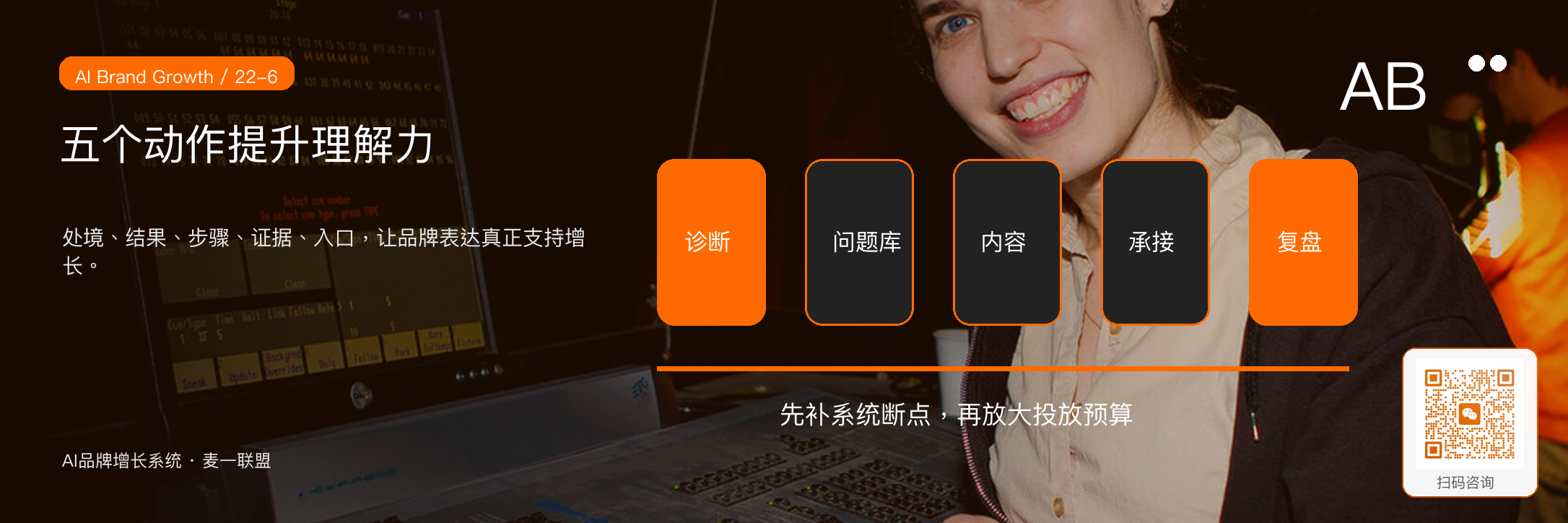
Figure 6: Five actions to improve the comprehensibility of brand communication
AI Brand Growth Diagnosis If your brand looks premium but customers still do not understand, remember or inquire about it, consider starting with an AI Brand Growth Diagnosis. Identify where understanding breaks down, then organize positioning, problems, the solution path, evidence and next actions into a brand growth system that customers can understand, teams can execute and AI can draw on. |