Brand Growth Is About Reducing the Effort of Choosing
AI Brand Growth System, Article 23 | Customers are not simply persuaded by your message; they reduce uncertainty through understanding, comparison, verification and action

Core assessment Many companies equate brand growth with more exposure, more attention and more people seeing them. Yet sales depend on more than being seen: the effort required for customers to choose you also needs to fall. The easier it is to understand, compare, trust and take action, the better a brand can support growth. This discussion presents the author's framework, not a promise of results within a fixed period. Original illustrations retain Chinese text. |
01 | A common review finding: customers saw you but did not choose you
Many service businesses encounter a similar situation. They publish content consistently, produce short videos and regularly update WeChat Moments. Customers have seen them, but few initiate an inquiry. When salespeople ask why customers have not ordered, customers do not express any particular dislike; they simply want to keep looking.
That 'keep looking' represents a frequently overlooked cost in brand growth. Customers are not entirely uninterested; they have not completed their evaluation. They may have seen you without understanding you, think you are good without knowing how you differ, or know you can do certain things without knowing whether you can solve their problem.
Companies readily attribute this to insufficient traffic and add more content, advertising and activities. But if the effort of choosing does not fall, more exposure may simply produce more hesitation. The more customers see, the more questions they may have: Who exactly are you right for? Why you? Is there evidence? How do I begin?
Reviewing brand growth therefore requires more than exposure and lead counts. It also requires identifying where customers get stuck between seeing you and making an inquiry. A brand's real value lies in reducing the burdens along this decision journey.
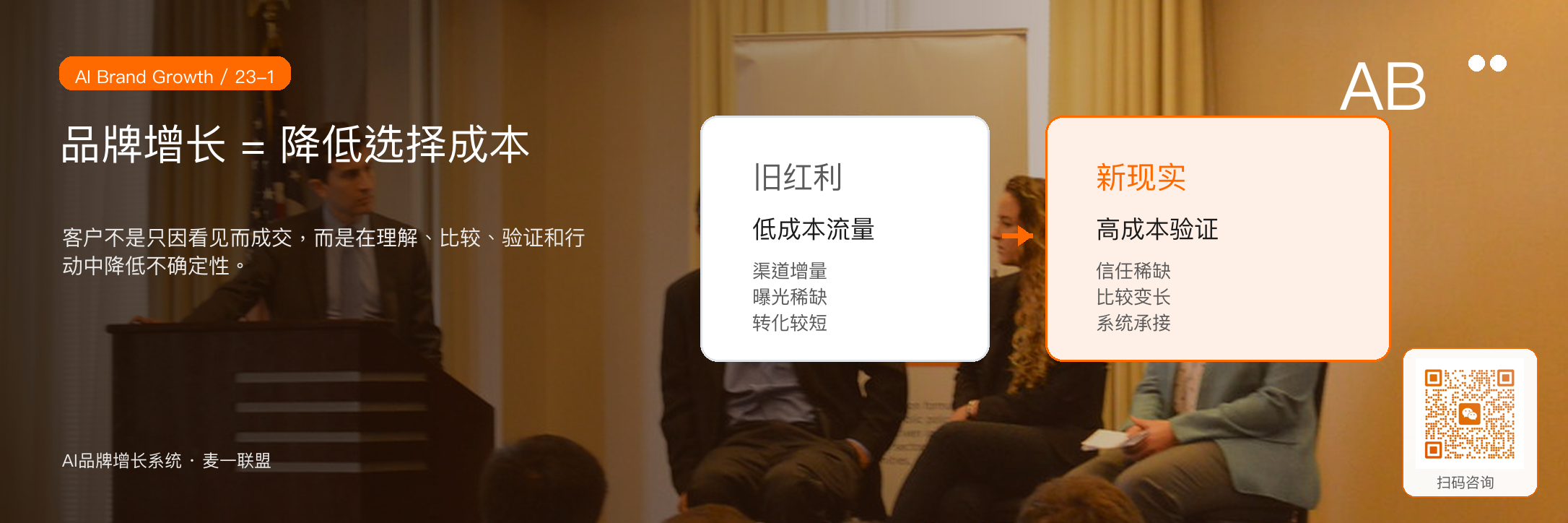
Figure 1: Brand growth is about continually reducing the effort customers need to choose
02 | What does the cost of customer choice mean?
The cost of choosing is not just a matter of price. Price is an explicit cost; larger burdens can arise from the effort involved in understanding, comparing, trusting, communicating and taking action during a decision.
Understanding concerns whether customers can quickly grasp the problem you solve. Comparison concerns whether they can distinguish you from competitors. Trust concerns whether they feel confident that you can deliver. Communication concerns whether they must repeatedly explain their needs after inquiring. Action concerns whether they know how to begin.
Many companies struggle to close sales not because customers lack a need, but because these burdens are too high. Customers still do not understand after reading, can compare only prices, worry about results without evidence, have to explain their background again after inquiring, or cannot find a way to learn more.
In this framework, brand growth means continually reducing these burdens. A good brand does not simply pass customers to sales for improvised persuasion. Before an inquiry, content, cases, product communication, sales materials and AI search results can help customers progressively form a judgment.
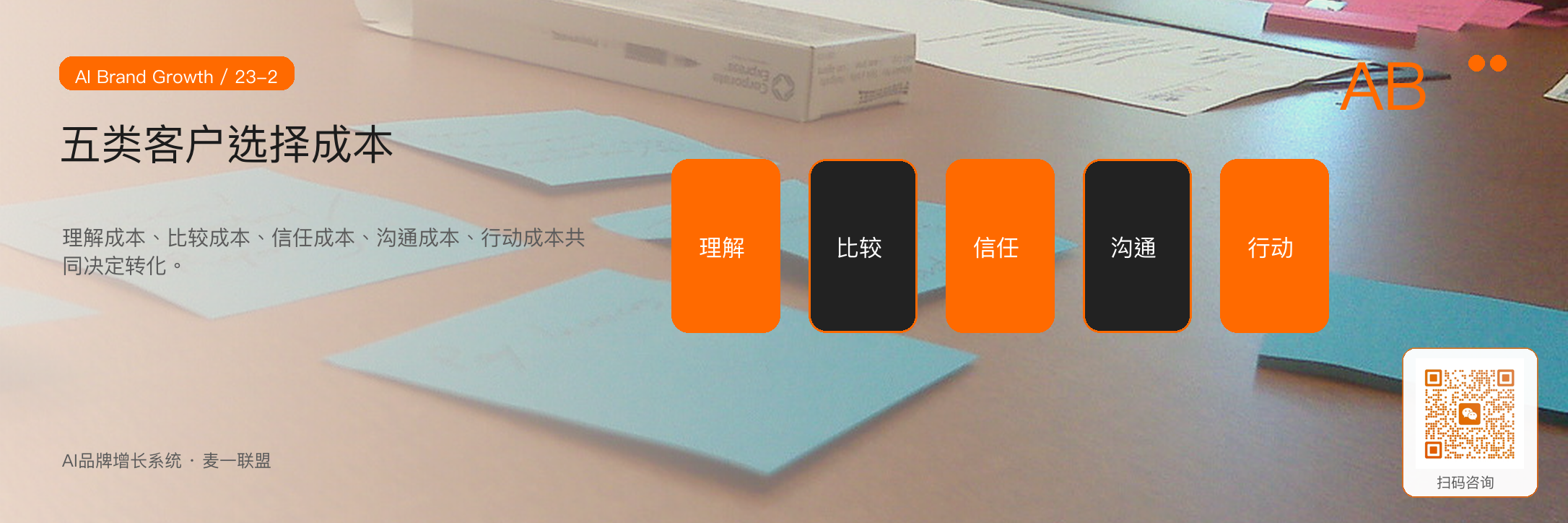
Figure 2: The costs of choosing include understanding, comparison, trust, communication and action
03 | Cost one: lack of clarity makes understanding harder
The first gap is that customers do not understand. Companies often introduce themselves through a stack of service labels: brand planning, content marketing, short-video operations, livestream coaching, owned-channel conversion and AI tool implementation. The terms may be familiar, but customers still do not know what the company will solve for them.
Customers are buying a solution, not a service label. They may want 'managed WeChat public-account operations' to address content that does not convert, 'brand design' to address poor recall or trust, or 'AI tools' to address team efficiency and knowledge reuse.
The first step toward easier understanding is translating company language into customer language. Explain not only what you do, but which obstacle you address, which burden you reduce and which long-term asset you aim to build.
If customers can explain your value within the first three minutes, understanding has become easier. Otherwise, they can only judge by instinct: you look reasonably good, but they are unsure whether you fit their needs.

Figure 3: When customers cannot grasp a company's value, understanding requires more effort
04 | Cost two: unclear differences make comparison harder
The second gap is that customers cannot compare clearly. Many providers offer design, content, advertising, managed operations or AI tools. Without clear differences, customers end up comparing prices, numbers of cases or the loudest claims.
Meaningful differentiation is not a claim to be 'more professional'; it makes your reasoning visible. From which perspective do you understand a problem? What path do you use to address it? What are the delivery boundaries? How are results reviewed? These are the details customers actually need for comparison.
The AI Brand Growth System's proposed distinction is not a few extra pieces of content, but the connection between the Brand Brain, Content Factory, sales follow-through, delivery SOPs and data reviews. When customers understand this as a connected capability, they have a basis for comparison beyond the price of an individual service.
The key to easier comparison is explaining the methodology. Without it, customers can compare only surface features. With it, they can evaluate the capabilities behind those features.
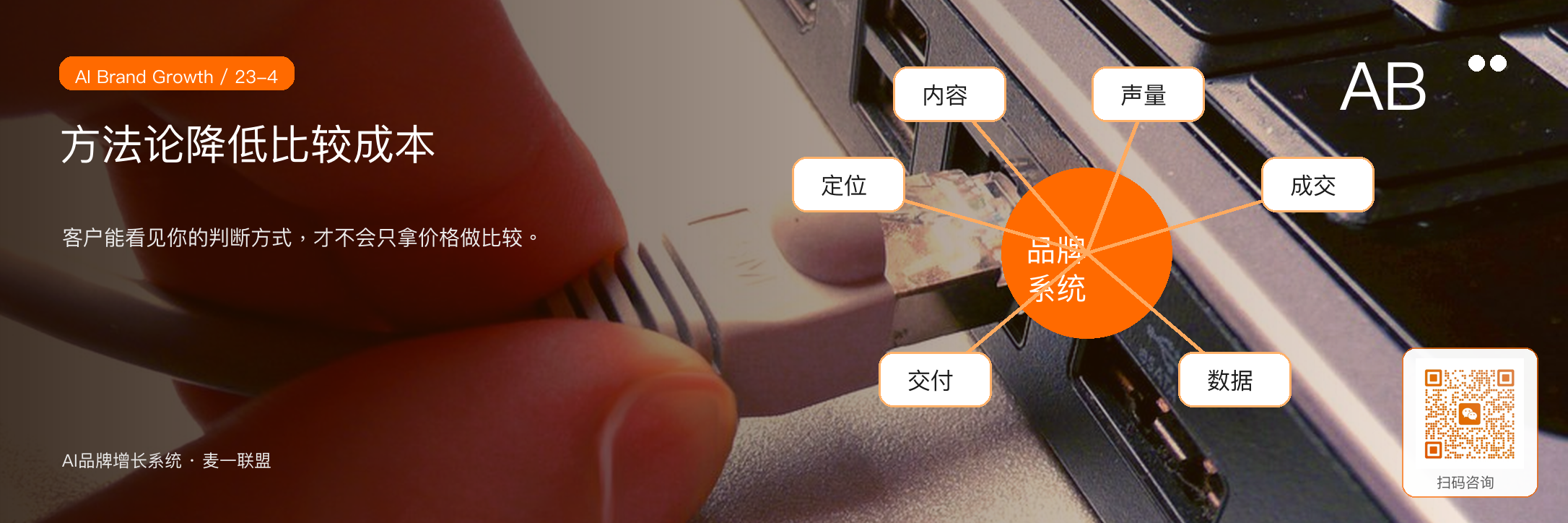
Figure 4: A methodology helps customers see differences and compare more easily
05 | Cost three: lack of confidence increases perceived risk
The third gap is that customers do not feel confident enough to trust. This is especially common in service businesses. The explanation sounds good and makes sense, but customers worry that buying will produce no useful effect, that the team will be unable to execute or that the investment will lead to no visible change.
At this point, the priority is not to keep emphasizing professionalism, but to provide evidence for trust. Cases, diagnostic reports, before-and-after comparisons, process records, delivery templates, customer feedback and changes in data can all help customers assess risk.
Many company cases describe only results, leaving the process invisible. They say something grew, improved or was upgraded without explaining the starting point, the problem, the actions, why those actions were effective or whether another customer could apply them.
A case that helps reduce perceived risk is one whose process can be reviewed. Instead of asking customers to accept a guarantee, it lets them judge for themselves: Does this method fit me? Is this path credible? Can this team deliver?
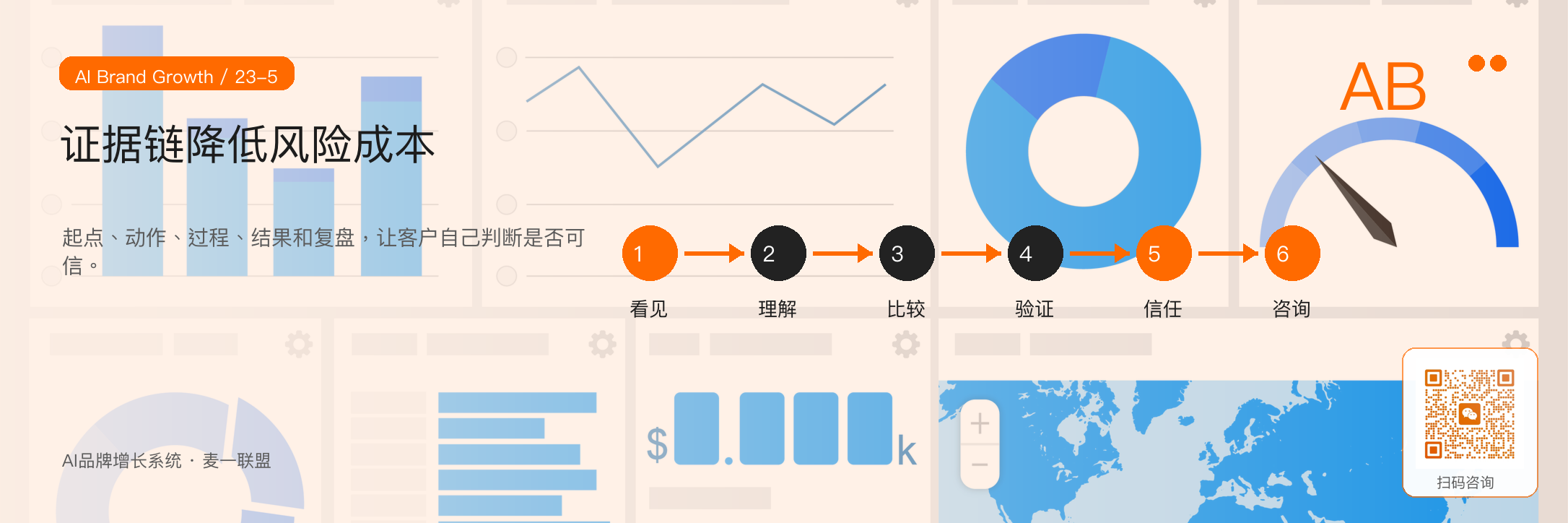
Figure 5: A complete evidence chain can help customers assess decision risk
06 | Use a system to make action easier, rather than relying on a single act of persuasion
The fourth gap is an unclear next action. Much brand content creates interest without providing a clear next step. After reading an article or watching a video, customers do not know which materials to request, which diagnosis to take, what to ask in a consultation or which product to start with.
When the action entry is unclear, customers set their interest aside for another day. This is particularly true of mid- to high-priced services. Customers rarely buy immediately after seeing one piece of content; they need a low-pressure way to begin.
Brand content therefore needs to support follow-through as well as communication. Options include an AI Brand Growth Diagnosis, a brand problem self-check, case materials, a consultation, internal training or a small product experience. The aim is to give customers a clear path from awareness to interaction.
Understanding brand growth as reducing the effort of choice changes what companies do. Content moves beyond trending topics to answering customer questions consistently. Cases move beyond displaying results to systematically addressing risk. Salespeople can draw on existing content and evidence instead of explaining everything from scratch.
This requires a system. The Brand Brain aligns customer questions, brand viewpoints, product structure, case evidence and sales objections. The Content Factory turns these assets into public-account articles, short videos, livestreams, owned-channel content and sales materials. Sales follow-through helps customers move from understanding to inquiry. Delivery reviews produce new evidence.
AI's value also belongs within this system. Its role is not to generate more generic content, but to draw on the Brand Brain: turning customer questions into topics, cases into evidence, objections into responses and delivery results into the next round of content.
In the system envisioned here, each piece of content helps make understanding easier, each case supports trust, each sales interaction reduces communication effort and each follow-through step makes action easier. The brand then becomes more than an image; it becomes infrastructure for growth. These are the framework's intended functions, not verified outcomes for every interaction.
07 | A 90-day review plan: reduce the effort of choosing
In the first 30 days, identify where customer choice breaks down. List the questions customers have asked most often, their main hesitations, the competitors they commonly compare, their recurring objections and the stages where they most often leave. Do not rush into new content; first examine why customers have not chosen you.
In the second 30 days, complete the key assets. Around one core product, organize 20 customer questions, 10 brand viewpoints, five cases whose processes can be reviewed, 20 sales objections and one clear action path. Start by helping customers understand, compare and verify.
In the third 30 days, run one complete cycle. Use those assets to create a set of public-account articles, a set of short-video scripts, sales materials, a diagnostic questionnaire and a case-review template. Align content, sales and delivery around the same system. This 90-day sequence is an implementation plan, not a deadline for guaranteed growth.
During the review, look beyond the amount of content published. Ask whether choosing has become easier: Are customers better informed before inquiring? Do sales explanations require less effort? Are differences easier to understand? Are cases reused? Do sales depend less entirely on the owner's persuasion in the moment?
Brand growth is not about making customers passively accept you; it is about helping them choose more easily. As the effort involved in choosing you falls, the aim is for the brand to move from being seen toward being understood, trusted, approached and chosen repeatedly.
The AI Brand Growth System aims to help companies identify gaps in the customer decision process, then use the Brand Brain, Content Factory, sales follow-through and delivery reviews to turn those gaps into a growth system that can be continually improved.
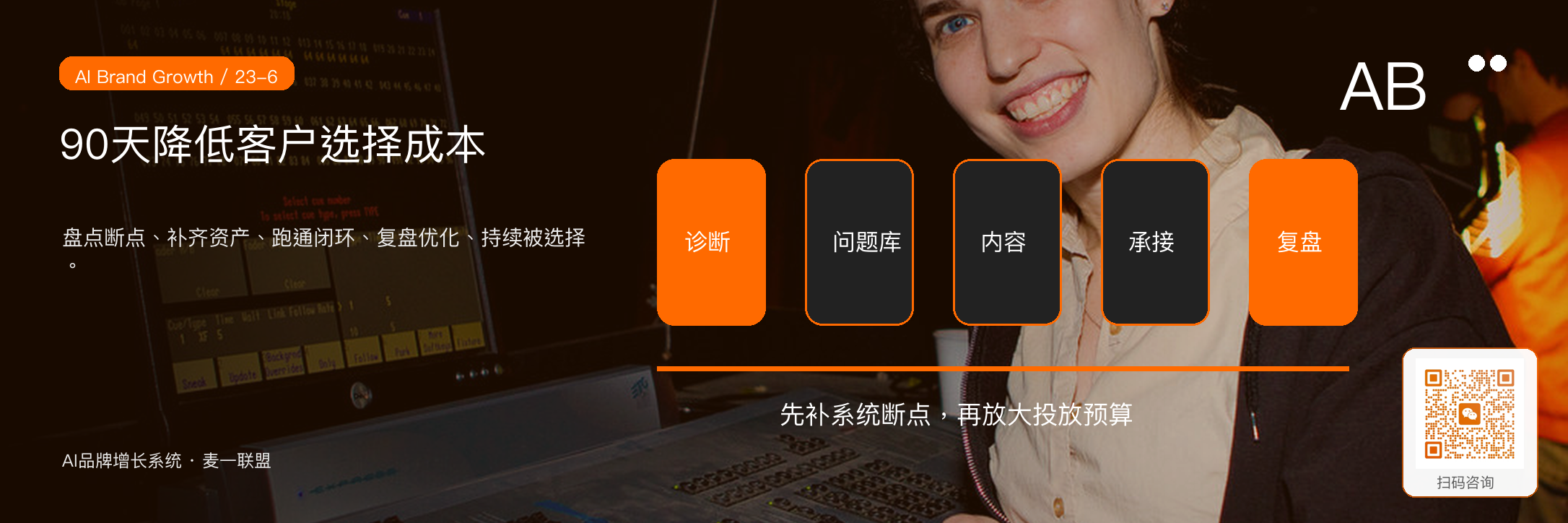
Figure 6: Use a 90-day implementation cycle to work on reducing the effort of customer choice
AI Brand Growth Diagnosis If your brand has exposure, content and inquiries but customers still hesitate to choose, consider starting with an AI Brand Growth Diagnosis. Identify the burdens in understanding, comparison, trust, communication and action, then connect the Brand Brain, Content Factory, sales follow-through and delivery reviews into a growth system intended to reduce those burdens continuously. |