Why a Short-Lived Hit Cannot Replace a Lasting Brand
AI Brand Growth System, Article 24 | A hit can attract a burst of attention; a long-term brand needs assets that support ongoing understanding, trust and choice

Core assessment A hit has value, but a hit is not a brand. A short-term hit addresses attention for a limited period; a long-term brand addresses customers' reasons for choosing you repeatedly. In the author's framework, the real task is not to chase one burst of excitement after another, but to turn each opportunity to be seen into reusable brand assets. This is a framework, not a guarantee of growth. Original illustrations retain Chinese text. |
01 | Why Businesses Can Become Hooked on Hits
Many businesses hope their content will become a hit. When article readership or short-video views suddenly rise, and comments and shares increase, the team gets excited. The owner may also feel that the direction is finally right.
That excitement is understandable. For a business under sustained pressure to acquire customers, a hit means more people have seen it, the platform has delivered traffic, and the team finally has a result it can examine and learn from.
The problem is that a hit can easily lead a business to misread growth. It may assume that repeatedly producing hits will naturally strengthen its brand, that more excitement will bring more customer inquiries, or that impressive content metrics will translate directly into sales.
The real issue is that a hit brings a peak in attention, not necessarily lasting trust. Seeing you once does not mean a customer understands you. Being moved by an idea does not mean they know how to buy. Remembering one piece of content does not mean they remember your brand system.

Figure 1: Short-term hits attract attention; a long-term brand builds reasons to choose
02 | Hits Attract Attention; Brands Build Reasons to Choose
A hit is especially effective at attracting attention. It can make more people pause to notice an idea, an emotion, a story or a conflict. Attention matters: without being seen, everything that follows becomes much harder.
A brand, however, must address the reasons for choosing. Why should customers think of you when a need arises? Why should they trust you rather than someone else? Why inquire, pay, buy again or recommend you? One hit cannot answer all these questions.
Short-term hits often rely on strong emotions, forceful viewpoints, striking contrasts and elements that encourage sharing. Long-term brands rely on consistent positioning, clear methods, continuing content, credible cases and ongoing review. The former makes people pause; the latter helps them become familiar with you over time.
Many businesses mistake attention for a reason to choose. A customer who follows you after seeing one piece of content has been attracted by something specific; that does not mean they already trust your overall capabilities. Following is an entry point. In this framework, trust is a prerequisite for conversion.
Hits are not useless, but they should not be misused. A hit should be an entry point into a brand system, not the business's entire basis for growth. Without a long-term brand to support what follows, customers may remember the content after its popularity fades without remembering you.

Figure 2: Hits bring initial traffic; brands support repeated choice
03 | A Short-Term Hit Cannot Replace Building Trust in Advance
Customers choosing a company, particularly for a mid- or high-value service, do not necessarily buy just because they encounter one hit. They continue to observe: does the company consistently express the same logic? Does it have a methodology, cases, defined service boundaries and a clear next step?
This is what the author calls building trust in advance. An effective brand does not wait until a customer makes an inquiry to improvise a persuasive response. Through continuing content, case evidence, product explanations and sales materials, it works to reduce the effort of understanding and perceived risk before that inquiry.
A hit can bring a customer to the door, but prior trust influences whether they take the next step. If they see only a highly shareable piece of content, without a complete viewpoint, case evidence or a follow-through path, they may simply like it and leave.
Businesses should therefore ask not only whether a piece of content could become a hit, but also whether it can become part of a sequence that builds trust. Does it answer a real customer question? Can it lead to a case, connect to a product and be used by sales?
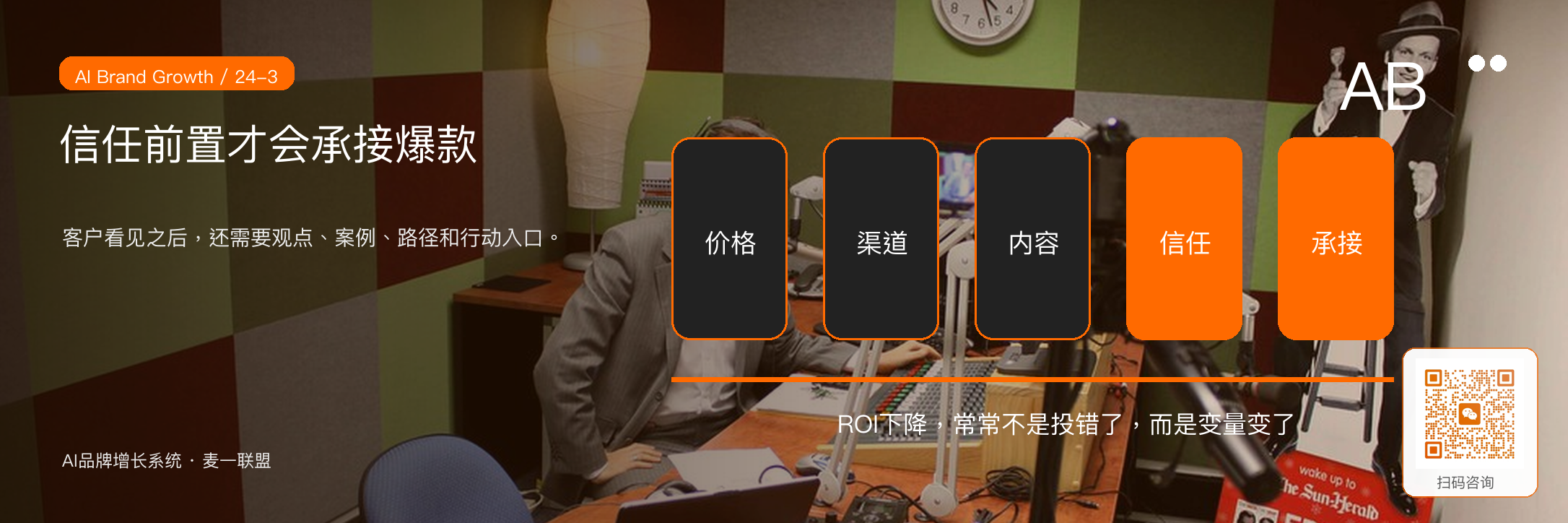
Figure 3: Trust built in advance supports the follow-through from a hit
04 | A Short-Term Hit Cannot Replace Building Reusable Assets
Many businesses finish a hit and move on. The numbers look good, the team is happy, someone shares a screenshot in the group chat, and everyone starts chasing the next trend. Even a successful hit of this kind is difficult to turn into a long-term asset.
A long-term brand needs accumulated assets: customer-question libraries, brand-viewpoint libraries, case-evidence libraries, analyses of successful content, sales-objection libraries, product-expression libraries and delivery-review libraries. Teams can use these repeatedly, and AI can draw on them over time.
If a hit is only a burst of excitement, its useful life is short. But breaking it down into topics, scripts, sales talking points, owned-channel content, livestream themes, diagnostic questions and case reviews can turn a single communication event into a long-term asset.
Building assets has another benefit in this framework: greater consistency for the team. New employees need not guess the content direction from scratch, salespeople need not rewrite their explanations every time, and the owner need not improvise viewpoints every day. Once documented, a hit becomes organizational material rather than an isolated stroke of luck.
The same principle applies in the AI era. AI does not create a brand out of nothing; it needs high-quality material. If a business does not retain the customer questions, viewpoint structure and conversion feedback behind a hit, AI may continue producing generic content rather than strengthening the brand system.
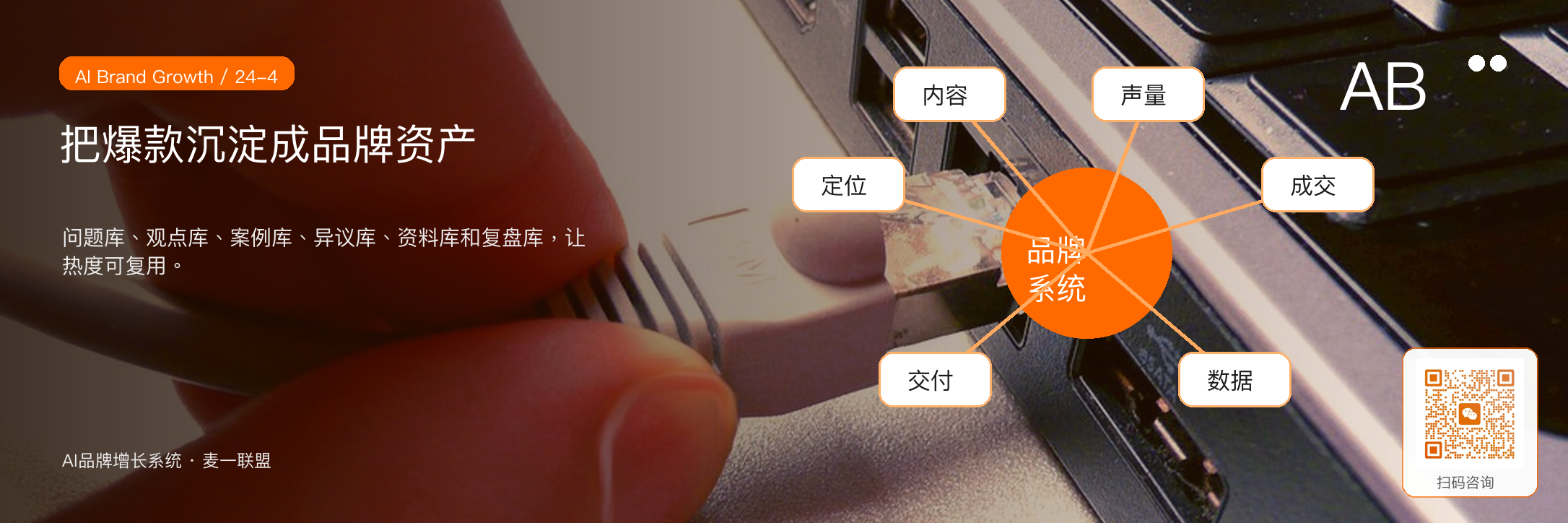
Figure 4: Incorporate lessons from hits into the Brand Brain to create long-term assets
05 | Checklist: Has a Hit Become a Brand Asset?
First, check whether it captured customer questions. A hit usually connects with a strong pain point. Record that issue in the customer-question library, rather than recording only views and readership.
Second, check whether it captured a brand viewpoint. What moved customers: a particular expression, a judgment, a contrast or a case? Add those insights to the brand-viewpoint library so they can become positions expressed consistently over time.
Third, check whether it captured case evidence. If a hit presents only a viewpoint without supporting cases, its appeal may fade quickly. Add relevant cases, customer feedback, before-and-after comparisons and process records so the viewpoint has evidence that can support trust.
Fourth, check whether it became a sales resource. Can salespeople send it to customers to explain value, respond to objections and reduce perceived risk? If sales cannot use it, the hit has not yet become part of the conversion process.
Fifth, check whether it led to review and action. Why was this content effective? Whom did it attract? What was the quality of the inquiries it brought? What did customers ask next? Feed those findings into the next round of content and product explanations.
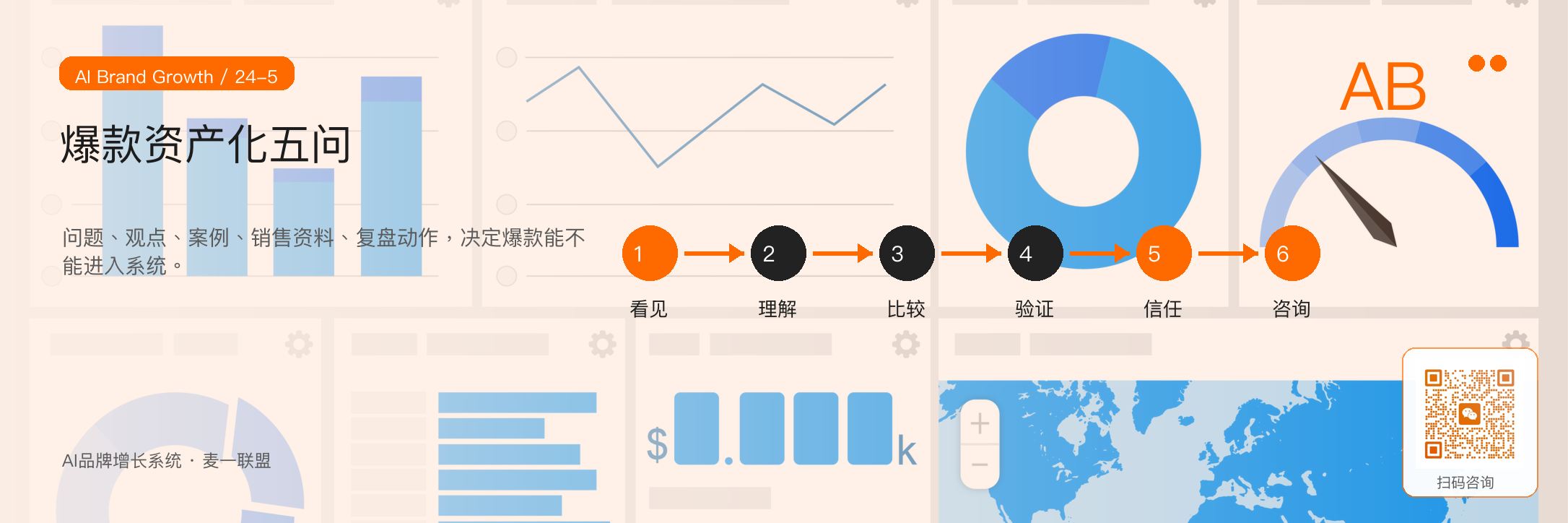
Figure 5: Five questions for checking whether a hit has become a reusable asset
06 | A Long-Term Brand Depends on Consistency, Not Luck
A genuine long-term brand is not one that never has hits; it is one that does not depend on them. It maintains a consistent cadence of content, viewpoints, cases, livestreams, owned-channel communication and review.
Content regularly answers customer questions. Viewpoints help customers remember your judgments. Cases address trust-related risk. Livestreams strengthen a person's public profile and ability to explain matters live. Owned channels maintain relationships over time. Reviews turn results into assets for the next round.
Once these routines are established, a hit is no longer an isolated event but a potential accelerator within the system. When a hit arrives, the system can follow through; when no hit arrives, the brand can still accumulate useful assets. A business need not panic over one low-performing piece or misjudge its position because of one high-performing piece.
The point of a consistent cadence is to let customers encounter the same set of judgments at different times, on different platforms and in different situations. The author contrasts one encounter, which may leave only an impression, with ten encounters that can build understanding; this is an illustration, not a fixed exposure threshold. Initial understanding may create interest, while continued validation can develop trust.
The core of a long-term brand is being recognized, understood, trusted and chosen over time. It is not a passing burst of excitement, but a foundation for growth built on showing up, communicating, following through and reviewing consistently.
07 | A 90-Day Plan to Move from Chasing Hits to Building Brand Assets
In the first 30 days, review previous hits. Gather all past content that performed well. Look beyond readership and views: which customer question did each piece address, which brand viewpoint did it express, did it generate inquiries, and what was the quality of those inquiries?
In the second 30 days, build asset libraries. Organize the review findings into customer-question, brand-viewpoint, case-evidence, sales-objection and content-material libraries. Break each hit down into assets that can be used again.
In the third 30 days, put one complete follow-through process into practice. Use the assets from successful content to produce WeChat articles, short-video scripts, livestream topics, owned-channel content, sales resources and diagnostic questions, connecting a single communication event across multiple touchpoints.
Once that process is operating, watch one key indicator: did the hit leave anything that can be used sustainably? If only a screenshot of the metrics remains, it was a burst of excitement. If topics, cases, talking points, inquiries and review findings remain, it has begun to become part of the brand system.
The goal of this proposed 90-day implementation plan is not to manufacture more hits, but to stop their value from slipping away. Each opportunity to be seen should leave a customer question, a viewpoint, a case, a sales resource or a set of review findings. The period is a work plan, not a guaranteed time to achieve growth.
Short-term hits can create opportunities; a long-term brand provides the basis for following through on them. Businesses need not abandon hits. They should incorporate them into a brand growth system, aiming to turn attention into assets that support trust and content popularity into continuing reasons to choose the brand.
The AI Brand Growth System is intended to help businesses organize scattered content, occasional hits and sales experience into a Brand Brain, Content Factory, sales follow-through and delivery review, so that each communication effort can contribute to long-term brand assets.

Figure 6: A 90-day implementation plan for moving from hits to brand assets
AI Brand Growth Diagnosis If your business has experienced hits and bursts of attention but lacks steady inquiries and lasting trust afterward, consider starting with an AI brand growth diagnosis. Document the customer questions, brand viewpoints, case evidence and conversion feedback behind those hits, then build the Brand Brain, Content Factory, sales follow-through and delivery-review processes to help turn visibility into lasting brand assets. |