Unstable Growth Usually Means a Missing Feedback Loop, Not Missing Methods
AI Brand Growth System, Article 25 | Methods solve individual problems; a complete feedback loop connects understanding, content, trust, sales and review so each informs the next

Core assessment For many businesses, unstable growth is not a matter of never having learned methods. Instead, each method remains isolated: content, paid traffic, sales and delivery operate separately. In the author's framework, consistent growth depends less on continually changing tactics and more on connecting customer questions, brand expression, sales follow-through and delivery feedback into a complete loop. This is a framework, not a guarantee of growth. Original illustrations retain Chinese text. |
01 | Why Learning More Methods Can Leave Growth Less Consistent
Business owners have had no shortage of growth methods in recent years. How to make short videos, set up livestreams, communicate through owned channels, test paid traffic and use AI: courses, tools, templates and cases are available everywhere online.
Yet a practical problem persists: more methods can leave a business more confused. Today someone says short video works, so it starts making videos. Tomorrow livestream sales look promising, so it sets up a studio. The next day it hears that owned channels convert well, so it starts groups and publishes content there.
Each method may make sense on its own, yet producing consistent results inside the business remains difficult. The team is busier, activities increase and tools are in use, but results still come and go: inquiries one month and silence the next; one piece of content works and the next does not; one salesperson closes deals but another cannot follow through.
The underlying issue, in this diagnosis, is neither a lack of effort nor an owner's unwillingness to learn. It is the absence of a complete feedback loop connecting the methods. Without that loop, a method remains an isolated action; connecting the loop is how those actions can become a repeatable organizational capability.

Figure 1: Inconsistent growth often reflects a broken feedback loop, not too few methods
02 | Growth Requires a Working Cycle, Not Just One Effective Tactic
Many businesses still approach growth by looking for one move. Is there a formula for viral content, a sales script, an AI tool or a platform opportunity? The assumption beneath this approach is that getting one action right will make growth follow.
But today's path to growth increasingly differs from that assumption. Customers do not necessarily buy immediately after seeing an advertisement or trust a business after hearing one selling point. They look again, compare and verify, sometimes forming their judgment gradually across different platforms, times and pieces of content.
Growth is therefore better understood here as a complete cycle rather than a straight line. Identified customer questions become content topics. The content expresses ideas that build brand understanding. Cases validate that understanding and address perceived risk. Sales responds to questions and works toward inquiries and purchases. Delivery results and customer feedback then inform the next round of content and product explanations.
The author argues that a functioning cycle helps a business become more consistent. Other parts of the system can compensate for a weaker activity; other touchpoints can support customers when one platform fluctuates; even content with ordinary metrics can become a long-term asset. Consistency comes from returning each action's lessons to the system instead of expending them in isolation, not from a guaranteed result for every activity.
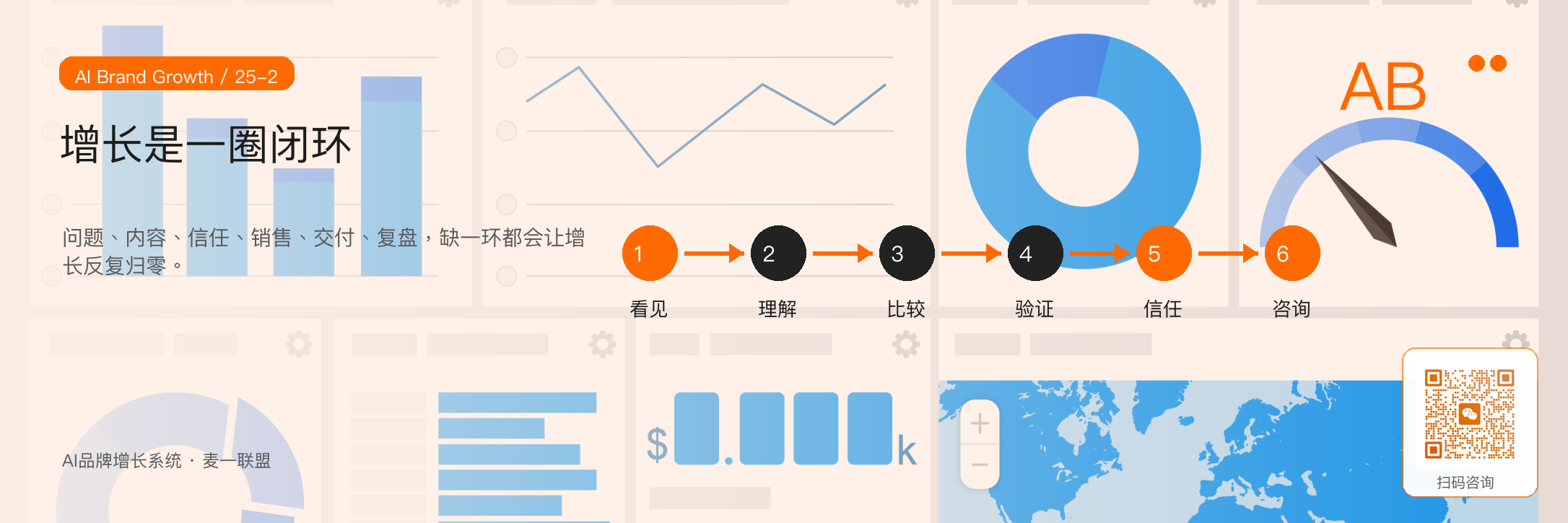
Figure 2: Move from isolated actions to a complete cycle that can be reviewed
03 | The Cycle Starts with Customer Questions, Not Content
When producing content, many businesses immediately ask: what should we post or film today, which trend should we follow, and which account should we imitate? These questions seem specific, but they can easily send a business in the wrong direction.
The cycle begins with customer questions, not content. Why are customers anxious? Why are they delaying a purchase? Why do they keep comparing after reviewing many proposals? Why do they consider you expensive? Why do they doubt your ability to deliver? These questions are the shared raw material for content, sales and product explanations.
Without a customer-question library, content can become a matter of temporary inspiration, sales can depend on individual experience and improvisation, and AI may produce generic material that looks complete but fails to address what matters to customers.
An effective growth cycle, in this framework, starts with real customer questions. Organize inquiry records, sales conversations, reasons for lost opportunities, comment feedback, owned-channel conversations and delivery reviews into a question library. A clearer library can help make content more relevant, sales more consistent and product explanations easier to understand.

Figure 3: A customer-question library is the shared starting point for content, sales and AI use
04 | Content, Sales and Delivery Cannot Work in Isolation
Growth is inconsistent in many businesses because key functions operate separately. The content team watches readership and views; sales watches leads and deals; delivery focuses on completing projects; and the owner watches whether revenue ultimately arrives.
This creates gaps. Sales may not know how to engage the people content attracts. Content may not keep answering the questions sales encounters. Real cases produced during delivery may never return to brand communications. Feedback after a purchase may never inform the next round of product improvement.
A complete loop does not mean merely inviting every department to a meeting. It means each stage supplies material to the next. Content prepares customers for sales, sales returns customer questions to content, delivery records case evidence, and that evidence supports trust in the brand.
When content, sales and delivery begin informing one another, a business can move from reliance on individual experience toward reliance on shared assets. Otherwise, popular content may bring people whom sales cannot support; hardworking salespeople may lack the benefit of trust built in advance; and demanding delivery work may leave no reusable cases. Growth efforts then risk repeatedly starting over.
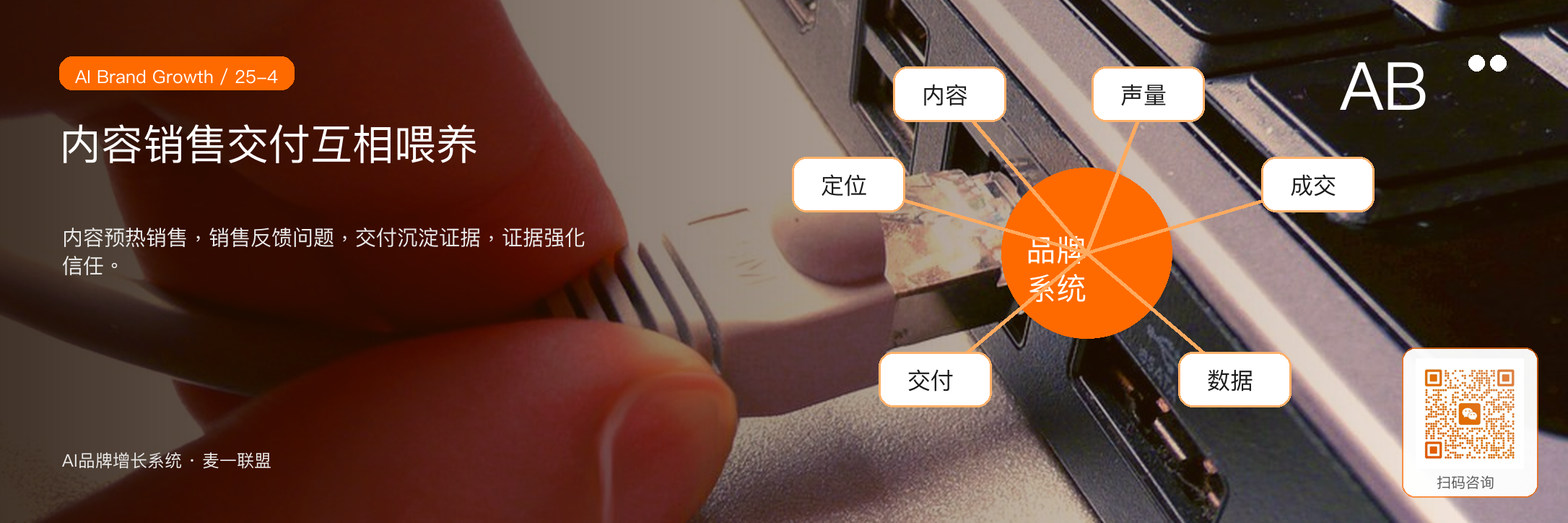
Figure 4: Content, sales and delivery inform one another to support lasting trust
05 | Checklist: Five Breaks to Look for in the Growth Cycle
First, check whether target customers' questions are being recorded. Each week, capture a set of real questions: what customers asked, hesitated over, compared, misunderstood and worried about.
Second, check whether content answers those questions. Do not count only the number of posts. Identify which customer question each piece addresses, which brand viewpoint it expresses, and whether it helps reduce the effort of understanding and establishing trust.
Third, check whether sales uses the content assets. Useful content should not remain merely a set of public-platform metrics. It should become material that sales can forward, explain and use to answer objections. If sales cannot use it, the content has not entered the follow-through process.
Fourth, check whether delivery produces case evidence. Why was the customer satisfied? How did the project progress? What changed before and after? Where were the key decision points? These can all become material that supports trust in future content and sales conversations.
Fifth, check whether reviews inform the next round of action. After a communication effort, an inquiry, a sale or a delivery, did the business update its question, viewpoint, case and talking-point libraries? If not, the loop is broken at the review stage.

Figure 5: Use five potential breaks to check whether the growth cycle is connected
06 | AI's Value Lies in Making the Cycle Repeatable
Many businesses use AI only to generate material: copy, headlines, revised scripts or posters. These uses can improve efficiency, but if the business lacks a complete loop, AI may simply make its disconnected activities happen faster.
AI's value in this framework is not limited to producing content. It can help standardize, structure and reproduce the cycle: organize customer questions into a question library, brand viewpoints into a viewpoint library, cases into an evidence library, sales objections into a response library, and delivery reviews into a library of lessons.
These assets give AI a consistent set of brand logic to draw on. The aim is for articles to remain coherent rather than scattered, short-video scripts to do more than chase emotions, and sales materials to do more than offer polished phrases. All should keep explaining value around customer questions.
The AI Brand Growth System therefore treats AI as part of the business's growth cycle, not merely as a copywriting assistant. It is intended to help the business start with customer questions, produce content, support sales, retain cases and continually return feedback to the Brand Brain.
07 | A 90-Day Plan to Build a Small Growth Cycle
In the first 30 days, diagnose and collect. Rather than rushing to add activities, gather content, inquiries, completed sales, lost opportunities and delivery feedback from the previous three months. Identify the 20 questions customers ask most often, the 10 most common misunderstandings and the 10 most persuasive pieces of case evidence.
In the second 30 days, connect content with sales follow-through. Use those 20 customer questions to plan long-form WeChat articles, short-video scripts, livestream topics, owned-channel content and sales resources. Label each piece with the question it addresses and the stage at which it should be used.
In the third 30 days, establish the review process. Review content metrics, inquiry quality, sales feedback and delivery materials once a week. Add effective expressions to the brand-viewpoint library, update the question library with customer concerns, and organize evidence from completed sales into the case library.
The goal of this proposed 90-day implementation plan is not to scale everything at once, but to establish one small working cycle. It should help the business learn which customer questions matter most, which content can build trust in advance, which materials help sales and which cases address risk most effectively. Ninety days describes the work plan, not a guaranteed growth deadline.
Consistent growth, in the author's argument, does not come from suddenly discovering a universal method. It comes from continually connecting visibility, understanding, trust, inquiries, purchases, delivery and review. Each cycle should improve the system's clarity, and each review should deepen its assets.
As the loop becomes more reliable, the aim is for the business to depend less on platform fluctuations, personnel changes or the highs and lows of content metrics. What supports growth in this framework is not one isolated action, but a brand growth system capable of ongoing correction, accumulation and development.
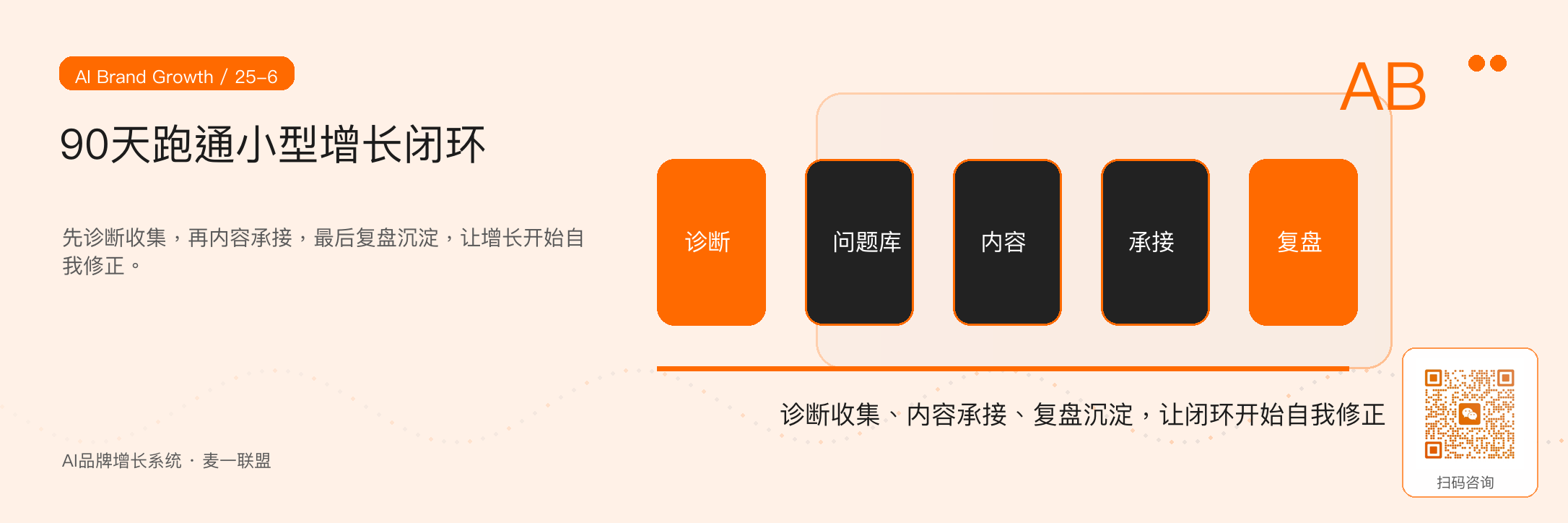
Figure 6: A 90-day implementation plan for a small, repeatable growth cycle
AI Brand Growth Diagnosis If your business has tried many methods but growth remains inconsistent, consider starting with an AI brand growth diagnosis. Together, we can review customer questions, content assets, sales follow-through, case evidence and review processes to identify breaks in the cycle. We can then build the Brand Brain, Content Factory, sales follow-through and delivery-review processes, working toward a sustainable system rather than isolated activities. |