From Buying Attention to Building Trust: How Should Business Budgets Shift?
AI Brand Growth System, Article 26 | Traffic budgets address visibility; trust budgets address reasons to choose. Businesses need to reconsider growth investment in the AI era

Core assessment In the past, businesses often directed growth budgets toward buying attention: advertising, channel exposure, campaign visibility and platform traffic. The author argues that what is scarce now is not simply being seen, but being understood, trusted and chosen repeatedly. Budgets can still fund traffic, but should move beyond attention alone to building trust assets. This is the author's planning framework, not a guarantee of growth or sales. Original illustrations retain Chinese text. |
01 | Why Spending More Can Still Leave Businesses Anxious
Many businesses are already investing. They have run ads, made short videos, tried livestreams, worked with creators and joined platform campaigns. Spending may move the numbers briefly, only for them to return to where they started after a while.
The owner's dilemma is that without spending there is little visibility, yet spending does not necessarily produce results. Traffic becomes more expensive, customers take longer to compare, sales follow-up becomes harder, and the team grows more dependent on the next campaign.
The problem is not necessarily poor advertising execution or the wrong channel. The budget structure may still reflect an earlier environment. A business spends heavily on exposure but invests little in explaining value, documenting cases, building content assets, improving sales follow-through or reviewing customer feedback.
Each round of spending then feels consumable: attention rises while the campaign runs and fades when it stops; inquiries appear during an event and stop afterward; content produces metrics that sales cannot follow through on. In this diagnosis, the core issue is not too little budget, but too little of it becoming lasting trust.

Figure 1: Move business budgets beyond buying attention toward building lasting trust
02 | Attention Can Be Bought; Trust Must Be Built
A budget can buy attention quickly. Ads, promoted placements, creator partnerships, events and additional exposure can help more people see you. Visibility matters: without an entry point, little can happen afterward.
Trust, however, cannot simply be bought. Customers do not immediately believe you because you appear often, nor do polished visuals automatically close a sale. For higher-value services, long-term projects and brand-related work in particular, customers ask whether you understand them, have a method and supporting cases, can deliver, and are worth the risk.
The proposed shift is therefore from buying attention to building trust. Buying attention seeks to make a customer pause; building trust seeks to make them willing to keep reading, understand, inquire and choose.
A business that buys attention without building trust can enter a cycle: more exposure brings a more mixed set of inquiries; mixed inquiries put greater pressure on sales; pressure makes sales less consistent; and inconsistent sales lead to spending still more on attention.
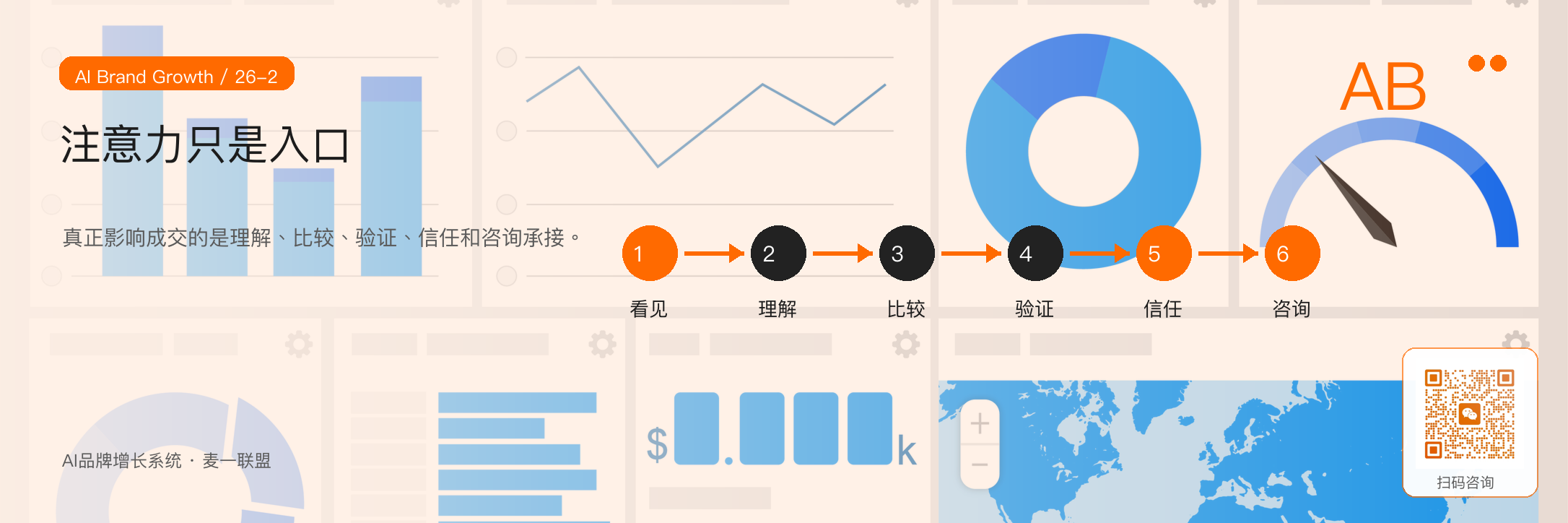
Figure 2: Attention is only the entry point; trust-building follow-through supports the next choice
03 | Budget Structure Shapes Growth Structure
In the author's framework, budget structure eventually shapes growth structure. Prioritizing exposure makes a business more dependent on exposure; investing in content assets develops its ability to explain value; investing in case documentation strengthens the basis for trust.
Many business budgets include advertising, events, design and filming, but have no lines for documenting brand viewpoints, building a customer-question library, updating sales materials, reviewing cases or establishing an AI knowledge base.
As a result, businesses spend on growth activities each year without building the supporting infrastructure at the same time. Materials remain scattered across platforms, customer questions stay in salespeople's heads, delivery cases go undocumented, and review findings fail to inform the next round of content.
The proposed change is not to stop advertising entirely, but to rebalance the budget. Redirect part of the money spent solely on exposure toward reusable brand assets, so that every campaign, piece of content and inquiry can contribute to a longer-term system.

Figure 3: Budget structure shapes the structure of business growth
04 | Where Should a Trust-Building Budget Go?
First, invest in a customer-question library. Keep documenting why customers hesitate, compare options, consider the price high, doubt the offer or delay a decision. Clearer questions give content and sales a clearer direction.
Second, invest in a brand-viewpoint library. A business should not improvise its message every time. Develop consistent judgments about the industry, customer problems, solution paths and service boundaries. Consistent viewpoints help customers recognize the brand repeatedly.
Third, invest in a case-evidence library. Real cases, process records, before-and-after changes, customer feedback and key decisions are assets that can reduce perceived risk. Without case evidence, statements about expertise remain self-descriptions.
Fourth, invest in sales follow-through materials. After discovering the business, customers need white papers, solution pages, diagnostic forms, case collections, service descriptions, pricing rationale and responses to objections. Content should help sales explain value as well as support communication.
Fifth, invest in the AI Brand Brain. Structure customer questions, brand viewpoints, case evidence and sales materials so AI can work from the same brand logic, instead of generating generic content that looks complete but remains disconnected.

Figure 4: Direct trust-building budgets toward reusable brand assets
05 | Checklist: Review Where Your Budget Is Going
First, examine how much of the budget goes to one-off exposure. Across ads, events, creators, channels and content promotion, which spending produced visibility at the time but left no reusable assets afterward?
Second, examine how much goes to trust assets. Are customer questions organized, cases reviewed and sales materials updated? Do long-form WeChat articles, short videos, livestreams and owned customer channels follow the same brand logic?
Third, ask whether the budget helps sales. Many businesses pay for content while their salespeople still have to explain everything verbally. Useful investment should make it easier to explain value, address objections and reduce customers' sense of risk.
Fourth, ask whether spending feeds back into the product and delivery. Does information about why customers buy or do not buy, why they are satisfied and why they return inform the next round of product communication and service improvement?
Fifth, ask whether the work enters the AI system. If spending produces only scattered posters, videos and articles that never enter the Brand Brain, AI cannot reuse them consistently and the next round starts from scratch.
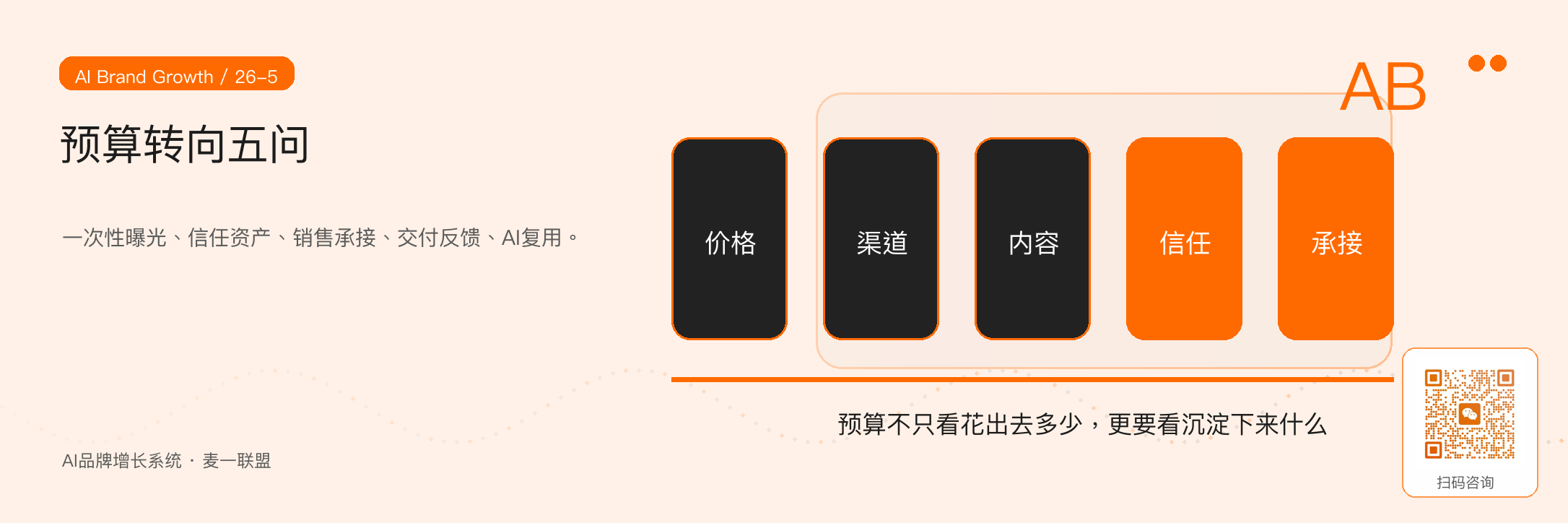
Figure 5: Five questions for checking whether business spending leaves reusable assets
06 | The Point Is Follow-Through, Not Simply Less Traffic Spending
Rebalancing the budget does not mean stopping traffic acquisition or rejecting advertising and platform traffic. Traffic still matters, especially for launching a brand or product, supporting an event, or reaching a new audience. Attention remains a necessary entry point.
The key is what follows that attention. After seeing an ad, can the customer read an article explaining your viewpoint? After a short video, can they examine a case? In an owned customer channel, is there continuing content that builds trust? After an inquiry, does sales have materials to support the conversation? After a sale, is delivery reviewed and documented?
Traffic without follow-through can become noise; traffic with follow-through can contribute to assets. The budget should address not only how many people arrive, but whether the system can keep informing them, helping them understand and verify the offer, and supporting their progress toward a purchase.
The author argues that combining attention, trust-building follow-through and asset accumulation can extend the useful life of the same campaign budget. Today's customer question can become tomorrow's content; today's sales objection can inform a later case article; today's delivery feedback can become evidence for the next round of trust-building.
07 | A 90-Day Plan to Upgrade the Budget Structure
In the first 30 days, review past spending. List every growth investment from the previous six months and distinguish one-off exposure from spending that left content assets, case assets, sales materials or lessons from review. Look not only at how much was spent, but at what remains.
In the second 30 days, rebuild the budget categories. The author suggests adding at least four trust-building categories: a customer-question library, content assets, case reviews and sales follow-through. Even if each starts with a small share, the budget structure should begin to change.
In the third 30 days, test one complete budget-feedback cycle with a small allocation. Document customer questions, produce content, amplify it through promotion, use sales materials to follow through on inquiries, and return inquiry and sales feedback to the Brand Brain.
These 90 days are an implementation plan, not a deadline for growth or an attempt to replace all existing advertising immediately. The aim is to explore a different logic: a budget can be an investment in trust assets as well as fuel for traffic acquisition.
The author's view is that future competition will involve not only buying traffic well, but turning each encounter into reasons to understand, trust and choose a brand. Budget priorities shape which assets are built. Attention-only spending leaves growth dependent on the next burst of attention; investing in trust builds a foundation for being chosen repeatedly.
The AI Brand Growth System aims to help businesses reorganize the growth logic behind their budgets. It connects traffic, content and sales investment with delivery reviews and AI tools, so spending can contribute to the Brand Brain, Content Factory and lasting trust assets instead of simply being consumed.

Figure 6: A 90-day implementation plan for moving from traffic-only budgets to trust-building budgets
AI Brand Growth Diagnosis If your business invests in ads, events and content every year but is left without steady inquiries or lasting trust afterward, consider starting with an AI brand growth diagnosis. Together, we can review budget structure, content assets, sales follow-through, case evidence and AI reuse, working toward a brand growth system that accumulates useful assets rather than relying on one-off spending. |