From STP to an AI Brand System: Updating Classic Marketing Theory
AI Brand Growth System, Article 37 | Classical theory is not obsolete. What needs to change is how we turn it into an executable, reviewable growth system that AI can use. Original illustrations retain Chinese text.

The case for an upgrade When AI comes up, many companies rush to abandon classical marketing theory. When STP comes up, they treat it as a concept from an earlier era of brand planning. The real problem is not that STP is obsolete. It is that companies leave STP in slide decks instead of connecting it to content, trust, sales, delivery, and AI-enabled work. Brand growth in the AI era does not require discarding classical theory. It requires turning that theory into a system capability. |
01 | Do not write off classical theory too quickly
In recent years, many business owners have heard about AI and immediately wondered whether the old brand theories still matter. Positioning, STP, 4P, and 4C can sound like terms from another era. Companies then chase tools, models, and automated workflows while forgetting a more basic question: who exactly is the customer, and why would that customer choose you?
What has become outdated is not the theory itself but how it is used. Many companies once treated STP as a one-off planning report: identify a target audience, analyze competitors, write a positioning line, and file it away. Decisions about content, sales conversations, and delivery reviews rarely continued to use that same reasoning.
The AI era magnifies this gap. If positioning is only one sentence, AI can only produce many similar lines around it. If the target customer is just a vague persona, AI can only create generic content. If customer questions are never captured, AI cannot help the company explain its value consistently over time.
Moving from STP to an AI brand system therefore does not mean rejecting classical marketing. It means connecting classical marketing to a new execution chain. Theory guides judgment, the system puts that judgment into practice, and AI helps retrieve and extend it. Together, they can turn brand growth from a planning exercise into an operating capability.
For an owner, that shift matters. You do not need a more sophisticated label as much as you need underlying judgments that the team can use daily, salespeople can use in conversations, and AI can draw on repeatedly. Even sound positioning will struggle to contribute to growth if nobody uses it.
When theory never enters the team's actions, it stays in reports. When a system enters those actions, it can become part of the company's own growth infrastructure.
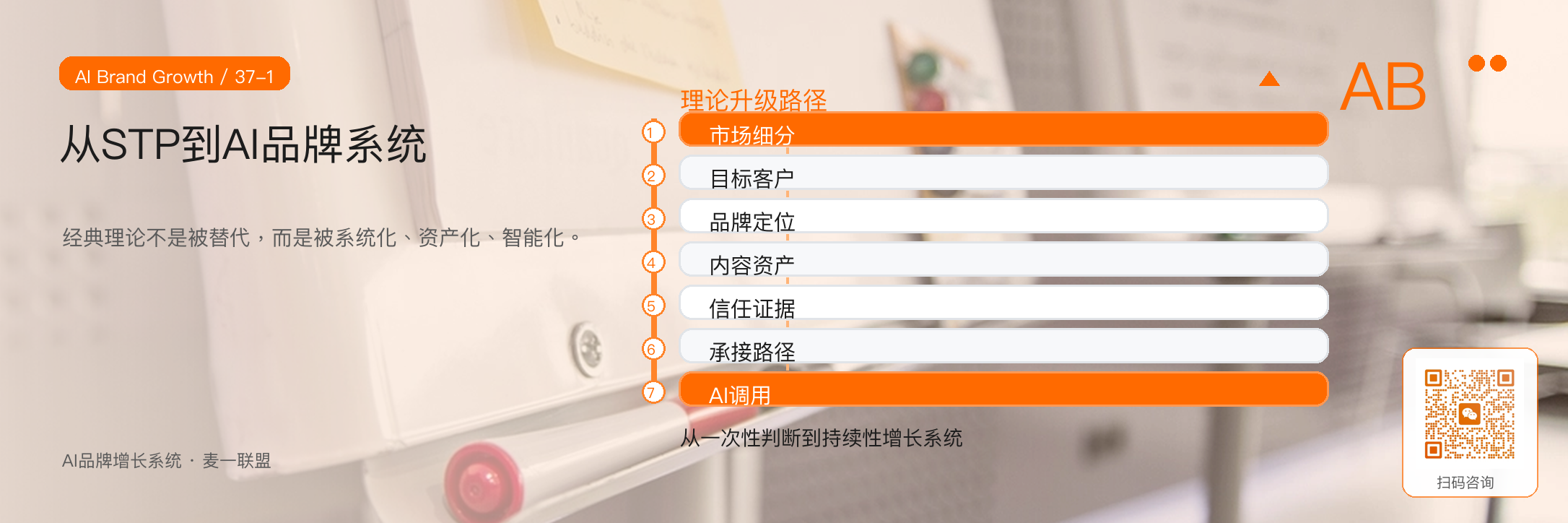
Figure 1: Moving from STP to an AI brand system means turning classical theory into an executable system
02 | What does STP actually solve?
The core of STP is straightforward: segment the market to identify different groups and situations of need; select a target market to decide whom the company will serve first; then position the brand so customers understand which problem makes it worth choosing.
STP addresses an important constraint: a company cannot speak to everyone in the same way or put every capability in front of every customer. The first step toward growth is choosing. Choosing whom to serve means no longer chasing all traffic. Choosing a problem means no longer listing every selling point. Choosing a position means giving up some vague claims.
Many small and midsize companies struggle to grow not because they fail to work hard, but because they have not made those choices. Their customer personas are too broad, their selling points too numerous, their content topics change every day, and their sales messages are improvised for each question. This may look flexible, but it makes a distinctive brand impression hard to build.
A company that has truly worked through STP is clearer about the customers it serves, the situations in which those customers feel the greatest pain, the judgment that distinguishes it from competitors, and the problem it wants customers to associate with it first. These judgments still form the underlying structure of brand growth in the AI era.
In the past, however, that structure often lacked the means to act. Customer questions did not enter the editorial plan; positioning language did not enter sales conversations; target scenarios did not guide case selection. Strategy sounded clear while everyone executed separately.

Figure 2: STP's three questions remain useful, but must connect to communication, evidence, and follow-through
03 | Why is STP alone insufficient in the AI era?
The problem is that traditional STP often stops at definition. It defines target customers and brand positioning but does not go on to define content assets, trust-building evidence, consultation entry points, delivery standards, or review mechanisms. A customer takes many steps between noticing and choosing a company; a single positioning line rarely carries them through the entire journey.
Customers now may take a longer path to a decision. Someone may first see a short video, then read an article, search for your name, compare competitors, ask friends, and finally inquire through a private channel. At each step, they are checking whether you understand their problem, have a method, can be trusted, and are a good fit.
If STP is absent from those touchpoints, positioning becomes an internal phrase. The owner thinks the message is clear, but customers rarely encounter it. Marketing thinks it has written professionally, but sales cannot use the material to address objections. Delivery teams complete projects without turning their work into cases and evidence.
STP is not insufficient because it lacks importance. It is insufficient when it remains a static report instead of becoming a dynamic system that guides content topics, short-video scripts, livestream themes, sales answers, case organization, and an AI knowledge base.
In other words, AI does not make positioning less important; it raises the standard for putting positioning into practice. Customers can find you on more platforms and compare you against more information. Inconsistent messages can weaken trust.
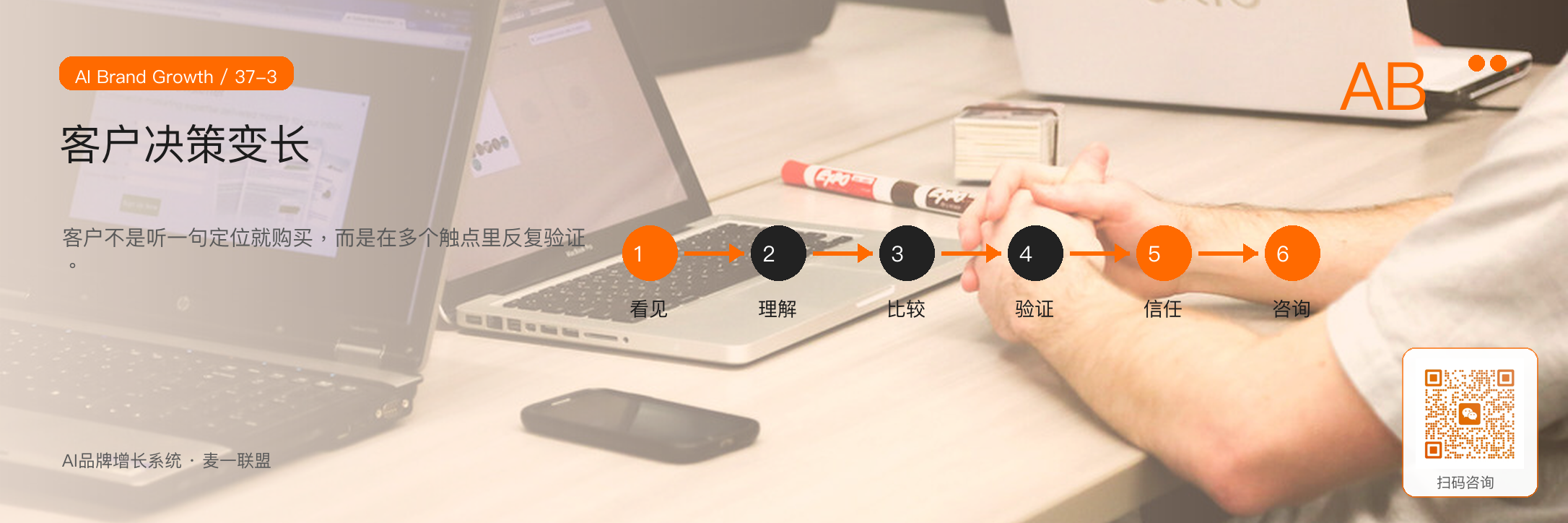
Figure 3: A longer customer decision path requires positioning across multiple touchpoints
04 | The logic of upgrading from STP to an AI brand system
First, turn market segmentation into a library of customer questions. Go beyond age, industry, company size, and region. Record where customers get stuck, why they hesitate, what they have already tried, and why it did not work.
Second, turn target-market selection into priority service scenarios. Small and midsize companies have limited resources and cannot serve everyone at once. Start with a scenario that offers room to explain your value, a credible path to a sale, and the possibility of building reusable cases; then develop it thoroughly.
Third, turn brand positioning into a system of expression and evidence. Positioning is not an elegant slogan. It is a set of views you can explain repeatedly, cases that can demonstrate capability, materials that support sales, and a path through which customers can get in touch.
Only then does AI have a useful role. AI should not decide who your target customers are. It can help turn your libraries of customer questions, brand views, case evidence, and sales answers into content, scripts, livestream outlines, consultation language, and delivery procedures on an ongoing basis.
That is the essence of the move from STP to an AI brand system: from a one-time judgment to sustained production; from internal positioning to a reason for external audiences to choose; and from a planning document to a reusable growth asset.
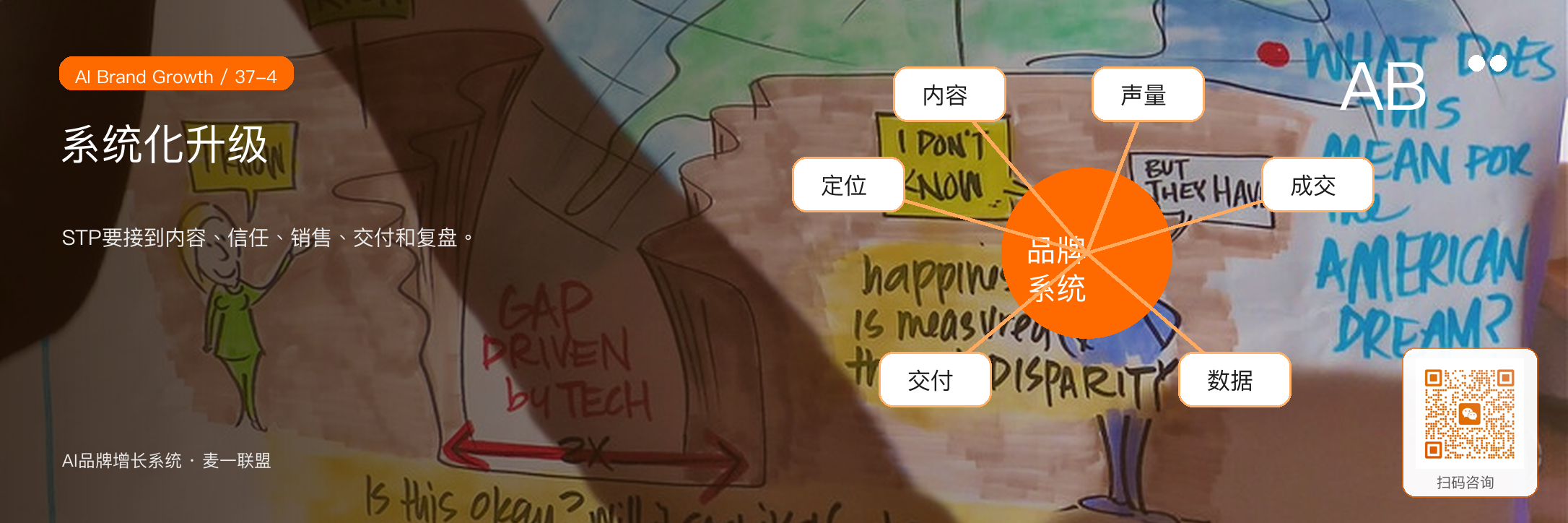
Figure 4: A systematic upgrade carries STP through content, sales, delivery, and review
05 | The three tables a company should build first
A company moving from STP to an AI brand system does not need to begin with a complex tool platform. It should begin with three tables: customer questions, brand judgments, and trust-building evidence.
The customer-question table records what customers actually say. Do not stop at broad terms such as 'want growth' or 'want more leads.' Be specific: advertising costs keep rising, content gets no attention, sales takes too much explanation, customers always compare prices, or repeat purchases are unpredictable.
The brand-judgment table records the company's distinctive understanding of those problems. For example, you may see growth as an issue of establishing trust before the sale rather than simply acquiring traffic; content as a pre-sales system rather than promotional material; or AI as a way to retrieve brand assets rather than merely write copy.
The trust-evidence table records cases, data, customer feedback, delivery processes, and before-and-after changes that can support those judgments. Without evidence, a view remains just a view. With evidence, it can become a reason for a customer to trust it.
Once those three tables exist, STP is no longer abstract. They become a source for editorial topics, sales answers, short-video scripts, livestream series, and an AI knowledge base.
More importantly, the tables can stabilize teamwork. Marketing knows what to write, sales knows how to follow up, delivery knows what to document, and the owner can use the same language to check whether growth efforts have drifted off course.
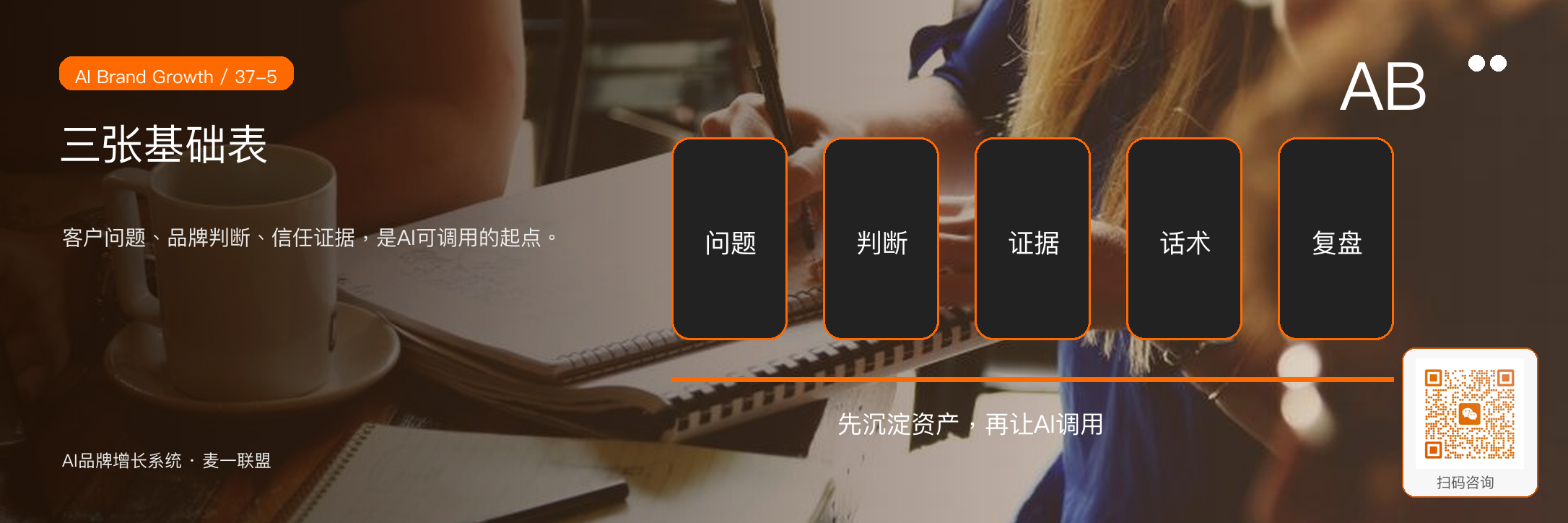
Figure 5: Three foundational tables make brand assets available for continued use by AI
06 | How AI can make positioning part of daily work
Positioning used to stay on the wall. It should now enter the team's daily work: marketing draws on it when writing, sales draws on it in conversations, delivery tests it in project reviews, and the owner uses it to calibrate strategic choices.
AI can help make these actions faster and more continuous. A customer question might become a WeChat article, five short-video scripts, a livestream outline, and a set of sales answers. A service case might become a detailed case article, social-post material, and evidence relevant to a sale.
But AI must draw on the company's accumulated questions, judgments, evidence, and language rather than an empty prompt. Without those underlying assets, AI will simply produce ordinary content faster. When the assets are clear, AI can help positioning stay consistent across platforms and team activities.
This distinguishes an AI brand growth system from a standalone AI tool. A standalone tool makes one task more efficient; a system asks whether all tasks continue to move around the same set of brand judgments. When positioning is repeatedly usable, it becomes more than a sentence: it becomes part of the infrastructure for growth.
So companies should ask more than whether AI can write faster. Does the output sound like the company? Is it closer to the target customer's concerns? Can it help guide customers toward an inquiry and a purchase? Efficiency contributes to growth only when it serves sound positioning.
07 | How a small or midsize company can begin
First, choose one important customer scenario. Do not begin with every product category, every customer, and every channel. Start with a scenario you can explain well, one with a credible sales path and the potential to form useful cases. This choice is the first step of STP in the AI era.
Second, break that scenario down into ten real questions. Before writing selling points, write down why customers are struggling, why they hesitate, and why earlier attempts did not solve the problem. The more authentic the questions, the more likely the subsequent content is to address what matters to them.
Third, write one brand judgment and identify one piece of evidence for each question. Judgment creates distinction; evidence builds trust. Together, they become assets that content, sales, and AI can use repeatedly.
Fourth, write a long-form article as the source content, then adapt it into short videos, social posts, livestream themes, and consultation language. This keeps every expression grounded in the same strategic judgment rather than changing the message from day to day.
Finally, feed each consultation and delivery experience back into the three tables. Capture what customers asked, how sales replied, which words helped build trust, and which case was most useful. Reality can then keep correcting STP, while the AI brand system develops a stronger base of material.
If you would like us to help turn your company's STP from a planning report into an AI brand system, a system-building consultation is a possible starting point. We can first identify the most suitable customer scenario, then organize the questions, judgments, evidence, and processes for using them with AI.
This is not about adding another concept to the company. It is about bringing scattered judgments, content, cases, and sales activities together into a method that can keep developing.
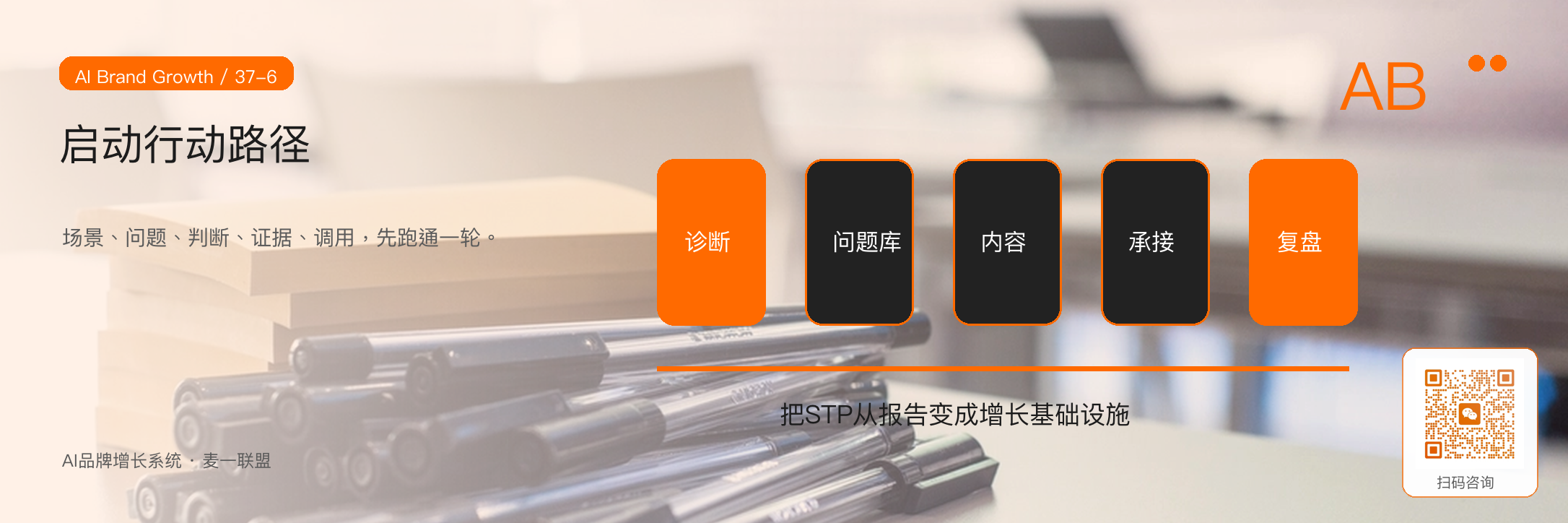
Figure 6: A small or midsize company can test one scenario before extending the full system
System-building consultation If your company has already worked on positioning, customer personas, or brand planning but those judgments have not reached content, sales, delivery, and AI tools, a system-building consultation could be a first step. Together, we can reorganize STP into a library of customer questions, brand judgments, trust-building evidence, and AI-supported workflows so that classical marketing theory becomes a reusable, executable, reviewable growth system. |