Why Should Brand System Design Start with the Customer's Decision Journey?
AI Brand Growth System, Article 40 | First understand how customers decide, then work backward to coordinate content, sales, delivery, and AI. Original illustrations retain Chinese text.

The path comes first Many companies begin by asking: How should we build the brand, publish content, organize accounts, and use AI? The question they should ask first is: What judgments do customers make between recognizing a problem and becoming willing to inquire? If a brand system is not designed around the customer decision path, it often looks complete internally but feels disjointed to customers. Get the path wrong, and every subsequent action takes more effort. |
01 | The system does not start inside the company
When building a brand system, many companies start internally: organize the products, design the visuals, plan content series, build a network of accounts, and add AI tools. None of these steps is inherently wrong, but together they often become a system that reflects the company much more than the customer.
The owner feels the brand has been upgraded, but customers still cannot understand it. The team publishes content frequently, but customers do not stay. Sales has more and more materials, yet customers still leave after asking the price. The problem is not too few activities; it is that they do not follow the customer's real decision path.
Customers do not understand you according to your organizational chart. They do not first inspect how many departments, accounts, or service packages you have. They first ask whether the problem concerns them, whether you understand it, whether you have a method, and whether a further conversation is worthwhile.
This is why extensive brand-building may still leave little perceptible impression on customers. The company has built organizational activities rather than a customer path, and optimized internal efficiency rather than the customer's external judgment. When the path is unclear, efficiency is hard to turn into a reason to choose.
The starting point for a brand system should therefore be not what the company wants to display, but how customers form a choice step by step. Once the customer path is clear, products, content, cases, sales, private channels, livestreams, delivery, and AI can each find their place.
Build the system from internal functions first, and it is easy to make it increasingly complex. Build it from the customer path first, and those many activities can converge on one aim: reducing the effort of judging whether to move from seeing to inquiring, and from inquiring to buying.

Figure 1: The customer decision path moves through seeing, understanding, comparing, verifying, trusting, and inquiring
02 | What is the customer decision path?
The customer decision path is neither a simple traffic funnel nor a conversion sequence in an analytics dashboard. It is the series of judgments customers make before choosing: seeing, staying, understanding, comparing, verifying, trusting, inquiring, and buying.
Seeing is only the entrance. A customer may encounter a short video, article, or livestream without becoming interested in the brand. The real first hurdle is whether they feel that the subject concerns them.
Staying comes from recognizing the problem. Customers usually keep watching not because your language sounds sophisticated, but because you accurately describe their situation: growth activities are busy but unstable, content is plentiful but does not convert, or advertising is expensive while trust remains thin.
Understanding comes from clear expression. Customers begin to see that you are not doing branding in the abstract, but addressing a particular break in growth. Comparing happens when they place you alongside peers; verifying draws on cases, methods, data, customer feedback, and the delivery process.
Only then come trust, inquiry, and purchase. Many companies put all their energy into the final step, repeatedly pushing customers to add a WeChat contact, place an order, or pay, while overlooking gaps earlier in the path. If those steps are missing, stronger pressure at the end only makes customers feel more pressured. Each step is part of building trust, not decoration.
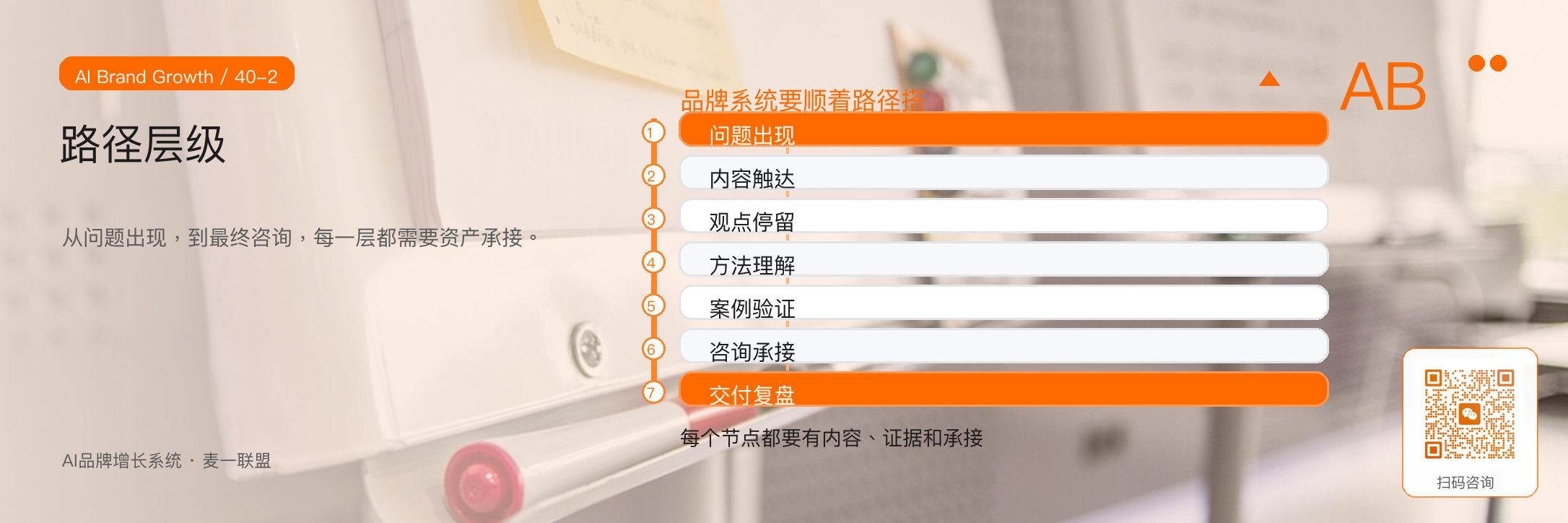
Figure 2: Build the brand system layer by layer around customer questions, content, understanding, verification, and follow-through
03 | Why not start with channels?
Many growth plans begin with channels: Should we use Douyin, WeChat Channels, livestreams, paid traffic, or Xiaohongshu? Channels matter, but they are not the path itself. Each is only one touchpoint along the customer's path.
Without first defining that decision path, more channels can mean more fragmented expression. The public account discusses methodology; short videos emphasize emotion; livestreams sell packages; sales talks about price; Moments shares daily life. Customers encounter a different brand at each touchpoint, and trust may be diluted instead.
The question is not simply where you appear, but what customers are trying to judge at that point. Someone seeing you for the first time needs help naming the problem. A follower needs an explanation of the method. Someone comparing options needs evidence. Someone who has already inquired needs thoughtful follow-through and lower perceived risk.
The same piece of content can serve different purposes at different points. An opening idea may earn attention; a case review may build trust; a service list may make the offer easier to understand; and consultation questions and answers may help someone decide to act.
A brand system should therefore start with decision points, not a list of channels. Identify where customers hesitate, then decide what content, evidence, language, and AI support each point calls for.

Figure 3: Channels are touchpoints; the continuous judgments along the customer path are what shape conversion
04 | Examine five breaks in the path
First, the discovery break: do customers have a chance to encounter you in relevant situations? If content is published at random instead of addressing recurring customer questions, even those who see it may not connect you to their problem.
Second, the understanding break: after reading or watching, can customers explain in one sentence what problem you solve? Many brands are not lacking expertise; they are so eager to show their full range that customers cannot identify the point.
Third, the trust break: customers believe you not because you repeatedly say you are reliable, but because they can see consistent views, real cases, clear methods, and changes over time. Without evidence, more content can sound like more self-description.
Fourth, the action break: customers are interested but do not know the next step or what an inquiry will involve. Private-channel entry points, consultation questions, diagnosis procedures, service explanations, and sales follow-through all matter here.
Fifth, the review break: if the delivery process, customer feedback, and observed changes are not preserved after a sale, the brand system loses a chance to compound its learning. One sale is revenue; a responsible review can also inform the next round of content, cases, and trust assets.
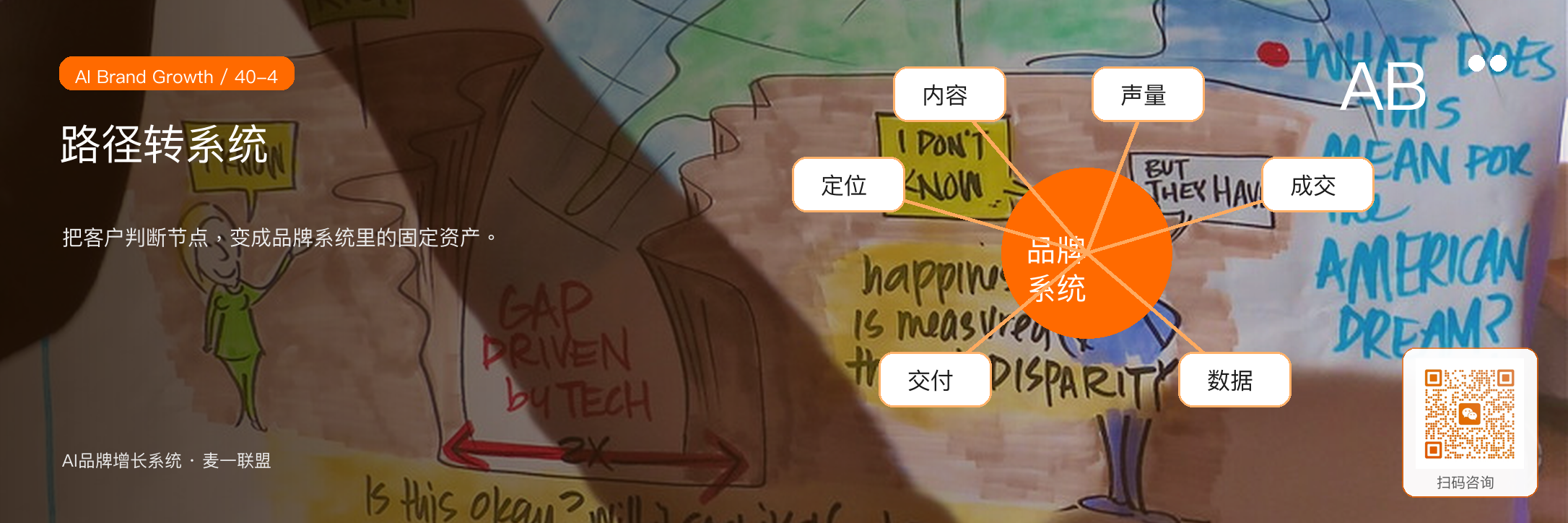
Figure 4: Turn customer decision points into connected content, visibility, sales, data, and delivery systems
05 | Let AI work along the path
AI should not be a separate tool bolted onto the brand system. It should be used along the customer decision path. Wherever customers get stuck, AI can help the team prepare supporting assets, improve efficiency, and review what happened at that point.
At the seeing and staying stages, AI can turn a library of customer questions into topics, headlines, short-video scripts, and opening hooks that better address real difficulties. But the company must first have that question library; asking AI to invent trends from nothing is not the same thing.
At the understanding and comparing stages, AI can turn a library of brand judgments, methods, and cases into articles, graphic cards, livestream outlines, and sales materials, helping customers see how your approach differs from others.
At the verification and trust stages, AI can help organize case reviews, customer feedback, before-and-after delivery comparisons, and answers to common objections, making evidence easier to retrieve instead of leaving it scattered across chats and project files.
At the inquiry and purchase stages, AI can assist with sales questions and answers, diagnosis outlines, first drafts of service plans, and follow-up schedules. What it can amplify is not just one piece of copy, but the team's ability to carry information through the whole customer path.
The point of an AI Brand Growth System, then, is not to have AI publish more content for you. It is to use AI along the customer decision path so that each point becomes clearer, more consistent, and easier to reuse.
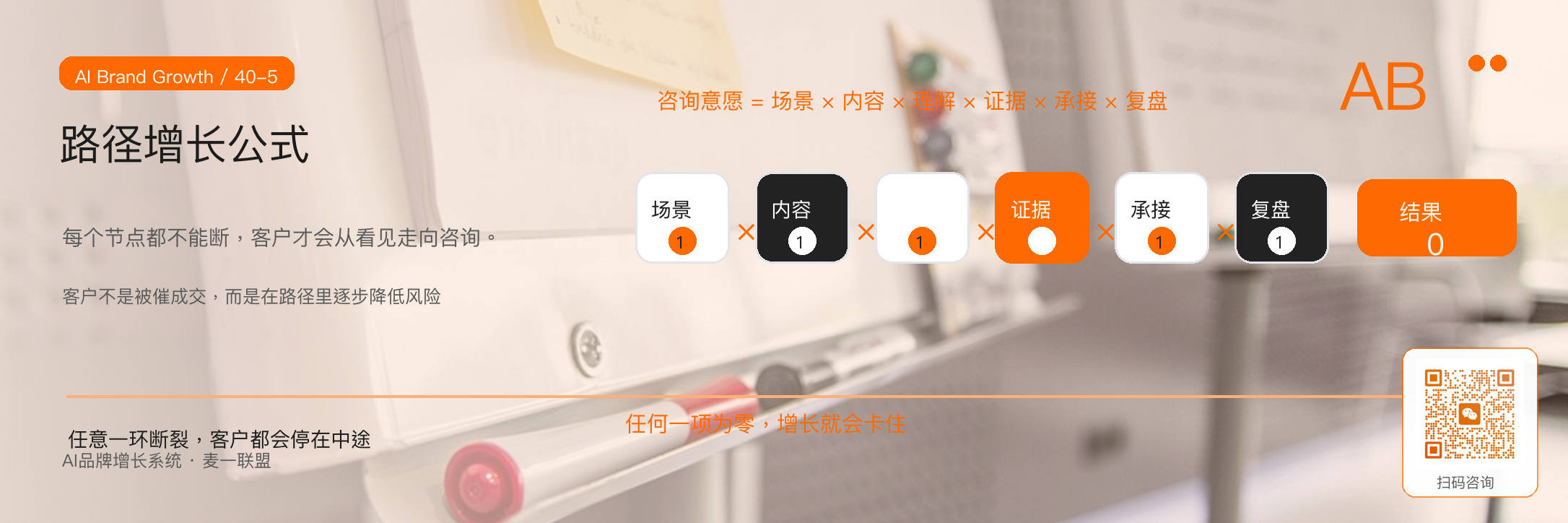
Figure 5: Path-based growth is a multiplicative relationship; a break in evidence or follow-through can lower willingness to inquire
06 | Four path tables for small and midsize companies
The first is a customer-question path table. Write down what customers ask between recognizing a problem and deciding to inquire: Why is growth becoming more exhausting? Why does content not convert? Why is the offer hard for sales to explain? Why do customers always compare prices? Why are repeat purchases unstable?
The second is a content-touchpoint table. Match each question with an article, short video, livestream topic, Moments material, or private-channel response. More content is not always better; each point along the path needs a useful answer.
The third is a trust-evidence table. Organize cases, data, customer feedback, delivery steps, observed changes, and method tools. The closer a customer gets to buying, the more they need concrete evidence rather than abstract promises.
The fourth is an inquiry follow-through table. Once customers enter a private channel, what should you ask and send? How do you assess their needs, make an initial diagnosis, and move toward a service plan? Many companies do not lack traffic; they lose people during follow-through.
These four tables are not complicated, but they can place the content, sales, and delivery teams and AI tools on the same path. Instead of each working separately, they build assets around every judgment customers have to make.
Small and midsize companies should not aim for full-path automation from day one. Choose one representative customer problem and take these four tables through one complete cycle. A path that works in one situation can then serve as a template for other situations.
As customers move more smoothly along that path, the brand can gradually become more than a name. It can become a reason for customers to understand, verify, and consider the company when choosing.
07 | Build the system from one path
The biggest risk in building a brand system is trying to make it too large immediately. An owner may want to connect positioning, visuals, content, account networks, livestreams, private channels, AI, sales, and delivery all at once. Everything changes, but no customer path is fully worked through.
A steadier approach is to choose one path. For a problem such as unstable growth at a small or midsize company, start when customers become aware of their difficulty, then design content they can encounter, a viewpoint worth staying for, a method they can understand, evidence they can compare, inquiry follow-through, and delivery reviews.
Once this path has been worked through, the company has reusable assets: a set of customer questions, a core point of view, recurring content themes, case evidence, sales questions and answers, service reviews, and a way for AI to use them.
That is the smallest working loop for a brand system. It is not doing every activity once. It is helping a customer start with a particular problem, understand the company, find reasons to trust it, contact it, and, after service, bring what was learned back into the next cycle of growth.
If you want to build an AI Brand Growth System, the first step is neither buying tools nor opening more accounts. Map the customer decision path first. A clear path gives the system a direction to build toward; working through that path gives learning a chance to compound.
If your company already has content, customers, and the ability to deliver, but conversion remains unstable, a system-building consultation may be a starting point. Together, we can connect the customer path, content assets, trust evidence, sales follow-through, delivery reviews, and AI workflows. With a clearer path, content, sales, and delivery can align more easily, and team meetings can spend less time on vague discussion. More importantly, the team can see which step in the customer's choice each article, livestream, consultation, and review is meant to serve. The system stops being a pile of activities and becomes a way to accumulate assets around customer decisions.

Figure 6: A small or midsize company can work through one customer-problem path before extending the full system
System-building consultation If your company already has content, customers, and the ability to deliver, but customers often drop off between seeing and inquiring, a system-building consultation may be a useful first step. We can map the customer decision path together and fill gaps in the question library, content touchpoints, trust evidence, sales follow-through, delivery reviews, and AI workflow, so the brand system grows around the way customers choose. A clearer path can move branding beyond passive exposure toward giving customers more reasons to choose over time and giving the organization a better basis for long-term learning. |