A Full Explanation of the AI Growth Flywheel Model:
Traffic, Content, Visibility, and Conversion
AI Brand Growth System, Article 41 | Turn growth from a single advertising effort into a system whose learning can feed the next cycle. Original illustrations retain Chinese text.

Flywheel thinking Many companies still picture growth as a funnel: buy traffic, convert visitors, then count sales. That worked when traffic was cheaper and competition less intense. In the AI era, customers compare more options, content is abundant, and trust is scarce; a one-off conversion path has a shorter useful life. A system worth building is a growth flywheel that lets traffic inform content, content strengthen brand visibility, visibility support conversion, and conversion feed the next cycle of cases, data, and AI knowledge. |
01 | Why companies cannot look only at the funnel
The traditional growth funnel follows a simple sequence: exposure, clicks, inquiries, and sales. Some people drop out at every stage, so teams naturally focus on improving click-through, lead, and close rates. That logic is not wrong, but it makes it too easy for companies to focus only on the current batch of traffic.
When companies understand growth only as a funnel, they can become anxious about the short term: How much did we spend today? How many leads arrived? How many customers bought? Has the return on investment turned positive? When a month's figures disappoint, they immediately change the creative, channel, sales language, or even the entire team.
The difficulty is that a funnel explains one transaction but does little to explain long-term compounding. Is it an asset when someone reads your content but does not inquire? What about recurring questions learned during a livestream? What about a completed project that becomes evidence for the next potential customer? A funnel-only view can overlook all of these.
The AI Brand Growth System aims to make every touchpoint, piece of content, inquiry, and delivery outcome feed back into the system, rather than focusing only on a single conversion. A funnel examines losses; a flywheel examines what returns. A funnel asks whether this deal closed; a flywheel asks whether this action can make the next growth effort easier.

Figure 1: The AI growth flywheel connects traffic, content, visibility, and conversion in a recurring cycle
02 | What is an AI growth flywheel?
The AI growth flywheel can first be understood as four core loops: traffic, content, visibility, and conversion. Traffic helps target customers encounter you; content helps them understand you; visibility helps them remember you through repeated, consistent encounters; and conversion helps them become willing to inquire and buy.
The four loops are not four departments working separately or four reports read in isolation. A flywheel works when each loop returns information, data, and assets that help the next. Traffic should bring customer questions as well as clicks. Content should preserve viewpoints and evidence as well as get published. Visibility should strengthen a consistent understanding as well as generate exposure. Conversion should bring back cases and objections as well as track sales.
AI is most valuable in what flows back. It can organize customer questions into topics, turn topics into content, adapt content for multiple platforms, turn inquiries into sales questions and answers, and preserve delivery outcomes as cases and knowledge. AI is not just a tool added beside the flywheel; it helps each turn leave behind assets that can be reused.
The AI growth flywheel is therefore an operating approach, not just a phrase. Instead of asking only whether traffic arrived today, a company asks whether it learned new customer questions, found new content themes, gained new trust evidence, and created sales and delivery materials that can be used again.
Three signals can show whether a flywheel is actually turning. First, content comes from real customer questions rather than guesswork. Second, sales teams can draw on accumulated viewpoints, cases, and plans instead of explaining everything from scratch each time. Third, closing a deal is not treated as the end of a project: the work can inform the next round of content, evidence, and methods. When these signals appear, growth begins to shift from spending a budget toward building assets.
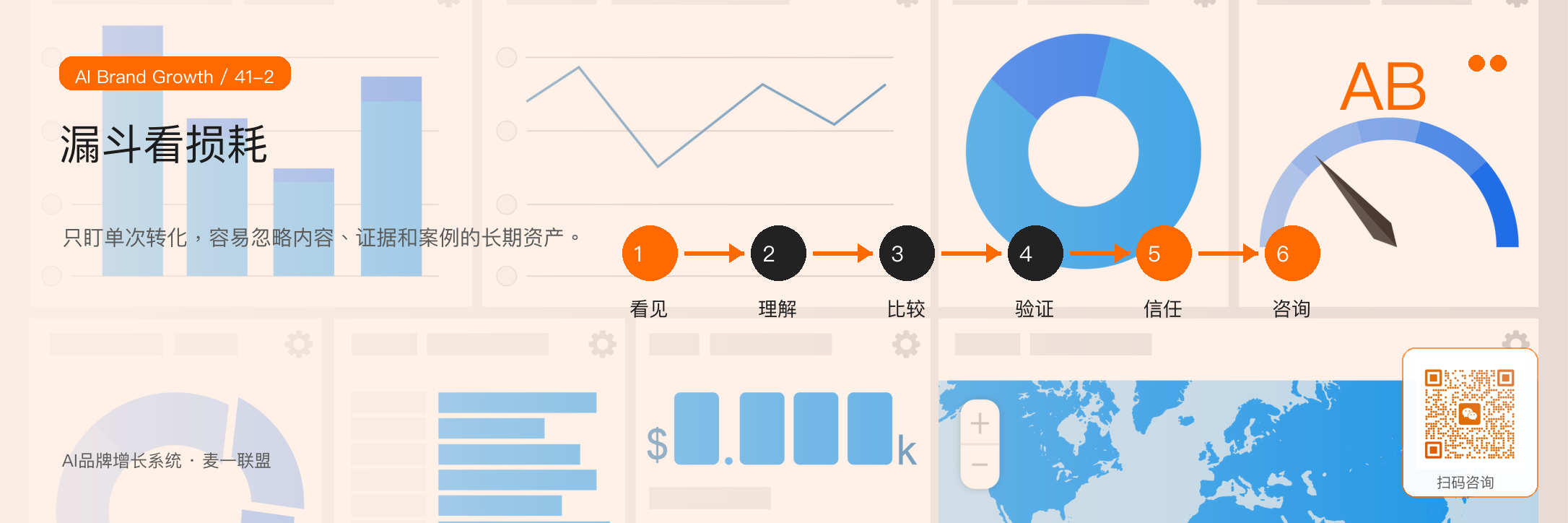
Figure 2: A funnel tracks losses in one conversion; a flywheel asks whether each action builds an asset
03 | First loop: more traffic is not always better
The first loop is traffic, but this means relevant attention rather than undifferentiated traffic. A common mistake is to assume that enough exposure will naturally produce growth. Often, the opposite happens: the more mismatched the traffic, the busier the team, the more tired salespeople become, and the less clear the brand feels.
Effective traffic has to pass three tests: does it come from target customers, does it reach them in a real problem situation, and does it give them a reason to learn more? An owner worried about unstable growth may be more willing to continue after seeing a discussion of why small businesses become more anxious as they spend more on ads than after seeing an attractive but generic brand film.
AI can do two things in this loop. First, it can turn a library of customer questions into entry points for discovery by developing topics, headlines, short-video openings, and search terms. Second, it can bring back feedback from different channels to assess which questions actually attract target customers and which merely create a burst of attention.
The aim of the traffic loop is not to bring in as many people as possible. It is to put the right people in front of the right problems. Only then is traffic likely to move into the content loop instead of disappearing after a first glance.

Figure 3: Effective traffic depends on a match among customer, situation, problem, and action, not just more exposure
04 | Second loop: content is more than continual publishing
The second loop is content. Many companies understand that it matters but still treat it as a publishing task: an article today, a short video tomorrow, and a livestream the day after. Publishing becomes more frequent without customers gaining a deeper understanding.
In the AI growth flywheel, content is not just material to publish; it is a system for building trust. Each piece should help customers make a judgment: name their problem, explain the underlying logic, show a route to a solution, provide case evidence, reduce the perceived risk of inquiring, or help them decide on a next step.
AI can substantially improve content production efficiency, provided the company first has a clear structure for its content assets. A customer-question library, a brand-viewpoint library, a methodology library, a case library, an objection library, and a product-explanation library are the raw materials for an AI content operation. Without these, asking AI merely to chase trends will make content grow faster and scatter faster too.
Useful content should be available to the sales team, reusable in private channels, expandable into livestreams, supportable by cases, and able to inform the next set of topics. Once content can flow back in these ways, a company is building its brand knowledge rather than merely using up creative ideas.
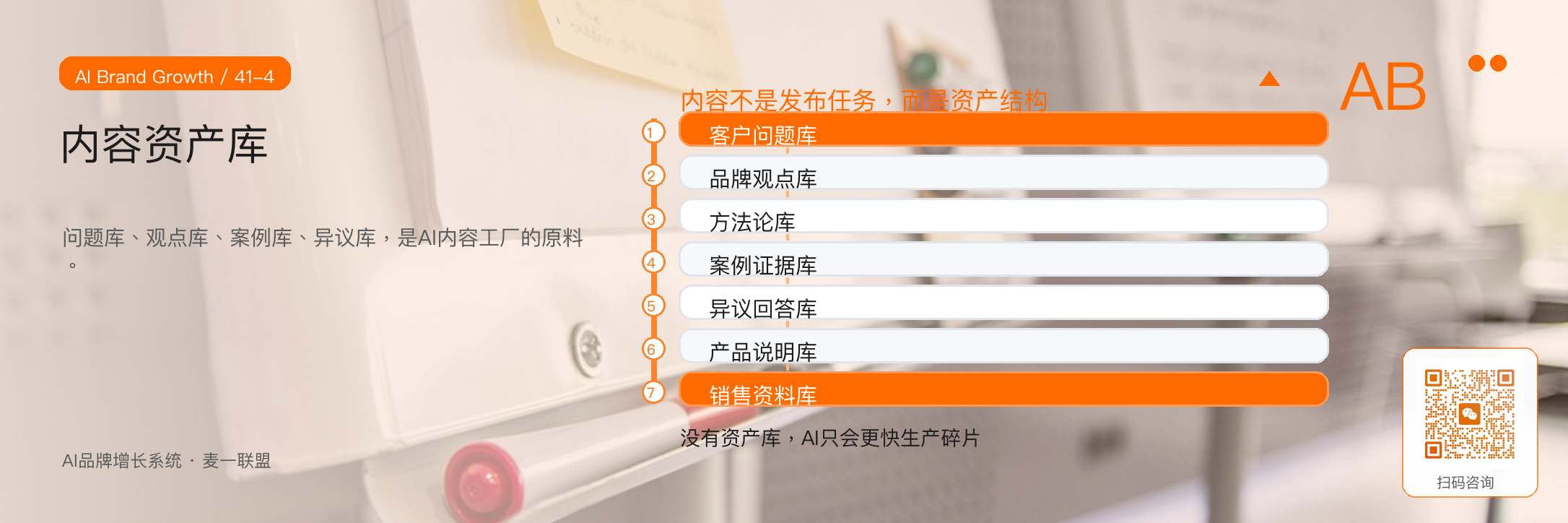
Figure 4: A content system needs question, viewpoint, case, and objection libraries as inputs for AI production
05 | Third loop: visibility is more than making noise
The third loop is visibility. When many companies hear that word, they think of covering channels, chasing trends, and making sure they are seen. Their accounts multiply and their messages diverge. Customers may see them repeatedly without forming a stable impression.
Real visibility is not simply a louder voice; it is a consistent understanding. A customer should encounter the same core judgment in a public account, on WeChat Channels, in Moments, during a livestream, or through an AI-assisted search: what problem you solve, how your method works, and how your approach differs.
Visibility cannot be separated from the content system. Without consistent viewpoints and visual identity, more exposure may create more noise. Without cases and a clear method, repeated contact can become repeated advertising. What visibility should amplify is trust supported by content and evidence.
In the visibility loop, AI can adapt one core piece of content into multiple touchpoints while keeping the message consistent. A long article can become a short-video script, a livestream outline, illustrated cards, a Moments post, and sales materials. Feedback from each distribution effort can then return to the content and customer-question libraries.
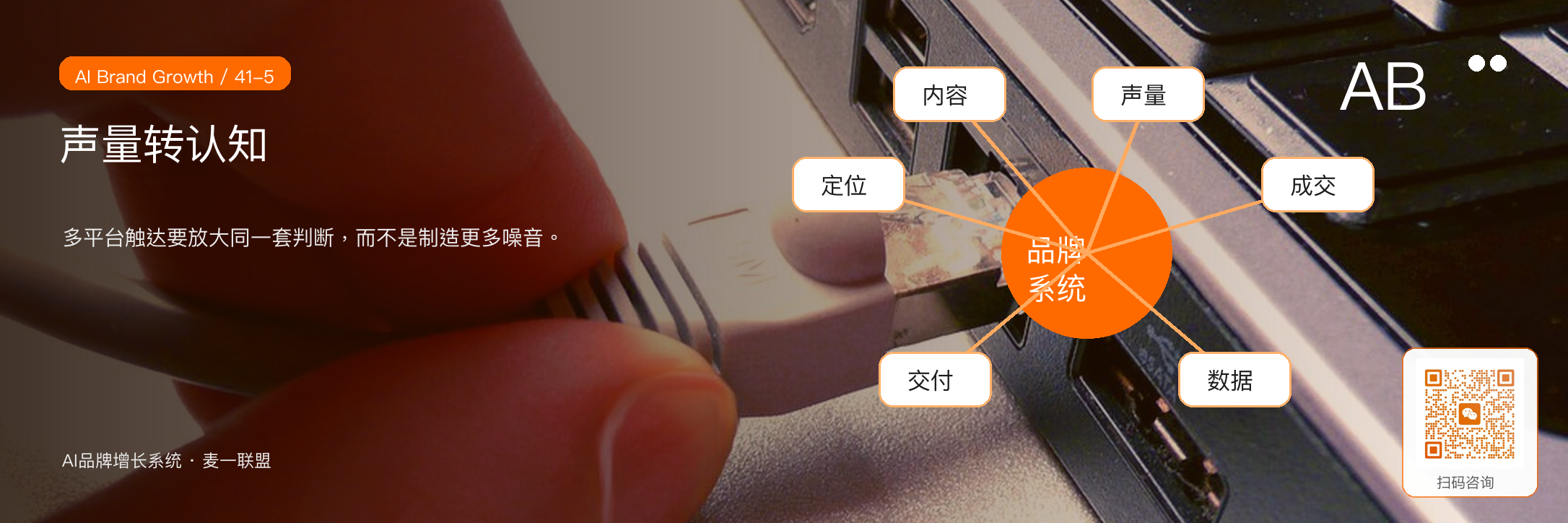
Figure 5: The core of visibility is a consistent understanding across platforms that reinforces the same brand judgment
06 | Fourth loop: conversion is more than a final sales push
The fourth loop is conversion. Many companies treat it as the final step: how sales should talk with a visitor, quote a price, offer a discount, or press for a contract. That leaves sales in a reactive position when understanding and trust have not been built earlier in the path.
In the AI growth flywheel, conversion starts with the first piece of content. The problem that drew a customer in, the viewpoint that held their attention, the cases they revisited, and the concerns they raised are all useful information for the inquiry process. Effective sales work does not explain the brand all over again; it builds on the judgments customers have already formed.
A conversion system should therefore preserve at least four kinds of assets: a list of inquiry questions, a needs-diagnosis form, answers to common objections, and a service-plan template. AI can use inquiry records to draft an initial diagnosis and help sales assess the customer's decision stage. It can also turn the post-sale delivery process into a case review.
Conversion is not the end of the flywheel; it starts the next turn. Customers who buy can provide real cases, those who do not can reveal real objections, and delivery outcomes can test the method. When that information flows back, the next round of traffic, content, and visibility can be better informed.
Unstable conversion does not always mean the sales team is weak. The preceding loops may have left the team without enough support. If customers arrive still unsure who you are, what problem you solve, why they should trust you, or how to work with you, salespeople have to improvise. Once the system is in place, sales can speak with prospective customers who have already learned from the content, become familiar with the brand through repeated encounters, and seen relevant evidence.
07 | Start building the system with a small flywheel
Small and midsize companies should not attempt to build an all-channel flywheel at the outset. A steadier way is to complete one small cycle around a representative customer problem. Choose one issue, such as unstable growth, content that does not convert, constant price comparisons, or difficulty explaining value in sales. Do not try to tackle ten at once.
First, turn that problem into discovery entry points through headlines, short-video openings, livestream topics, and search terms. Second, turn it into content assets: a long article, a set of short videos, illustrated cards, and a case review. Third, make it a visibility theme expressed consistently across public accounts, WeChat Channels, Moments, private channels, and livestreams. Fourth, prepare inquiry follow-through through consultation questions, a diagnosis form, service explanations, and a review after the sale.
After one cycle, the company will have specific assets: which headlines brought relevant customers, which viewpoints held their attention, which evidence led to inquiries, which objections hindered sales, and which delivery outcomes can inform the next round. AI can organize these assets in a knowledge base, giving the flywheel more substance.
This is the key to the AI Brand Growth System: it helps each action feed back into the system rather than asking a company simply to do more. Traffic returns as questions, content as assets, visibility as customer understanding, and conversion as cases and data. As the flywheel begins to turn, growth can become less wholly dependent on the next advertising effort and gradually build on what has been learned.
The real starting point is to select one problem situation worth addressing and connect traffic, content, visibility, and conversion around it. The first cycle may be small, but its steps should be clear; it may be slow, but it should be possible to review. Only after a small cycle works repeatedly does adding channels, livestreams, account networks, and AI agents become easier to coordinate.

Figure 6: A small or midsize company can complete one cycle around a customer problem before expanding the full system
System-building consultation If your company already has content, accounts, and customer inquiries, but growth still depends largely on ad hoc advertising and forceful selling, an AI growth flywheel diagnosis may be a place to start. Together, we can review discovery entry points, content assets, visibility touchpoints, inquiry follow-through, and AI review processes. This can help identify where the cycle stalls and create a basis for bringing each touchpoint, inquiry, and delivery outcome back into a reusable brand-growth system. |