A Funnel Serves One Transaction;
A Flywheel Builds Long-Term Compounding Value
AI Brand Growth System, Article 42 | Why growth should be judged not only by the close rate, but also by whether assets flow back into the system. Original illustrations retain Chinese labels.

The logic of compounding The growth problem for many companies is not that they do not know how to build a funnel. It is that the funnel is all they know how to use. A funnel keeps your attention on one transaction: how much exposure, how many clicks, how many inquiries, and how many sales today? A flywheel helps you see long-term compounding: Did this exposure reveal a customer question? Did this piece of content preserve a useful viewpoint? Did this inquiry add to an objections library? Did this delivery become a case? A funnel focuses on this sale; a flywheel asks why the next sale might become easier. |
01 | Why the funnel can make companies increasingly anxious
For many companies, the first response to a growth problem is to draw a funnel: traffic at the top, inquiries in the middle, and sales at the bottom. The team then optimizes the conversion rate at each stage: clicks today, leads tomorrow, sales the day after, and return on investment at the end of the month.
This model helps with short-term management because it shows where a single transaction loses momentum. But it can also have a side effect: companies begin to see growth as a one-time purchase of traffic, a one-time attempt to capture customers, and a one-time result.
The owner becomes anxious. If this month's ads perform poorly, the creative comes under suspicion; if the creative fails, the channel changes; if the channel fails, the team changes; if sales do not close, the sales script is blamed. Every action turns around the current month's result, while the system gains no new assets.
The deeper problem is that a funnel asks only whether customers reached the end, not what they left along the way. A customer did not buy but raised a real concern: could that be an asset? A piece of content brought no inquiry but tested a genuine customer question: could that be an asset? Viewed only through the funnel, both are dismissed as ineffective.

Figure 1: A funnel tracks the loss within one transaction; a flywheel asks whether each action can build long-term compounding value.
02 | The key difference between a flywheel and a funnel
A funnel is linear; a flywheel is circular. The funnel ends with a sale. The flywheel returns to its starting point. A sale is not the end but raw material for the next round of content, cases, trust, and conversion.
A funnel focuses on loss, so it naturally asks how many people dropped out at this stage. A flywheel focuses on what returns, asking what assets this round produced. Did customer questions enter the question library? Did completed work enter the case library? Did sales objections enter the Q&A library? Did the delivery process become part of a methods library?
This explains why many companies create content, buy media, livestream, and sell every month without seeing any compounding effect. Once an action is finished, it is treated as over. Data stays scattered across platform dashboards, customer questions remain in chat histories, and cases remain in project folders. The team starts from zero again next month.
The AI Brand Growth System aims to connect those scattered actions into a flywheel. Traffic returns as questions, content as reusable assets, visibility as customer understanding, and conversion as cases and data. When information flows back, growth begins to shift from consumption toward accumulation.
That is why two companies can publish content at the same pace while one becomes more exhausted and the other gains momentum. The first treats content as a task that ends on publication. The second treats it as an asset that can enter sales materials, private-channel conversations, livestream scripts, customer Q&A, and case reviews. The action may look the same, but the underlying structure is different, and so are the outcomes.
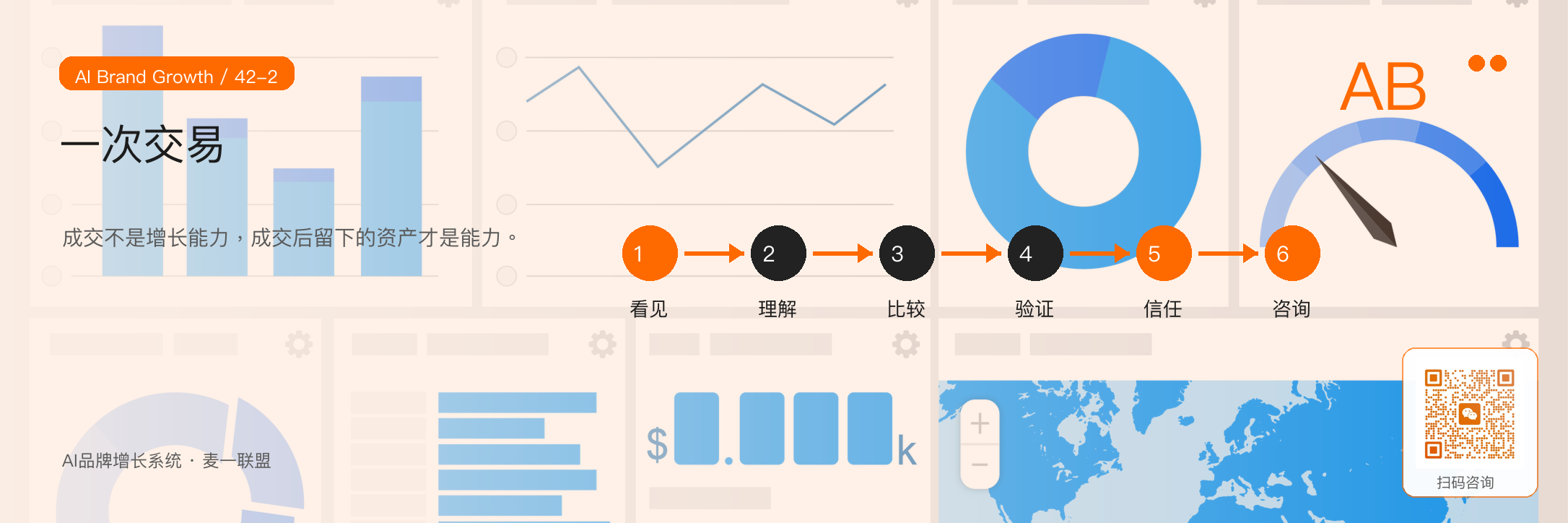
Figure 2: A sale alone does not prove growth capability; assets preserved after the sale can support the next one.
03 | Why one transaction cannot prove growth capability
A single sale can mislead a company. One campaign takes off, one video becomes popular, or one livestream produces several orders, and everyone thinks they have found the method. Later, results fall again, and the team starts hunting for the next viral post, the next wave of traffic, or the next promotion.
One transaction shows only that the path worked this time. It does not show that the company has built a growth capability. The sign of such a capability is not an occasional sale; it is that after every sale the system becomes clearer, richer, and easier to repeat.
If, after a sale, the company has revenue but no case, sales language, customer profile, decision path, or delivery review, that sale is income rather than an asset. It has not made the next sale easier or the team more knowledgeable.
Flywheel thinking asks a company to bring back what it learns after a sale: why the customer bought, what made them hesitate beforehand, which evidence convinced them, and what changed after delivery. Once this information is preserved, the next round of content can be more precise, sales work more grounded, and customer trust easier to build.
Companies therefore need to distinguish two kinds of outcomes: the transaction outcome and the system outcome. The first asks whether this sale closed. The second asks whether the sale clarified positioning, made content more specific, strengthened the case base, and gave salespeople better evidence. The first affects this month's cash flow; the second shapes long-term growth capability.
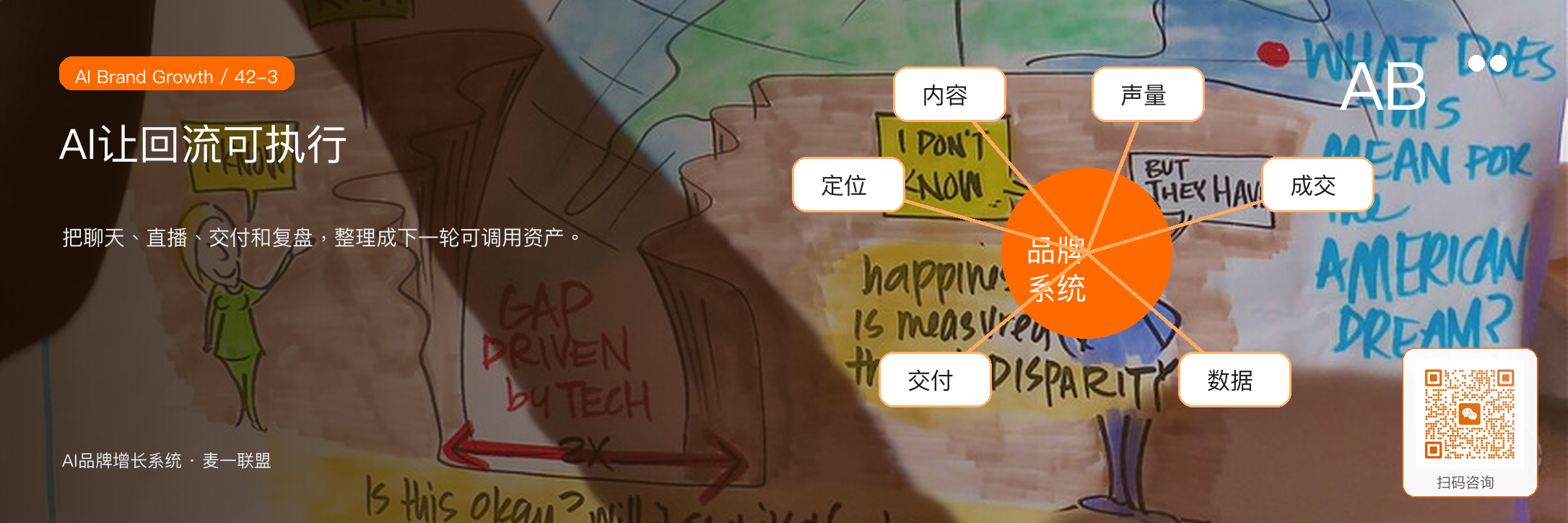
Figure 3: A key use of AI is turning scattered information into assets that content, sales, and delivery teams can draw on.
04 | AI makes a compounding flywheel practical
In the past, many companies wanted to preserve what they learned, but the effort was too high. No one organized customer conversations, reviewed livestreams, classified sales objections, or turned delivery outcomes into cases. Over time, all that experience remained in individual heads.
AI's real value is not merely writing a few more pieces of copy. It is helping turn scattered information into assets people can use. Customer questions can become a topic library; inquiry records can become sales Q&A; delivery work can become a case draft; team reviews can become standard operating procedures.
Once AI is connected to the flywheel, each action can create a second use. A livestream can produce not only that day's views and sales, but also articles, short videos, Q&A, case material, and topics for the next session. An inquiry can both serve the immediate conversation and improve the library of objections and diagnosis templates.
AI does not simply make the funnel faster; it makes it easier for learning to return to the flywheel. Without AI, the work of organizing experience often leaves valuable material unused. With AI, a company has an opportunity to keep turning fragments from daily operations into a foundation for growth.
There is a condition: the company must first decide which information is worth preserving. Without standards for a question library, viewpoint library, case library, objections library, and delivery reviews, AI may only reorganize fragments into more fragments. AI can increase speed, but direction and structure still come from the company's own brand growth system.

Figure 4: Question, viewpoint, evidence, and inquiry-support assets determine whether the flywheel can keep turning.
05 | Four kinds of compounding assets to track
The first kind is question assets. What difficulties do customers mention repeatedly? What terms do they search for? In which situations do they feel uncertain? These questions are starting points for content and discovery. Without them, a company's content can only chase trends by instinct.
The second kind is viewpoint assets. How does the company explain a problem? Where does its judgment differ from peers, and what method does it use to address the customer's difficulty? Viewpoints influence whether customers feel understood and whether the brand develops a recognizable position.
The third kind is evidence assets. Cases, data, customer feedback, before-and-after changes, and the delivery process can all be evidence. The closer customers are to a decision, the less they need broad promises and the more they need specific proof to reduce the risk of choosing.
The fourth kind is inquiry-support assets. Consultation questions, diagnosis forms, sales Q&A, service explanations, proposal templates, and delivery reviews help customers move from understanding to action. Many companies do not lack exposure; they lack the assets needed to respond well when a customer arrives.
As these four kinds of assets accumulate, the flywheel can become easier to operate. The market has not become simpler; the company simply no longer has to explain itself, write every piece of content, or leave every sales conversation to improvisation from scratch.
A common mistake is to think of assets as a pile of files. A real asset is not a document sitting in cloud storage. It is something that content, sales, private channels, livestreams, and AI can use repeatedly. If it cannot be used, it is only an archive. If it can be used, it becomes fuel for the flywheel.
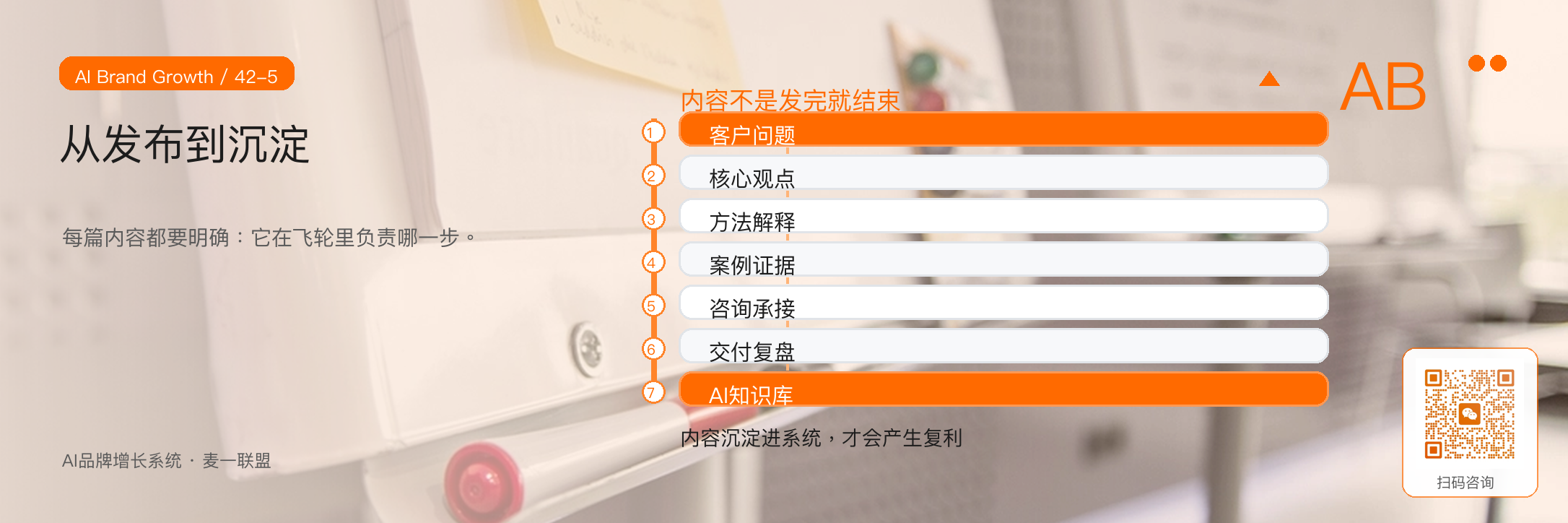
Figure 5: Content becomes part of the AI Brand Growth System when publishing also builds assets that can be reused.
06 | How a small or midsize company can move from funnel to flywheel
First, look beyond sales figures to the assets created along the way. Review each week: Which new customer questions appeared? Which content was mentioned repeatedly? Which objections occurred most often? Which cases are ready to be documented?
Second, turn content from a publishing task into an asset-building task. Every article, video, and livestream should have a clear place in the flywheel: attracting a question, explaining a method, building trust, encouraging an inquiry, or preserving a case.
Third, bring sales records into the content system. Sales is not merely downstream from content; it is an entry point to customers' real language. How customers ask, hesitate, compare, and decide not to buy can inform the next round of content and product improvements.
Fourth, use AI to review and organize. Do not ask it only to write new material; ask it to organize existing material such as conversations, project reviews, customer feedback, livestream scripts, and service plans. The better a company organizes what it knows, the more easily its flywheel can gain momentum.
Fifth, build a minimum flywheel dashboard. It need not be complex. Start with five measures: new customer questions, new reusable pieces of content, new evidence assets, new sales Q&A entries, and new case reviews. If these numbers keep rising, the company is doing more than closing one sale: it is building a foundation for the next round of growth.
07 | Long-term growth comes from compounding, not starting over
Growth feels exhausting for many companies not because they do too little, but because they start again every month: topics this month, selling points next month, sales training the month after. The team looks busy, yet its assets do not add up.
Flywheel thinking changes the question: Will what we do today still have value three months from now? Can sales send this article to a customer? Can this livestream become part of a content library? Can this sale become a case? Can this failure become an entry in the objections library?
Once a company manages growth with that question in mind, its actions can become more disciplined. It is less likely to publish casually for a trend, make promises simply to close a deal, or spread itself across ineffective accounts for visibility. Instead, it can keep filling gaps along the customer's decision path.
The funnel still has a use: it helps track short-term conversion. But a company that looks only at the funnel remains tied to the next wave of traffic. The flywheel is the structure the AI Brand Growth System seeks to build, connecting customer questions, content, visibility, conversion, cases, and an AI knowledge base in a continuing cycle. It helps a brand move from being seen once toward being chosen over time.
If your company already has some traffic and content but feels no compounding effect, the first step is not necessarily to increase the budget. Check where learning fails to return to the flywheel. Where nothing is preserved, the system has a break; where information begins to flow back, there may be a starting point for the next cycle.
A long-term approach does not mean moving slowly or ignoring outcomes. It means allowing each outcome to become a starting point for the next. In the AI era, content will multiply, channels will fragment, and customers will compare more carefully. Companies that can turn each touchpoint into a system asset will be better placed to work through an increasingly crowded market.
The core conclusion of Article 42 is simple: a funnel helps you see today's losses; a flywheel helps you build assets for tomorrow. A company needs both to read short-term data and to turn what it learns into long-term assets.

Figure 6: Small and midsize companies can first identify gaps in their reviews, then gradually bring actions back into the system.
System-building consultation If your company buys traffic, publishes content, runs livestreams, and speaks with customers every month but still feels that growth does not compound, an AI Brand Growth System consultation may be a place to start. Together, we can review the growth path: which points show only losses in the funnel and which could return as a question library, content library, case library, sales Q&A, or AI knowledge base. This review can help the team move from repeatedly starting over toward systematically preserving what it learns, so each round of work is clearer and easier to assess. |