Repeated Contact: Why Customers Rarely Buy After Seeing You Once
AI Brand Growth System, Article 45 | Turning one encounter into sustained familiarity, trust, and willingness to inquire. Original illustrations retain Chinese labels.

Repeated contact Customers rarely buy the first time they see you, especially when the service requires substantial trust, such as brand consulting, practical AI adoption, corporate training, or managed operations. Effective growth does not depend on a single viral article. A connected series of content helps customers gradually understand, trust, compare, and act over repeated encounters. |
01 | A sale rarely happens at first sight
Many companies publish content and buy exposure with an urgent expectation: post today, receive inquiries tomorrow; get noticed today, and ideally win an order immediately. The expectation is understandable. Owners want every dollar and every day they invest to show a result quickly. But business decisions do not usually happen that way.
The first time customers encounter you, they are often just establishing who you are. On the second encounter, they begin to judge whether you consistently address the same kind of problem. By the third or fourth, familiarity may develop: this account seems to understand their situation, this method does not seem assembled on the spot, and perhaps this person is worth talking to.
Customers served by an AI Brand Growth System are usually not buying a cheap item. They may be weighing brand positioning, content growth, AI tool adoption, team training, or long-term managed operations. Budgets, risks, and coordination across a company are involved. Of course they will not hand over their trust after seeing you once.
The value of the first encounter is therefore to enter a customer's field of attention. Conversion depends on the contacts that follow. Before customers take action, do you keep giving them new material to assess, easing their doubts, and showing that your understanding is systematic rather than a one-off piece of eloquence?
This is also where the path from content to action begins. Do not treat a lack of immediate inquiries as proof that the content failed. First ask whether the content forms a continuous sequence of encounters. Without one, a customer passes by. With one, passing attention can become recognition, and recognition can become trust.

Figure 1: A first encounter usually earns attention; repeated contact can support trust and an inquiry.
02 | Repeated contact is not repeated interruption
When people hear 'repeated contact,' they often picture posting at high frequency, filling a social feed, distributing through many accounts, or releasing short videos in a burst. Frequency alone says nothing about the quality of the contact. Seeing you many times does not necessarily make a customer trust you more. If each appearance repeats the same slogans, selling points, and emotional cues, fatigue may set in faster.
Meaningful repeated contact takes one customer problem and approaches it through different angles, situations, evidence, and entry points. Each encounter helps the customer make another pre-purchase judgment. First explain the symptom so the customer recognizes their situation. Then explain a misconception. Next show a possible method. After that, show how a case unfolded. Finally, offer a light way to begin.
Put differently, repeated contact does not mean saying the same sentence ten times. It means distributing the ten kinds of information a customer needs before buying across ten natural encounters. Each time customers meet you, they should gain another reason to assess why the problem matters, why an old approach falls short, how your method works as a system, or why an initial diagnosis might be a sensible next step.
Flooding a feed begins with the company's desire to be remembered quickly. Repeated contact begins with the customer's decision process and helps trust develop step by step. The former creates a sense of presence; the latter builds confidence. Presence alone may not bring a sale. Confidence makes a customer more willing to ask a question.
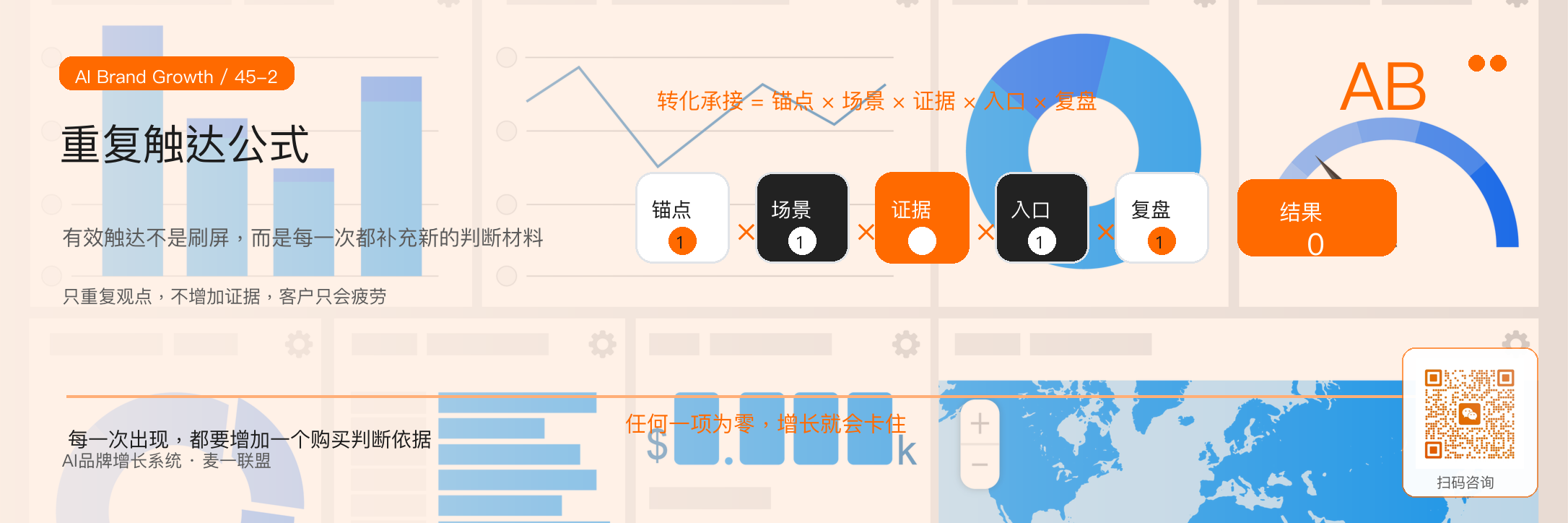
Figure 2: An effective path from content to action brings together a core theme, customer situations, evidence, an entry point, and review.
03 | Five mental steps before a customer buys
To understand repeated contact, begin with five steps between first sight and a purchase: noticing, understanding, trusting, comparing, and acting. Much content completes only the first two. Customers know what you do and may agree with what you say, but have not reached a decision to act.
The first step is being noticed. A public account, video account, social feed, livestream excerpt, community share, or network of accounts can bring you into view. This answers whether you have a chance to be discovered. It is an entry point, not an outcome. Treating visibility as a sale drives much of the anxiety around growth work.
The second step is understanding. Customers need to know which problem you solve, whom you serve, and how your approach differs from an ordinary service. Statements such as 'AI matters,' 'brands need to upgrade,' and 'companies need systems' may be true but remain too vague. Customers should be able to restate the offer in their own words: you help a company connect its brand, content, AI, and sales handoff in a growth system.
The third step is trust. Trust grows from consistent communication, a clear method, real evidence, and stated limits. Customers watch whether you have used the same reasoning over time, whether you have criteria of your own, and whether you explain when the method applies instead of only promising results. Without trust, more contacts are merely more appearances.
The fourth step is comparison; the fifth is action. Customers may compare you with consultants, managed-service teams, training providers, and tool vendors before deciding whether to inquire. Repeated contact should supply criteria before that comparison and make a low-pressure entry point visible before they are ready to act. An inquiry can then emerge from their own judgment rather than a push to buy.

Figure 3: Customers pass through five mental steps before buying; content needs to support each step, not chase exposure alone.
04 | Why a busy content network can feel like a monologue
Many companies today have plenty of content. What they lack is an order to their contacts. An owner may run a public account, video account, Xiaohongshu, Douyin, a social feed, and communities, publishing on every channel. Yet the themes and messages do not connect. Customers see an opinion today, a case tomorrow, and an event the day after. Their understanding of the brand becomes more fragmented.
The greatest danger for a content network is not publishing too little but pulling in different directions. That happens when there is no shared brand center to decide what customers should come to believe this month, what role each platform plays, which content awakens a problem, which explains a method, which provides evidence, and which offers a route to inquire.
Without that design for handing readers from one encounter to the next, AI can amplify the problem. In the past, one person wrote slowly and scattered content slowly. Now AI generates quickly, and content can scatter quickly too. Ten posts a day may look productive. If none help customers make the same underlying purchase judgment, the company is largely talking to itself across platforms.
A useful content network does not repeat identical copy on every platform. Different channels serve one path toward trust. A public account can explain a system in depth; short video can bring a situation to life; a livestream can answer questions in real time; a social feed can maintain a human connection; a community can provide timely reminders. Together, these contacts help customers feel that the brand keeps addressing their real problem rather than appearing at random.

Figure 4: A content network needs one coherent path toward trust; frequent posting without it can become a monologue.
05 | Four layers of content that give each encounter value
The first layer is a core theme. A company should not chase a new trend today and switch categories tomorrow. It needs a lasting set of themes built around problems its target customers repeatedly face. For the AI Brand Growth System, the core is not generic talk about AI. It is a continuing examination of how brands can build positioning, content, trust, conversion, and repeat business in an AI era.
The second layer is variation in situation. One theme can speak to different customer contexts. 'Repeated contact' might become an article for brand consulting clients, a video for owners recruiting partners, a livestream explanation for people building a personal brand, or a training example for a marketing department. The theme remains stable while the situation changes, so customers at different moments can recognize their own needs.
The third layer is added evidence. Repeated contact needs more than restated opinions. It calls for cases, data, the language customers use, before-and-after comparisons, and details of the work. Customers do not trust a claim of professionalism just because you make it. Across successive pieces of evidence, they judge whether you have done similar work, understood a similar challenge, and helped resolve it.
The fourth layer is an entry point. Each encounter can suggest a suitable next step without demanding a sale. A reader might open a related article, get a self-check checklist, book an AI brand growth diagnosis, join a livestream, or share an account for an initial review. A lighter entry point makes it easier to begin.
Together, these four layers keep repeated contact from becoming noise. The core theme keeps the brand coherent; changing situations make it relevant; added evidence supports trust; and a suitable entry point makes action possible. Each appearance of the content should do at least one of these jobs.
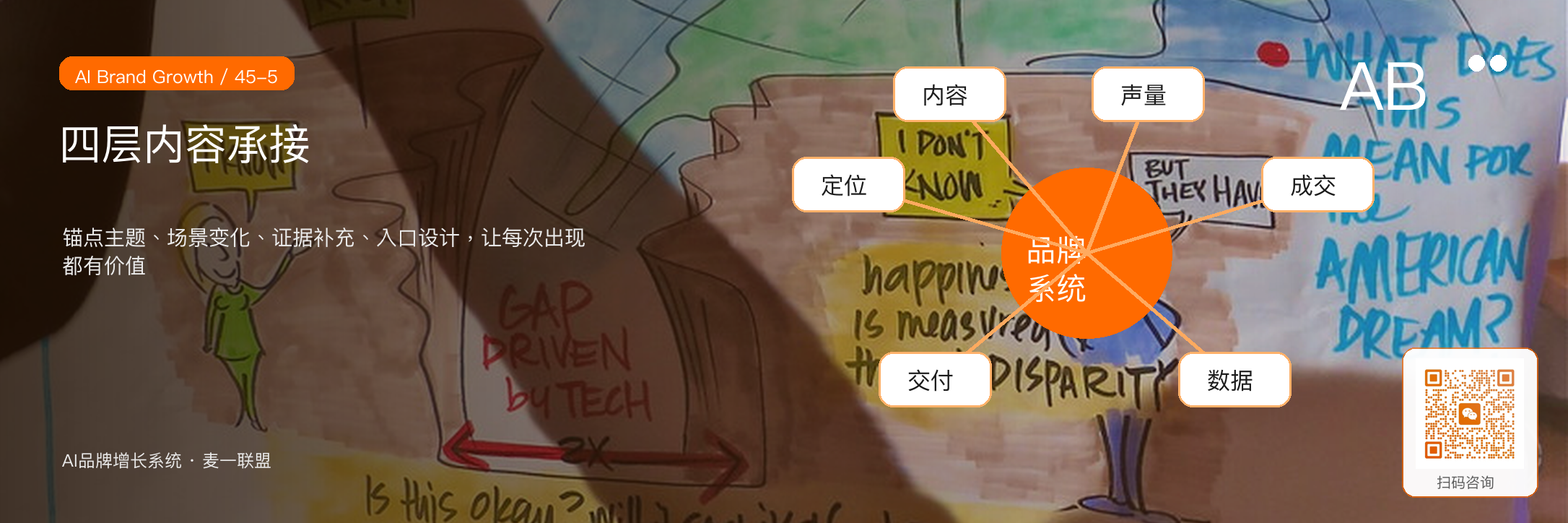
Figure 5: Four content layers give each encounter a clear role in the growth process.
06 | Use AI to design a sequence of repeated contacts
AI is most useful here when it turns one customer problem into a connected sequence, rather than rewriting one article into ten near copies. For the question 'Why do customers rarely buy after seeing you once?', AI can first organize doubts customers have before buying, then turn those doubts into a public-account article, a short-video script, livestream Q&A, a brief social post, and language for a sales follow-up.
This can be done in three steps. First, build a library of customer questions from real sales conversations, private messages, community discussions, livestream comments, and reviews with existing customers. The more authentic the questions, the more grounded repeated contact becomes. Without that library, AI can only produce polished but generic content.
Second, make a contact map. For each core question, note which platform it suits, what format to use, and which mental step it addresses. A public account might explain the system, a short video tackle a common misconception, a social post describe a customer situation, a livestream address objections, and sales language carry a specific inquiry forward.
Third, establish a review process. Each week, use AI to summarize content performance and inquiry feedback. Which themes prompted substantive private messages? Which short videos were saved but led to no action? Which articles did salespeople repeatedly share with customers? Which closing invitations made it easier for customers to start talking? The purpose is to improve the next sequence, not to chase a trend.
When AI helps organize questions, arrange content, and review feedback, it becomes more than a writing tool. It acts as a coordinator within the brand growth system, helping the team turn ideas into a path, the path into assets, and the assets into a process that can improve how content supports action over time.
07 | Let a public account build familiarity before a sale
In the AI Brand Growth System, a public account is more than a place to post articles. It is a library of content that can carry deeper trust. Short videos help customers notice you quickly; livestreams let them experience your thinking in real time; a social feed keeps the relationship warm. The public account can preserve a theory, a set of cases, and a practical method in one place.
A customer may first see one of your videos and think the idea is interesting. On seeing a case in a social feed, they begin to recognize you. When they then open the public account and read a connected series of articles on the same problem, they can make a steadier judgment: the brand is not merely following an AI trend; it is building a growth system that can be put to work.
Article 45 is therefore not a call to 'post a few more times.' Each appearance should make it easier for a customer to choose you. Repeated contact helps turn an unfamiliar relationship into familiarity, familiarity into trust, and trust into an opening for inquiry. What a company needs is not a pile of content but a brand growth infrastructure customers can encounter, understand, and verify repeatedly before buying.

Figure 6: AI can connect customer questions, content planning, sales handoff, and feedback review in a sequence of contacts.
Consultation on building a system If your public account, short videos, social feed, and livestreams are active but customers keep leaving after viewing, conversations go cold, and inquiries are hard to advance, the issue may be a missing path that connects repeated contact to action rather than too little content. The AI Brand Growth System can help you organize a library of customer questions, a contact map, a publishing rhythm across channels, and a process for reviewing feedback with AI. Each encounter can then have a clearer role in moving toward a possible sale. |