Conversion Structure: How Trust Becomes a Low-Friction Next Step
AI Brand Growth System, Article 46 | Helping customers move from believing you to taking a first step

Conversion Structure Trust does not automatically turn into an inquiry, and agreement does not automatically turn into a purchase. Effective brand growth means turning a customer's thought of 'That makes sense' into a clear, doable next step with little risk or pressure. |
01 | A Customer Can Trust You and Still Take No Action
Many companies assume that conversion will happen naturally once their content sounds professional, their cases appear credible, and customers accept their point of view. They end an article with 'Contact us,' finish a livestream with 'Message us if you need anything,' or occasionally post a service graphic, expecting customers to start the conversation themselves.
In practice, a customer may trust you and still do nothing. They may agree with you but not know where to start. They may see value in your method but worry that an inquiry will trigger a hard sell. They may recognize a real problem but feel unready to disclose their budget, team, or situation.
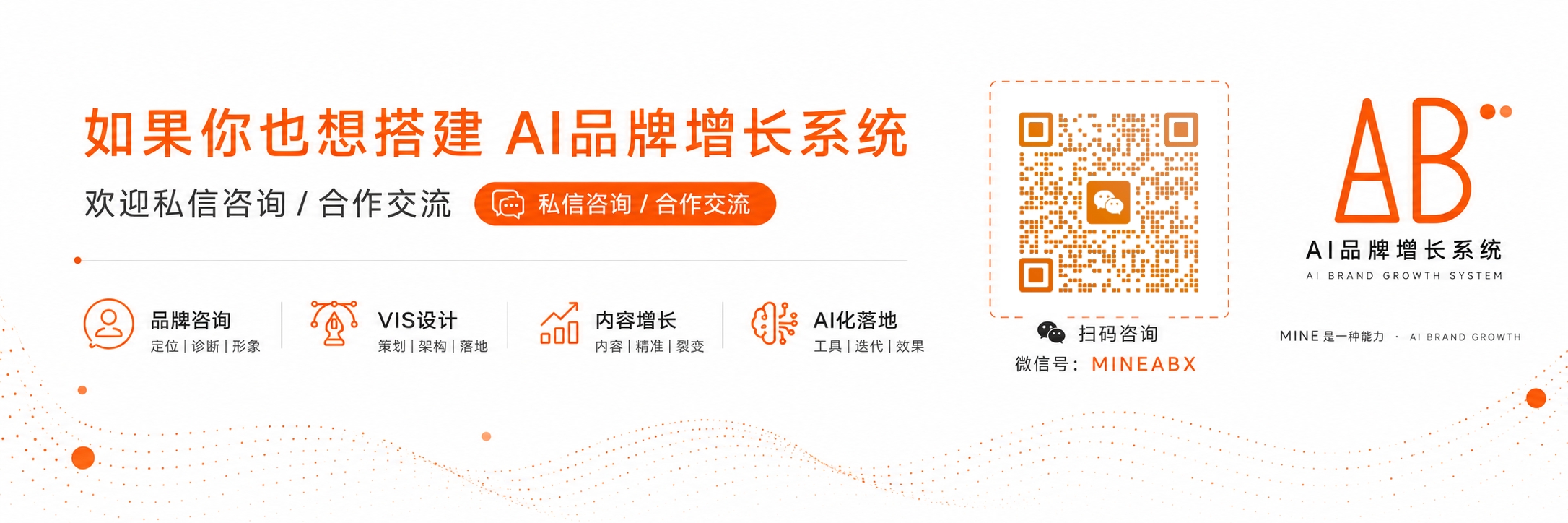
Conversion is therefore not an automatic consequence of trust. It happens when trust is given a structure. Trust makes customers willing to keep watching and add you to a shortlist. They move from 'I agree' to 'I'll try getting in touch' only when the next step feels clear, small, and safe.
This is where many content accounts stall. Their content builds trust, but the next step does not reduce the effort of acting. Customers reach the door, find no clear sign, see a high threshold, and cannot tell what will happen inside. So they return to watching from a distance.
In the AI Brand Growth System, a conversion structure designs the otherwise invisible distance between trust and action. It does not push customers to buy immediately. It makes a reasonable, light, low-pressure first action easier to take.

Figure 1 | Trust needs a low-friction path to action; it does not become a purchase on its own.
02 | What Is a Conversion Structure?
A conversion structure is the set of handoffs between a customer's growing trust and their decision to act. It covers the entry point they see, the value they understand, the risk they bear, the effort required, the feedback they receive, and who follows up afterward.
A good structure does not put all the pressure on the customer. Rather than demanding a major decision at once, it offers a small one: try an initial diagnosis, get a self-check checklist, send an account for a first look, attend a topic-specific livestream, or describe the problem. The clearer that small decision is, the easier it is to act.
Weak structures often have two extremes. With no entry point, customers do not know how to start. With an entry point that is too demanding, the first move is buying a package, signing a contract, or paying for advice. The first breaks the trust journey; the second makes customers hesitate. A mature structure places a low-friction action between free learning and a paid engagement.
This middle step matters especially for services that require substantial trust. Brand consulting, AI implementation, corporate training, and managed operations are not impulse purchases. Customers first need to see whether you understand their business, then whether your approach can be carried out, and only then whether a formal partnership makes sense. The structure gives those checks an orderly path.
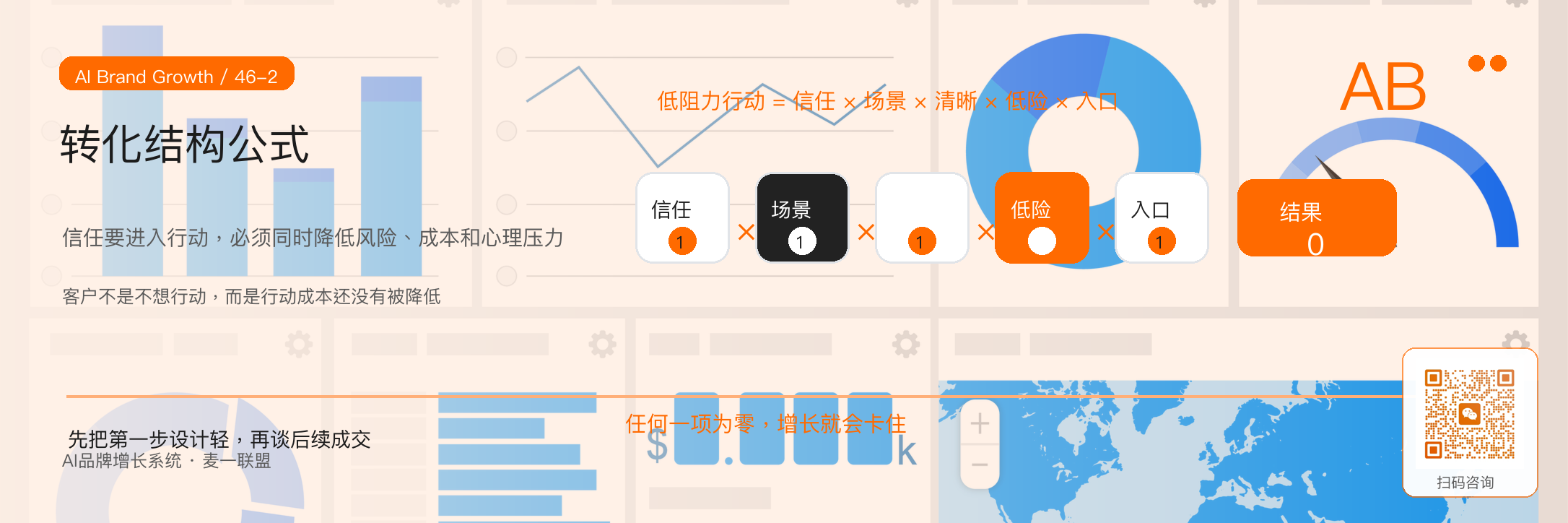
Figure 2 | Low-friction action depends on trust, context, clarity, risk control, and a well-designed entry point.
03 | Five Conditions for a Low-Friction Action
First, define the situation. Customers need to know whom the entry point serves and what problem it addresses. 'AI brand growth diagnosis' is clearer than 'Contact us': it tells people working on a brand, content, short video, livestreams, or private channels that they can first examine where their system is breaking down.
Second, make the benefit tangible. Before acting, customers should know what this step may help them learn. Instead of a vague 'Let's talk,' explain that the discussion can identify where brand growth is stalled, why content is not leading to inquiries, and where AI tools might fit first. A more concrete benefit gives a stronger reason to act.
Third, keep risk manageable. Some customers hold back because they fear a sales pitch, exposing problems, or spending time without a useful outcome. The entry point should feel safe: begin with an initial judgment, offer directional advice, and see whether there is a fit. If there is not, the conversation need go no further.
Fourth, keep the first action light. Do not require a long form, a large bundle of materials, or an immediate lengthy meeting. A customer could first send an account, an article, a project introduction, or three sentences describing the current problem. A small first step makes a deeper discussion easier later.
Fifth, respond promptly and usefully. Many journeys break after the customer acts: a message goes unanswered, a new contact receives stiff sales copy, or materials receive no specific assessment. Low-friction action needs a timely, professional, and considerate handoff.
Together, these conditions reduce three costs for customers: the effort of understanding, the burden of deciding, and the psychological cost of reaching out. If understanding takes too much work, customers cannot tell how you can help. If the decision feels too large, they postpone it. If reaching out feels risky, they fear being pushed into a sale. The structure reduces each cost step by step.
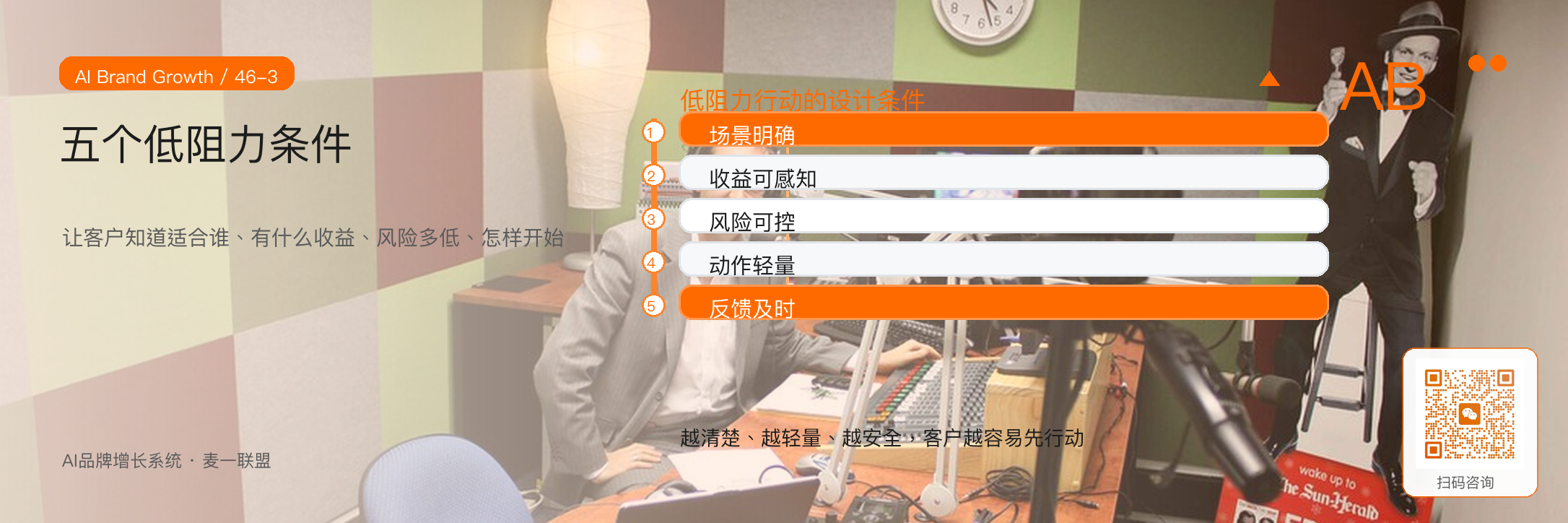
Figure 3 | Before acting, customers need a defined situation, a specific benefit, manageable risk, and timely feedback.
04 | Why Trust May Still Produce No Inquiries
If an account publishes consistently and receives reads, saves, and likes but few inquiries, do not immediately dismiss the content. The problem may be that trust has nowhere to go. Customers finish reading, recognize your expertise, and still do not know what to do next.
There are three common breaks. The first is a vague entry point. Ending an article with only 'Let's connect' leaves customers unsure what they would discuss, whom the offer suits, or what would happen. The invitation is so loose that it does not lead to action.
The second break is an entry point that asks too much. Phrases such as 'Book a proposal,' 'Discuss a partnership,' or 'Request a quote' can feel like the start of a sales process. Customers who have not yet defined their needs may choose silence instead.
The third break is a poor handoff. The content explains a system, but the private message becomes a generic sales script. The article promises a diagnosis, but support sends only a service brochure. The video discusses a customer problem, but the follow-up records neither the source nor the concern. Trust built at the front is spent at the back.
A conversion structure must therefore cover both the first entry point and the follow-up. The first should make action feel possible; the second should reassure customers that taking it was worthwhile. If either side fails, trust leaks away.
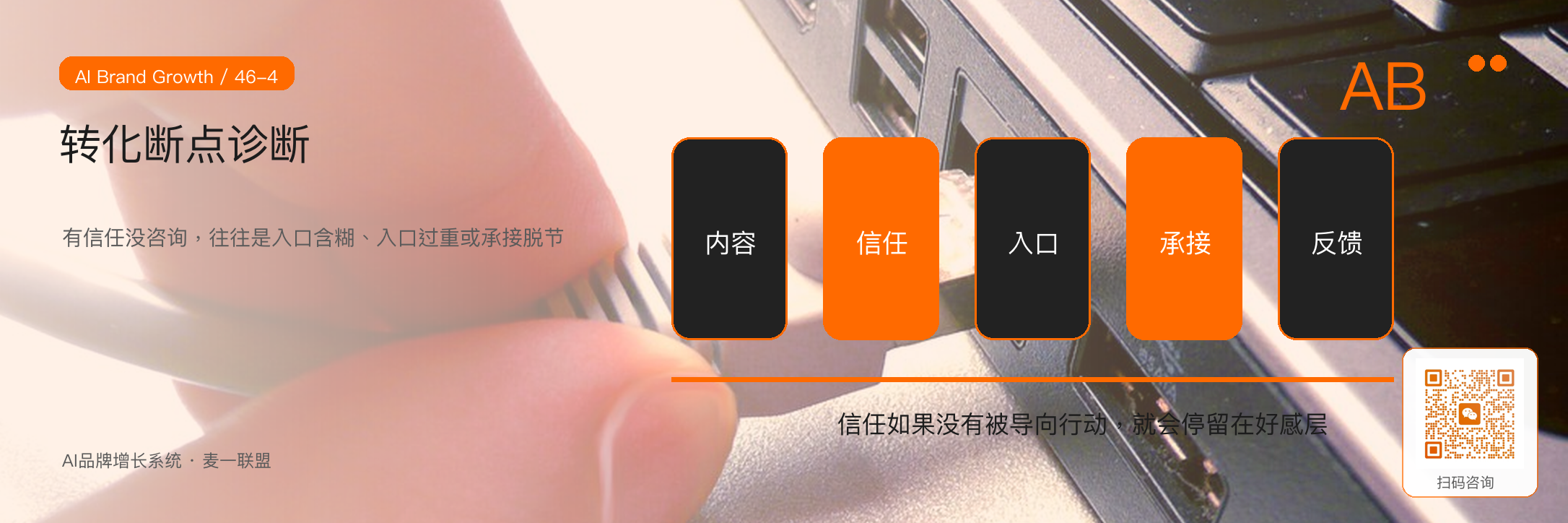
Figure 4 | When trust produces no inquiry, the break is often in the entry point or the follow-up.
05 | Four Handoffs from Content to Inquiry
The first layer is the content handoff. Each article, short video, or livestream should know what kind of action it supports. Not every piece must sell a service directly, but each should clarify a possible next step. After this article, for example, a customer should be able to check whether their own entry point asks too much or too little.
The second layer is the entry-point handoff. It should match the content topic. A discussion of trust density can lead to a content-trust diagnosis; repeated contact can lead to mapping touchpoints; conversion structure can lead to checking low-friction actions. The closer the fit, the less abrupt the invitation feels.
The third layer is the sales handoff. The goal when a customer first reaches out is to carry forward the trust just formed, not rush to close. A useful response restates the customer's problem, adds an informed judgment, and suggests a next step. Feeling understood makes a deeper conversation more likely.
The fourth layer is the system handoff. After an inquiry, information should not stay in one salesperson's or operator's chat history. The content that brought the customer in, the question they care about, where they are stuck, and whether a next step happened should be retained in the brand knowledge system. That helps future content, livestreams, and follow-ups become more relevant.
With all four layers connected, conversion becomes a path that can be reviewed rather than a slogan. Content establishes a shared understanding of the problem; the entry point lowers the effort of acting; sales provides a concrete assessment; the system turns feedback into an asset for the next cycle of growth.
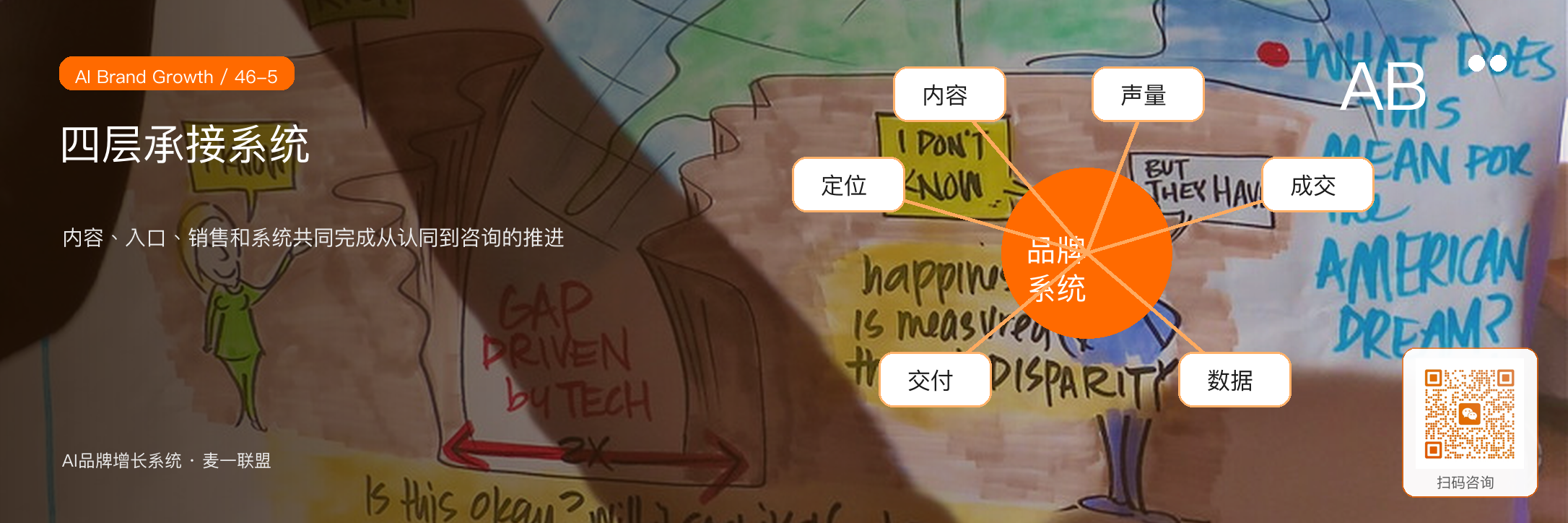
Figure 5 | Conversion structure needs coordinated handoffs across content, entry points, sales, and systems.
06 | Use AI to Make the Structure Work in Practice
AI's most useful role in conversion structure is not writing more closing lines. It is helping the team connect entry points, response scripts, customer questions, and sales feedback. It can suggest several actions for one piece of content and help assess whether each is too small, too demanding, or mismatched to the topic.
Step one: ask AI for low-friction action suggestions for each piece of content. This article, for instance, fits a conversion-structure self-check better than an immediate pitch for managed operations. AI can propose three entry-point versions, such as messaging a keyword, scanning a code for an initial diagnosis, or obtaining a checklist. The team then chooses the most natural one.
Step two: use AI to draft the first response. If a customer messages 'conversion,' the first reply should not introduce a package. It could establish the situation: 'Are your articles getting readers but few inquiries, or are your short videos getting views but few messages?' This brings the discussion back to the actual problem and helps the sales team judge the next step.
Step three: use AI to record and review breaks in the path. Which content led to inquiries? Which entry points were clicked but led no further? Which customers went quiet after the first reply? Which responses made people more willing to share materials? Organizing this feedback over time helps the company locate the real weakness in its conversion structure.
When AI assists with entry-point design, responses, and review, conversion depends less on one person's intuition. The team can treat each customer action as a signal, each lost opportunity as feedback, and each completed deal as new evidence for future content.
More importantly, AI can help the team notice weak signals before an inquiry. A topic saved often but rarely followed by a message may suggest trust remains at the awareness stage. An entry point clicked often but seldom followed by a contact request may promise too much. Customers who share materials but decline a diagnosis may not yet understand the value of the follow-up. Seeing these signals makes it possible to adjust the structure.
07 | From Low-Friction Actions to Growth Infrastructure
Mature brand growth does not ask customers to be convinced from scratch every time. It makes action easier as they encounter the brand. They may save something after the first encounter, follow after the second, message a question after the third, and consider an initial diagnosis after the fourth. A formal engagement can come later.
This is a structure, not luck. Content helps customers understand; trust brings them closer; an entry point makes the first step feel safe; the handoff keeps the conversation going; and delivery feedback informs future content. Each stage reduces friction for the next.
The clearer the conversion structure, the less a company needs hard selling to compensate for uncertainty at the front. Customers can move through content, an entry point, an initial diagnosis, and a proposal while the sales team responds to real problems instead of relying on one generic script. This can support steadier sales conversations and longer-term reputation building.
For the AI Brand Growth System, conversion structure bridges brand assets and business outcomes. Without it, content remains expression, trust remains goodwill, and traffic remains visibility. With it, content can support inquiries, trust can enter a sales conversation, and customer feedback can return to the brand knowledge system, building infrastructure that helps the brand remain a considered choice.

Figure 6 | A low-friction action loop uses feedback from each inquiry to improve the next round of content and conversion.
Consultation on Building the System If your content already feels credible to customers but inquiries remain scarce, the gap may lie in the conversion structure rather than the initial message. The AI Brand Growth System can help you work across content entry points, low-friction actions, sales follow-up, and AI-assisted review to build a path from trust to inquiry. |