Delivery Reputation: Why Growth Begins Again After the Sale
AI Brand Growth System, Article 47 | Turning every delivery into evidence for the next time a customer chooses you

Delivery Reputation A sale is not the end of growth. It is the beginning of reputation, case evidence, repeat business, and referrals. Brand growth that compounds depends not only on acquiring and converting customers, but also on whether delivery after the sale keeps producing new assets of trust. |
01 | A Sale Begins the Delivery, Rather Than Ending the Work
Many companies understand growth as a set of front-end activities: attracting traffic, writing content, increasing inquiries, and closing customers. Once a deal is signed, the team feels it has won and only needs to deliver according to the contract. That view confines growth to a single transaction.
The real test begins after the customer pays. Before the sale, the customer trusts your content, views, cases, and sales promises. Afterward, they experience your response time, project rhythm, delivery quality, problem-solving ability, and how clearly they can see the results. The former builds confidence to buy; the latter determines your longer-term reputation.
If delivery is chaotic, customers may question the expertise expressed in earlier content. If the outcome is unclear, even a customer who is not strongly dissatisfied may have little reason to recommend you. If there is no review at the end, the lessons stay inside the team instead of becoming evidence for the next growth cycle.
The sale therefore does not pause growth activity. It opens a more important stage in which trust is tested. Whether customers buy again, recommend you, agree to become a case, or mention you to their contacts often depends less on the moment of signing than on every touchpoint during delivery.
The AI Brand Growth System emphasizes delivery reputation because service businesses cannot rely only on finding new customers. Brand consulting, AI implementation, corporate training, and managed operations all need each delivered project to become a reason for a future customer to choose them.
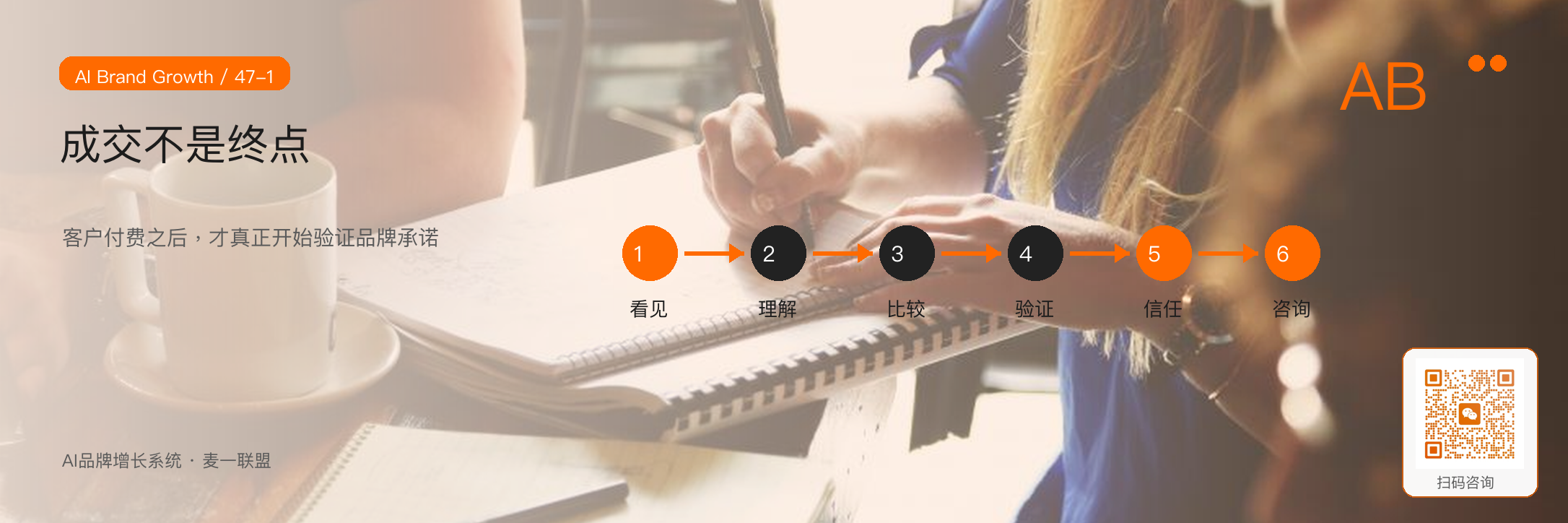
Figure 1 | After a sale, delivery tests whether the customer's trust in the brand promise was justified.
02 | What Is Delivery Reputation?
Delivery reputation is more than a customer saying 'not bad' at the end, or occasionally praising you on social media. It is a set of assets built from customer experience, evidence of results, review and feedback, and external communication. Reputation should be designed from the first day of delivery rather than left to arise by chance.
A team that works with delivery reputation in mind aligns on goals before the project, makes progress visible during execution, explains its methods at key points, shows changes in interim results, and closes with a review and advice on what comes next. Customers do not passively wait for an outcome; throughout the process they can keep checking whether the work is improving the situation.
Low-quality delivery can meet the terms of a contract without creating a reputation. A team might produce many items but show little change in the customer's business, hold many meetings without recording important decisions, or provide a long service with no case material, data record, customer feedback, or review of the method. This takes effort but produces little that can compound.
High-quality delivery does more. Alongside solving the present problem, it leaves reusable methods, cases that can be shown with permission, customer language that can be retold, changes in data that can be tracked, and opportunities for further work. Delivery itself becomes part of the brand's growth infrastructure.
Delivery reputation should therefore not be isolated in an after-sales department. It needs to connect with content, sales, product tools, corporate training, and managed brand services. Real questions raised by customers during delivery can inform what the next content series covers, what the next livestream explains, and what the next tool version improves.
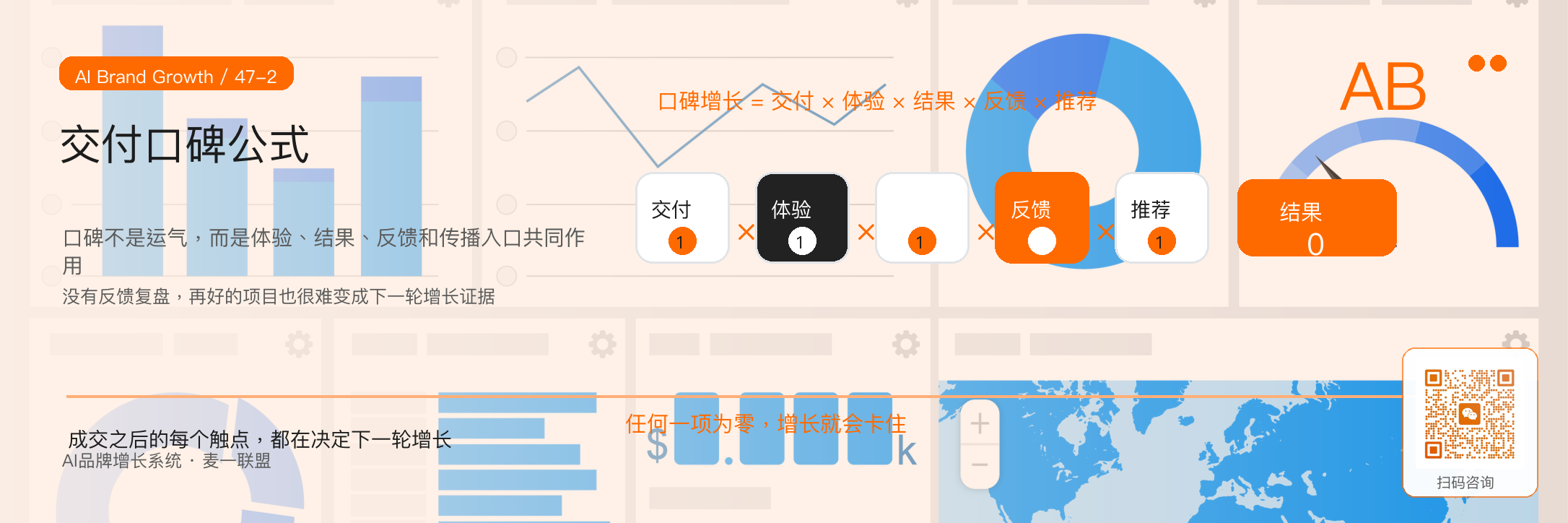
Figure 2 | Reputation grows from delivery, experience, results, feedback, and recommendations working together.
03 | Five Critical Touchpoints for Delivery Reputation
First, align expectations. Many reputation problems come from an unclear understanding of the project at the outset rather than a poor final result. At kickoff, define what the work will and will not solve, what the interim and final deliverables are, which outcomes require the customer's cooperation, and which are the provider's responsibility.
Second, make the process visible. When customers cannot see the work, they may judge its value by feeling alone. In brand consulting and AI implementation, much of the work happens in analysis, organization, modeling, testing, and adjustment. Without visibility, it is easy for a customer to feel that little is happening.
Third, make the results verifiable. Reputation needs evidence as well as a good impression. Results might include clearer positioning, more consistent content topics, a more unified sales message, AI tools the team actually uses, smoother inquiry handoffs, or lower internal coordination costs. The more specific the evidence, the easier it is for customers to explain your value to others.
Fourth, make feedback useful. During delivery, customers say where they used to get stuck, which action helped most, which material helped the team understand the problem, and which tool saved time. If recorded, this language can inform the next article, short video, livestream, or case study.
Fifth, make it easy to share a recommendation. Many customers are willing to recommend a provider but do not know how to describe it. Help them state, in one clear sentence, who the service is for, what problem it addresses, and why it is worth a conversation. A smaller effort to recommend makes word of mouth easier to spread.
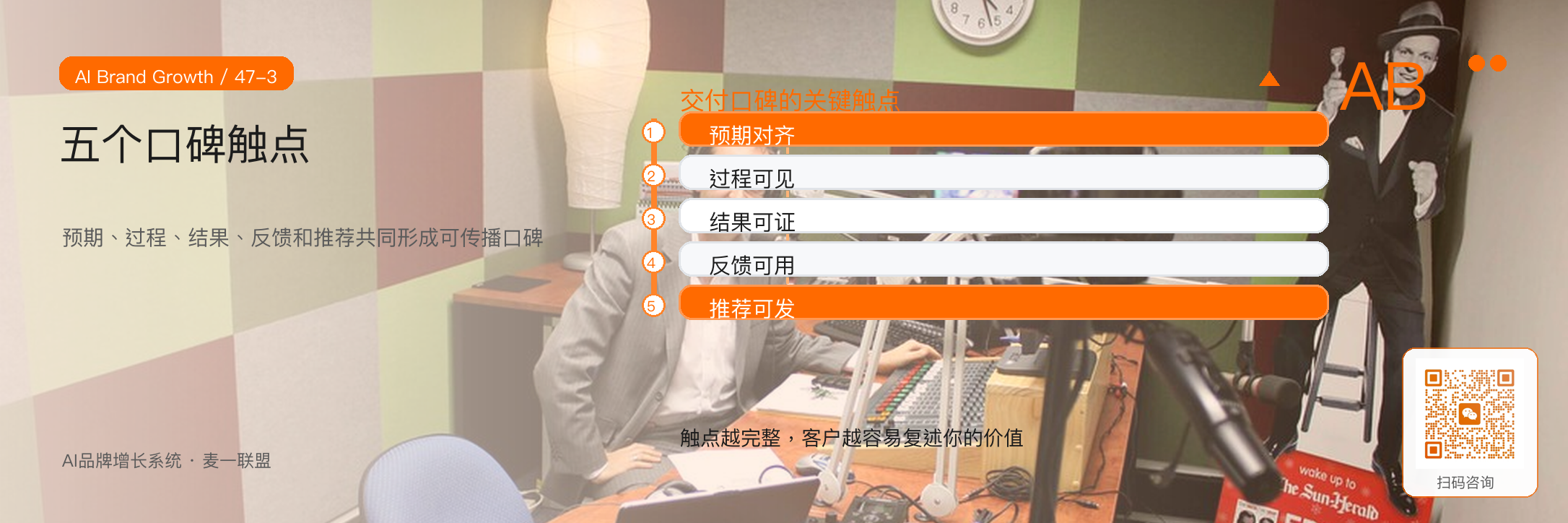
Figure 3 | Delivery reputation spans aligned expectations, a visible process, verifiable outcomes, useful feedback, and recommendations that are easy to share.
04 | Why Completed Work Often Creates No Reputation
A team may do a great deal of work and leave a customer with no obvious complaint, yet see no repeat purchase, referral, or case study afterward. Often the work did not fail completely; it simply was not turned into an asset.
The first break is a delivery black box. The team works hard behind the scenes, but the customer sees only scattered outputs, with little explanation of the reasoning, current progress, or what happens next. If customers cannot understand the process, they struggle to assess its value.
The second break is handing over files without transferring understanding. The deliverables may look excellent and the plan may be complete, but the customer's team has not understood the method well enough to reuse it. The enduring value to a customer is not just a file; it is stronger judgment within the team.
The third break is the absence of a review. At the end, the team says 'It was a pleasure working together' without summarizing what changed, the key actions, remaining problems, and the path ahead. Without a review, customers may struggle to say what the engagement achieved.
The fourth break is failing to shape the evidence into a case. Delivery produces many signals, but nobody organizes them into customer context, the problem, gaps in the system, actions taken, changes in results, and customer feedback. Without that structure, the next sales conversation starts its explanation from zero again.
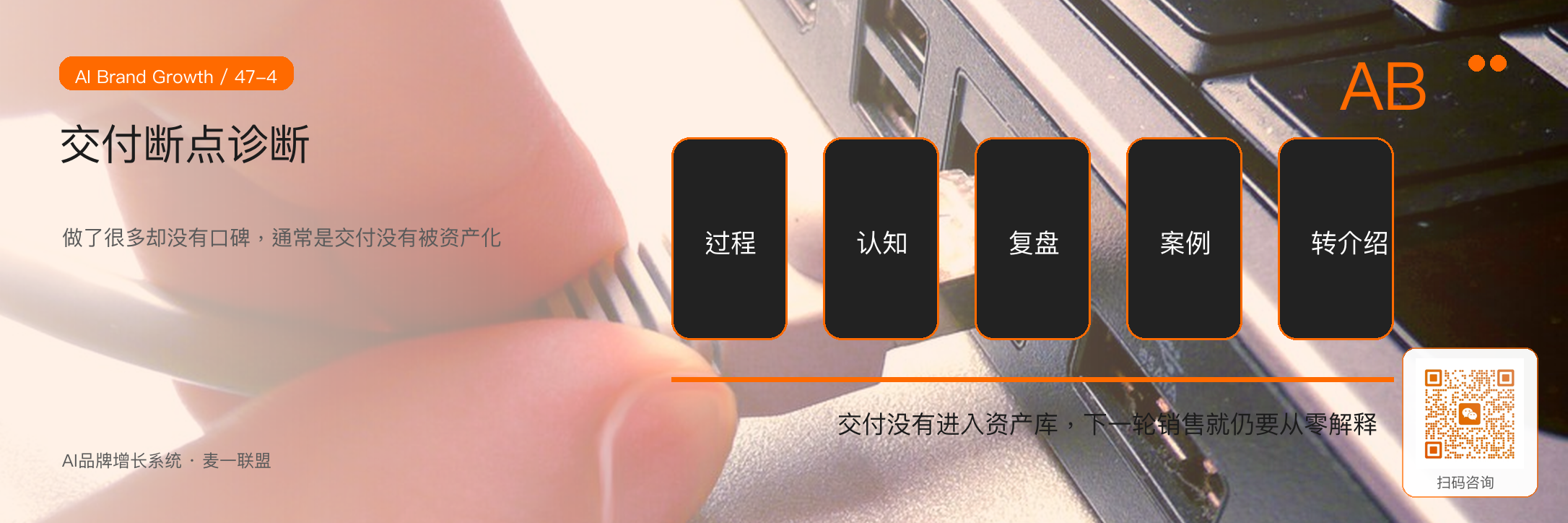
Figure 4 | Work can finish without a reputation when the process, knowledge transfer, review, case evidence, and referral path remain broken.
05 | A Four-Layer System from Sale to Reputation
The first layer is a delivery SOP. After the sale, a project should not depend entirely on one person's experience. It needs a clear sequence for kickoff, diagnosis, planning, execution, review, and handover. An SOP is not there to make the work rigid; it helps customers know where they are at every step.
The second layer is a customer communication rhythm. Decide when to share progress, confirm direction, present interim work, and ask for the customer's input. A good rhythm helps customers feel guided through the work rather than left waiting.
The third layer is a library of result evidence. Each project should retain evidence such as before-and-after comparisons, changes in data, content samples, team feedback, tool usage, and changes in sales conversations. The richer this library becomes, the more concrete future content and sales discussions can be.
The fourth layer is an outlet for reputation. At the end of a project, the process should go beyond transferring files to include a review, permission for a case study, a simple way to refer someone, a follow-up diagnosis, and a suggestion for continued work. Customers who have truly seen value need an easy way to express it and tell others.
Connected, these four layers turn one service engagement into a durable asset. The SOP supports consistency, communication supports the experience, evidence supports credibility, and the outlet makes the reputation visible.
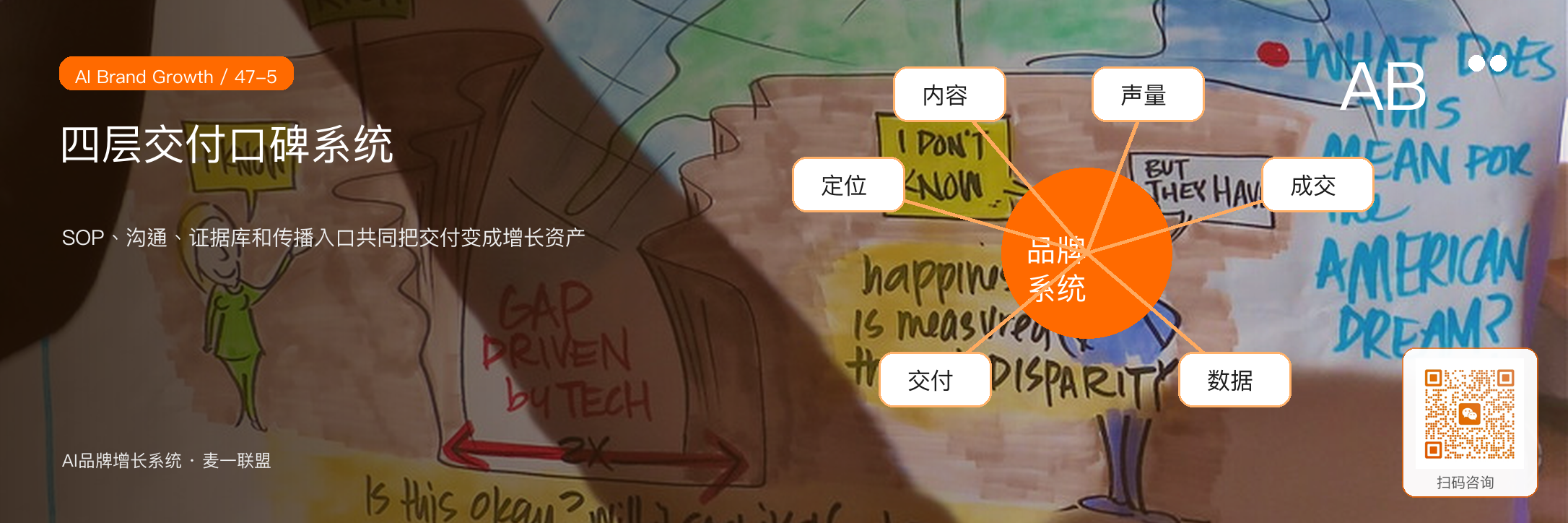
Figure 5 | Four layers of delivery reputation turn a service process into a reusable growth asset.
06 | Use AI to Turn Delivery Feedback into Brand Assets
AI's greatest value to delivery reputation is not writing a project summary for the team. It is helping the team continually record, organize, and reuse real feedback from delivery. What customers say, questions raised in meetings, changes in interim results, and comments from sales can all feed into the brand knowledge base.
Step one: keep a delivery log. For each project, record key points: the customer's initial problem, diagnostic conclusions, actions taken, interim results, feedback, and unresolved issues. AI can turn scattered meeting notes and chat records into a structured project log.
Step two: build a case-material library. AI can identify which parts of a delivery log may or may not be made public, then organize them into material for articles, short-video scripts, livestream cases, sales talking points, and internal training. One project serves its customer while also helping future customers understand and trust the work.
Step three: establish a review model. After each project, use AI to review which actions worked best, where the work stalled, what mattered most to the customer, which promises need adjustment, and which methods can become standard tools. More consistent reviews can improve the next delivery.
When AI links feedback, case material, and method reviews, delivery becomes more than a behind-the-scenes service. It becomes a continuing source of material for public content and sales conversations.
This approach suits service brands such as Maiyi Alliance. The offer is not merely a plan; over time it can build a method, case library, tool library, and training system. AI organizes fragments of project experience into assets. People decide what can be published, which methods need improving, and which customer relationships deserve further attention.
07 | Make Every Project a Sample for the Next Growth Cycle
A brand whose growth compounds does not need to prove itself from scratch for every sale. Each delivery adds evidence for the next: a completed project gives the team another method; a customer's feedback gives the brand real language; a change in the project gives sales a more credible case.
That is why delivery reputation begins the next cycle of growth. Front-end content helps customers get to know you. A conversion structure makes the first step feel possible. A sale begins the working relationship. Delivery then determines whether customers keep trusting you, choose you again, and recommend you to others.
For the AI Brand Growth System, delivery reputation is not simply an after-sales step. It is an often overlooked part of the growth loop. Without it, a company must keep chasing new traffic. With it, existing customers may buy again, cases can strengthen trust, feedback can update content, and referrals may reduce the effort of finding new customers.
More importantly, delivery reputation changes how the team thinks about growth. Instead of watching only the acquisition stage and responding to anxiety with more advertising or posts, the team looks at whether each customer has been served well, whether evidence has been retained, and whether the project revealed new questions. The stronger the delivery, the more confidence the front end can earn.
What a company really needs to build is not just the ability to close one deal. It needs infrastructure that links content to inquiries, sales to delivery, delivery to reputation, and reputation back to content. Every project should offer a sample for the next cycle of growth.
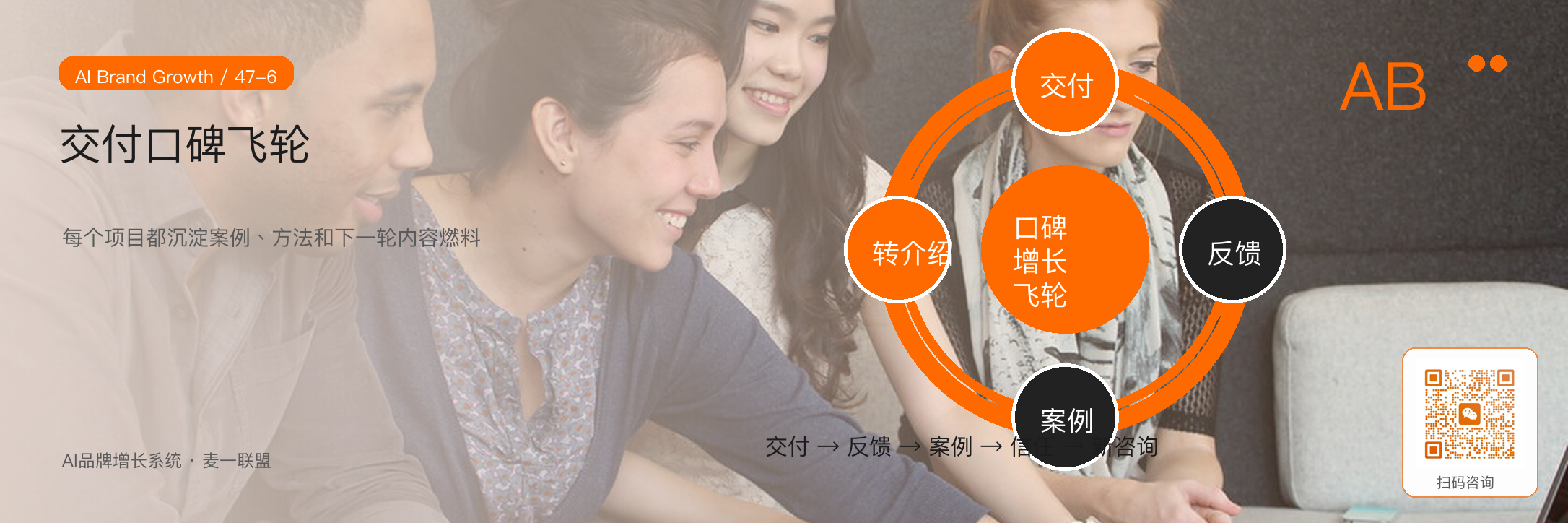
Figure 6 | The delivery reputation loop lets each project feed the next round of content, trust, and inquiries.
Consultation on Building the System If your projects close but rarely produce repeat business, referrals, cases, or content evidence, the problem may not be customer dissatisfaction. The delivery reputation process may not have been designed as a system. The AI Brand Growth System can help you build a delivery SOP, customer feedback library, case-asset library, and a route for sharing recommendations, so each delivery can support the next growth cycle. |