Five Standards for Strong Brands of the Future
AI Brand Growth System, Article 28 | As content, traffic and tools become more alike, strong brands need to be recognizable, understood, trusted, encountered consistently and reliable in delivery

Core assessment The strong brands of the future will not necessarily be those with the greatest visibility or largest budgets, but those that best reduce the risk of choosing for customers. In the AI era, customers have no shortage of content, channels or information; what is scarce is clear judgment, real evidence, consistent contact and reliable delivery. Brand strength therefore needs to be assessed through five underlying standards, not attention alone. This is the author's brand-building framework, not a guarantee of growth or sales. Original illustrations retain Chinese text. |
01 | A Strong Brand Is Not Just Seen, but Chosen with Confidence
Businesses have often judged brand strength by awareness, advertising volume, store numbers, follower counts, packaging design and industry exposure. These still matter, but in the AI era they are no longer sufficient measures.
Content can be generated in batches, materials copied quickly, visuals made to look convincing with templates, and short videos published frequently. Customers encounter more brands, and more of them look professional. The real question becomes: why would a customer feel confident choosing you?
Choosing a brand is fundamentally a way for customers to reduce their own risk. They worry about buying the wrong thing, being misled, finding a poor fit, receiving inadequate delivery or spending money without results. A strong brand's value is not simply attracting another glance, but helping customers feel reassured after comparing their options.
In this framework, future brand strength depends on trust across the system, not one isolated capability. Customers need to know which problem you solve, understand how you think about it, believe you have relevant experience, keep you in mind and experience reliable delivery after the sale.
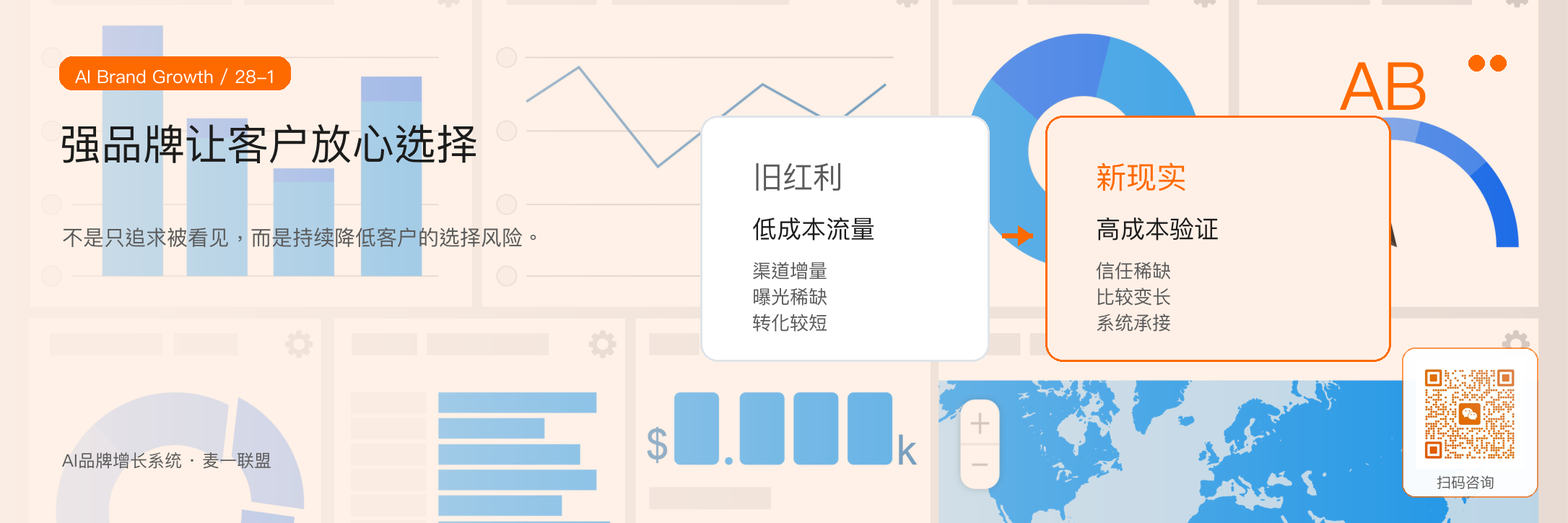
Figure 1: Future brand strength centers on helping customers choose with confidence, not simply generating more attention
02 | Standard One: A Clear Customer Problem as the Starting Point
The first standard is that customers can quickly understand exactly which problem you solve. Many businesses are capable but present too many disconnected starting points: design one day, marketing the next, then short videos and AI. Customers hear that you can do everything without understanding why they should approach you first.
A problem-based starting point is not a slogan. It is a situation customers immediately recognize as their own: declining advertising ROI, abundant content without conversions, a busy owner with unstable growth, or AI adoption that has not improved efficiency. The clearer the problem, the easier it is for customers to connect their difficulty with your brand.
AI enables businesses to communicate more, but also makes it easier for their messages to scatter. Without a clear customer problem, more content can make a brand resemble a miscellaneous shop; with one, it can begin to form a system. Customers do not initially remember every capability. They first remember: when this problem arises, this is someone to approach.
A strong brand should first ask: which customer pain point do we want to bring us to mind immediately? A consistent answer makes it easier for viewpoints, content, cases and sales follow-through to work together.
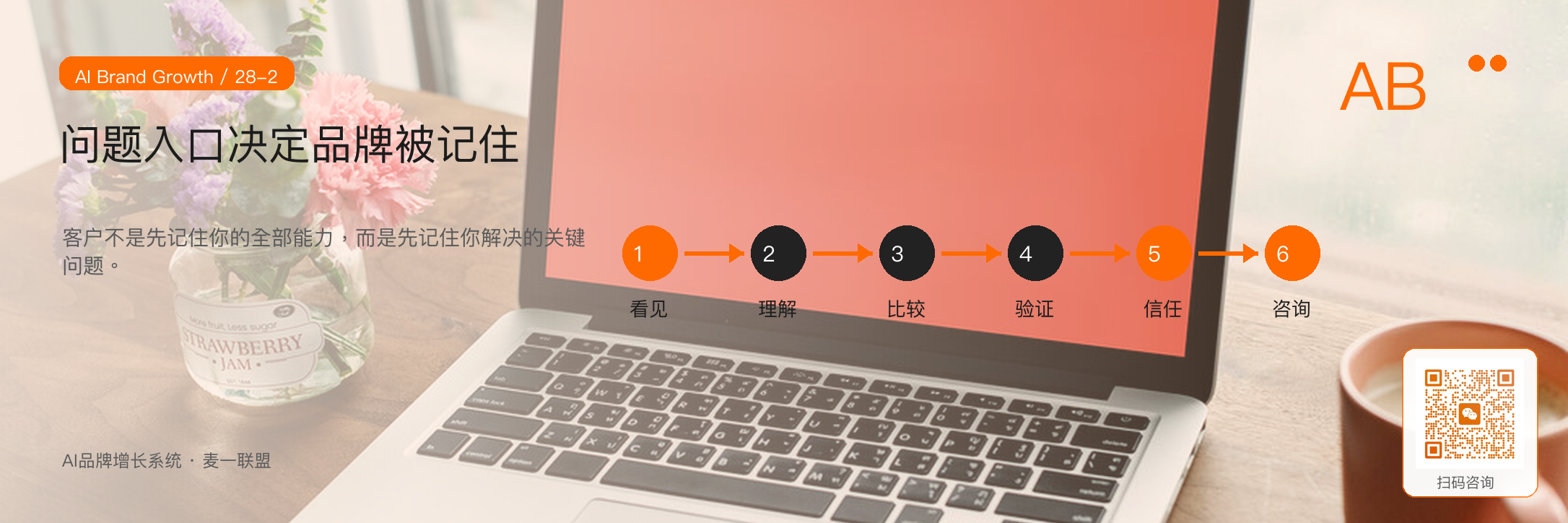
Figure 2: A clear customer problem gives people a reason to remember your brand when that need arises
03 | Standard Two: A Consistent System of Viewpoints
The second standard is a consistent system of viewpoints. Customers follow a brand not merely because it publishes content, but because it can keep offering useful judgment.
If a business says traffic is most important today, owned customer channels tomorrow, AI the day after and short videos a few days later, customers struggle to form a stable understanding. These claims are not necessarily all wrong; what is missing is the underlying logic that connects them.
A viewpoint system shows customers how you assess problems. For example, the AI Brand Growth System consistently argues that growth is not an isolated action, but the efficiency of connections among brand, content, traffic, conversion, delivery and repeat purchases. It treats a brand not as a logo and slogan, but as a structure of trust that supports customers before they choose.
When these viewpoints are expressed repeatedly, customers can gradually understand what you believe, what you challenge and which problems you are equipped to solve. A strong brand does not chase every trend; it explains trends through its own methodology. Its articles, videos and livestreams then feel as though they come from the same Brand Brain.
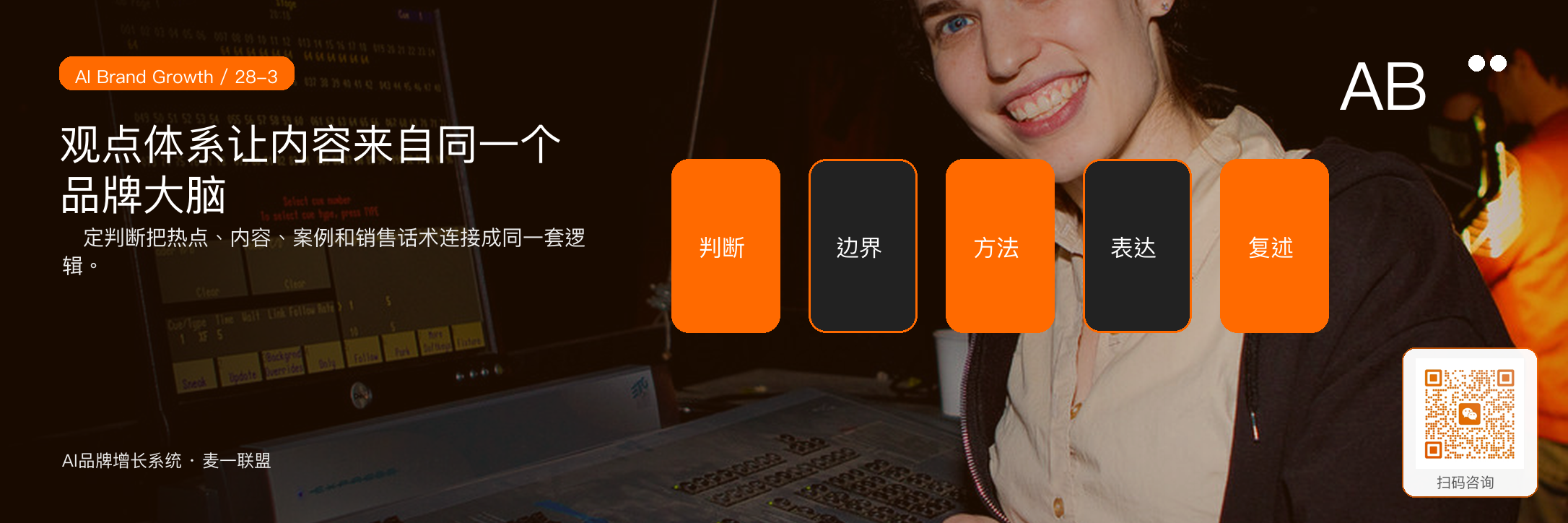
Figure 3: A viewpoint system helps brand content come from one shared Brand Brain
04 | Standard Three: Verifiable Evidence Assets
The third standard is evidence assets. As AI becomes more capable, the author expects customers to be less easily persuaded by polished claims: viewpoints, frameworks, posters and even case presentations can all be generated. Verifiable evidence is what can distinguish a brand.
Evidence is more than success screenshots or favorable customer comments. It includes the customer's original problem, diagnosis, strategic choices, execution, changes at each stage, delivery reviews and results feedback. Customers want to see not how well you present yourself, but whether you have genuinely addressed similar problems.
Many businesses have treated cases as portfolios, showing only final visuals. The proposed standard is to turn cases into trust assets: explain where the customer was stuck, why a particular approach was chosen, how decisions were made, which actions worked, which encountered problems and which methods were learned in the process.
Substantial evidence can reduce customers' sense of risk. Without it, even a large volume of content remains self-description; with it, restrained communication can still feel reassuring. What customers seek is not just a concept, but confidence in the possibility of a useful result.
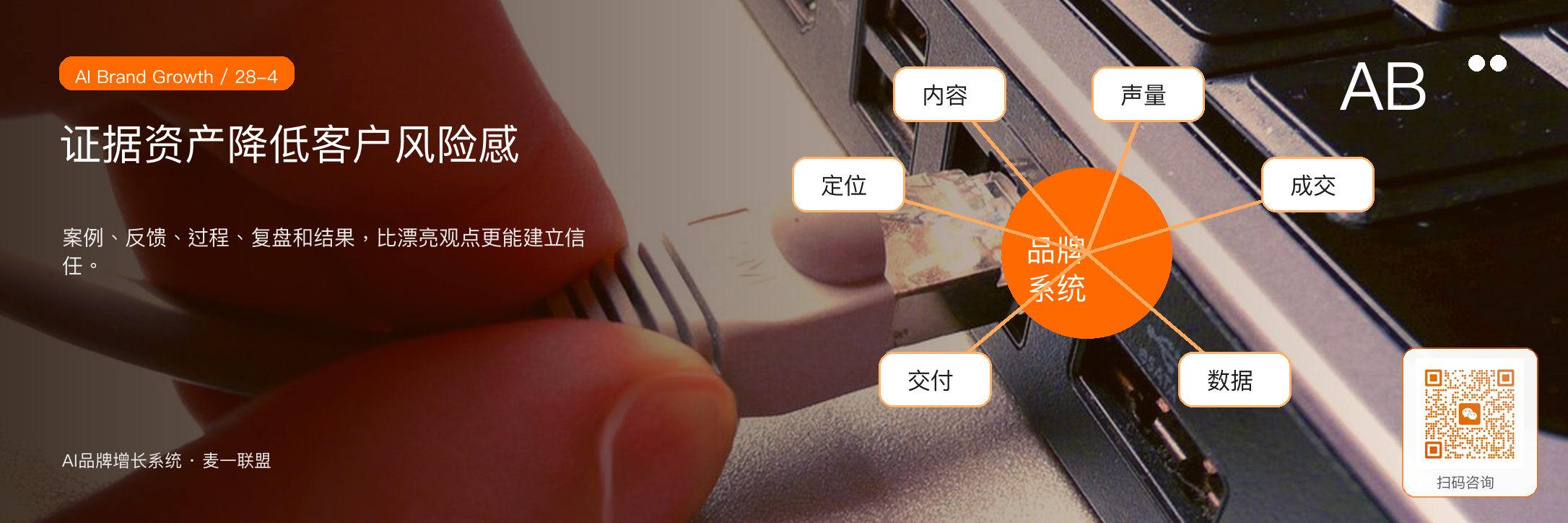
Figure 4: Evidence assets help customers assess whether a brand has genuinely solved similar problems
05 | Standard Four: A Content System for Consistent Customer Contact
The fourth standard is a content system that maintains contact rather than relying on occasional bursts. Many businesses treat content as an event: publish a batch for a new product, a new case or a campaign, then remain silent for a long time. That makes lasting recognition difficult.
The path from first seeing a brand to making an inquiry usually involves more than one encounter. A customer may watch a short video, read a WeChat article, explore several cases and attend a livestream before a particular problem prompts an inquiry. A strong brand needs to manage that entire path of trust.
A content system is not simply daily posting. Different formats have different jobs: short videos provide frequent contact; WeChat articles explain in depth; cases reduce perceived risk; white papers establish authority; content in owned customer channels sustains relationships; and sales materials support the final decision.
When these formats share the same customer problems, viewpoints and evidence, each encounter can deepen understanding. Consistent contact is not just a reminder that you exist. It means that by the time customers need you, they have already received explanations, learned about the issue and seen evidence they can assess.
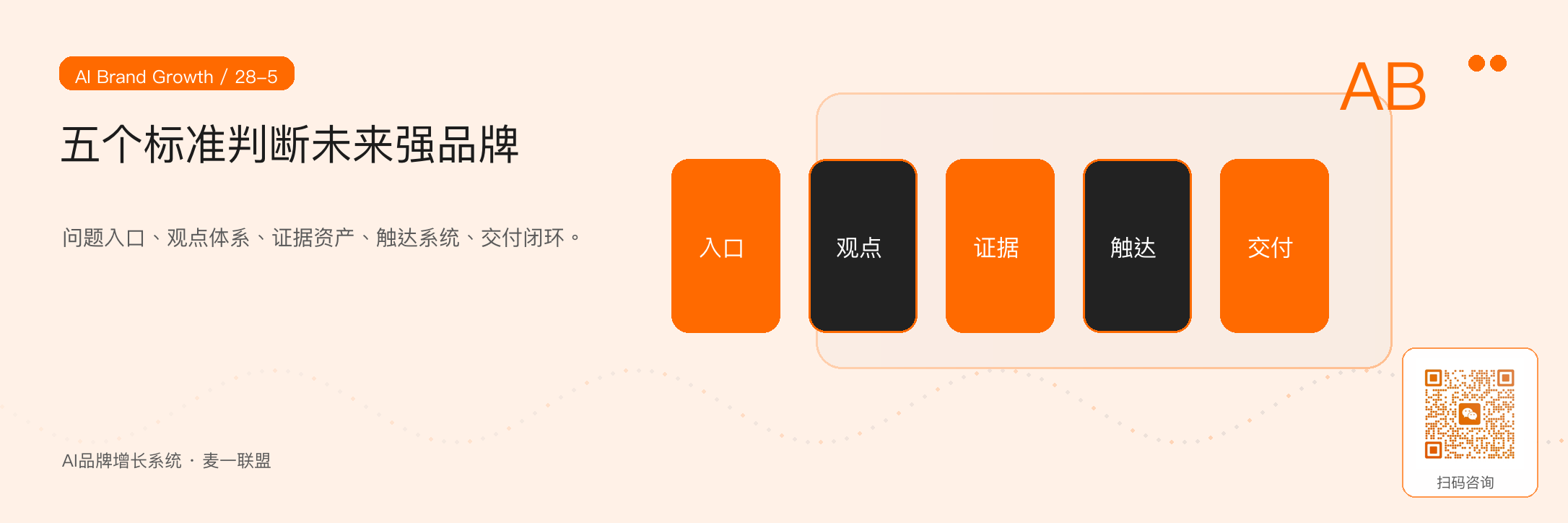
Figure 5: Use the five standards to assess whether a brand is prepared for future competition
06 | Standard Five: Reliable Delivery with a Review and Feedback Cycle
The fifth standard is the ability to turn trust into delivery. Some businesses communicate well before a sale, yet improvise during delivery, skip reviews when projects end and provide an inconsistent customer experience. Over time, this can erode brand trust.
A future strong brand needs more than customer acquisition: it needs reliable delivery. Diagnosis, service boundaries, project cadence, interim deliverables, communication and review methods should be clear. After choosing you, customers should feel they have entered a deliberately designed system, not entrusted their hopes to one person's variable performance.
AI can be valuable here. Businesses can organize service processes, delivery templates, customer questions, project reviews and sales objections in the Brand Brain. Teams can then draw on shared knowledge and methods instead of depending entirely on individual experience.
A dependable delivery and feedback cycle can help brand value accumulate. Customers may approach because of content, then return, refer others or recommend the business because of their experience. In this framework, a genuinely strong brand continues to demonstrate its value after the sale, not only before it.
07 | Assess Your Brand Against the Five Standards
Looking at a business through these five standards can make growth problems clearer. Weak traffic may reflect an unclear customer problem rather than a channel issue. Abundant content without conversions may reflect inconsistent viewpoints rather than insufficient posting frequency. Customer hesitation may reflect thin evidence rather than a price that is too high.
Difficulty closing sales may stem from insufficient explanation and evidence before the inquiry, not weak sales language. Few repeat purchases may reflect an inconsistent delivery experience, not indifferent customers. A brand assessment turns vague growth anxiety into specific breaks in the system.
Start with five checks: can customers describe the problem you solve in one sentence? Do you have more than ten consistent viewpoints? Do you have real cases whose processes you can explain? Do WeChat articles, short videos, owned customer channels and sales materials form a connected content cycle? Do you have repeatable delivery SOPs and a review mechanism?
If two or more areas are weak, the author advises against rushing to increase advertising spend. Spending amplifies the system already in place. If its foundations are unstable, more exposure may bring more poorly matched inquiries, comparisons and resource consumption.
The underlying principle is to keep reducing the risk customers face when choosing. Recognition answers 'Who are you?'; understanding answers 'How do you think?'; trust answers 'What supports your claims?'; continued contact answers 'Why do I keep remembering you?'; and delivery answers 'Does the purchase actually produce a useful result?'
The AI Brand Growth System aims to connect these five elements into growth infrastructure: establish the customer problem, organize viewpoints, collect evidence, build content-based contact, then connect delivery reviews to the Brand Brain. The proposed route to a stronger brand is sustained trust across the system, not a brief wave of attention.
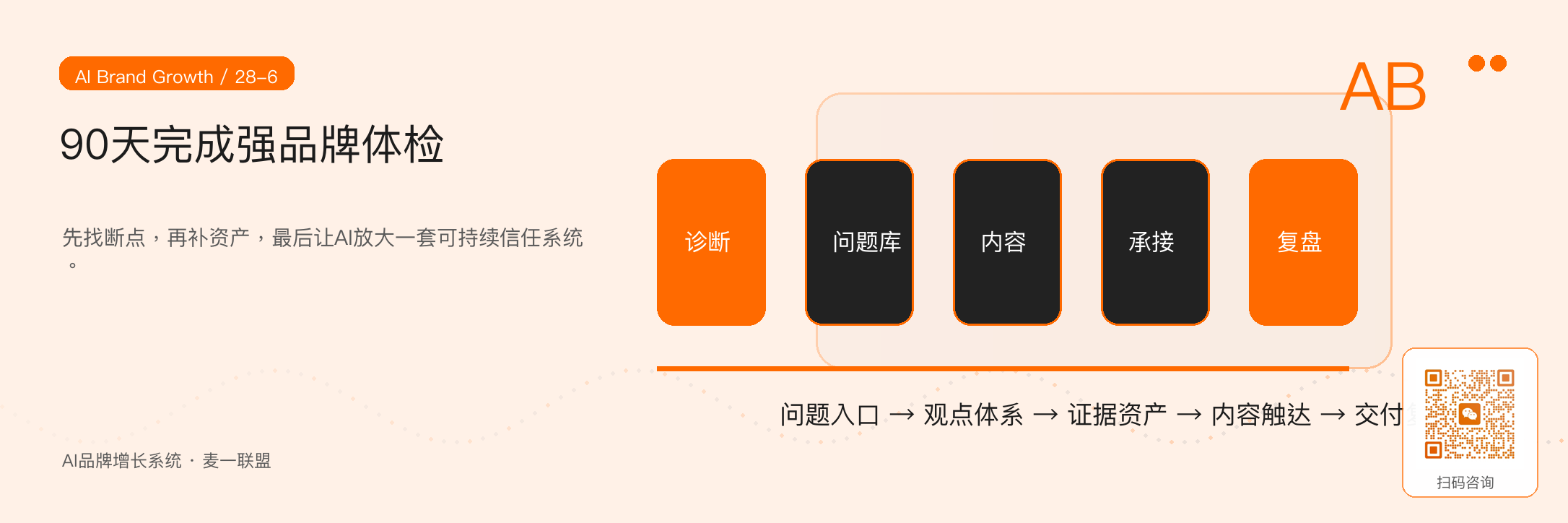
Figure 6: A 90-day implementation plan for assessing brand strength and addressing breaks in the system, not a deadline for guaranteed growth
AI Brand Growth Diagnosis To assess your brand against these five standards, consider starting with an AI brand growth diagnosis. Together, we can review the customer problems you address, your viewpoints, evidence assets, content contact and delivery reviews, identify key breaks, and organize scattered capabilities into a Brand Brain and growth system that AI can help amplify. |