Why Did MAIYI ALLIANCE Propose the AI Brand Growth System?
AI Brand Growth System, Article 29 | Not a response to AI hype, but an effort to reconnect brand, content, traffic, conversion, delivery and repeat purchases into growth infrastructure

Core assessment MAIYI ALLIANCE proposes the AI Brand Growth System not because AI has suddenly become popular or to rename existing services, but because it sees business growth shifting from competition in isolated capabilities toward competition in system efficiency. Relying on advertising, channels, content, design or sales alone is becoming harder. What needs rebuilding is not one tool, but a brand growth system that helps customers understand you, trust you, encounter you consistently and ultimately choose you. This is the author's account and proposed framework, not a guarantee of growth or sales. Original illustrations retain Chinese text. |
01 | We Noticed Breaks in Growth Before We Noticed AI
When people hear 'AI Brand Growth System,' their first reaction is often to ask whether it is a set of AI tools or training in AI copywriting, image creation and video editing. AI can certainly do those things, but they are not the central problem MAIYI ALLIANCE wants to address.
What we first noticed were breaks in growth across many small and medium-sized businesses. Owners were busier, content more plentiful, advertising more expensive, short-video competition more exhausting and design more polished, yet customers were harder to convert. The issue was not a lack of effort, but disconnected efforts that failed to form a system whose value could accumulate.
Earlier growth often depended on one breakthrough: a favorable channel opportunity, a viral video, expanded advertising or an exceptional salesperson could drive a period of growth. With abundant information, more deliberate customers and increasingly similar competitors, the marginal effect of an isolated capability begins to decline.
AI magnifies this issue. It makes content production faster while reducing the value of ordinary content, and makes tools cheaper while narrowing their differences. In the author's view, the opportunity is not to use a few more AI applications than others, but to connect AI to brand, content, sales, delivery and review, creating growth infrastructure that can be developed and amplified over time.
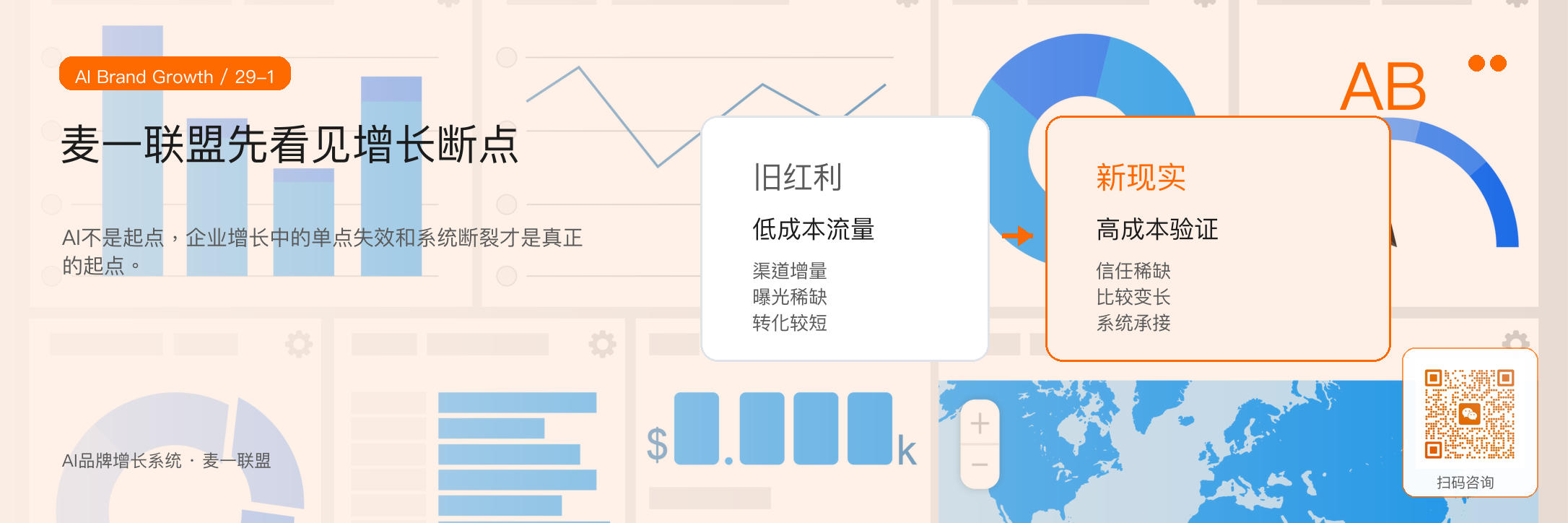
Figure 1: MAIYI ALLIANCE's starting point for the AI Brand Growth System is breaks in business growth, not AI hype
02 | Reason One: Traditional Brand Services Do Not Complete the Growth Cycle
In its experience serving businesses, MAIYI ALLIANCE has repeatedly felt that many have invested in branding without acquiring a working brand system. They have a logo, a visual identity, a brochure and a promising slogan, yet customers still do not know which problem they solve, why they are trustworthy or how they differ from competitors.
Traditional brand services often excel at expression: visual consistency, polished design, a memorable name and complete communication materials. These matter, but when branding stops at expression, it can become an exterior presentation rather than an engine of growth.
What businesses need is a brand system that begins with customer problems. What difficulty is the customer experiencing before seeing you? Can they understand you quickly at first contact? Is there enough evidence to reduce risk when comparing you with competitors? Can sales build on the understanding created before an inquiry? Can delivery fulfill the brand promise after the sale?
The AI Brand Growth System aims to connect that cycle. Branding should not end with a visual identity; it should run through the customer's full path from seeing and understanding to comparing, trusting, inquiring, buying and returning. Without that path, even attractive branding may struggle to support stable growth.

Figure 2: Beyond the expression layer of traditional branding, the AI Brand Growth System addresses the full customer choice process
03 | Reason Two: Content Production Alone Does Not Build Trust Assets
Another common misunderstanding is to equate content-led growth with more posts, more filming, catchier headlines and better account metrics. Businesses hire content teams, develop short-video accounts and follow trending topics. After the initial activity, however, they may find followers without many inquiries and views without consistent sales.
Content matters; the problem is that it has not become a trust asset. Much of it creates one-off exposure, with some traffic on publication day that fades within days. It neither answers customers' central questions nor reinforces the brand's underlying viewpoints, and it provides no reusable material for sales and conversion.
Valuable content should remain useful in the customer decision process. It should show that you recognize the customer's problem, explain your judgment, present evidence of problem-solving and gradually reduce uncertainty through repeated contact.
MAIYI ALLIANCE therefore proposes the AI Brand Growth System not to produce a larger pile of content faster, but to turn content into assets. Articles, short videos, livestreams, cases, white papers and sales materials should draw on the same Brand Brain, forming a trust-asset library customers can understand, teams can reuse and salespeople can consult.

Figure 3: Content needs to become a trust asset to remain useful in customer decisions over time
04 | Reason Three: Paid Traffic and Short Videos Need Connected Follow-Through
When growth stalls, many businesses first increase their budgets: more advertising, more short videos, more platforms and more livestreams. That seems reasonable, because traffic creates opportunities. The practical problem today is that traffic does not automatically become growth.
Traffic is an amplifier. When brand communication is clear, content builds trust, sales materials explain value and delivery supports repeat purchases, traffic can amplify system efficiency. If the starting problem is unclear, content lacks viewpoints, cases lack evidence and sales follow-through is disorganized, more traffic may simply bring more poorly matched inquiries, price comparisons and strain on the team.
The same applies to short videos. They suit frequent contact and wider awareness but cannot carry all brand education alone. A customer may first see you in one video, then need a long-form WeChat article, a detailed case, a livestream explanation, follow-up through owned customer channels and sales materials to make a judgment.
The AI Brand Growth System does not argue for less traffic activity, but for a clear path after arrival. A customer can move from a short video to a WeChat article, from the article to a diagnosis, from diagnosis to a proposal and from the proposal to delivery. Delivery then contributes new cases and reviews. Traffic becomes part of a repeatable growth cycle rather than a brief burst of attention.
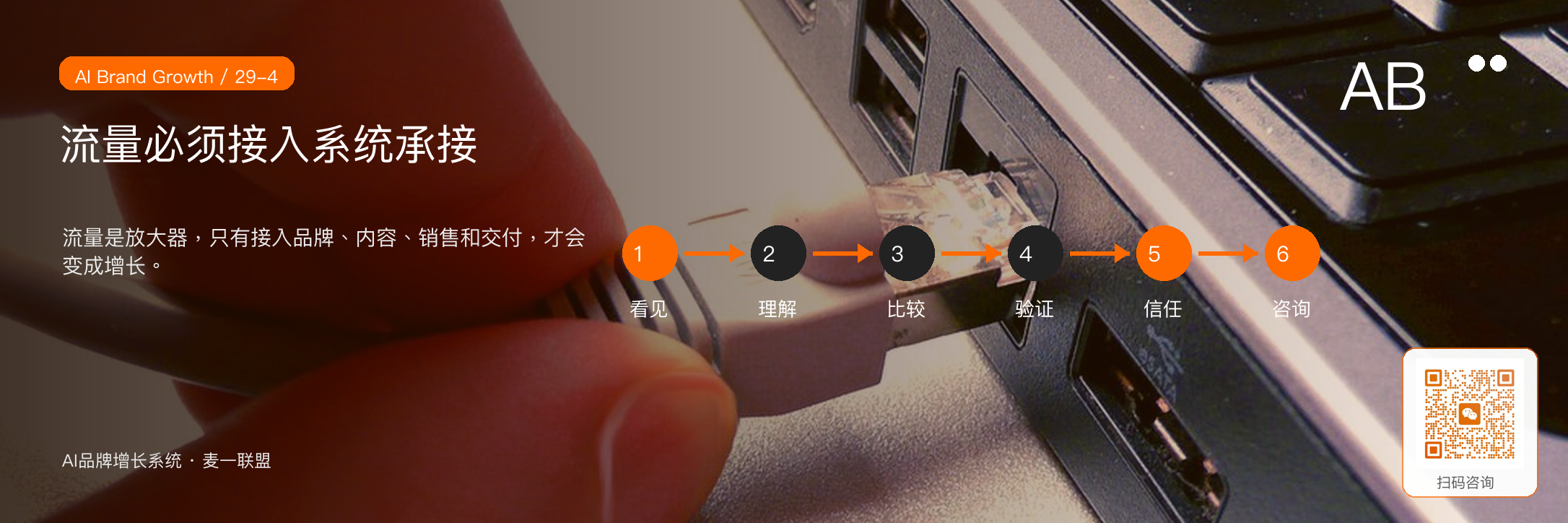
Figure 4: Traffic and short videos need connected follow-through to support the path from exposure to growth
05 | Reason Four: Business AI Adoption Must Go Beyond a Tool List
Over the preceding year described in the original article, many businesses began exploring AI tools: one for copy today, another for posters tomorrow, another for video editing, followed by automation plugins. Efficiency could improve in the short term, yet owners might later find more content and busier teams without genuinely more stable growth.
The reason, in this analysis, is that faster production does not automatically improve judgment. Without a Brand Brain, AI produces more materials. A Brand Brain provides the basis for more consistent viewpoints, more accurate content, materials better aligned with sales and more reliable delivery support.
Businesses need an AI capability foundation, not simply a tool list. It should include libraries of customer questions, brand viewpoints, case evidence, content topics and sales objections, together with service delivery SOPs and review records. Clear underlying assets tell AI what to generate around, who will use it and which business activity the output should support.
MAIYI ALLIANCE's intention is to move AI adoption from using tools to rebuilding systems. AI should help businesses do more than write a few articles: organize knowledge, structure experience, connect content with sales, and link delivery with review.

Figure 5: Business AI adoption needs a reusable capability foundation, not just a tool list
06 | Connecting Scattered Capabilities Through Growth Infrastructure
At first glance, the AI Brand Growth System seems to cover many things: brand theory, building a recognizable public persona, short videos, livestreams, in-house training, product tools and managed brand services. Some may ask whether that scope is too broad.
The author's answer is that these are not arbitrary service additions, but different parts of the same growth infrastructure. Brand theory shapes how a business views growth; a public persona determines who communicates consistently; short videos provide frequent contact; livestreams allow deeper explanation; training builds team understanding; product tools make efficiencies repeatable; and managed services support implementation.
Businesses have often assigned these capabilities to separate providers or teams: brand agencies handle identity, content companies manage accounts, paid-traffic teams acquire customers, training providers deliver courses, sales teams close deals and delivery teams provide service. Each works hard, yet without a shared Brand Brain their efforts struggle to produce cumulative value across the system.
MAIYI ALLIANCE's aim is to reconnect these capabilities. An AI brand growth diagnosis first identifies breaks in the system; brand positioning and viewpoints follow; then a Content Factory and media network are built; sales follow-through and delivery reviews are improved; and AI tools help those assets be reused, updated and amplified continually.
07 | A Starting Checklist for Small and Medium-Sized Businesses
A business does not need a complicated setup to begin building an AI Brand Growth System. The priority is a system assessment that identifies the actual break, not immediately adding more activity.
This explains why many businesses feel they have done everything but growth remains fragmented. They lack a common direction, not activity; they lack a framework that aligns actions with one objective, not suppliers. A clear direction helps budgets, content, sales and delivery work together.
Step one: diagnose growth. Organize the past three months of customer sources, content publication, inquiry records, reasons for sales, reasons for lost business and delivery feedback. Identify whether the problem lies in visibility, understanding, trust, conversion, delivery or repeat purchases.
Step two: organize a customer-question library. Record what customers ask most often, hesitate over, worry about and misunderstand. Good brand content often starts with what confuses customers, not what the business wants to say.
Step three: establish a brand-viewpoint library. Clarify what the business believes, what it challenges, how it judges industry changes and how it explains customer problems. Without this library, content drifts; with it, articles, short videos, livestreams and sales conversations can share an underlying logic.
Step four: build an evidence-asset library. Preserve cases, processes, feedback, data, before-and-after changes and service reviews. Customers will not simply accept claims of professionalism; they will look for evidence that you have genuinely solved similar problems.
Step five: connect content with follow-through. WeChat articles explain in depth, short videos maintain frequent contact, livestreams build relationships, owned customer channels support continued follow-up, sales materials explain value, and delivery SOPs help fulfill promises. None of these works in isolation; all support the customer's choice.
This is why MAIYI ALLIANCE proposes the AI Brand Growth System. Not every business in the AI era needs to become a technology company, but the author argues that businesses seeking long-term growth need a brand system AI can help amplify. The proposed competitive distinction is not owning more tools, but connecting customer problems, brand viewpoints, content assets, sales follow-through and delivery reviews into a system earlier.
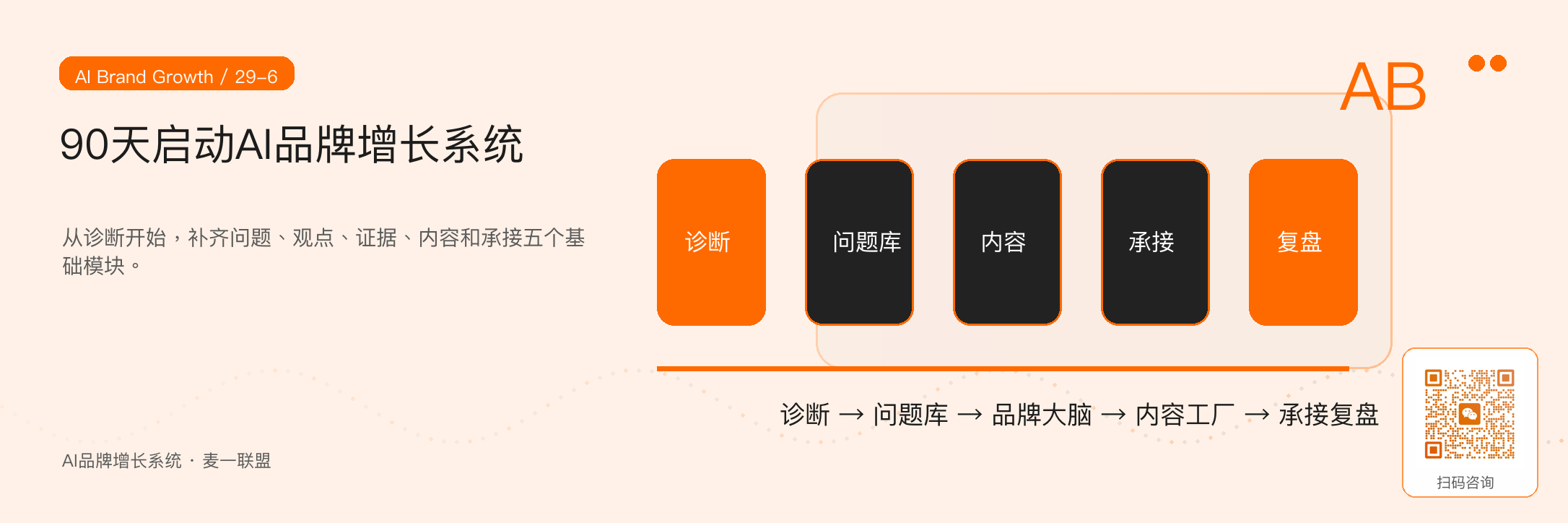
Figure 6: A 90-day implementation plan for small and medium-sized businesses to begin building AI Brand Growth System foundations, not a guaranteed growth timetable
AI Brand Growth Diagnosis If your business has invested in branding, content, paid traffic, short videos and AI tools but growth remains unstable, consider starting with an AI brand growth diagnosis. Together, we can organize customer problems, brand viewpoints, content assets, sales follow-through and delivery reviews, identify breaks in the system and connect isolated actions into a Brand Brain and growth infrastructure that AI can help amplify. |