For Business Owners Anxious About Traffic: Rebuild the Foundations of Growth First
AI Brand Growth System, Article 30 | As advertising becomes more expensive and short video more competitive, the missing piece is not simply more traffic, but the underlying system that turns attention into trust, inquiries, sales and repeat business. Original illustrations retain Chinese text.

Core assessment What looks like traffic anxiety for many business owners is, at root, anxiety about their growth foundations. People may see the business without understanding it. They may inquire without coming to trust it. Sales opportunities may exist, but evidence is missing before the sale and reliable delivery afterward. The author's view is that, in the AI era, traffic becomes more expensive, content more abundant and customers more cautious. Businesses should rebuild their growth foundations before scaling traffic. |
01 | Traffic anxiety is a warning about your growth foundations
When owners talk about growth, their first reaction is often: traffic is so difficult now. Advertising costs are high, short videos receive no recommendations, livestreams cannot retain viewers and owned customer channels are harder to reactivate. Everything seems to point to traffic, yet focusing on traffic alone can make the anxiety worse.
The real issue is that traffic amplifies the growth structure a business already has. If the brand is unclear, content lacks a point of view, case evidence is thin, sales follow-up is disorganized and delivery is inconsistent, more traffic exposes more of those weaknesses.
It is like a pool with many leaks while the business keeps trying to add water. Adding water helps, of course, but unless the bottom is repaired, a larger inflow makes the waste more obvious. The team gets busier, the owner more exhausted, and the market simply seems harder.
That is why MAIYI ALLIANCE emphasizes that businesses can still pursue traffic, but should first ask where people can go after arriving. Can traffic lead into content? Can content establish trust? Can trust prompt an inquiry? Can sales handle that inquiry? Can delivery fulfill the sale? These connections make up the foundations of growth.
A resilient business is not one that never lacks traffic. It can maintain its core business through clear positioning, content assets, customer follow-up, repeat purchases and referrals even when traffic fluctuates. A stronger base makes the business less dependent on platform algorithms and advertising costs.
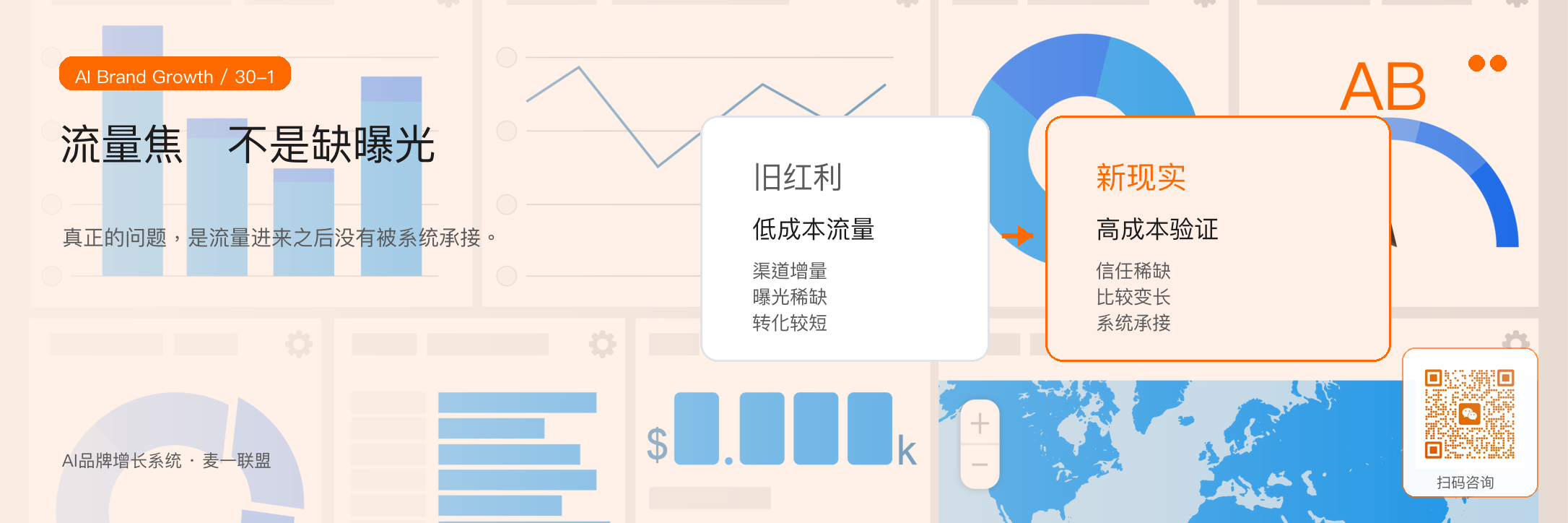
Figure 1: Traffic anxiety often signals weak growth foundations, not merely insufficient exposure
02 | Misconception one: a little more traffic will fix it
When businesses become anxious about traffic, the easiest response is to add budgets, accounts, short videos, livestreams and advertising. More activity can feel like working harder on the problem. But when the underlying system is unchanged, extra activity often means extra waste.
Many businesses do receive exposure, but customers still do not know exactly which problem they solve. A customer encounters the business, thinks it looks decent and scrolls on; visits the profile and finds scattered content; adds the business on WeChat but sees little sustained evidence in Moments; then asks a question that the salesperson must explain from scratch. Trust is lost at every step.
A less obvious problem is mistaking this loss for channel failure. One day the platform is blamed, the next the creative, then the presenter. The business keeps changing people, accounts and tactics without examining the customer's decision journey. Customers have not suddenly become indifferent; each point of contact has failed to give them a sufficiently clear reason to proceed.
Some businesses do obtain leads through advertising, yet lead quality declines, price comparisons become more common and sales follow-up takes longer. The owner may assume the traffic is poorly targeted, when customers have not received enough explanation before arriving or enough evidence afterward.
Traffic is therefore not a cure-all. It is an entry point; growth needs foundations that can support what follows. Without them, more traffic means more leakage. In the author's framework, stronger foundations aim to stabilize conversion efficiency even before traffic rises sharply; this is not a guaranteed result.

Figure 2: Without supporting foundations, more traffic amplifies losses in the system
03 | Foundation one: make the problem you solve clear to customers
The first step in rebuilding growth foundations is to rebuild the problem-led entry point. Much business communication resembles a self-introduction: who we are, what we do, our advantages and our experience. Customers do care about those things, but first they want to know whether you can solve the problem troubling them most right now.
A clearer problem-led entry point makes it easier to give arriving visitors a relevant next step. Questions such as 'Why is advertising ROI falling?', 'Why does so much content produce no conversions?', 'Why does the company become less stable as the owner gets busier?' and 'Why has using AI tools not improved growth?' help target customers recognize their own situation quickly.
Without a clear problem-led entry point, content becomes scattered, the account resembles a general store and salespeople each tell a different story. The more customers see, the less certain they may be about what the business does best.
The first foundation in the AI Brand Growth System is to organize customer problems. Start with customers' real difficulties, build a question library and a library of pain-point scenarios, and distinguish levels of need. Then organize positioning, content topics and sales materials around those problems.

Figure 3: A clear problem-led entry point is the first building block in rebuilding growth foundations
04 | Foundation two: make content a trust asset, not a posting obligation
Many businesses treat content as a posting obligation: publish something today, film something tomorrow and run a livestream over the weekend. Content accumulates and the team gets tired, but customer trust does not necessarily grow with it.
Content's real value is not to demonstrate how hard you work. It is to help customers make judgments. Why would they follow you? Because you articulate a problem they have not clearly expressed, explain changes they do not understand, address concerns before they choose and provide evidence for judging your reliability.
Content that does not inform a customer's judgment is unlikely to inform their actions. Thinking 'that makes sense' after reading does not mean they will inquire. Finding you professional does not mean they believe you can solve their particular problem. Content must connect the problem, the point of view, the evidence and the next action.
Content therefore cannot simply chase trends or metrics. Good content should become a trust asset: an article can explain a central misconception, a short video can address a specific pain point, a case can demonstrate an actual delivery and a livestream can explain a complex issue thoroughly.
When content is produced consistently from a shared Brand Brain, it becomes more than one-off exposure: it can serve as lasting material in the customer's decision journey. It reaches people before they know the business, explains relevant issues before they inquire, provides evidence as they compare options and helps establish initial trust before a purchase.
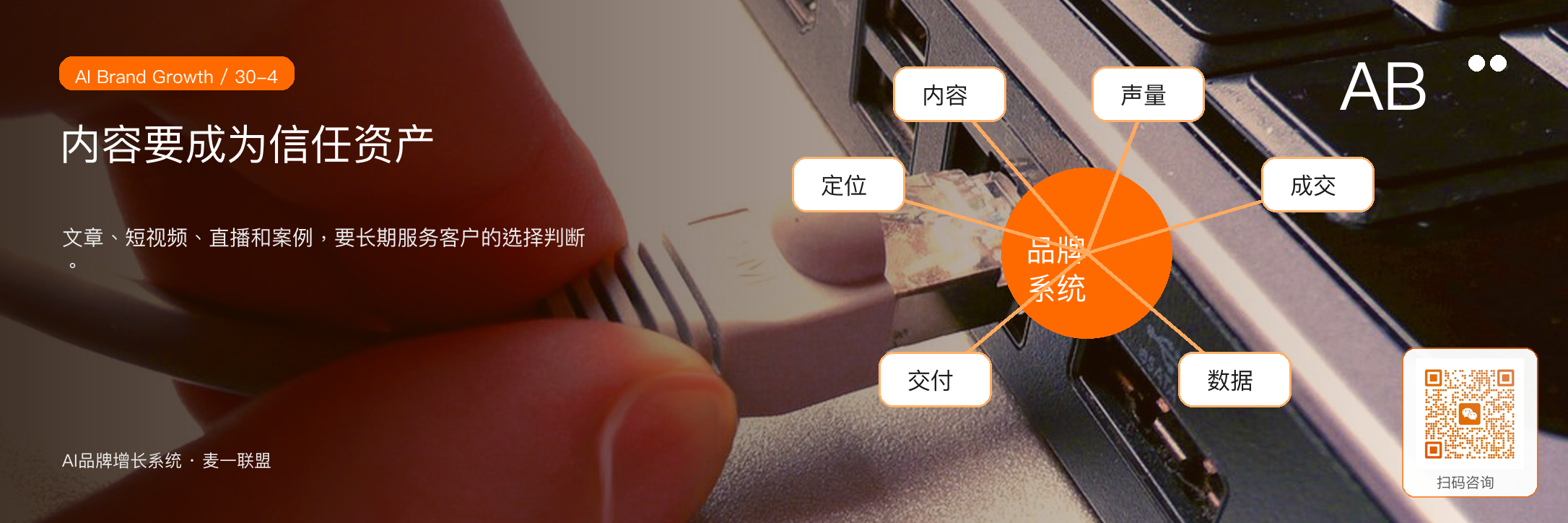
Figure 4: Content must become a trust asset to influence customer decisions over time
05 | Foundation three: give inquiries a deliberately designed follow-up path
Many businesses work hard to obtain inquiries, only to lose opportunities during follow-up. A customer asks about price and the salesperson replies with a quote. The customer says they will think about it and the team can only wait. A concern arises and the salesperson must improvise from personal experience.
This is not necessarily a lack of sales effort; the follow-up path has not been designed. Between first noticing a business and purchasing, customers usually move through understanding, comparison, verification, trust and decision-making. Each stage should have suitable content, cases, talking points, diagnostic forms, proposal templates and a follow-up cadence.
If initial content explains one logic and sales follow-up uses another, customers experience an inconsistent brand. Good follow-up lets customers encounter the same viewpoints, evidence and path across WeChat Official Accounts, short videos, livestreams, owned customer channels and sales conversations.
AI can play a useful role here. A business can place common questions, customer objections, case evidence, proposal structures and sales talking points in its Brand Brain. Salespeople can then draw on a reusable follow-up system rather than relying entirely on individual improvisation.
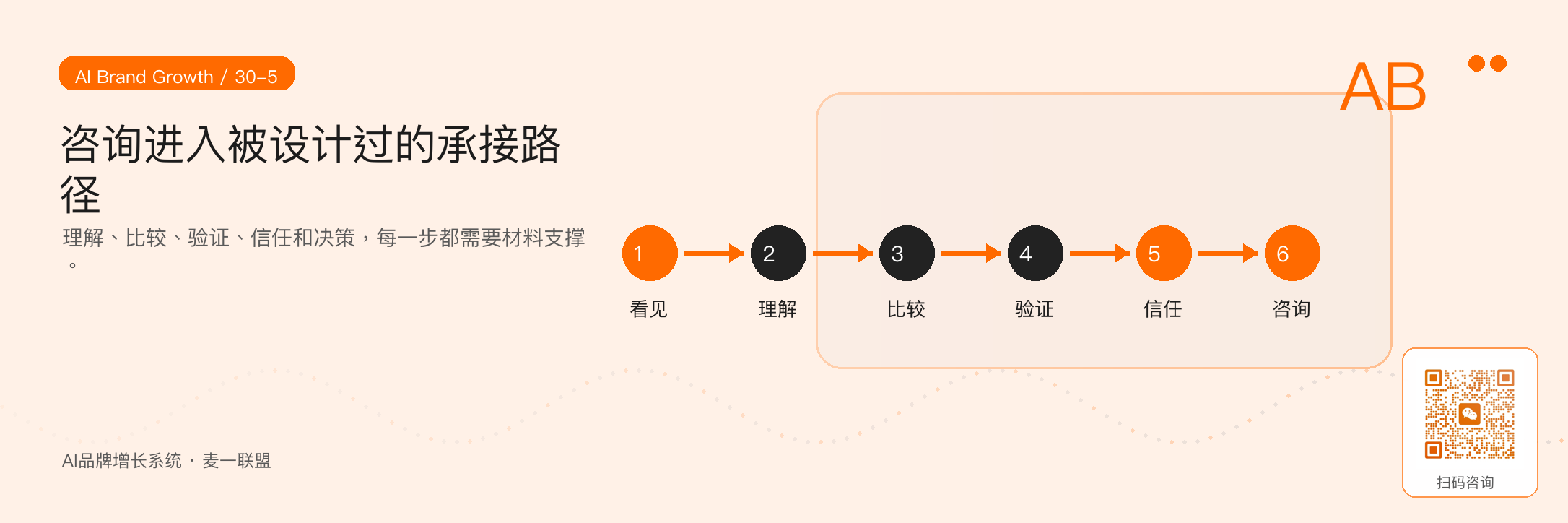
Figure 5: Inquiry follow-up needs a continuous, designed path rather than improvisation
06 | Foundation four: delivery and review must support the brand after the sale
Many businesses see growth as something that happens before a sale. Once the customer pays, they consider growth complete. Yet brand growth does not end at payment; delivery is where its substance begins to be tested.
An inconsistent delivery experience can quickly consume the trust built earlier. A customer may trust your content and choose you after a sales conversation. But if the project is disorganized, communication unclear and results impossible to review, that customer has little reason to choose you again or recommend you.
What appears to be unstable customer acquisition may be a failure to feed delivery experience back into the earlier stages. Projects end without a record of the process, organized feedback, lessons turned into methods or successful experience incorporated into the next round of content. Each sale then feels like starting over, making cumulative brand value difficult to build.
Growth foundations must therefore include delivery SOPs and a review mechanism. Define the service process, stage outputs, communication milestones, acceptance criteria, issue records and review templates. More consistent delivery makes cases easier to document; clearer cases give the next round of content and sales stronger evidence.
This is the distinction between systematic growth and an isolated sale. An isolated sale relies on an opportunity; systematic growth aims to build cumulative value. Every delivery should feed back into the Brand Brain as new cases, questions, content and sales assets.
07 | A 90-day plan to rebuild growth foundations: start with five actions
Here is a suggestion for business owners who remain anxious about traffic: over the next 90 days, do not begin by asking whether to change platforms, increase budgets or pursue new tools. First ask whether your growth foundations have been repaired. This is an implementation planning window, not a deadline for promised growth.
First, conduct a growth diagnosis. Review the past three months of traffic sources, inquiry records, reasons for purchases and losses, customer feedback and delivery problems together. Determine whether growth is stalled at visibility, understanding, trust, conversion, delivery or repeat purchase.
Second, build a customer-question library. Organize customers' most frequent questions, their greatest concerns, common misunderstandings and the outcomes that matter most to them. Future content topics should prioritize these real questions.
Third, build a brand-viewpoint library. Clarify how the business understands its industry, customer problems and changes in growth. Without a point of view, content is information; with one, it can become a brand asset.
Fourth, build an evidence and follow-up library. Organize case processes, before-and-after changes, customer feedback, service processes, common objections and proposal templates into material salespeople can use directly, giving each inquiry a clear path.
Fifth, connect delivery reviews with content and sales. At the end of each project, go beyond an internal summary: create cases, methods, question lists and knowledge-base entries. This is how the framework aims to deepen the brand, make content more relevant and make sales follow-up more consistent.
These five actions do not require a large team. An owner, an operator and a salesperson can start by organizing questions, viewpoints, evidence, talking points and reviews in spreadsheets and documents. Once those underlying assets become clearer, introducing AI tools can improve efficiency instead of amplifying disorder.
Traffic anxiety is not necessarily a bad thing; it alerts a business that its old growth approach may be losing effectiveness. The answer is not to keep chasing the next wave of traffic, but to rebuild the foundations first. Stable foundations give AI a basis for improving efficiency, content a basis for becoming an asset and traffic a path from cost toward growth.

Figure 6: Use a 90-day plan to rebuild the basic growth foundations before scaling traffic
AI Brand Growth Diagnosis If traffic anxiety describes your situation, consider an AI Brand Growth diagnosis first. Together, we will review traffic sources, customer problems, brand viewpoints, content assets, sales follow-up and delivery reviews to find the real gaps in growth. The aim is to turn that anxiety into foundations you can repair, build on and support with AI. |