What is the AI Brand Growth System?
AI Brand Growth System, Article 31 | Not a list of AI tools, but growth infrastructure connecting the Brand Brain, content assets, audience reach, sales follow-up and delivery reviews. Original illustrations retain Chinese text.

Core definition The AI Brand Growth System does not simply ask a business to use more AI software, nor does it repackage branding services, outsourced content operations or short-video advertising. It is growth infrastructure centered on the Brand Brain, beginning with customer problems, using content assets to build trust before contact, and closing the loop through sales follow-up and delivery reviews. It addresses not just 'How can we produce content faster?' but 'How can a brand continue to be understood, trusted and chosen?' |
01 | First, be clear: it is not a list of AI tools
On first hearing about the AI Brand Growth System, many people naturally imagine a collection of tools: AI for WeChat articles, short-video scripts, posters, video editing and automated customer replies. Tools matter, of course, but stopping at the tool layer can easily lead in the wrong direction.
Tools can increase production speed; they do not automatically improve brand judgment. Without clear positioning, AI can help you say many unfocused things faster. Without consistent viewpoints, it can generate similar content in bulk. Without cases and evidence, even polished AI writing may fail to win customer trust.
The system's first boundary is therefore this: AI is not the central character; the system is. AI's value is not to perform a collection of isolated tasks for the business, but to structure its existing experience, knowledge, cases, content, sales talking points and delivery reviews, then help extend their use.
If a business lacks a Brand Brain, chasing tools first can amplify confusion. If it establishes the underlying system before introducing AI, AI has a basis for becoming an efficiency engine.

Figure 1: The AI Brand Growth System is not a tool list, but the underlying system that determines how tools are used
02 | At its heart, the AI Brand Growth System is growth infrastructure
To understand the AI Brand Growth System, first consider the word 'infrastructure.' Infrastructure may not be visible every day, but it shapes daily operating efficiency. For a business, the connections among brand, content, traffic, conversion, delivery and repeat purchase constitute growth infrastructure.
In many businesses, growth activities have historically been fragmented: a branding agency handles visuals, a content team runs accounts, an advertising team acquires prospects, sales closes deals and delivery provides service. Everyone works hard, but without a shared Brand Brain, customers encounter disconnected information.
The AI Brand Growth System seeks to reconnect these activities. Why would a customer notice you, understand you, trust you, feel comfortable inquiring, ultimately choose you, and then buy again or recommend you? Each part of that journey needs deliberate design.
In the author's account, this is its central distinction from conventional branding services or outsourced content operations. A conventional service often delivers a stage-specific output, while growth infrastructure must keep running. Ordinary content often addresses one publication, while system-based content should keep accumulating value. Advertising often measures current conversions, while systematic growth also asks whether trust assets can be reused.
It is therefore not a single-point service but a way of connecting activities. Content should be more than exposure, traffic more than leads, sales more than scripts and delivery more than finishing a project. Each activity should contribute to the accumulation of brand trust.
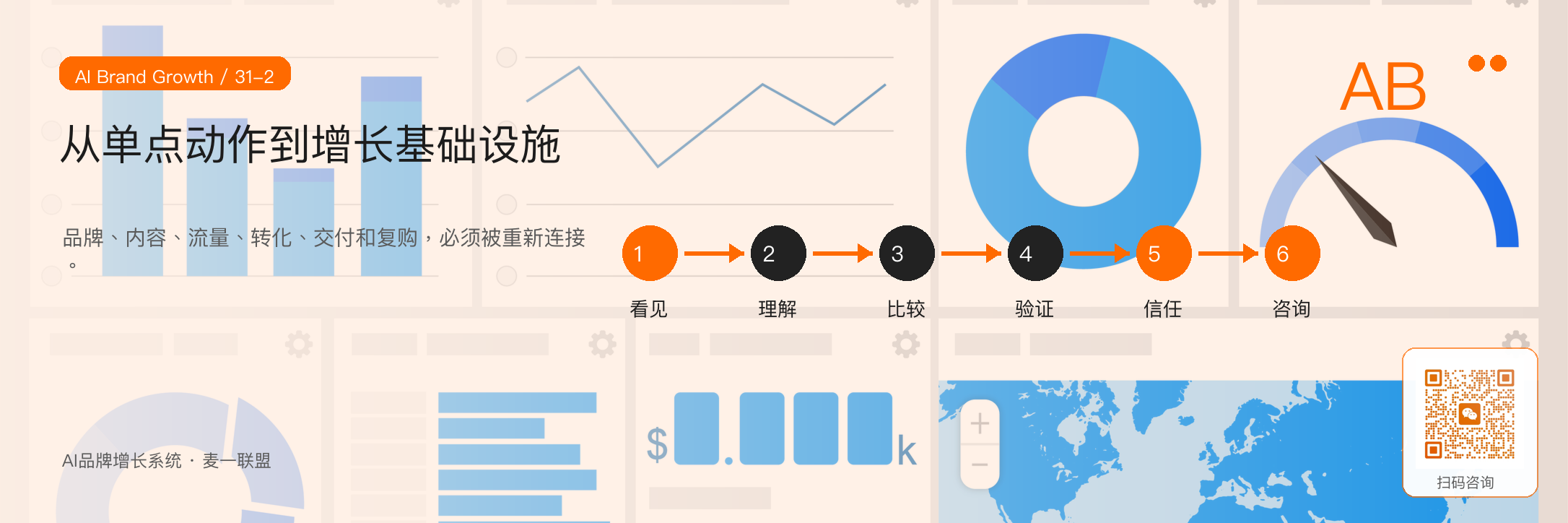
Figure 2: Businesses need to move from competing through isolated activities toward competing through growth infrastructure
03 | Its core is a Brand Brain that AI can draw on
The center of the AI Brand Growth System is not an account, an advertising dashboard or a short-video script library. It is the Brand Brain: the shared knowledge that shapes how the business understands customer problems, expresses its value, explains industry changes and demonstrates reliability.
The Brand Brain should contain at least four types of material: a customer-question library, a brand-viewpoint library, a case-evidence library and a sales-follow-up library. Customer questions reveal where customers are stuck; brand viewpoints explain how to assess those problems; case evidence gives customers reasons to trust; sales-follow-up material helps the team carry trust through the purchase process.
With a Brand Brain, AI has a clear basis for generation. It does not write articles at random, but around customer questions; it does not create short videos at random, but around viewpoints; it does not generate arbitrary sales scripts, but draws on evidence and objection handling.
Inconsistent content often reflects not a shortage of creativity but a missing shared knowledge center. Without a Brand Brain, a business depends on individual improvisation; with one, it can reuse a system. AI's value is to make that knowledge easier to retrieve, refine and apply in business activities.
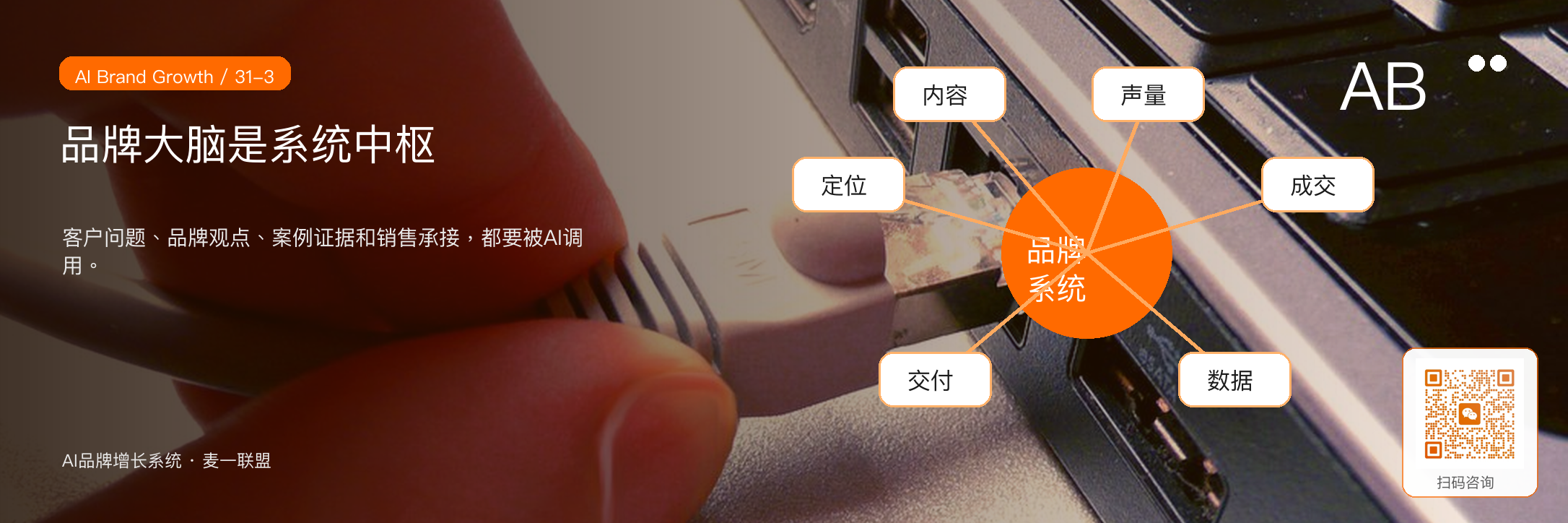
Figure 3: The Brand Brain coordinates the AI Brand Growth System and supports consistency between content and follow-up
04 | Its scope covers the journey from first exposure to repeat purchase
The AI Brand Growth System does not attempt to solve every management problem. It focuses on a critical journey: from a customer's first encounter with the business through understanding it, comparing alternatives, developing trust, making an inquiry, purchasing, experiencing delivery, buying again and making referrals.
Value can be lost at every stage. Seeing you does not mean understanding you; understanding does not mean trust; trust does not mean an immediate inquiry; an inquiry does not mean sales can handle it; a sale does not mean delivery will fulfill the promise; and completed delivery does not mean repeat purchases or recommendations.
Traditional responses often address these issues separately: buy traffic when exposure is low, post daily when content is scarce, change talking points when inquiries are insufficient and run promotions when repeat purchases are low. The AI Brand Growth System first asks whether these activities connect and whether customer trust develops at each step.
A WeChat Official Account article, for example, should do more than generate reads; it should also help sales explain an issue. A short video should do more than accumulate views; it should lead customers toward deeper understanding. A delivery should do more than complete a project; it should contribute to future content, cases and evidence relevant to repeat business.
Its boundary is therefore clear: it does not replace all business management, but rebuilds the brand-growth journey. Key activities influencing customer choice, trust, purchases and repeat business belong in that system.

Figure 4: The system covers the customer's complete decision journey from initial exposure to repeat purchase
05 | Its architecture: one brain, four libraries and six stages
A simple model for the AI Brand Growth System is 'one brain, four libraries and six stages.' The brain is the Brand Brain. The four libraries are customer questions, brand viewpoints, content assets and case evidence. The six stages are positioning, content, reach, follow-up, delivery and review.
The Brand Brain provides shared judgment so that each channel does not tell a different story. The customer-question library defines entry points that let target customers recognize their own situation. The brand-viewpoint library develops a methodology so that content is not fragmented information. The content-asset library supports sustained output and explanation across touchpoints.
The case-evidence library addresses perceived risk by showing where the business has actually solved similar problems. Reach brings content to customers. Follow-up gives inquiries a clear path. Delivery fulfills agreed commitments. Review returns the results to the Brand Brain as reusable knowledge.
A simple test of whether this architecture exists is whether the team can explain the brand using shared materials, produce ongoing content around shared questions, use the same evidence in sales follow-up and turn delivery results into new assets.
The architecture may look straightforward, but connecting its parts is difficult. Many businesses already have content, cases, sales and delivery capabilities, yet those assets lack a common center. The AI Brand Growth System seeks to connect these separate capabilities into a reusable system.
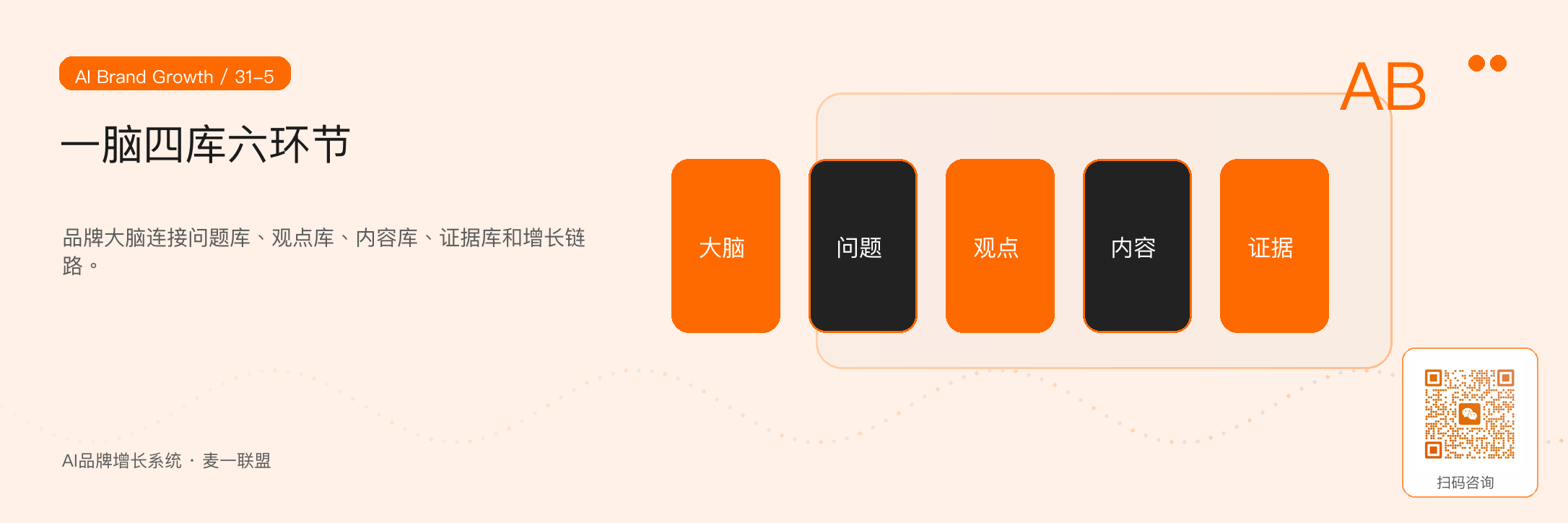
Figure 5: One brain, four libraries and six stages describe the system's basic architecture
06 | Its cycle: diagnosis, asset building, production, reach, follow-up and review
An effective system cannot exist only in documents; it needs a working cycle. The AI Brand Growth System's cycle has six steps: diagnose problems, build reusable assets, produce content, distribute across channels, follow up through sales and review delivery.
Diagnosis identifies where business growth is stuck. Asset building organizes customer questions, brand viewpoints, case evidence, sales objections and service processes into usable material. Content production combines AI and team capabilities to turn those assets into WeChat articles, short videos, livestreams, sales materials and content for owned customer channels.
Asset building is the step most easily overlooked. Without it, each piece of content starts from scratch, each sales training repeats the same explanations and delivery reviews remain informal experience. When knowledge is properly captured, AI has material to learn from and the team has methods it can reuse.
Multi-channel reach means sustained content across WeChat Official Accounts, Channels, Moments, livestreams and communities. Sales follow-up gives customers a designed path after an inquiry. Delivery review turns the post-sale process, feedback and results into material for the next round of content and cases.
As these six steps repeat, the framework aims to reduce dependence on a single viral hit or exceptional salesperson. Each content output, customer conversation and delivery review can deepen the Brand Brain and provide a firmer basis for the next cycle of growth.
07 | How a business can start its first AI Brand Growth System
A business does not need to start at a large scale. The essential first step is to establish a working system rather than pursue automation and scale immediately.
Step one is a brand-growth diagnosis: review positioning, content, traffic, inquiries, sales, delivery and review practices to find the most important breaks in the system. Step two is to build the Brand Brain, organizing customer questions, brand viewpoints, service strengths, case evidence and sales objections into a foundational knowledge library.
Step three is to plan content assets, aligning long WeChat articles, short-video scripts, livestream topics, case analyses, owned-channel material and sales documents around the same logic. Step four is to design the follow-up path: where customers first encounter you, how they learn more, how they inquire and which materials build trust afterward should all be planned in advance.
This cannot be merely a content calendar; it needs to map customer decisions. Specify which content attracts attention, explains problems, demonstrates capability or encourages inquiries, and which materials support sales. Each should have a clear role.
Step five is to bring delivery reviews into the system. When a project ends, go beyond an internal summary and create cases, methods, feedback records, question lists and knowledge-base entries. The system can then accumulate useful assets rather than start over each time.
So what is the AI Brand Growth System? In one sentence, the author describes it as an operating system for business brand growth in the AI era. It gives the brand a shared knowledge center, content a direction, traffic a follow-up path, sales evidence, delivery a way to feed experience back and repeat business a basis for cumulative value. In this view, it is not optional packaging for small and medium-sized businesses, but an underlying capability for continuing to be chosen. Starting earlier creates more opportunity to accumulate system assets, and reviewing earlier creates more opportunity to improve.
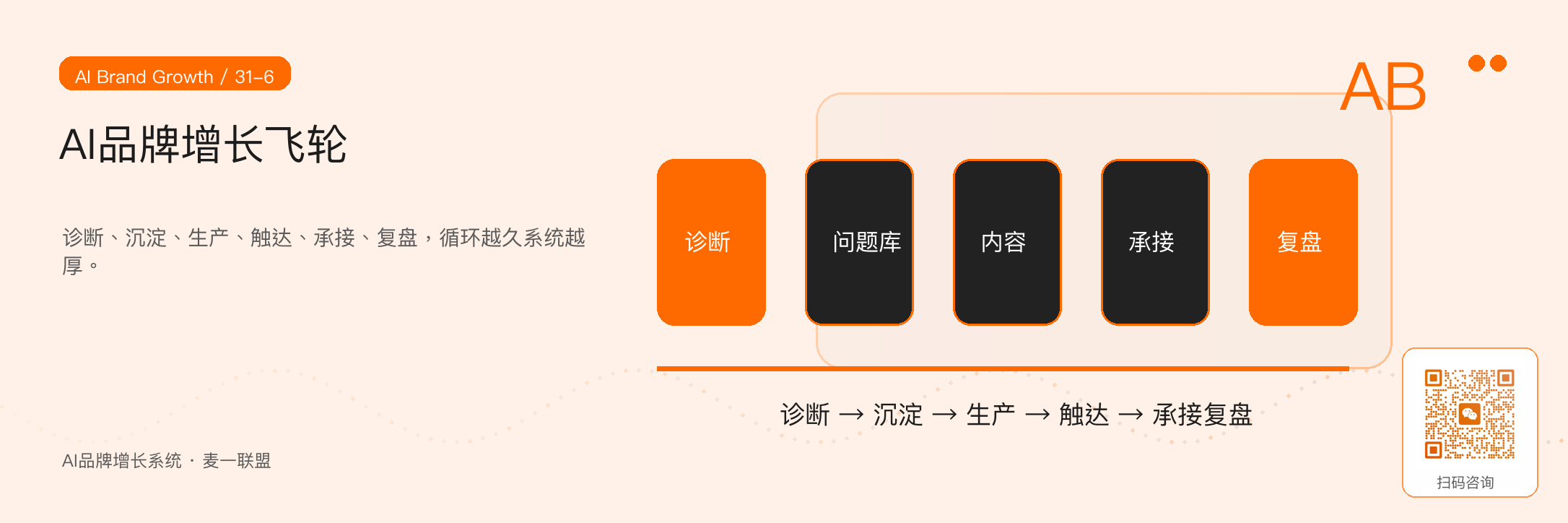
Figure 6: The AI brand-growth cycle connects diagnosis, content, follow-up and review in an ongoing loop
System-building consultation To establish your first AI Brand Growth System, you can begin with a system-building consultation. Together, we will review brand positioning, customer questions, content assets, sales follow-up, delivery reviews and the way AI tools are used. The aim is to build the Brand Brain first, then develop growth infrastructure that supports sustained output, team reuse and AI-assisted work. |