AI Tools Without an AI System: How Many Businesses Does This Describe?
The AI Brand Growth System, Article 33 | As tools multiply, growth depends less on a feeling of efficiency than on whether the brand brain, content assets, and follow-up path work together. Original illustrations retain Chinese text.

Core assessment Many businesses already use AI, but use it as a toolbox for producing fragments faster. Articles, posters, short videos, customer-service bots, digital presenters, and prompts keep multiplying, while the brand remains unclear, sales remain difficult, and delivery remains inconsistent. The real question is not whether a business can use tools, but whether those tools belong to one system. Customers do not see a technology stack; they experience a growth path that either helps them understand the business or does not. |
01 | Start with what is happening: many tools, but growth is still fragmented
A common pattern in recent years goes like this: an owner tells the team to adopt AI, so the team looks for software. The content team gets a writing tool, design gets an image tool, sales gets a script tool, and customer service adds automatic replies. Everyone appears to move faster, but each person is still working independently.
Output seems to increase, yet customers encounter a different kind of confusion. The public account says one thing, short videos say another, sales tells a third story, and delivery changes it again. Customers are interrupted rather than persuaded. The more this happens, the more likely a business is to think it needs yet another tool.
Adding another layer of tools usually amplifies the fragments. The important question is not whether the business has more AI, but whether its AI activities follow the same brand judgment.
A clear sign of fragmentation is that customers can tell you are “very busy” but cannot tell that you are “clear.” Inside the company, people talk about activities; outside, customers still hear vague promises.
What looks like a tool problem may actually be an undesigned customer-understanding path. The more information customers encounter, the higher the effort required to understand it when sequence and evidence are wrong.
Customers do not need to see more activity. They need to understand your problem, perspective, and evidence sooner. If AI cannot shorten that path, more tools may simply create more noise.
A tool is valuable not because it makes a business look more advanced, but because it helps customers form a judgment sooner. If it cannot shorten the path to understanding, strengthen evidence, and support inquiries, additional tools may amount to surface-level work.
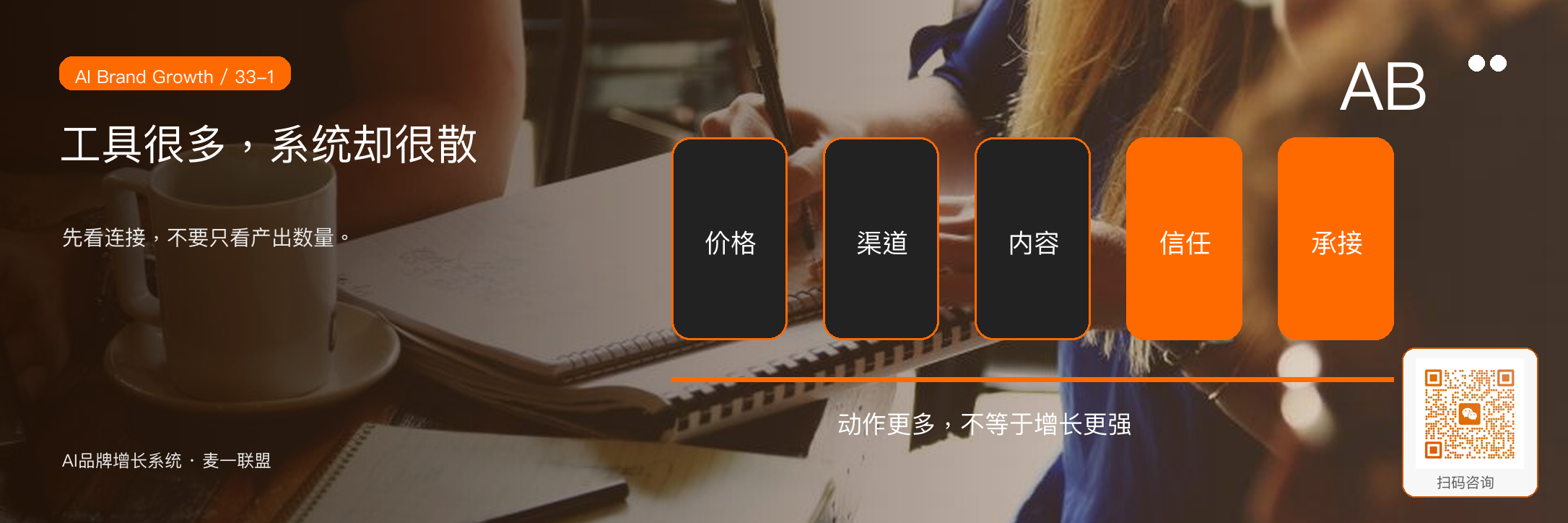
Figure 1: More tools do not make a stronger system; what matters is whether activities connect into a coherent chain
02 | Why having tools without a system can make work busier and more chaotic
Tools can only amplify the structure already in place. If positioning is unclear, AI can multiply vague messages; if perspectives keep shifting, AI can write those shifts faster; if case evidence is thin, AI can produce polished but empty copy more efficiently. Teams become busier while customers understand less.
Many businesses think they lack execution speed, when what they lack is a decision-making center. Without one, content teams do not know which problems to address, sales does not know which evidence to use, and delivery does not know what learning to feed back. More tools can make coordination harder.
That is why many “AI upgrades” deliver higher production efficiency without more dependable growth. Efficiency and growth are not the same. The former means doing tasks faster; the latter means helping customers move from noticing a business to choosing it.
Without a decision-making center, teams use tools in place of strategy, processes in place of perspectives, and templates in place of answers. Eventually even the owner may only feel that things run more smoothly, without being able to explain why growth is more dependable.
Businesses that keep adding tools and feel increasingly exhausted may be treating tools as strategy, efficiency as growth, and automation as a system. These are not equivalent.
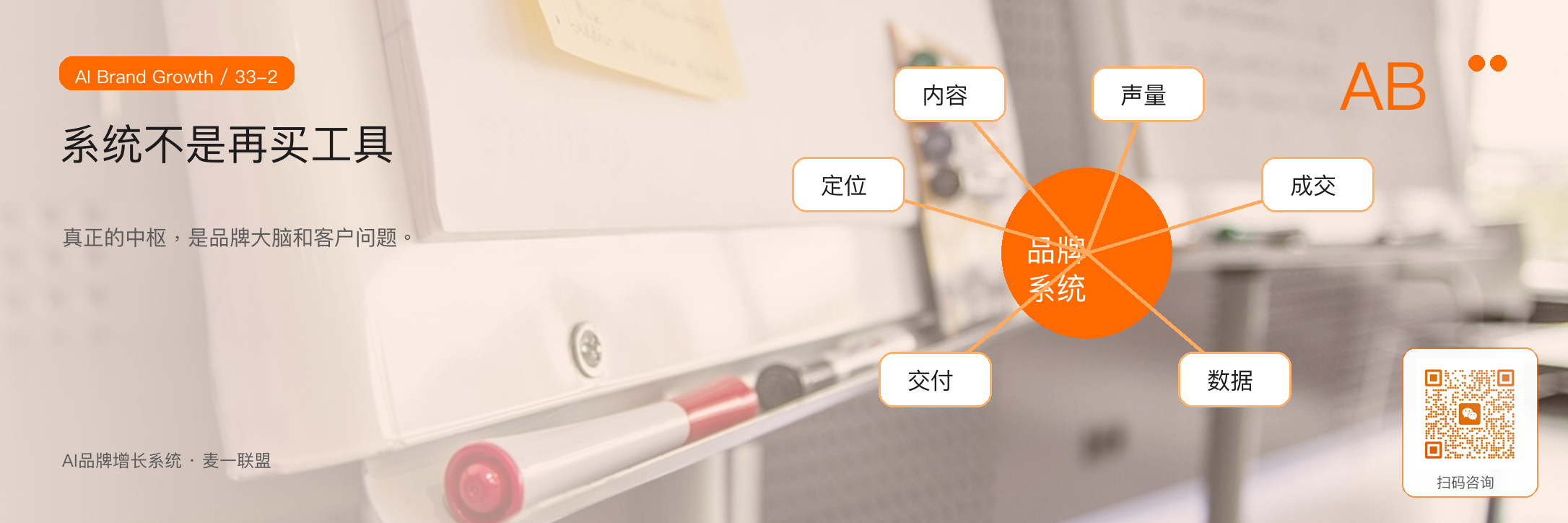
Figure 2: At the heart of a real AI system are the brand brain and customer-question hub, not the tools
03 | What layer should AI tools actually serve?
A real AI system does not use tools to replace people. It puts them in service of five connected layers: the brand brain, content assets, customer reach, sales follow-up, and delivery review. The tools should help these layers work together.
The brand brain guides judgment: what problems, perspectives, and evidence belong to the business. Content assets shape expression so different touchpoints communicate consistently. Customer reach helps the business show up; sales follow-up responds to interest; and delivery review turns outcomes into assets for the next cycle.
Once these relationships are in place, AI has a more useful role. It no longer merely helps write an article or create an image; it helps translate a set of judgments into content, sales language, cases, and processes over time.
The better investment is often not another batch of tools, but connecting tools to knowledge, case, and follow-up resources. AI is good at acceleration, not at proving a business’s claims. A system helps put things in context and retain what has been learned.
A more useful sequence is to organize knowledge, cases, and processes into a resource that can be retrieved, then ask a model to expand, adapt, and reuse it—not the other way around.

Figure 3: Connect the customer decision journey so content, evidence, and follow-up support one path
04 | Four common tool-driven illusions in business
The first is false busyness: the team publishes content every day and the owner sees new output, but there is no through-line, so customers still do not know what the business solves. The second is false activity: accounts post more often and the metrics look better, but inquiry quality has not clearly improved.
The third is false automation: a business installs service bots, digital presenters, and prompt libraries, then assumes it has become systematic, when it has only made repetitive actions happen faster. The fourth is a false sense of upgrading: pages look more polished, images more sophisticated, and language more AI-like, but customers still ask, “How are you different?”
All four illusions pursue surface efficiency without answering the customer’s decision question. Customers do not buy tools; they value clearer understanding, more credible evidence, and more dependable outcomes.
The danger is mistaking these illusions for having “systematized” the business. Once that happens, more budget may go to shinier tools while the missing brand brain, evidence library, and review mechanism remain unaddressed.
If you watch only surface metrics, you can miss the system’s weak points. Content volume may rise without better-quality inquiries; a more attractive page may fail to support more dependable sales.
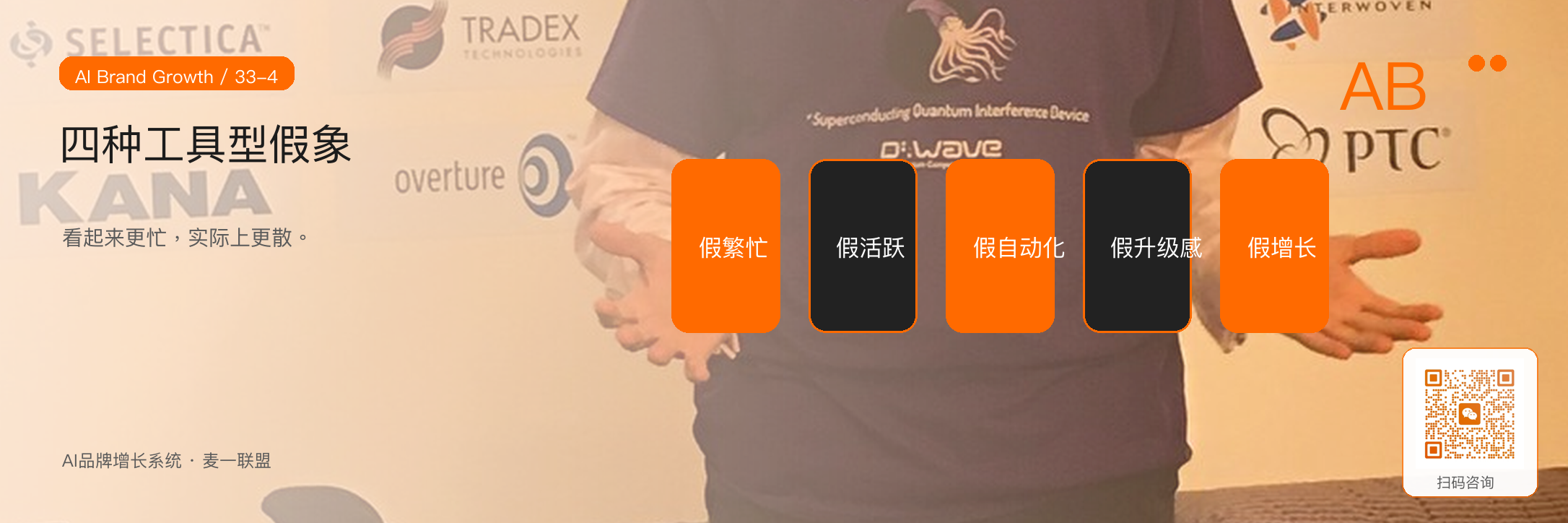
Figure 4: Four common tool-driven illusions—busyness, activity, automation, and a feeling of upgrading—may all be misleading
05 | How should a real AI system connect tools into a chain?
A real system starts with customer questions. Understand why customers hesitate, compare options, hold back from buying, and return after a purchase. Then organize those questions into brand perspectives, content themes, case evidence, and sales follow-up.
Only then does AI enter production: turn questions into long-form articles, perspectives into short videos, cases into livestream scripts, evidence into sales material, and delivery outcomes into new content. One activity can then serve a connected journey rather than a single use.
A system’s strength is not how polished each isolated output looks, but how well learning flows back. Every inquiry, delivery, and repeat purchase can inform the brand brain, leading to more relevant content, more consistent follow-up, and clearer decisions in the next cycle.
When customer inquiries, sales conversations, project delivery, and repeat purchases can all be explained using shared resources, the system begins to create positive feedback. Content becomes an entry point to the growth journey, not a one-off publication.
Once a connected path works, AI can shift from “helping you do tasks” toward “helping the business accomplish something.” The difference is not the model; it is whether the system has laid out the path first.
Once a connected path works, AI can shift from “helping you do tasks” toward “helping the business accomplish something.” The difference is not the model; it is whether the system has laid out the path first.
When this is working, a business may notice that customers stop asking which tools it uses and start asking why it can help solve their problem more dependably. That is when AI begins to enter the business itself.
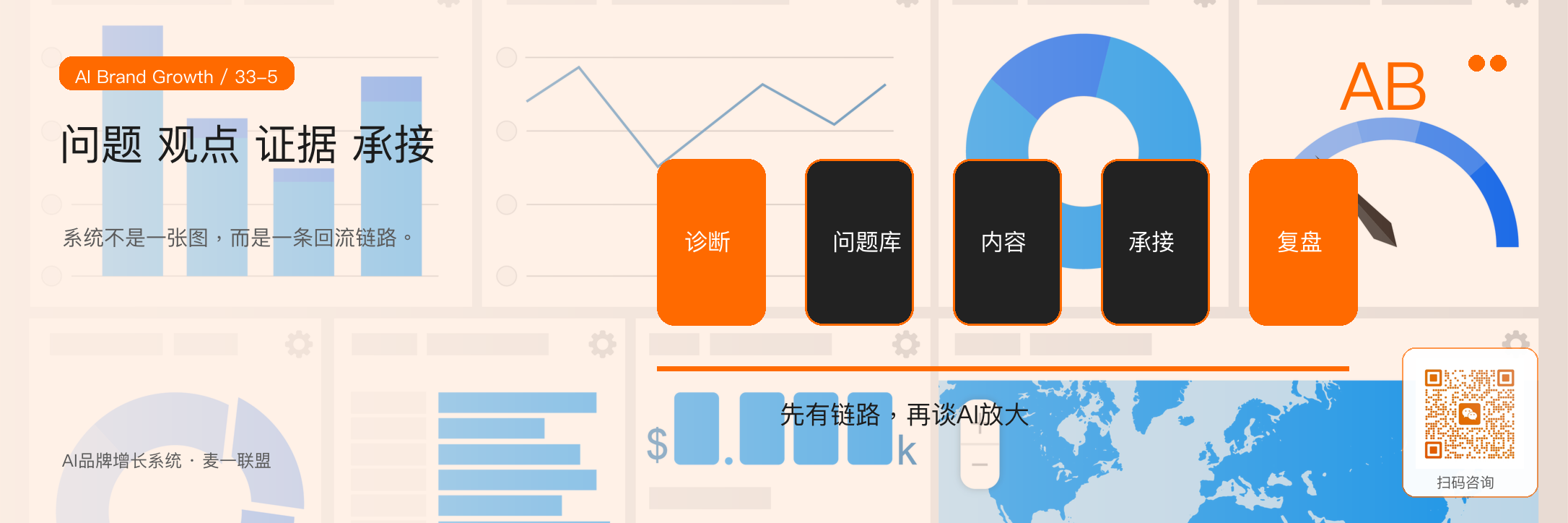
Figure 5: A real system continuously feeds questions, perspectives, evidence, and follow-up back into itself
06 | Which system gap should a business address first?
For most businesses, the first step is not buying more tools but fixing a gap. The earliest break is often not whether the team can write, but who it is writing for, why it is writing, and where the content leads. If those questions are unanswered, AI can only help produce more, faster.
A minimum viable approach is to organize three tables: customer questions, brand perspectives, and case evidence. The first explains what customers are struggling with; the second records how the business interprets those problems; the third explains why customers can trust it.
With these tables in place, AI has a structure it can draw on. Without them, each content request asks AI to invent a temporary logic. The writing may flow, but it may not sound like the business or support a useful customer conversation.
The value of the tables is not the spreadsheets themselves. They redirect the business from “What tools do we have?” to “What are customers hesitating about?” If that question is not answered well, every tool can seem inadequate.
A minimum viable system does not have to be large, but it must begin with a real problem. Explain one problem thoroughly and make one piece of evidence clear before rolling out ten tools at once.
07 | Bring tools back into the system: start with these three actions
First, choose a real customer problem and rebuild a content through-line around it instead of writing about tool features. Second, select three to five genuine cases and organize their outcomes, process, and objections into a brand evidence library.
Third, bring sales, content, and delivery into a shared language. The materials customers see, the way sales follows up, and how delivery feeds learning back should be explainable through the same resources. Then AI can help bring work into focus rather than scatter it further.
After doing these three things, revisit the tools and the question changes. Instead of asking which tool is best, ask which one can best draw on your question library, evidence library, and follow-up path. That is when AI can begin to function as part of a system.
If you put these three actions into practice, AI may move from looking advanced to being useful. The business can stop chasing new software and begin maintaining a growth foundation that its team can reuse. This is a proposed operating approach, not a guaranteed result.
The next step is not chasing another viral tool. It is fitting the tools you already use into a shared language system: who is speaking, to whom, and at what stage must first be aligned.
From that point, the purpose of tools becomes simpler: not to prove how many you know, but to show more clearly why customers should choose you.
Remember: system before tools, choice before efficiency, customer before features.
Customers do not need more tools. They need fewer errors, more dependable choices, and a clearer understanding of who you are.
Customers do not need more tools. They need fewer errors, more dependable choices, and a clearer understanding of who you are.
Putting it into practice.

Figure 6: Small and midsize businesses can start with three tables, then make AI part of the system
AI Brand Growth Diagnosis If your business already uses many AI tools but content, sales, traffic, and delivery still feel disconnected, you can begin with an AI Brand Growth diagnostic consultation. Together, we can map customer questions, brand perspectives, case evidence, and follow-up paths, then build a system the team can reuse and AI can draw on. The meaningful change is often not how many tools have been replaced, but whether the team can coordinate around shared judgment. Once the system is in place, tools can be assigned a clearer role. This describes an approach, not a guarantee of business results. |